Can You Freeze Chopped Boiled Eggs? What Actually Works (and What Doesn’t)

October 27, 2026
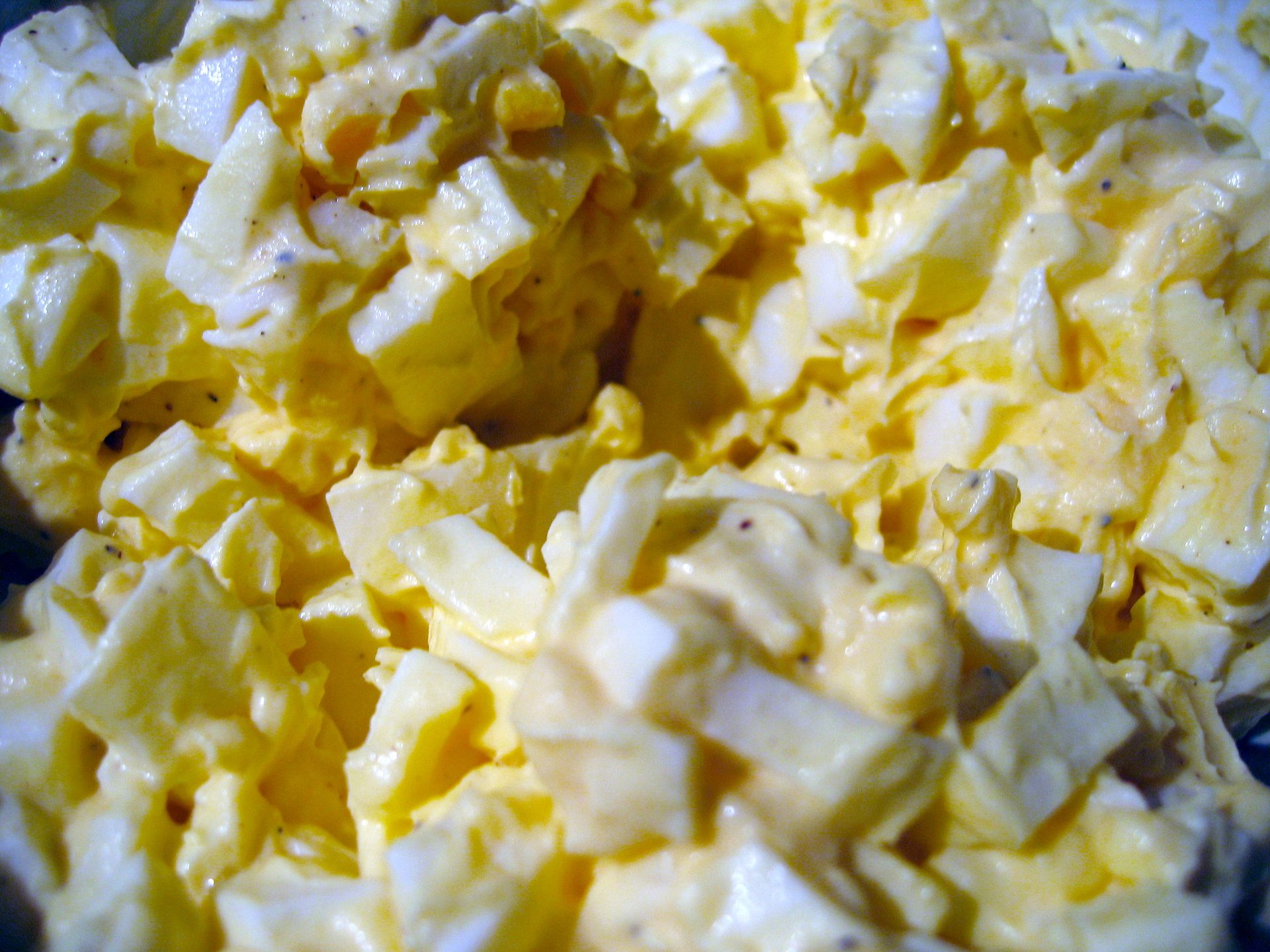
Hard-boiled eggs are one of the most practical foods to prep ahead — they work as a quick snack, a salad topper, or the base of egg salad. But when you’ve cooked too many, the question comes up fast: can you freeze chopped boiled eggs before they go to waste?
The short answer is yes and no. You can freeze them, but the results depend heavily on which part of the egg you’re freezing. Understanding the difference between the yolk and the white — and how each responds to cold storage — will save you from a rubbery, watery disappointment later.
This guide walks you through everything you need to know about freezing chopped boiled eggs, from the science behind the texture changes to step-by-step storage instructions and the best ways to use them after thawing. If you want to get the most out of your whole eggs, read on.
Can You Freeze Chopped Boiled Eggs?
Technically, yes — but with a major caveat. It’s best not to freeze hard-boiled whole eggs and hard-boiled whites because they become tough and watery when frozen. This applies to chopped boiled eggs as well, since chopping doesn’t change how the proteins in the egg white respond to freezing temperatures.
The cooked yolks freeze exceptionally well, so the general recommendation is to eat the boiled whites fresh and freeze the yolks by themselves in an airtight bag. If you’ve already chopped your eggs and mixed the whites and yolks together, the yolk portions will still freeze, but you should expect a significant texture change in the white portions once thawed.
It’s safe to eat frozen boiled eggs, but they might not taste great due to the egg white’s rubbery texture. Instead, freeze and eat only the yolks of hard-boiled eggs. For chopped eggs specifically, your best strategy is to separate the yolks from the whites before freezing whenever possible.
Pro Tip: If you batch-cook hard-boiled eggs for the week, set aside any extras you won’t eat within a few days and freeze only the yolks. Store the whites in the fridge and use them within a day or two in salads or grain bowls.
Does Freezing Change the Texture or Taste of Chopped Boiled Eggs?
Yes — and the change is noticeable, especially in the whites. Hard-boiled eggs do not maintain their original texture when frozen and thawed. Once defrosted, boiled eggs often become tough, rubbery, and watery, which makes them unpleasant to eat. The reason comes down to how ice crystals form inside the cooked proteins during freezing.
When the whites freeze, ice crystals form, and as the egg thaws, the texture becomes very rubbery. This is a one-way change — once the whites have gone through the freeze-thaw cycle, there’s no way to restore their original texture. If you end up with a soggy, watery mess after thawing, that’s exactly what food safety experts and home cooks have consistently reported.
The yolks behave very differently. Egg yolks take on a gel-like texture when frozen. To avoid this, egg yolks should be combined with salt, sugar, or egg whites prior to freezing. When frozen correctly with a small amount of salt or sugar, the yolks remain usable and hold their flavor well.
Freezing is unlikely to affect the flavor of raw or cooked frozen eggs, though any ingredients added during processing might. For example, raw egg yolks may taste slightly sweet or salty depending on whether they were mixed with sugar or salt before freezing. Plan accordingly based on whether you intend to use the yolks in savory or sweet recipes. Eggs are a heart-healthy protein source worth preserving correctly.
How to Freeze Chopped Boiled Eggs the Right Way
The key to freezing chopped boiled eggs successfully is separating the yolks from the whites before anything goes into the freezer. Here’s how to do it step by step.
- Cool the eggs completely. After boiling, transfer your eggs to a bowl of ice water to stop the cooking process and bring them to room temperature quickly. Never freeze eggs that are still warm — condensation inside the container leads to ice crystals and freezer burn.
- Peel and separate the yolks. Remove the shell and the egg white. Egg whites develop an unpleasant, rubbery texture once frozen and should be discarded. Scoop the egg yolk out using a slotted spoon and freeze separately in a freezer bag or container.
- Treat the yolks before freezing. To help retard gelation, beat in either 1/8 teaspoon salt or 1 1/2 teaspoons sugar or corn syrup per 1/4 cup of egg yolks (about 4 yolks). Use salt for savory dishes and sugar for sweet applications like custards or baked goods.
- Pack them properly. Place the hard-boiled egg yolks in a single layer in a freezer-safe container or in a freezer bag, then remove as much air as possible from the bag. Label and date all packages for future reference.
- Freeze immediately. Place the sealed container flat in the coldest part of your freezer. Avoid storing them near the door where temperature fluctuations are common.
If you’ve already chopped your eggs and can’t easily separate the yolks, you can still freeze the mixture — just understand that the texture of the whites will suffer. Use the frozen chopped mixture only in cooked applications where the texture change will be less noticeable, such as casseroles or egg salad that gets mixed with mayonnaise and other ingredients.
Pro Tip: Use a silicone ice cube tray to freeze individual yolk portions. Once solid, transfer them to a labeled freezer bag. This makes it easy to pull out exactly what you need without thawing the whole batch.
How Long Can You Freeze Chopped Boiled Eggs?
Storage time depends on whether you’re freezing the yolks alone or the whole chopped egg mixture. You can safely freeze the egg yolks for up to six months. Some sources suggest yolks can last up to a year in the freezer, but for the best flavor and texture, using them within three to six months is the practical target for most home cooks.
For whole chopped eggs (whites included), the timeline is shorter because the whites degrade faster. To still be great, three months is about the limit; after that time they are still safe to eat but start getting the usual issues of anything kept in the freezer a long time, and six months is about the limit mostly for taste and texture, not safety.
It’s worth comparing this to refrigerator storage. Hard-boiled eggs have a significantly shorter refrigerator life than raw shell eggs. According to the USDA, hard-boiled eggs — whether in the shell or peeled — should be consumed within one week of cooking when refrigerated. Freezing the yolks extends that window considerably, making it a worthwhile option when you’ve cooked more than you can eat in a week.
| Storage Method | Recommended Duration | Quality Notes |
|---|---|---|
| Refrigerator (whole hard-boiled egg) | Up to 1 week (USDA) | Best texture and flavor |
| Freezer (yolks only, treated) | Up to 6 months (best quality) | Slight gel texture; good in cooked dishes |
| Freezer (whole chopped eggs) | Up to 3 months (best quality) | Whites become rubbery; use in mixed dishes only |
How to Thaw Frozen Chopped Boiled Eggs
Thawing frozen egg yolks or chopped eggs safely means keeping them out of the temperature danger zone (40°F–140°F), where bacteria multiply rapidly. Thaw eggs in the refrigerator, not on the counter, to reduce the risk of bacterial growth. This is the standard approach recommended by food safety authorities for all frozen egg products.
To thaw hard-boiled egg yolks, just move them from the freezer to the fridge overnight. Plan ahead — yolks typically need eight to twelve hours to thaw completely in the refrigerator. If you’re in a hurry, you can place the sealed freezer bag under cold running water, but avoid warm or hot water, which can partially cook the yolks and create uneven textures.
Use egg yolks or whole eggs as soon as they’re thawed. Don’t let thawed egg yolks sit in the fridge for multiple days before using them — treat them as you would fresh cooked eggs and use them the same day you thaw them for the best results and food safety.
Important Note: Never thaw frozen eggs at room temperature on the kitchen counter. Doing so puts them in the bacterial danger zone and increases the risk of foodborne illness. Always thaw in the refrigerator or under cold running water.
Can You Refreeze Chopped Boiled Eggs After Thawing?
No. You should only freeze hard-boiled eggs once. If you were to freeze the yolk more than once, it would significantly alter its texture and may even affect its taste. Each freeze-thaw cycle breaks down the protein structure further, leaving you with a product that’s both texturally unpleasant and potentially less safe.
Freezing hard-boiled eggs isn’t the best thing to do in the first place, so running them through the process twice compounds every downside. Once you thaw your frozen yolks or chopped egg mixture, commit to using them that day. If you find you consistently have leftover boiled eggs, a better strategy is to freeze them in smaller individual portions so you only thaw what you need each time.
If you’re looking for ways to reduce egg waste without freezing, consider incorporating eggs into whole food-based meals earlier in the week, or hard-boiling only what you’ll realistically eat within a few days.
How to Use Frozen Chopped Boiled Eggs (Best Uses After Freezing)
Thawed egg yolks and chopped eggs work best in recipes where they’ll be mixed, cooked, or seasoned — not eaten plain. The texture change in the whites makes them unsuitable for eating straight, but they hold up fine when incorporated into dishes with other ingredients. Here are the best applications:
- Egg salad: The mayonnaise, mustard, and seasonings in egg salad mask the textural changes in thawed whites. Chop the thawed eggs finely and mix thoroughly for the best result. This is one of the most forgiving uses for frozen chopped eggs.
- Deviled egg filling: Egg yolks become slightly gelatinous but acceptable for many cooked uses, including salads, deviled egg filling, and casseroles. Pipe the thawed yolk mixture onto fresh, refrigerated whites for a practical workaround.
- Casseroles and baked dishes: Mixed into a casserole with cheese, vegetables, or pasta, thawed chopped eggs add protein without the rubbery texture being noticeable. The heat and surrounding ingredients absorb any textural inconsistencies.
- Fried rice: Toss thawed chopped yolks into fried rice during the last minute of cooking. The high heat and oil coat the egg pieces and improve the overall texture.
- Salad toppings (yolks only): Crumbled thawed yolks work well as a garnish on green salads, grain bowls, or roasted vegetables — similar to how you’d use a sieved hard-boiled yolk. Eggs are among the foods that support healthy skin thanks to their protein and B-vitamin content.
- Stuffed vegetables: Mix thawed yolks into stuffing for mushrooms, peppers, or zucchini boats where the filling gets baked and the texture difference disappears entirely.
Avoid using thawed whole chopped eggs in dishes where the egg is the star and texture is front and center — like a simple egg plate, egg sandwiches where the egg is sliced whole, or deviled eggs where the white cup needs to hold its shape. For those applications, always use fresh boiled eggs. Eggs are considered one of the nutrient-dense foods worth incorporating regularly into a balanced diet.
Signs That Frozen Chopped Boiled Eggs Have Gone Bad
Even in the freezer, eggs can deteriorate. Knowing the warning signs helps you avoid eating something that’s past its prime — or unsafe. Check for these indicators before using any frozen egg product:
- Off smell: An unpleasant sulfuric odor or “off” taste is a good indication that eggs may be unsafe. Thaw a small portion and smell it before using the rest of the batch. A strong sulfur or sour odor means the eggs should be discarded.
- Freezer burn: Grayish-white patches or a dried, shrunken appearance on the surface of frozen yolks indicate freezer burn. The affected portions are safe to eat but will taste bland and dry. Cut away heavily burned sections before using.
- Unusual color: Egg yolks should be yellow to deep golden. Any green, gray, or dark discoloration beyond the normal slight darkening from cooking is a sign of spoilage.
- Slimy or sticky texture after thawing: Thawed yolks should be soft and slightly gel-like, but not slimy. A sticky or mucus-like coating on thawed egg whites or yolks suggests bacterial growth.
- Ice crystals throughout (not just on the surface): Heavy ice crystal formation inside the container — not just on the outside of the bag — suggests the eggs were improperly stored, thawed partially, and refrozen. Discard these.
When in doubt, throw it out. Hard-boiled eggs should not sit at room temperature for more than two hours. After that, bacteria can grow quickly. The same principle applies after thawing — if thawed eggs have been sitting out longer than two hours, discard them regardless of how they look or smell. Proper food handling habits protect you and your family from foodborne illness.
For more on safe food handling and storage, the USDA Food Safety and Inspection Service provides detailed egg safety guidelines. You can also explore egg safety guidelines during pregnancy for additional food safety context.
Frequently Asked Questions
Can You Freeze Egg Salad Made With Chopped Boiled Eggs?
Egg salad doesn’t freeze well. The mayonnaise separates and becomes watery when thawed, and the egg whites turn rubbery. It’s better to freeze only the yolks before making egg salad, then mix in fresh mayonnaise and seasonings after thawing.
Can You Freeze Chopped Boiled Eggs With the Shell On?
No. Whole eggs should never be frozen in their shells, as the liquid inside expands and can crack the shell, leading to freezer burn or contamination. Always peel the eggs before freezing any part of them.
How Do You Know If a Hard-Boiled Egg Has Been Frozen Before?
A previously frozen hard-boiled egg white will feel noticeably firmer and more rubbery than a fresh one. It may also release water when you press it or cut into it. The yolk may appear slightly darker or have a denser, waxy texture than a freshly cooked yolk.
Can You Freeze Deviled Eggs?
The white part of a deviled egg will turn rubbery in the freezer, so you really only want to freeze the yolk filling. Pipe the thawed filling onto fresh egg white halves when you’re ready to serve.
Is It Better to Refrigerate or Freeze Leftover Boiled Eggs?
Refrigeration is almost always the better choice for whole boiled eggs. If you want to keep a supply of hard-boiled eggs on hand for any length of time, your best bet is to store them in the fridge. Freeze only when you know you won’t use them within the week. For more ideas on nutrient-rich foods to keep stocked, check out additional resources on building a healthy kitchen.
Can You Freeze Soft-Boiled Eggs?
For soft-boiled eggs, it’s best not to freeze them at all. The runny yolk and delicate white don’t survive the freeze-thaw process. If you’re curious about soft-boiled eggs in other contexts, you can read more about soft-boiled egg safety for specific situations.
What Is the Best Way to Store Hard-Boiled Eggs If Not Freezing?
Leave the shell on until ready to eat — the shell provides a physical barrier against bacteria and moisture loss. Store peeled hard-boiled eggs submerged in cold water in a covered container, changing the water daily, or in a sealed container with a damp paper towel. Either method keeps peeled eggs fresh and prevents them from drying out in the fridge.