Can You Freeze Spinach in Soup? Storage Tips, Timelines, and More

October 28, 2026
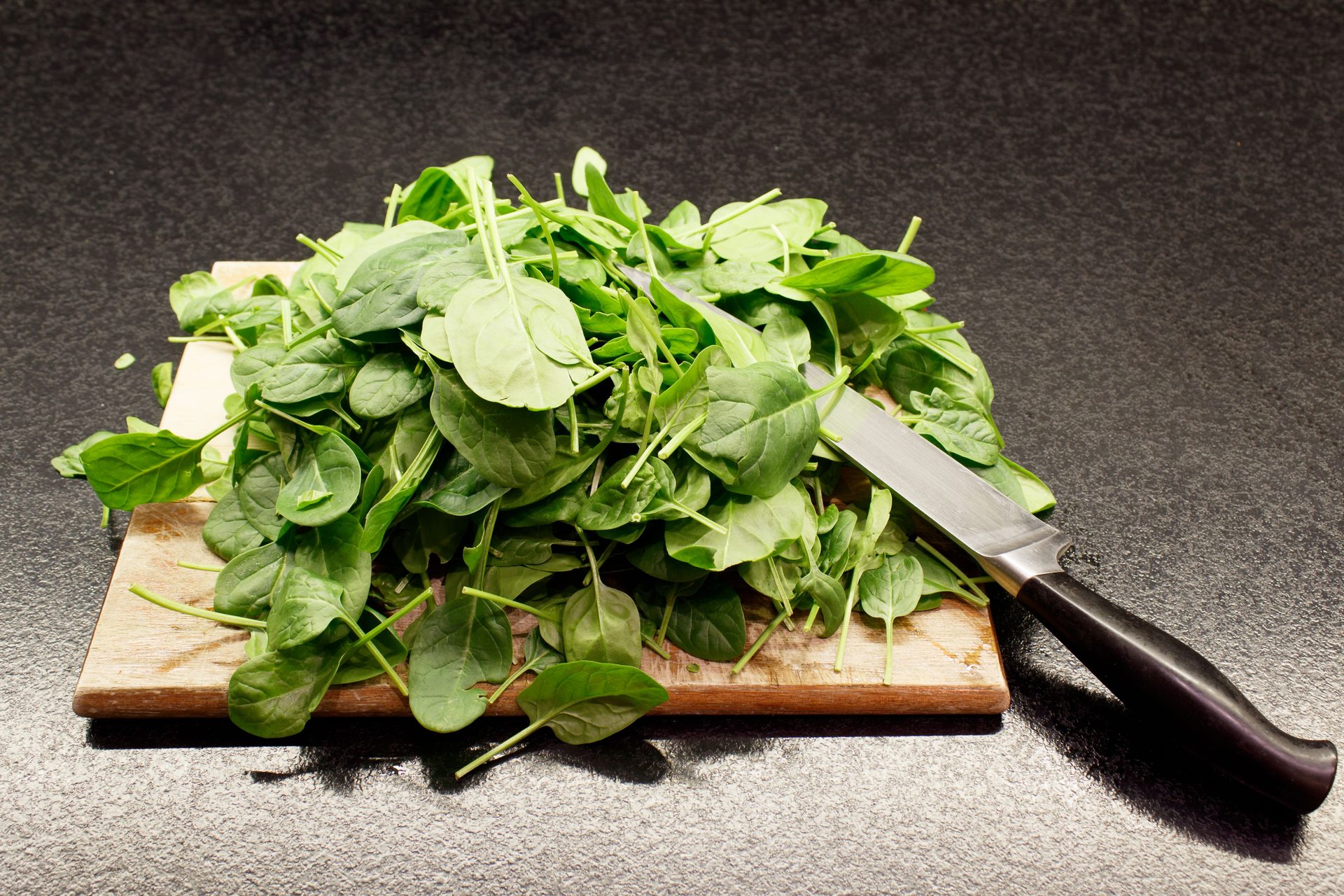
Spinach soup is one of those meals you want to make in a big batch — it’s nutritious, easy to prep, and satisfying on a weeknight. But once the pot is full, the question comes up fast: can you actually freeze it without ruining the texture or flavor?
The short answer is yes. Spinach soup does freeze well, and over time, the texture and flavor of the soup won’t get significantly damaged by freezing or thawing. That said, a few factors — like dairy content and added starches — can affect how well your soup holds up. This guide walks you through everything you need to know, from prep to storage to spotting spoilage.
Can You Freeze Spinach in Soup?
You can freeze spinach soup for up to 3 months. Whether you’ve made a smooth blended version or a chunky broth-based soup, spinach itself handles freezing better than many other leafy greens. It’s already a high-moisture vegetable, and when it’s cooked into a soup, the liquid environment actually helps protect it during the freeze-thaw cycle.
The bigger concern isn’t the spinach — it’s what else is in the pot. Not all soups freeze well. If your spinach soup contains quinoa, rice, pasta, or potatoes, the texture can completely change in the freezer. These starches tend to turn mushy or grainy after thawing, so it’s worth keeping them in mind before you freeze a full batch.
Fatty dairy is something that notoriously freezes poorly. Avoid adding cream or crème fraîche to your soup before freezing — it is liable to split, giving your soup a poor taste and texture when thawed. If your recipe calls for cream, stir it in after reheating instead.
Pro Tip: Freeze your spinach soup without dairy, then stir in cream, yogurt, or cheese only after reheating. This keeps the texture smooth and prevents separation.
Spinach is also one of the most nutritious vegetables you can add to a meal. If you want to learn more about superfoods that support heart health, spinach regularly makes the list thanks to its iron, folate, and antioxidant content.
Does Freezing Change the Texture or Taste of Spinach in Soup?
Freezing does change spinach’s texture, but in a soup, that change is largely unnoticeable. Frozen spinach can have a slightly mushier texture than fresh spinach. This is due to the freezing and thawing process, which can break down the cell walls of the spinach leaves. In a blended or broth-based soup, however, this softening blends right in.
Sometimes frozen spinach can look a bit darker than fresh spinach, but don’t let that fool you. The color doesn’t affect the taste or the nutritional value. In fact, the earthy flavor of spinach tends to hold up well after freezing.
Where things go wrong is when you push past the recommended storage window. You can freeze spinach soup for around three months. After that point, it will still be safe to eat, but a number of the flavor compounds will likely have dissolved, leading to an unsatisfying meal. Over time, the texture becomes more and more grainy — instead of a silky smooth soup, the texture can become inconsistent.
Spinach is packed with powerful nutrients including vitamins K, A, and C. Freezing preserves most of these, making frozen spinach soup a genuinely nutritious option even after months in the freezer.
How to Freeze Spinach in Soup the Right Way
Proper technique makes the difference between a soup that tastes fresh after thawing and one that’s watery and dull. Follow these steps to get the best results.
- Cool the soup completely. The first step to freezing soup of any kind is to ensure the soup is totally cool. If the soup isn’t cool, condensation will form within the container, leading to ice forming and, in turn, freezer burn setting in.
- Divide into portions. A big pot of soup will take a long time to cool, inviting bacteria to multiply and increasing the danger of foodborne illness. Instead, divide the pot of soup into smaller containers so it will cool quickly.
- Leave headspace. Leave a little space at the top of containers, since liquid expands when frozen. About an inch of space is enough for most containers.
- Seal tightly and label. The containers must be as completely sealed as possible to ensure there is as little chance as possible for spillage in your freezer. Write the date and contents on each container before freezing.
- Choose the right containers. To prevent discoloration and nutrient loss, avoid storing spinach-containing soup in containers made of reactive metals like aluminum. Opt for glass or food-grade plastic containers instead.
- Freeze promptly. Freeze leftovers within 3 to 4 days. Don’t let soup sit in the fridge for a week before deciding to freeze it.
Pro Tip: Freeze individual single-serving portions in quart-size freezer bags laid flat. They stack easily, thaw faster, and help you avoid reheating more than you need.
If you’re interested in how spinach and other greens support your body beyond the dinner bowl, check out this guide to fibroid healing foods, which covers the role leafy greens play in hormonal health.
How Long Can You Freeze Spinach in Soup?
Storage time depends on what’s in your soup and how well it’s sealed. Here’s a quick reference:
| Soup Type | Freezer Life | Fridge Life | Notes |
|---|---|---|---|
| Broth-based spinach soup | 3–6 months | 3–4 days | Freezes best; minimal texture change |
| Blended spinach soup (no dairy) | 3 months | 3–4 days | Smooth texture holds well |
| Cream-based spinach soup | Not recommended | 3–4 days | Dairy splits; add cream after reheating |
| Spinach soup with pasta or rice | 1–2 months | 3–4 days | Starches turn mushy; consider cooking separately |
Properly stored in airtight containers or heavy-duty freezer bags, soup with spinach can last up to 4 to 6 months in the freezer. For the best flavor and texture, though, aim to use it within 3 months. Food stored constantly at 0°F will always be safe — only the quality suffers with lengthy freezer storage.
According to FDA/USDA cold-storage guidelines, soups and stews with vegetables or meat added should be refrigerated at 40°F (4°C) or below and used within 3 to 4 days for safety.
How to Thaw Frozen Spinach Soup
How you thaw your soup matters just as much as how you freeze it. Never thaw foods out on the kitchen counter, outdoors, or on the porch. These methods can leave your foods unsafe to eat. There are three safe ways to thaw food: in the refrigerator, in cold water, or in the microwave.
Here’s how each method works for spinach soup specifically:
- Refrigerator (best method): Thaw the soup in the refrigerator overnight and reheat gently on the stove or in the microwave. This is the safest and most hands-off option.
- Microwave (fastest method): The easiest way to defrost spinach soup is to open the lid of the container a little to create a vent before microwaving the soup in thirty-second intervals until steaming hot throughout.
- Cold water bath: For faster thawing, place food in a leak-proof plastic bag and immerse it in cold water. Change the water every 30 minutes and reheat immediately after thawing.
- Straight from frozen: It is safe to reheat frozen leftovers without thawing, either in a saucepan or microwave in the case of a soup or stew. Just use low heat and stir frequently.
Once your soup is thawed, the food should be used within 3 to 4 days or can be refrozen. Reheat to 165°F to ensure it’s safe to eat. Adding a splash of fresh cream, a squeeze of lemon, or a sprinkle of grated nutmeg just before serving can revive its flavors.
Can You Refreeze Spinach Soup After Thawing?
Technically yes — but with conditions. You can refreeze spinach soup as it contains no meat or poultry and will not be damaged by repeated freezing. This applies to a plain, generic spinach soup where spinach is the main ingredient. If you have made a spinach soup with dairy, refreezing it would not be a good idea.
From a food safety standpoint, the USDA is clear: once food is thawed in the refrigerator, it is safe to refreeze it without cooking, although there may be a loss of quality due to the moisture lost through thawing. The key word here is “refrigerator” — soup thawed on the counter should not be refrozen.
Quality is the bigger concern with refreezing. The cell structure of spinach is damaged when it freezes. When spinach is thawed and refrozen, this damage accumulates, making the spinach even softer and mushier. For a blended soup, this matters less. For a chunky broth-based version, you’ll notice the difference.
Pro Tip: Freeze your soup in single-serving portions from the start. That way you only thaw what you need, and you never have to worry about refreezing at all.
Do not refreeze any foods left outside the refrigerator longer than 2 hours — or 1 hour in temperatures above 90°F. This applies to soup just as it does to any other perishable food.
How to Use Frozen Spinach Soup (Best Uses After Freezing)
Frozen and thawed spinach soup is incredibly versatile. Whether you’ve made a simple broth-based version or a creamy blended one, there are plenty of ways to put it to good use.
- Quick weeknight dinner: Reheat a single portion straight from the freezer in a saucepan over medium-low heat. Add a splash of broth if it’s thickened during storage.
- Pasta sauce base: Thawed blended spinach soup works as a light, flavorful sauce for pasta. Thin it slightly with pasta water and toss with your noodles of choice.
- Grain bowl liquid: Use it as a warm broth base for farro, quinoa, or rice bowls. The spinach flavor adds depth without overpowering the other ingredients.
- Shakshuka or egg skillet base: Pour thawed spinach soup into a skillet, bring to a simmer, crack in a few eggs, and cover until set.
- Soup upgrade: Stir thawed spinach soup into a plain vegetable or chicken broth soup to add body, color, and nutrition.
Adding spinach to soups and stews enriches the dish with vitamins and provides a nice texture. Stir in the spinach towards the end of cooking to maintain its color and nutrients. This applies whether you’re using fresh spinach or adding thawed soup to a new dish.
Spinach is one of the most studied whole plant-based foods for its nutritional density. It pairs well with legumes, whole grains, and lean proteins — all of which hold up well in soups you plan to freeze.
You can also use frozen spinach soup as a base for dishes that support specific health goals. If you’re building meals around liver health, for example, this article on foods that enhance liver function covers why leafy greens like spinach are a strong foundation.
Signs That Frozen Spinach Soup Has Gone Bad
Even properly frozen soup can go bad if it’s been stored too long, thawed improperly, or exposed to temperature swings. Here’s what to look for before you reheat.
| Sign | What It Looks Like | What to Do |
|---|---|---|
| Off odor | Sour, ammonia-like, or musty smell | Discard immediately |
| Color change | Spinach turns dark brown, yellow, or black | Discard — indicates oxidation or bacterial activity |
| Slimy texture | Broth feels thick and slimy, spinach is mushy | Discard — bacteria have broken down the soup |
| Excessive ice crystals | Large frost buildup inside container | Quality is degraded; inspect carefully before using |
| Grainy or separated broth | Oily or curdled appearance in cream-based soups | Dairy has split; still safe but unpleasant |
| Bitter or fermented taste | Flavor is sharp, sour, or “off” | Discard immediately |
Signs that spinach in soup has spoiled include a noticeably slimy texture, discoloration such as turning brown or yellow, and a sour or off-putting odor. Spinach is highly perishable, so spoilage signs may appear earlier than with other soup ingredients.
Spoilage isn’t always obvious. Relying only on smell or appearance isn’t foolproof — microorganisms that cause foodborne illness don’t always make food look or smell “bad.” Using time-based guidelines plus safe handling reduces risk greatly.
According to the USDA Food Safety and Inspection Service , freezing keeps food safe by slowing the movement of molecules, causing microbes to enter a dormant stage. Freezing preserves food for extended periods because it prevents the growth of microorganisms that cause both food spoilage and foodborne illness. But once thawed, these microbes can again become active, multiplying under the right conditions to levels that can lead to foodborne illness.
If you want to build more meals around nutrient-dense greens and reduce food waste, you might also enjoy this overview of foods that promote healthy skin — spinach and its antioxidants appear there too.
Frequently Asked Questions
Can you freeze fresh spinach to add to soup later?
Yes. Freezing spinach is an easy process and a great way to store spinach for adding to soups, stews, skillets, casseroles, and sauces all year long. There’s no need to thaw the frozen spinach first — just add the frozen spinach cubes right into a pot of simmering soup or stew, and it will break apart and add flavor and nutrition to your dish.
Does spinach get mushy when you freeze it in soup?
Some softening is normal. Frozen spinach is great to cook with and add to smoothies, but once thawed it’s wilted and soggy, so it’s not really suitable for adding to salads or sandwiches. In soup, that soft texture is expected and doesn’t affect the eating experience.
How long does spinach soup last in the fridge?
Leftover spinach soup can be kept in the fridge for between 4 and 5 days when stored in a covered bowl or airtight container. After that, freeze it or discard it.
Can you freeze spinach soup that has yogurt or sour cream in it?
Freezing soup with Greek yogurt added can make the soup grainy when reheated. It’s best to leave dairy out before freezing and stir it in fresh when you reheat.
Is frozen spinach as nutritious as fresh?
One cup of frozen spinach has four times more fiber, iron, and calcium than a cup of fresh spinach — largely because frozen spinach is more compact. The freezing process itself preserves most of the nutrients, making it a solid choice for soups and stews.
Can you add frozen spinach directly to simmering soup?
Yes. There’s no need to thaw frozen spinach first — just add the frozen spinach cubes right from the freezer to simmering soups, stews, and skillet dishes. It thaws and wilts within a minute or two of hitting the hot liquid.
For more ideas on building nutrient-rich meals at home, explore this guide to foods that promote healthy eyesight — many of which, like spinach, are easy to incorporate into soups and stews.