Can You Freeze Rotisserie Chicken? Everything You Need to Know

October 28, 2026
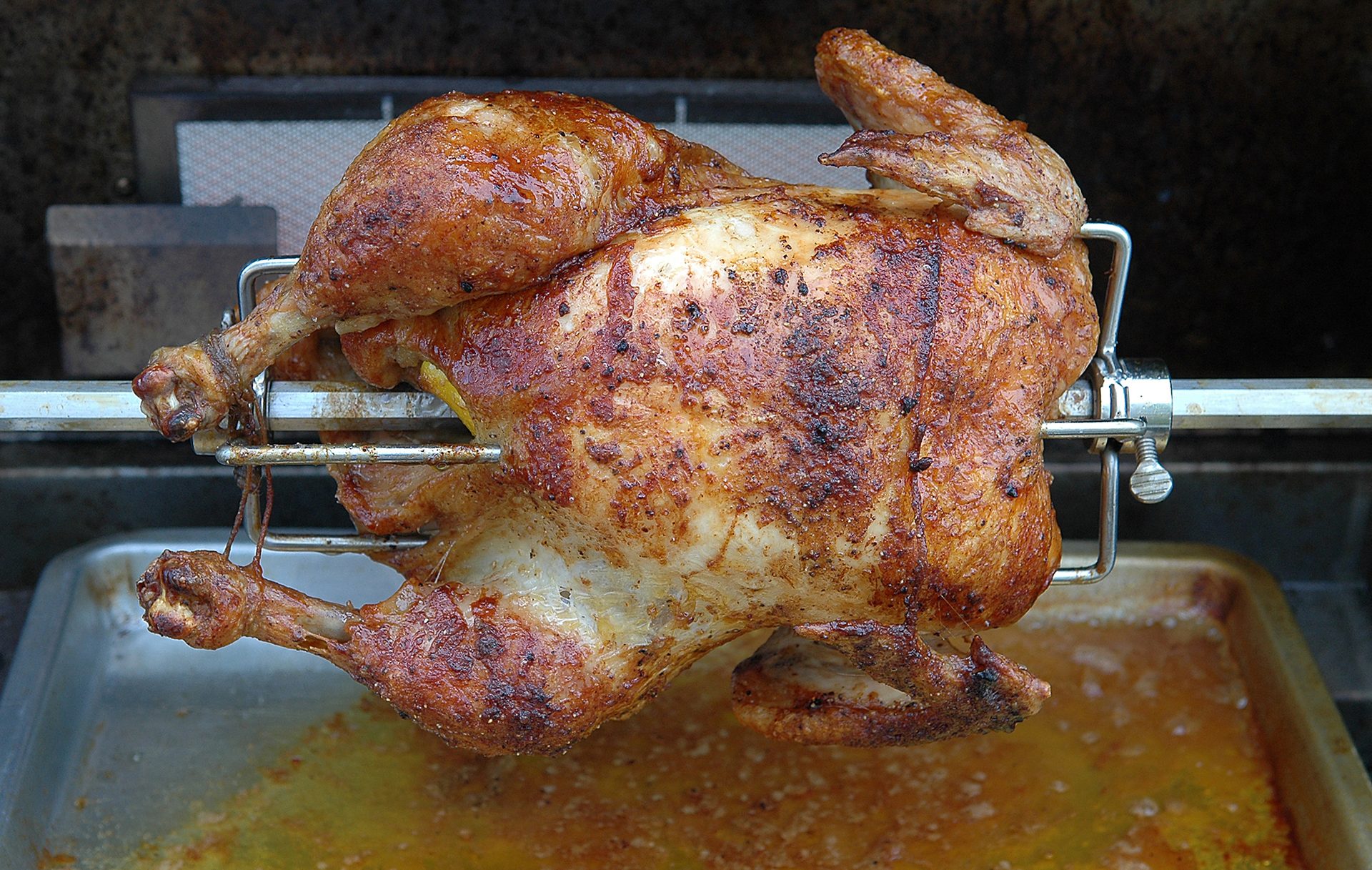
Rotisserie chicken is one of the most practical proteins you can buy at the grocery store. Whether you grabbed a bird from Costco, your local supermarket, or made one at home, there’s a good chance you won’t finish it in one sitting — and that’s perfectly fine.
The good news is that freezing rotisserie chicken is not only possible but also a smart way to cut down on food waste and keep a ready-to-use protein in your freezer for busy weeknights. Knowing how to do it correctly makes all the difference between chicken that tastes great after thawing and chicken that ends up dry and disappointing.
This guide covers everything from how to prep and package rotisserie chicken for the freezer, to how long it stays good, how to thaw it safely, and what to do with it once it’s ready to eat. Check out our guide on what to serve with rotisserie chicken for meal ideas to pair with your thawed bird.
Can You Freeze Rotisserie Chicken?
Yes, you can freeze rotisserie chicken — and the fact that it’s already cooked makes it an easy addition to busy weeknight meals. Freezing rotisserie chicken is a fantastic way to extend its shelf life and ensure you have a quick meal option available at any time.
According to USDA guidelines, rotisserie chicken is good for 3–4 days when stored in the refrigerator. If frozen, it will keep best — maintaining its optimal flavor and texture — for 4 months. That’s a significant upgrade from the short fridge window, especially if you bought more than you can eat in a few days.
To maintain the best flavor and texture, try to freeze your rotisserie chicken as soon as possible — preferably within the first two days. Don’t wait until it’s been sitting around for too long; the sooner you freeze it, the better it will taste when thawed.
Pro Tip: Never freeze rotisserie chicken that has already been in the fridge for more than 4 days. Freezing doesn’t reset the clock on bacteria — if it was heading toward spoilage before you froze it, it will still be unsafe when thawed.
Does Freezing Change the Texture or Taste of Rotisserie Chicken?
While freezing rotisserie chicken is safe, the process can impact its overall quality. Freezing essentially halts bacterial growth, but it also changes the texture and taste of the chicken, mainly due to the ice crystals that form inside the meat.
Freezing chicken causes the water in the meat’s cells to turn into ice crystals, which can rupture the cell walls. When you freeze and thaw rotisserie chicken, the meat may lose moisture, resulting in a tougher and drier texture that is less enjoyable when reheated.
Freezing can cause some changes in texture, making the meat a bit drier upon reheating. To minimize these changes, ensure that the chicken is wrapped tightly to prevent air exposure, which can lead to freezer burn. With the right techniques, your frozen rotisserie chicken can taste nearly as good as when it was first cooked.
The difference is most noticeable in breast meat, which dries out faster than dark meat. Shredded chicken — especially when frozen with a splash of broth — tends to hold up the best after freezing. Portioning it before freezing means you can thaw only what you need, and shredded chicken tends to freeze and thaw more evenly than whole pieces, ensuring better texture and flavor retention.
How to Freeze Rotisserie Chicken the Right Way
The steps you take before the chicken goes into the freezer have a direct impact on how it tastes when it comes out. Rushing the process — or skipping key steps — leads to freezer burn, uneven freezing, and dry meat.
Step 1: Let It Cool Completely
Allow the chicken to cool to room temperature before freezing. Don’t leave it out for more than two hours to prevent bacterial growth. If the temperature of the room is above 90°F, reduce this time to one hour. Putting warm chicken directly into the freezer can also cause condensation inside the packaging, creating ice crystals that damage texture.
Step 2: Remove the Meat from the Bones
Remove the meat from the bones for easier storage and quicker defrosting. Shred and divide the chicken into meal-sized portions so you can pull out exactly the amount you need. Portioning the meat out before freezing means you can easily defrost only what you need and avoid any potential waste.
Step 3: Package It Properly
Wrap the chicken in plastic wrap or aluminum foil — this helps prevent freezer burn — and store in an airtight container or freezer-safe zip-top bag. Portion the shredded chicken into freezer bags (1–2 cups per bag works well). Add 1–2 tablespoons of chicken broth to each bag. Press out as much air as possible before sealing the bag. Lay the bags flat in the freezer for faster freezing and easier storage.
If you have a vacuum sealer, that’s the best option. Vacuum sealing removes all the air from the packaging, which helps prevent freezer burn. This method is best for long-term storage, as it preserves the chicken’s texture and flavor for a longer period. If you plan on freezing large batches, vacuum sealing is a great option.
Step 4: Label and Date Every Package
Label each bag or container with the date it was frozen and the contents so you can easily identify it later. This small habit saves you from pulling out mystery packages and guessing how long something has been in the freezer. Write the date and a brief description directly on the bag with a permanent marker.
Pro Tip: Freeze your portions flat in zip-top bags. Once solid, you can stand them upright like files in a drawer, which saves significant freezer space and makes it easy to grab just one portion at a time.
How Long Can You Freeze Rotisserie Chicken?
The USDA advises that cooked chicken can be stored in the freezer for up to four months, which means freezing rotisserie chicken is a safe and effective way to extend its shelf life.
Properly stored, it will maintain best quality for about 4 months, but will remain safe beyond that time. The freezer time shown is for best quality only — cooked rotisserie chicken that has been kept constantly frozen at 0°F will keep safe indefinitely. That said, quality does decline over time, so using it within the recommended window gives you the best results on the plate.
| Storage Method | How Long It Lasts | Notes |
|---|---|---|
| Room temperature | Up to 2 hours (1 hour if above 90°F) | Discard if left out longer |
| Refrigerator (40°F or below) | 3–4 days | Store in airtight container |
| Freezer (0°F) | Up to 4 months for best quality | Safe beyond 4 months, but quality drops |
| Freezer (vacuum sealed) | Up to 4–6 months | Best method for long-term storage |
For reference, a frozen rotisserie chicken or other chicken pieces will remain fresh for four months. Prepared dishes like chicken soup or casseroles will last a bit longer — four to six months in the freezer. So if you’re planning to use the chicken in a soup or stew, you can stretch that window a bit further.
You can learn more about the calorie content of rotisserie chicken if you’re tracking your nutrition alongside your meal prep routine.
How to Thaw Frozen Rotisserie Chicken
How you thaw rotisserie chicken matters just as much as how you freeze it. Thawing at room temperature is never safe — it puts the chicken in the bacterial “danger zone” (40°F–140°F) for too long. To thaw chicken safely, it’s best to do it in cold water, in the microwave, or in the refrigerator — never on the counter.
Here are the three methods that work:
- Refrigerator method (best for quality): Place the chicken in the refrigerator overnight. This slow thawing process ensures even defrosting and keeps the chicken at a safe temperature. Rotisserie chicken thawed in the fridge can be kept for an additional 3 to 4 days in the refrigerator before cooking.
- Cold water method (faster): Submerge the wrapped chicken in a bowl of cold water. Change the water every 30 minutes to speed up the process. Chicken thawed this way should be used immediately after cooking.
- Microwave method (quickest): Use the defrost setting on your microwave for small portions. Chicken thawed in the microwave or in cold water should be eaten immediately. Don’t refreeze after using this method.
The best way to reheat a whole rotisserie chicken that has been frozen then thawed is in the oven. Bake at 350°F until warmed throughout and the internal temperature reaches 165°F. You can also add some chicken broth to the baking dish to help the chicken stay juicy and flavorful.
Pro Tip: For shredded chicken, skip the oven and reheat directly in a skillet. Add a splash of chicken broth or water, cover the pan, and warm over medium-low heat. The steam keeps the meat moist and prevents it from drying out.
Can You Refreeze Rotisserie Chicken After Thawing?
This is one of the most common questions about frozen chicken — and the answer depends on how you thawed it.
Refreezing thawed chicken is safe if it was thawed in the refrigerator and hasn’t been at room temperature for more than two hours. However, just because it’s technically safe doesn’t mean it’s a great idea for quality.
Freezing chicken causes the water in the meat’s cells to turn into ice crystals, which can rupture the cell walls. This damage is compounded with each freeze-thaw cycle. When you refreeze rotisserie chicken, the meat may lose even more moisture, resulting in a tougher and drier texture. Along with the loss of moisture, refreezing chicken can also lead to a diminished flavor.
There are situations where you should not refreeze at all:
- If the rotisserie chicken was left at room temperature for more than two hours, refreezing is not recommended. At room temperature, bacteria multiply rapidly, increasing the risk of foodborne illness.
- If the chicken was thawed in hot water or left out to thaw on the counter, it should not be refrozen. This can allow bacteria to proliferate to unsafe levels.
- Constantly thawing and refreezing chicken can lead to an irreversible decline in quality. Repeated exposure to freezing temperatures breaks down the meat’s cell structure, making it tough and dry.
The best way to avoid the refreezing dilemma entirely is to freeze your chicken in single-serving or meal-sized portions from the start. That way, you only thaw what you need.
How to Use Frozen Rotisserie Chicken (Best Uses After Freezing)
Frozen and thawed rotisserie chicken is most successful in recipes where moisture is added during cooking or where the chicken is mixed with sauces, broths, or other ingredients. It’s less ideal for dishes where you want crispy skin or a firm, sliceable texture.
Here are the best ways to put it to use:
- Soups and stews: Rotisserie chicken is perfect for tossing into soups or white bean chicken chili. The broth in soups rehydrates the meat and masks any slight dryness from freezing.
- Tacos and wraps: Shredded frozen chicken works great in tacos, burritos, and wraps where bold seasonings and toppings carry the dish.
- Casseroles: Mix thawed chicken into pasta bakes, enchiladas, or pot pies. The sauce keeps the meat moist throughout baking.
- Salads: Thawed shredded chicken adds protein to grain bowls, Caesar salads, or nutrient-rich salads with minimal effort.
- Rice bowls and stir-fries: Try mixing it with pesto pasta, rice bowls, or as a pizza topping.
- Quick weeknight pasta: Toss thawed chicken with your favorite pasta sauce for a protein-packed dinner in under 15 minutes.
If your thawed chicken seems a little dry, for shredded chicken or meat removed from the bone, reheating on the stovetop is your best bet. To keep it tender and moist, add a bit of oil and some water or chicken broth in the bottom of a skillet, then throw your chicken on top and bring it to temperature.
For more inspiration on building meals around this versatile protein, see our full guide on what to serve with rotisserie chicken. If you’re focused on eating well, rotisserie chicken also pairs well with heart-healthy superfoods and whole plant-based foods for a balanced plate.
Signs That Frozen Rotisserie Chicken Has Gone Bad
Even in the freezer, rotisserie chicken doesn’t last forever — and it’s important to know the warning signs before you eat something that’s past its prime. Bacteria like Salmonella and Campylobacter can grow in chicken even when frozen. While freezing puts bacteria in a dormant state, they become active again once the chicken thaws.
Check for these signs before cooking:
- Off smell: If your chicken smells sour, sulfurous, or ammonia-like, it’s time to toss it. This is the most reliable indicator of spoilage.
- Slimy or sticky texture: After you’ve patted the chicken dry, feel the surface. If it’s slimy or sticky, that’s a sign of bacterial biofilm forming. Fresh rotisserie chicken should have a firm, dry texture. If it feels slimy, don’t take the chance.
- Unusual color: A little darkening of the chicken’s skin is normal, but if you notice a grey or greenish tinge, it’s time to throw it out. While dark meat can naturally darken a bit, these colors are a big red flag.
- Mold: Any fuzzy spots or patches of mold are a clear sign that the chicken is no longer safe to eat. When you see mold, don’t just cut around it — get rid of the whole thing.
- Freezer burn: Dry brown or white leathery patches indicate the chicken has been poorly wrapped. While unpleasant in texture, freezer-burned chicken is generally still safe if the surrounding meat appears normal. Freezer burn is a quality issue, not a safety hazard, as long as the meat stayed fully frozen and shows no signs of spoilage.
- Excessive ice crystals: Some ice crystals are normal, but excessive crystallization or visible ice lenses and layers suggest improper freezing.
You should also discard chicken that was left out for more than 2 hours (or 1 hour if the room temperature is over 90°F). When in doubt, throw it out — no meal is worth the risk of food poisoning.
For more guidance on eating well and making smart food choices, explore our resources on nutrients and foods that support health and foods that support liver function.
Frequently Asked Questions
Can you freeze a whole rotisserie chicken without taking it apart?
You can freeze a whole rotisserie chicken, shred the meat, or break it up into parts (drumsticks, wings, breasts). Portioning makes it easier to use only as much as you need for recipes. That said, freezing a whole rotisserie chicken in its original clamshell container isn’t ideal. The container isn’t freezer-safe, and the whole chicken freezes and thaws unevenly, which can result in dry spots and an unpleasant texture.
Can you freeze rotisserie chicken with the bones in?
You can freeze rotisserie chicken with the bones in, but taking out the bones can save space and simplify thawing and reheating. Deboned, shredded chicken is easier to portion, freezes more evenly, and is ready to drop straight into recipes without any additional prep work after thawing.
How do you know if frozen rotisserie chicken is still good?
If you’re unsure about how long the chicken has been in the freezer, use your senses to check: look for any signs of freezer burn, such as discolored spots, and smell the chicken to ensure it hasn’t developed an off odor. If it passes both checks and was stored within the recommended 4-month window, it’s safe to use.
Can you freeze rotisserie chicken that has already been refrigerated for a few days?
Freezing doesn’t reset the clock on bacteria. If the chicken has been in the fridge for more than 4 days and is starting to go bad, freezing it won’t make it safe. It will still be unsafe to eat when thawed. Freeze within the first 1–2 days for the best results.
Is it safe to eat rotisserie chicken that has been frozen for more than 4 months?
Properly stored rotisserie chicken will maintain best quality for about 4 months, but will remain safe beyond that time. Cooked rotisserie chicken kept constantly frozen at 0°F will keep safe indefinitely. The risk after 4 months isn’t safety — it’s quality. Expect noticeably drier, less flavorful meat the longer it sits.
What’s the best way to reheat frozen rotisserie chicken so it doesn’t dry out?
For whole pieces, cover the chicken with foil and bake at 350°F with a splash of chicken broth in the pan until the internal temperature reaches 165°F. For shredded chicken, warm it in a covered skillet over medium-low heat with a little broth or water. Although microwaving might not be the best method since there’s a greater chance the meat will heat unevenly or dry out, it is the most convenient. For optimal success, make sure the chicken is in one layer on a microwave-safe plate, and add a bit of oil and a splash of water before covering it with plastic wrap and reheating. This will help with even heating and keep it as moist as possible.