Can You Freeze Sourdough Bread? Storage Tips That Actually Work

October 28, 2026
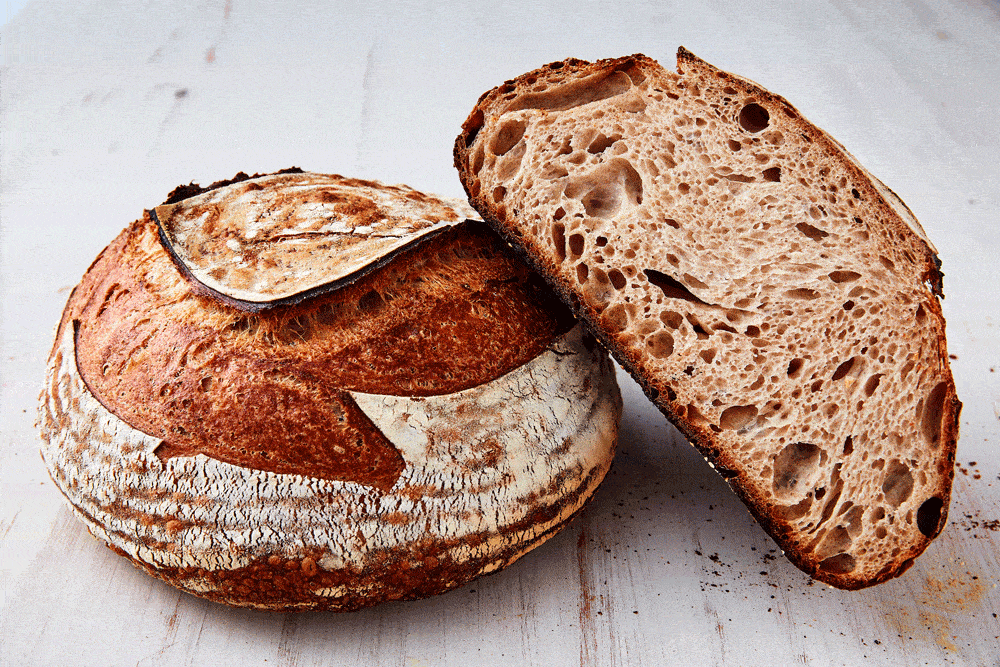
Sourdough bread is a labor of love — the long fermentation, the careful shaping, the wait for that perfect crust. So when you end up with more than you can eat in a few days, the last thing you want is to watch it go stale on the counter. Freezing is the smartest solution, and the good news is that sourdough handles it better than almost any other bread.
The wild yeast and lactic acid bacteria in sourdough create a structure that holds up well to freezing. Whether you baked a batch of homemade loaves or picked one up from your local bakery, the right freezing method keeps that tangy flavor and chewy crumb intact for weeks. This guide walks you through everything you need to know — from wrapping to thawing to spotting spoilage.
Can You Freeze Sourdough Bread?
One of the most common questions home bakers ask is whether you can freeze sourdough bread, and the answer is yes. With the right techniques, you can freeze and reheat your sourdough so it tastes just as fresh and delicious as the day it was baked.
Because sourdough is made from only flour, salt, and water — without dairy or eggs — it holds up extremely well in a frozen environment. That simple ingredient list means there are no fats or proteins that break down poorly under cold storage, which is one reason sourdough outperforms enriched breads in the freezer.
Freezing also makes practical sense for everyday American households. Freezing sourdough bread works great for those with small households that can’t finish a loaf in a few days. It’s also perfect for times when you want to get ahead on baking and have bread ready to go for a busy season of life.
Pro Tip: Freeze your loaf on the same day you bake it — or the day after — for the best results after thawing. Waiting until the bread is already stale defeats the purpose.
Does Freezing Change the Texture or Taste of Sourdough Bread?
The short answer is: not much, if you do it right. Freezing does not significantly change the taste of sourdough bread. If you cool the loaf completely, wrap it properly, and thaw it gently, the flavor and texture remain remarkably close to fresh.
Sourdough bread maintains superior texture and taste for up to 2–3 months in the freezer — that’s the sweet spot for bread that tastes pretty much like the day you baked it. The crust still crisps up beautifully, the crumb stays soft and chewy, and all those complex flavors are right where you left them.
Some bakers even report an improvement. Some people feel the taste improves slightly after freezing and refreshing in the oven. This may be because the oven refresh reactivates the crust in a way that mimics a fresh bake. That said, there will be some deterioration in texture after 2 months, and some people believe the taste actually improves after being frozen and then defrosted — though there is no actual evidence to suggest this is true.
The main risk is freezer burn, which happens when air reaches the bread. Temperature fluctuations are bread’s enemy — every time that temperature bounces around, ice crystals grow and shrink, damaging the texture. The more stable the environment, the better your bread maintains its quality.
How to Freeze Sourdough Bread the Right Way
You have two main options: freeze the whole loaf or freeze it pre-sliced. Each has its advantages depending on how you plan to use the bread.
Method 1: Freeze a Whole Loaf
Freezing a whole or half loaf of sourdough is superior to slicing before freezing. This method gives predictable results and thaws to a near-fresh loaf. It’s the better choice if you plan to serve the bread at a meal or want to refresh it in the oven.
- Cool completely. Let your freshly baked sourdough cool completely on a cooling rack first. This step is crucial — freezing warm bread creates ice crystals, which can ruin the inside of the bread. Allow at least 3–6 hours.
- Wrap tightly. After cooling completely, wrap the loaf tightly in plastic wrap, then add an extra layer of insulation with aluminum foil or a bread bag. Place the wrapped loaf in a ziplock bag, squeezing out as much air as possible.
- Label and date. Label your bags with the date and type of bread using a permanent marker. You’ll thank yourself later when mystery loaves start piling up.
- Store flat. Lay your wrapped loaf flat in the freezer rather than standing it on end. Once it has frozen solid, you can reposition it to save space.
Method 2: Freeze Pre-Sliced Bread
Sliced sourdough can also be frozen, and while it is quicker to thaw a slice than a whole loaf, the thawed quality is less — it is best used for toast, French toast, or grilled cheese. This method is ideal for single-person households or anyone who wants grab-and-go convenience.
- Cool the loaf completely, then slice with a serrated knife into ½-inch slices.
- Place the slices on a baking sheet lined with parchment paper, making sure they’re not touching. Place the baking sheet in the freezer for about 30 minutes, or until the slices are frozen. Once frozen, transfer the sourdough slices to a large freezer-safe ziplock bag or airtight container.
- Squeeze out as much air as possible, label the bag, and return it to the freezer.
Pro Tip: If you don’t have a vacuum sealer, use a straw to suck air out of the corner of the bag before sealing it. This gives you an almost vacuum-packed result and helps prevent freezer burn on your slices.
How Long Can You Freeze Sourdough Bread?
How long your sourdough lasts in the freezer depends on how it’s stored and how you plan to eat it. Here’s a practical breakdown:
| Form | Best Quality Window | Maximum Safe Freezer Time | Best Use After Window |
|---|---|---|---|
| Whole loaf | Up to 3 months | Up to 6 months | Oven-refreshed or toasted |
| Sliced bread | 1–2 months | Up to 3 months | Toast, French toast, sandwiches |
| Untoasted eating | Within 2 months | Up to 6 months | Repurpose in recipes |
While sourdough can last up to six months in the freezer, it’s best enjoyed within two months for optimal texture and flavor. If you plan to toast slices or use the bread in casseroles or croutons, freezing for up to six months is acceptable. If you prefer to eat the bread untoasted and want the crust to be as crisp as possible, aim to use it within two months.
Whole loaves generally last longer in the freezer than sliced bread. Those cut edges on sliced bread are more vulnerable to moisture loss and freezer burn. Whole loaves consistently maintain quality for closer to the 3-month mark, while sliced bread starts showing its age closer to 4–6 weeks.
How to Thaw Frozen Sourdough Bread
Thawing sourdough the right way makes a bigger difference than most people expect. Rush it, and you end up with a gummy crumb or a tough crust. Take your time, and the bread comes back to life almost like it was freshly baked.
Thawing a Whole Loaf
Remove your loaf from the freezer and let it thaw at room temperature while still wrapped — this takes about 3 hours at room temperature or 12 hours overnight. Keep the bread wrapped during thawing to trap moisture and prevent drying.
Once thawed, you can eat it as-is or refresh it in the oven for a crust that snaps. Preheat the oven to 450°F. Unwrap the loaf and quickly run it under water — it shouldn’t be drenched, but the water should coat the entire loaf. This helps restore moisture to the bread and crisp up the outside crust again.
Thawing Individual Slices
You can leave slices of frozen sourdough bread out at room temperature for about 10 minutes, and they should then be ready to eat. Because the defrosting time for slices is so quick, the bread remains fresh in both flavor and texture by the time it is ready to eat.
For toast, you don’t even need to thaw first. Remove individual slices from the freezer and add them to your toaster or toaster oven. Toast for a couple of minutes or until golden brown.
Important Note: Avoid microwaving sourdough to thaw it. Microwaving bread is rarely the best method and can make the inside of the bread gummy. The oven or toaster always gives better results.
Can You Refreeze Sourdough Bread After Thawing?
This is one of the most common questions — and the answer is a firm no. Do not refreeze thawed bread. Each freeze-thaw cycle causes quality loss. Instead, freeze in portions small enough that you can thaw just what you need.
Refreezing thawed bread is a quality issue — every time you freeze and thaw, more ice crystals form and break down the bread’s structure. Freeze once, thaw once, that’s it.
The practical fix is simple: portion before you freeze. Slicing bread in half before freezing means you can thaw as much or as little as you need. If you want even more flexibility, freeze individual slices so you can pull out exactly what you need without ever touching the rest of the loaf.
How to Use Frozen Sourdough Bread (Best Uses After Freezing)
Properly thawed sourdough is versatile. If you froze it within the first 2 months, you can use it just like fresh bread. If it’s been longer, lean toward recipes where texture matters less.
- Toast and avocado toast — Frozen slices go straight from freezer to toaster. For sliced bread, the toaster is your best friend. Frozen slices actually toast up more evenly sometimes than fresh bread.
- Sandwiches and grilled cheese — Thaw slices at room temperature for 10 minutes, then build your sandwich. A light toast gives the structure needed for heartier fillings.
- French toast — Stale bread is actually the ideal way to make certain recipes because it will soak up liquid and flavor without getting soggy. Sourdough French toast is a weekend breakfast staple across the US.
- Croutons — Diced slices roasted in the oven with olive oil and garlic make excellent croutons. These are great on salads or soups.
- Bread pudding and stuffing — After two months, the loaf may dry out slightly but is still excellent when toasted or used in recipes like stuffing or bread pudding.
- Breadcrumbs — Older frozen bread is fine for the toaster or making sourdough croutons. You could even turn it into sourdough bread crumbs.
If you’re looking to explore more ways sourdough fits into a nutritious diet, it pairs well with many whole plant-based foods for a balanced meal. You can also check out how certain foods support healthy skin — sourdough’s fermentation process contributes to gut health, which plays a role in skin clarity.
Signs That Frozen Sourdough Bread Has Gone Bad
Sourdough is naturally more resistant to spoilage than commercial bread. Sourdough bread typically remains fresh for 3 to 5 days when stored at room temperature. Its natural acidity from lactic acid bacteria helps inhibit mold growth, allowing it to last longer than many other breads. In the freezer, that advantage carries over — but it doesn’t last forever.
Watch for these warning signs before eating frozen or thawed sourdough:
- Visible mold. Visible mold, which can be white, green, black, or even pink, often appears as fuzzy spots on the crust or interior. If you see mold, it’s safest to discard the entire loaf, as mold can penetrate deeper than it appears.
- Off smell. A strong, unpleasant odor, different from the typical tangy scent of sourdough, may indicate spoilage.
- Unusual texture. If the bread feels excessively dry, hard, or conversely, overly moist and mushy, it may be past its prime.
- Freezer burn. Check for excessive ice crystals or any signs of freezer burn — whitish spots or dry patches. Freezer-burned bread is safe to eat but will taste flat and cardboard-like. Use it for croutons or breadcrumbs rather than eating it plain.
- Off taste. A bitter or off taste suggests the bread is no longer good to eat. Your taste buds are a reliable final check.
Important Note: Never cut off a moldy section and eat the rest. Once you see any type of mold growth, it is best to throw the entire loaf away. You should not simply discard moldy slices — if there are mold spores on one slice or one area, that means there is mold on the entire loaf.
Sourdough’s natural acidity gives it a longer life than most breads, but proper storage is still what keeps it safe. Pair good freezing habits with an understanding of heart-healthy foods and cancer-fighting nutrients to get the most out of a whole-food diet that includes quality fermented bread.
Frequently Asked Questions
Can You Freeze Store-Bought Sourdough Bread?
Yes. The same rules apply to bakery or store-bought sourdough as to homemade. Sourdough bread freezes exceptionally well due to its natural fermentation process. When properly wrapped and stored, frozen sourdough can maintain its texture and flavor for up to 3 months, making it an excellent way to preserve homemade or bakery-bought loaves. Just make sure the bread has cooled before you wrap and freeze it.
Should You Freeze Sourdough Bread Before or After Slicing?
This depends on how you plan to use it. Pre-slicing before freezing allows you to take out only what you need, which is ideal for daily toast or sandwiches. However, keeping loaves whole generally preserves quality better and is recommended if you want to serve the entire loaf at once, as it better maintains crust integrity.
Does Sourdough Bread Freeze Better Than Regular Bread?
Sourdough bread freezes exceptionally well, and when done properly, it can taste just like freshly baked bread. The natural fermentation process creates a sturdy gluten structure that holds up beautifully during freezing. Regular sandwich bread, by contrast, tends to become gummy or fall apart more easily after a freeze-thaw cycle.
Can You Freeze Sourdough Bread Dough?
Yes — and some bakers prefer it. You can freeze the dough at any stage along the way, thaw, and restart the process at a later date. For best results, freeze after the bulk rise and shaping. Frozen sourdough dough can last up to a month in the freezer. This method lets you bake a fresh loaf on demand without starting from scratch.
Is It Safe to Eat Sourdough That Has Been Frozen for a Long Time?
Technically, you can eat bread that has been frozen for years. However, it probably will not taste the best. Extended freezer time can lead to freezer burn. When freezer burn forms, the taste of sourdough bread will not be pleasant — the freezer-burned bread will be somewhat tasteless, and the texture will also be off. For the best experience, stick to the 2–3 month window.
What’s the Best Way to Revive Frozen Sourdough?
The oven method wins every time. To revive sourdough after freezing, thaw at room temperature, mist lightly with water, and heat in a hot oven so the crust crisps and the crumb softens. For slices, the toaster achieves the same result in minutes. Avoid the microwave — it heats unevenly and softens the crust instead of crisping it.
Sourdough is one of the most freezer-friendly breads you can make or buy. With the right wrapping, a stable freezer spot, and a little patience when thawing, you’ll always have a quality loaf ready to go. For more food storage ideas and nutrition guidance, explore our guides on healing foods and foods that support liver function — because what you eat matters just as much as how you store it.