Why Is Your Rubber Plant Losing Leaves? Causes, Fixes, and Prevention Tips

September 10, 2026
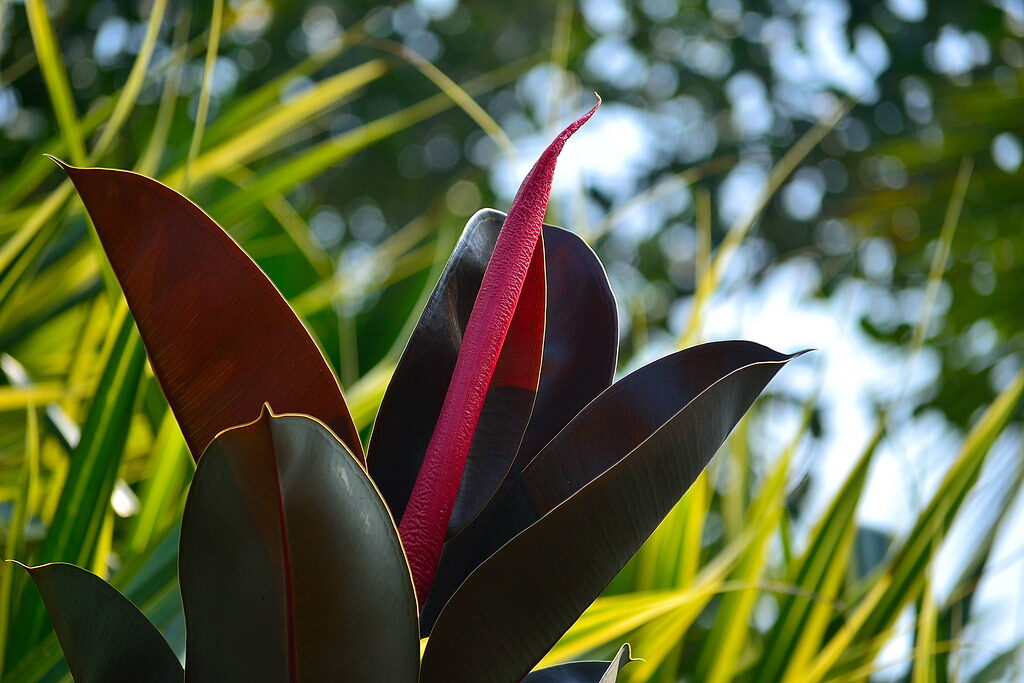
Few things are more disheartening than watching a rubber plant shed its gorgeous, glossy leaves one by one. Rubber plants are beautiful houseplants that can live for decades with proper care. Native to parts of Southeast Asia, their broad, shiny, distinctive oval leaves have set them apart from other houseplants since the Victorian era. So when those leaves start dropping, it feels urgent — and it should.
Being a naturally tropical plant, rubber plants can be sensitive to changes in water, temperature, soil conditions, and sunlight. If any of these aspects are out of balance, your rubber plant might be inclined to drop leaves as a means of staying alive. Unfortunately, if the underlying problem is not solved, that tactic will not be effective for long.
This guide walks you through every major cause of leaf drop in rubber plants, how to diagnose which one is affecting yours, and exactly what to do about it. Whether you have a classic dark-leafed variety or a variegated cultivar, the advice here applies. You can also check out this overview of different types of rubber plants to learn more about the specific variety you are growing.
What Does It Mean When Your Rubber Plant Is Losing Leaves?
Rubber trees are part of the Ficus genus, and ficuses have a bit of a reputation for dropping their leaves all too readily. It is a defense mechanism that the plants have developed to deal with adverse conditions. So if you are seeing foliage falling, it is a cry for help.
It is not always possible to prevent foliage drop, since it is an evolutionary tactic that these plants have developed in response to stress, but if you see foliage starting to fall, quick action can save your tree from ending up looking like a bunch of naked stalks.
The main causes why your rubber plant might be losing leaves are overwatering, insufficient light, change in environment, and pests. Rubber plants may also lose some leaves due to natural ageing, so it is important to know the difference so you can adjust your care accordingly. The good news is that once you identify the cause, most cases are very fixable.
Is Losing Leaves in a Rubber Plant Always a Sign of a Problem?
Not always. Bottom leaves of a rubber tree may drop as it grows older. This is completely normal — as the plant matures and puts energy into new growth at the top, it naturally sheds older foliage near the base. A few leaves dropping from the lower stem over the course of a season is nothing to worry about.
A common reason for a rubber plant losing leaves is a change in the light. Many times, this will happen when you bring your rubber tree plant in from outdoors, and this change can cause a total drop of the rubber tree leaves. A few rubber tree leaves may fall off the plant with the change from summer to fall, when light levels change.
The key distinction is pattern and pace. Losing one or two lower leaves over several weeks is likely natural aging or a minor adjustment. Losing multiple leaves rapidly — especially from the middle or upper portions of the plant — signals a real problem that needs your attention. Check the rubber tree houseplant care guide for a helpful baseline on what healthy growth looks like.
Pro Tip: Always look at the fallen leaves, not just the bare stem. The condition of the leaf — yellowed and mushy, crispy and dry, or curled — tells you a great deal about the underlying cause.
Watering Issues Causing Rubber Plant Leaf Loss
Watering is the single most common reason rubber plants drop leaves, and the tricky part is that both too much and too little water can cause the same symptom. A rubber plant will drop its leaves when overwatered. Most people think that leaves will drop due to under-watering, but it is often due to overwatering, especially if plants are drought-resistant like the rubber plant.
Giving them too much water too often is one of the main killers of rubber plants as the impact can be pretty quick. Rubber plants absolutely hate sitting in water as this can easily lead to root rot, meaning the plant becomes unstable and also cannot get needed nutrients from its root system.
Overwatering will cause the leaves to turn yellow or brown and perhaps mushy before falling off. On the other side of the equation, rubber plants come from a tropical place where water is plentiful, and because of this, they have a pretty low tolerance for drought. Leaves will begin to wilt and subsequently drop if you forget to water them for even a few days.
Do not water by a schedule or based on experience with other plants: feel the topsoil with your finger. Do not water until the top inch is dry, and then douse the soil thoroughly until water runs through the drainage holes. Make sure the pot has good drainage, and do not let water collect in a bottom cache. An oversized pot can keep the soil wet for too long.
Seasonality matters too. In the spring and summer (growth period) your plant will require water about every 7 days. However, in winter (dormant period) about once a month is enough, so make sure that you cut back on the frequency of watering.
Key Insight: If you are unsure whether to water, wait another day. Rubber plants are more forgiving of slight underwatering than of sitting in wet soil.
Light Conditions Behind Rubber Plant Leaf Loss
According to plant expert Emilly Fernandes, a California-based consultant at House Grail, a change in lighting is the most common reason rubber plants drop leaves. This happens most often when the plant is brought inside if it was previously outside.
Rubber plants are a type of ficus, and ficus trees like plenty of bright light. If your plant is used to a bright spot and suddenly finds itself in a dark corner, it may start dropping its leaves. Equally, a rubber tree placed in bright, direct afternoon sun or more than a few hours of morning sun will typically react by dropping leaves. This type of light is far too strong unless the plant has been slowly and gradually introduced to the brighter exposure.
Too little light will see the leaves stretching out towards the light source, forcing the lower leaves to get less light and drop off. The sweet spot is bright, indirect light — near a window with a sheer curtain is ideal for most US homes. If your space is naturally dim, explore the best houseplants for low-light areas to see whether a rubber plant is the right fit, or consider supplementing with a grow light.
It can be quite hard to determine what the quality of light is like, as our eyes are extremely adaptable. You might look at a spot next to a window and think it looks perfectly bright. But it might actually be shaded by a tree and fail to let in as much sun as the plant needs. The best way to check light is to use a meter.
Soil, Nutrients, and Root Health Causing Rubber Plant Leaf Loss
The health of what is happening underground directly affects what you see above it. As the rubber plant grows, its roots may get cramped in the pot. This can also turn bottom leaves yellow and cause them to drop. It is essential to repot the plant periodically into the next size.
Fertilizer is another area where good intentions can backfire. One way rubber tree owners over-care for their plant is by fertilizing too often, which causes a rubber plant to lose leaves. Rubber tree plants only need to be fertilized once in a while. They need very little feeding. You may give slow-release or half-strength liquid houseplant fertilizer when the plant is actively growing. Rubber plants seldom bloom indoors, so nitrogen, which provides food for foliage growth, is the probable need; shortages of potash lead to necrotic leaf edges and leaf drop at the bottom of the plant.
Salt buildup from fertilizers is a sneaky culprit. Sometimes the salts of residue fertilizers build up and toxify the soil. If you have ruled out other causes of leaf drop, it might be a good idea to flush the soil. Put the plant in a location where it can drain freely, and water it from the top. Make sure a substantial amount of excess water comes through the drain holes. Let the pot fully drain and perhaps do it a second time. Wait until the top two inches of soil dries out before rewatering. A yearly flush is a good horticultural practice.
Root rot is the most serious soil-related threat. Root rot can be caused by watering so much that you simply deprive the roots of oxygen, and they start to turn soggy and brown as they rot away. It can also involve the fungus Rigidoporus microporus. Root rot generally causes the foliage to lose color and turn soft before they drop off the plant. You will often see browning at the edges in the early stages.
Environmental Stress Triggering Rubber Plant Leaf Loss
Rubber plants are creatures of habit. Any sudden shift in their environment — a new room, a new season, a new home — can trigger leaf drop even when your care routine is otherwise perfect.
Rubber trees will drop their leaves when you alter their environment dramatically without a transition period. If you want to move your plant from one end of your house to another, you should do it over a period of a few days. This gives the plant some time to adjust to the shift in light and temperature. If you lose some foliage during the move, it is totally normal, and the plant will grow back once it settles into its new home.
Temperature plays a big role as well. As a formerly tropical plant, rubber trees require pretty ideal temperature conditions in order to thrive. They just need to be moved inside when the outside temperature reaches 50 degrees Fahrenheit. A healthy rubber plant should be kept at a steady temperature of between 65 and 80 degrees Fahrenheit.
Rubber tree plants are susceptible to cold air and, while your home may be the right temperature, cold drafts from windows or doors may be hitting the plant and causing the rubber tree leaves to fall off. Move the plant away from any draft windows or doors that may be letting cold air in when they open. You also need to be cautious during summer about streams of cold air coming from air conditioning units. While it might be a nice break from the heat for you, the constant flow of cold air can be quite damaging to your plant.
Humidity is the other environmental factor most US homeowners overlook. Since rubber plants need higher humidity, if your house does not have enough, it will cause leaves to fall because they are drying out. This most frequently happens during the winter. Rubber plants placed next to radiators are especially at risk, although rooms that regularly use dehumidifiers may also be unsuitable for these plants.
Important Note: Central heating in US homes during fall and winter can drop indoor humidity significantly. A small humidifier placed near your rubber plant can prevent leaf drop during the heating season without any changes to your watering routine.
Pests and Disease Leading to Rubber Plant Leaf Loss
Damage from pests can cause leaf damage and loss. Though a healthy rubber plant is fairly resistant to disease and infestations, it can fall prey to aphids, mealybugs, and spider mites. Their main susceptibility, however, is to scale.
Adult scale insects have round shells 1/8th to 1/16th inches wide and come in tan, brown, gray, or white depending upon the species. They colonize the underside of leaves and young stems, often clustering around veins. The sticky honeydew they secrete can make leaves shiny and gummy. An attack of scale causes a loss of plant vigor, yellow leaves, and eventual leaf dropping. These tiny pests blend into the background as legless bumps, so they are easy to miss in the early stages.
Leaf drop that is not contributed by the environment or care can be from insect feeding like thrips, spider mites, and mealybugs. Be sure to thoroughly inspect your plant if you have ruled out that the environment and care is adequate, and treat accordingly.
For treatment, 70% isopropyl alcohol is a quick treatment. Horticultural oils and insecticidal soap work too; pyrethrin is especially effective. Examine the undersides of leaves for signs of pests and treat them promptly with insecticidal soap or neem oil. You may need to reapply every few weeks to fully clear an infestation. If you are struggling to identify what you are dealing with, a plant identification app can sometimes help you match pest damage to a known culprit. Android users can find similar tools in this roundup of Android plant identification apps.
On the disease side, root rot is the primary concern. Dealing with root rot involves removing the rubber tree from its pot and removing all the soil from around the roots. Spray the roots with copper fungicide and wipe out the pot with soapy water. Make sure that the drainage holes are open and not clogged up. Place the plant back in the pot and refill with fresh, new potting soil.
How to Diagnose Why Your Rubber Plant Is Losing Leaves
Good diagnosis starts with the leaves themselves. The type of leaf damage can indicate the problem. Yellowed, mushy leaves signal overwatering; crispy foliage points to underwatering. Pests can cause distorted or curled leaves. Other reasons may be low light, cold shock, or acclimatization to new conditions.
Work through this checklist systematically:
- Check the soil moisture. Push your finger two inches into the soil. Wet and compacted = overwatering. Bone dry = underwatering.
- Inspect the leaves closely. Look at both the top and underside for bumps, webbing, sticky residue, or tiny moving dots that indicate pests.
- Assess the light. Has the plant moved recently? Is it near a window that gets direct afternoon sun, or is it in a dim hallway? Use a light meter if unsure.
- Check for drafts and temperature extremes. Hold your hand near windows, AC vents, and exterior doors. Feel for cold airflow reaching your plant.
- Look at the roots. If you suspect root rot, gently unpot the plant and check whether roots are brown and mushy rather than white and firm.
- Review your fertilizing history. Have you been feeding more than once a month during the growing season? Excess fertilizer can cause leaf drop.
- Consider recent changes. Did you repot, move, or bring the plant indoors recently? Even a well-cared-for rubber plant may shed a few leaves after a transition.
If you find that your rubber plant is losing leaves from the bottom up, then it may be a problem with the roots that is causing the issue. The most common one is overwatering. Leaves dropping from the top or middle of the plant more often point to light, temperature, or pest issues.
| Symptom | Most Likely Cause | Quick Check |
|---|---|---|
| Yellow, mushy leaves dropping | Overwatering / root rot | Check soil moisture and root color |
| Crispy, dry leaves dropping | Underwatering or low humidity | Check soil dryness and indoor humidity |
| Curled leaves dropping | Pests, low light, or temperature stress | Inspect leaf undersides; check for drafts |
| Bottom-up leaf loss | Root problems or natural aging | Unpot and inspect roots |
| Sudden mass drop after a move | Environmental shock / acclimation | Stabilize location and wait 2–3 weeks |
| Sticky or shiny leaves dropping | Scale insect infestation | Look for tiny bumps on stems and leaf undersides |
How to Fix a Rubber Plant That Is Losing Leaves
Once you have identified the cause, here is how to address each one directly.
Overwatering: Check the moisture of the soil immediately and adjust watering accordingly. Replace the potting soil straight away rather than waiting for it to naturally dry out so that the roots can begin to recover and resume healthy growth.
Underwatering: If the leaves look and feel thin, chances are the soil will be bone dry and the roots stressed from searching for water. Soak the potted plant in a bowl of water for around 15 minutes. This will give the plant a chance to rehydrate. Allow it to drain thoroughly before returning it to its position.
Root rot: Dealing with root rot involves removing the rubber tree from its pot and removing all the soil from around the roots. Trim away any blackened or mushy roots with sterilized scissors, treat with copper fungicide, and repot into fresh, well-draining soil.
Light problems: Acclimating the plant slowly when you bring it indoors and shining a few plant lights on the rubber tree will help keep the light levels up and keep the rubber plant from losing leaves. Move the plant gradually — a few feet per day — rather than relocating it all at once.
Temperature and drafts: Outdoor rubber plants can be acclimated to indoor life through a multistep process. The trick is to bring their pot or container inside at night while bringing it outside during the warmer daylight hours. This should get it ready for its new life as an actual houseplant.
Low humidity: If you are struggling to find the time to mist your plant, it might be worthwhile to buy a humidifier. They will keep a nice stable humidity level for your rubber plant and will help to avoid brown tips as well as stop your plant from losing any more leaves. Alternatively, you can place your rubber plant on a tray of pebbles filled with water.
Pest infestation: Isolate the plant from your other houseplants immediately. Wipe down each leaf with 70% isopropyl alcohol on a cotton pad, then follow up with neem oil or insecticidal soap. You may have to respray every few weeks to be rid of them entirely. If you have cats that like to investigate your plants, this guide on keeping cats out of houseplants can help you protect both your rubber plant and your pets.
Fertilizer overload: Put the plant in a location where it can drain freely and water it from the top. Make sure a substantial amount of excess water comes through the drain holes. Let the pot fully drain and perhaps do it a second time. Wait until the top two inches of soil dries out before rewatering. Then reduce fertilizing to once a month at most during the active growing season.
One important thing to keep in mind: rubber plants will not grow new leaves where previous ones have dropped. Instead, the right growing conditions and optimal care will encourage new growth at the top of your rubber plant. However, it is possible for your rubber plant to grow a new branch from a leaf node where leaves have dropped.
How to Prevent Rubber Plant Leaf Loss Going Forward
Prevention is much easier than recovery. Building a few simple habits into your routine will keep your rubber plant stable and thriving for years.
- Water by feel, not schedule. Rubber plants have a high tolerance for drought, but they should not be treated like succulents. Their leaves droop when underwatered; however, leaf loss is more likely in a plant that has been watered too much. The key to keeping a healthy rubber plant in a container is to let them dry out slightly between waterings.
- Maintain a stable spot. Rubber plants prefer temperatures between 60–80°F (15–27°C). Sudden temperature changes or exposure to drafts can cause stress leading to leaf drop. Keep your plant in a stable environment, away from drafts and heaters.
- Give it bright, indirect light. Too much direct sunlight can scorch the leaves. Ensure your rubber plant is in a location where it receives plenty of indirect sunlight, ideally near a window with filtered light.
- Inspect leaves regularly. Get into the habit of regularly examining your plant, especially under its leaves, so you can catch pest problems before they escalate.
- Wipe the leaves. Regularly wiping the leaves clean with a damp, soft cloth will also help the plant photosynthesize efficiently so any stored energy can aid healthy new growth.
- Repot when rootbound. Check the drainage holes annually. If roots are circling the bottom or poking out, move up one pot size to give the root system room to breathe.
- Transition gradually. Whether moving the plant to a new room, bringing it in from outdoors, or repotting, make changes slowly. Move your plant over a period of a few days. This gives the plant some time to adjust to the shift in light and temperature.
For more inspiration on building a thriving indoor plant collection alongside your rubber plant, browse the full guide to types of plants or explore types of spider plants for another low-maintenance option. You might also find Smart Garden Guide’s rubber plant resource and Gardener’s Path’s leaf-drop guide useful for deeper reading.
Pro Tip: The single best thing you can do for a rubber plant’s long-term health is to choose the right spot from the start — bright indirect light, stable temperature, away from vents and drafts — and then leave it there. Rubber plants thrive on consistency.
FAQ
Why is my rubber plant suddenly dropping a lot of leaves?
A sudden, rapid leaf drop almost always points to a significant environmental change or a watering problem. Being a naturally tropical plant, rubber plants can be sensitive to changes in water, temperature, soil conditions, and sunlight. If any of these aspects are out of balance, your rubber plant might be inclined to drop leaves as a means of staying alive. Check whether you recently moved the plant, changed your watering frequency, or whether the seasons shifted the light or temperature in your home.
Should I be worried if only the bottom leaves are falling?
Not necessarily. If you find that your rubber plant is losing leaves from the bottom up, then it may be a problem with the roots that is causing the issue. However, a few lower leaves dropping on a mature plant is also a normal part of aging. If the upper and middle leaves are healthy and the plant is otherwise growing well, it is likely just natural shedding.
Can a rubber plant recover after losing many leaves?
Yes, in most cases. Remember that rubber plants are resilient and will usually bounce back from most problems with a bit of care. Once the correct conditions have been met, leave them be, and they will flourish. Recovery takes patience — expect new growth to appear at the top of the plant, not from bare spots lower down.
How often should I water my rubber plant?
In the spring and summer your plant will require water about every 7 days. However, in winter about once a month is enough, so make sure that you cut back on the frequency of watering. Always verify by feeling the soil rather than following a rigid schedule.
What is the best humidity level for a rubber plant?
Rubber plants originally come from humid habitats, but they do well with less air moisture if other conditions are met. They may lose their lower leaves a little faster if the air is dry, but average indoor humidity does not unusually trigger significant shedding. If you live in a particularly dry climate or run central heat all winter, boosting humidity with a humidifier or pebble tray is a smart precaution.
Are rubber plants toxic to pets?
Yes. The milky sap inside rubber plant leaves and stems is toxic to dogs and cats if ingested. If you share your home with pets, keep your rubber plant out of reach. You can find more strategies in this guide to plants that repel cats and this resource on keeping cats out of houseplants.
Will leaves grow back where they fell off?
Rubber plants will not grow new leaves where previous ones have dropped. Instead, the right growing conditions and optimal care will encourage new growth at the top of your rubber plant. However, it is possible for your rubber plant to grow a new branch from a leaf node where leaves have dropped.