Can You Freeze 2 Ingredient Dough? Everything You Need to Know

October 25, 2026
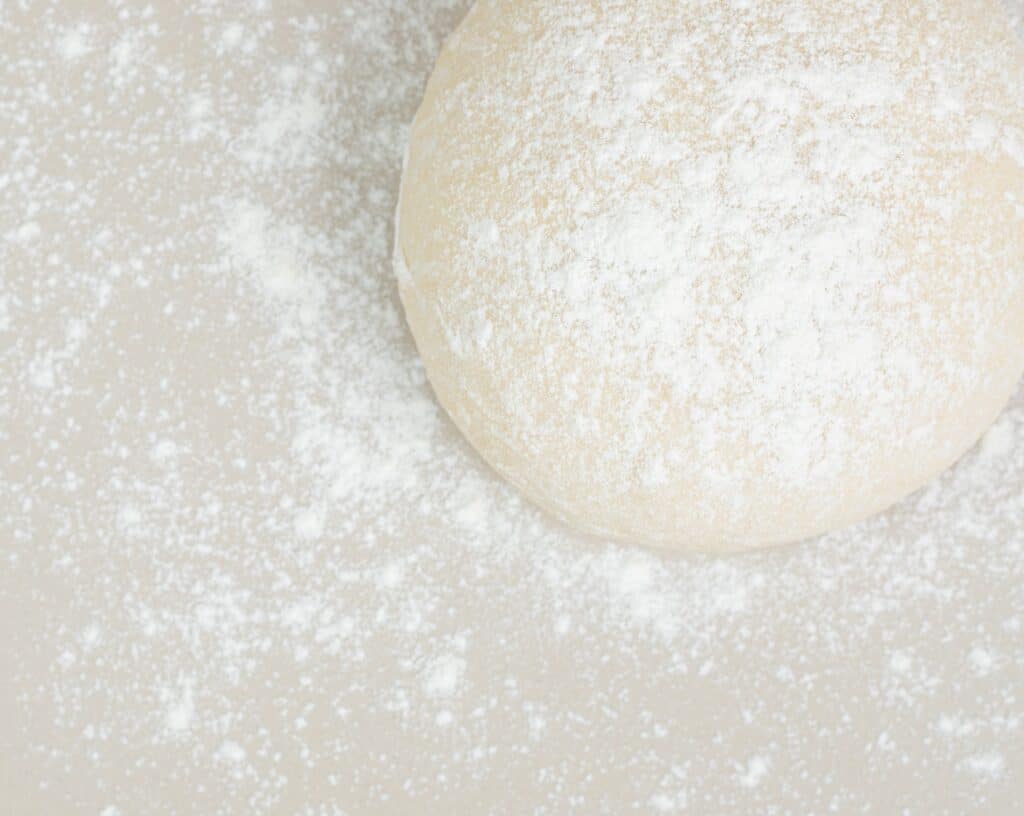
Two ingredient dough — made with just self-rising flour and plain Greek yogurt — is one of the most convenient doughs you can keep on hand. It comes together in minutes, requires no yeast, and no rise time. But what happens when you make a big batch and can’t use it all at once?
Freezing is a practical solution, and the good news is that this dough is freezer-friendly and can be used to make a wide variety of foods. That said, the method you use to freeze it matters more than you might expect. Done right, frozen 2 ingredient dough can save you time on busy weeknights. Done wrong, you end up with a sticky, unusable mess.
This guide walks you through everything — from how freezing affects the texture, to step-by-step freezing instructions, storage times, thawing methods, and how to tell when your frozen dough has gone bad.
Can You Freeze 2 Ingredient Dough?
Yes, you can freeze 2 ingredient dough, though there are a few important caveats worth knowing before you toss a ball of it in the freezer. You can most definitely freeze the dough — but don’t freeze it as a big ball. Freezing it in one large portion means you’ll have to wait for the entire thing to thaw before you can use any of it, which defeats the purpose of having a convenient shortcut.
The smarter approach is to portion and shape the dough before freezing. Form the dough into a ball, wrap it in cling wrap before freezing, and when it’s time to use it, allow it to defrost before kneading for a minute, then roll out into your desired shape. Alternatively, you can roll the dough out into flat bases — like pizza crusts — and stack them with parchment paper between each layer before sealing in a freezer bag.
Pro Tip: If you regularly use this dough for pizza, roll it out into individual-sized bases before freezing. You can pull out exactly what you need without thawing the whole batch.
One source does caution that freezing this particular dough isn’t always ideal. Leftover dough should be wrapped in parchment paper and stored in an airtight container in the fridge for a maximum of 4 hours, as any longer and it will become too sticky — and freezing is not recommended by some cooks. This perspective is worth considering if your yogurt brand releases a lot of moisture. In practice, many home cooks freeze 2 ingredient dough successfully by portioning it well and wrapping it tightly.
Does Freezing Change the Texture or Taste of 2 Ingredient Dough?
Freezing does affect 2 ingredient dough, but the degree of change depends largely on how well you wrap and store it. The yogurt in the dough contains moisture, and when that moisture freezes and then thaws, it can make the dough slightly stickier than it was fresh. You may need to knead in a small amount of extra flour after thawing to bring it back to a workable consistency.
On the flavor side, the only complaint many people have about 2 ingredient dough is that it tastes “sour.” This is a characteristic of the Greek yogurt itself, not a result of freezing. Freezing doesn’t make that flavor worse — in fact, baking the dough at a high temperature tends to mellow it out. If you notice a stronger tang after thawing, simply add a pinch of garlic powder, Italian seasoning, or cinnamon (depending on what you’re making) to balance it.
From a structural standpoint, research published in the National Institutes of Health notes that repeated freeze-thaw cycles can lead to decreased bread volume, increased firmness, and flavor loss, mainly because ice crystal formation and water migration disrupt the gluten network. Since 2 ingredient dough is a simple, unleavened dough with no yeast to worry about, the primary concern is moisture management rather than gluten degradation. Wrapping it tightly is the single most important step.
Wrapping the dough tightly in plastic wrap or sealing it in an airtight container prevents moisture loss and protects it from freezer burn, which can alter its taste and texture.
How to Freeze 2 Ingredient Dough the Right Way
Getting the freeze right comes down to three things: portioning, wrapping, and labeling. Follow these steps and your dough will come out of the freezer ready to use with minimal fuss.
- Make and knead your dough as usual. Mix your self-rising flour and plain Greek yogurt until a soft dough forms. Knead on a lightly floured surface until smooth. The dough should be tacky, not sticky. If it clings to your hands, add a small amount of extra flour.
- Divide into individual portions. Decide how you’ll use the dough later — pizza bases, bagels, flatbreads — and divide accordingly. Smaller portions thaw faster and give you more flexibility.
- Shape or pre-roll if possible. Stack rolled-out bases on top of each other with baking paper between them, then wrap and pop the ready-to-go bases in a freezer bag or freezer-proof container. This method is especially convenient for pizza nights.
- Wrap each portion tightly. Wrap the dough completely in plastic wrap and put it in a freezer-safe bag or container. Double-wrapping is worth the extra few seconds — it keeps freezer burn away.
- Label with the date. Write the date on the bag with a marker. Frozen dough all looks the same after a few weeks, and you’ll want to know how long it’s been in there.
- Freeze immediately. Don’t let the wrapped dough sit at room temperature. If you are using perishable ingredients like dairy, freezing them promptly after preparation is important to avoid bacterial growth.
Pro Tip: If you’re making a large batch, divide the dough into individual portions, wrap each separately in cling wrap, then freeze. This way you can grab one portion at a time without disturbing the rest.
How Long Can You Freeze 2 Ingredient Dough?
When properly wrapped and stored, rolled-out bases will sit happily in the freezer for 3 to 4 months. This aligns with general guidance for homemade doughs — homemade dough can be frozen for up to 3 months when properly wrapped and stored in a freezer-safe container or freezer bag.
For best quality, aim to use your frozen 2 ingredient dough within 1 to 3 months. Beyond that, the dough is technically still safe if it hasn’t been contaminated or developed freezer burn, but the texture may begin to degrade and the yogurt-based moisture can cause it to become increasingly sticky upon thawing.
| Storage Method | Estimated Shelf Life | Notes |
|---|---|---|
| Room temperature | Use immediately | Do not leave raw dough out; bake right away |
| Refrigerator | Up to 2 days | Wrap tightly; re-knead before using |
| Freezer (raw dough ball) | Up to 3 months | Wrap tightly in plastic + freezer bag |
| Freezer (pre-rolled bases) | 3 to 4 months | Layer with parchment; seal in freezer bag |
| Freezer (baked goods from this dough) | Up to 3 months | Cool completely before freezing |
If you’ve already baked something with your 2 ingredient dough — bagels, pizza, flatbread — those baked items can also go in the freezer. You can keep baked goods from this dough for up to 4 days in the fridge, or freeze them for longer storage. Baked items often hold up better in the freezer than raw dough because the structure is already set.
How to Thaw Frozen 2 Ingredient Dough
Thawing 2 ingredient dough correctly is just as important as freezing it correctly. Rushing the process can lead to uneven thawing, excess moisture on the outside, and a dough that’s nearly impossible to work with.
The most reliable method is to thaw it in the fridge for 12 hours before trying to use it. This slow, cold thaw keeps the yogurt-based dough at a safe temperature while allowing the moisture to redistribute evenly throughout.
If you pre-rolled your dough into pizza bases or flatbreads, thawing is even easier. To thaw, simply remove and leave on the bench top for around 5 minutes. Thin, flat portions thaw quickly at room temperature because there’s minimal thickness for the cold to work through.
- Overnight fridge thaw (recommended): Transfer the wrapped dough from freezer to fridge the night before you plan to use it. Pull it out 30 minutes before baking to let it come to room temperature.
- Room temperature thaw: For pre-rolled bases, 5 to 10 minutes on the counter is usually enough. For a full dough ball, allow 1 to 2 hours at room temperature.
- After thawing, re-knead briefly: When it is time to use the dough, allow it to defrost before kneading for a minute. This restores some elasticity and helps work out any sticky patches. Add a light dusting of flour if needed.
Pro Tip: Remove the dough from the fridge 2 hours before using, and re-knead on a floured surface to soften and warm up the dough. This step makes a noticeable difference in how the dough handles when you roll or shape it.
Can You Refreeze 2 Ingredient Dough After Thawing?
Refreezing 2 ingredient dough after it has already been thawed is not a good idea. Because the dough contains Greek yogurt — a dairy product — the freeze-thaw-refreeze cycle creates food safety concerns and significantly degrades quality.
If the dough has been exposed to air and shows signs of drying out or has developed crusty edges, refreezing should be avoided. Dry spots in the dough can lead to uneven baking and unsatisfactory texture in the final product.
Beyond texture, there’s also a safety dimension. If you are using perishable ingredients like dairy or eggs, freezing them promptly after preparation is important to avoid bacterial growth. Each time you thaw the dough, bacteria that were dormant in the freezer become active again. Refreezing doesn’t kill those bacteria — it just pauses them again, allowing populations to build up over repeated cycles.
The practical solution is to freeze in single-use portions from the start. That way, you only thaw exactly what you need and there’s no temptation to refreeze leftovers. If you thaw a portion and end up with extra, use it to make a small batch of flatbread or breadsticks rather than putting it back in the freezer.
How to Use Frozen 2 Ingredient Dough (Best Uses After Freezing)
One of the best things about this dough is how versatile it is after freezing. Pretty much anything that has a crust or is typically made from bread can be made with this dough. Here are the most popular and practical uses for your frozen stash:
- Pizza bases: The most common use. The texture of the crust is chewy and elastic just like traditional pizza dough, and it’s very versatile. Thaw, top, and bake at 400°F for 10 to 12 minutes until golden.
- Bagels: The dough is made from flour and yogurt and can be used to make everything from bagels to cinnamon rolls. Shape into rounds after thawing, boil briefly if you want a traditional chew, then bake.
- Flatbreads and pita-style bread: Roll thin and cook in a hot skillet or bake for a quick side to soups, stews, or dips.
- Breadsticks: Roll into ropes, brush with olive oil and garlic, and bake until golden. Great alongside pasta dishes.
- Donuts and sweet treats: For donuts or any type of dessert, add vanilla, cinnamon, or other similar flavors to the thawed dough before shaping and frying or baking.
- Air fryer creations: Bake the pizza dough for 3 or 4 minutes at 400°F in the air fryer, add sauce and toppings, then bake for an additional 5 to 7 minutes.
If you’re interested in how diet and food quality connect to overall health, it’s worth exploring whole plant-based foods as complementary additions to meals made with this dough. A yogurt-based dough paired with vegetable-heavy toppings can make for a genuinely nutritious meal. You can also check out articles on foods for healthy skin and superfoods for a healthy heart if you’re thinking about the nutritional picture of what you’re baking with.
Signs That Frozen 2 Ingredient Dough Has Gone Bad
Even in the freezer, 2 ingredient dough doesn’t last forever. Because it contains Greek yogurt, it’s more perishable than a standard flour-and-water dough. Before you thaw and use a frozen portion, check for these warning signs:
- Freezer burn: A few ice crystals are normal, but a heavy buildup of ice crystals indicates freezer burn, which can affect taste and texture. Freezer-burned dough will bake up dry and may have an off, papery flavor. Visible freezer crystals on the dough are a sign of freezer burn — in this situation it’s a good idea to throw it away and start fresh.
- Discoloration: Spoiled dough often shows discoloration, such as dark spots or mold, which can be white, green, or black. Any visible mold means the dough should go straight in the trash.
- Off smell after thawing: If it smells sour, feels slimy, or has visible mold, it’s time to toss it. A mild yogurt tang is normal; a sharp, unpleasant sour odor is not.
- Excessively sticky or slimy texture: If the dough appears unusually dry, cracked, or sticky in an inconsistent way, this is a likely sign it has degraded. Some stickiness after thawing is normal and fixable with a little extra flour — but sliminess is a red flag.
- Unusual taste: When in doubt, throw it out. If the baked result tastes off, bitter, or strongly fermented, don’t continue eating it.
Important Note: Because 2 ingredient dough contains dairy, it’s more susceptible to spoilage than yeast-based doughs made with just flour and water. Always label your frozen dough with the date and use it within 3 months for the best safety and quality.
Frequently Asked Questions
Can You Freeze Already-Baked Items Made With 2 Ingredient Dough?
Yes, and this is often the better option. Baked items like bagels and pizza crusts made from this dough freeze very well. Place them in a freezer bag or container and freeze. Thaw for 5 to 10 minutes at room temperature before serving, or pop them in the toaster — no need to thaw before toasting. Baked goods tend to hold their texture better through the freeze-thaw cycle than raw dough.
Can You Freeze 2 Ingredient Dough as a Fully Assembled Pizza?
Yes. You can freeze this 2 ingredient pizza dough for later. Assemble the pizza and place it in the freezer. When ready to bake, simply add a few minutes to the cooking time. This is a great meal-prep strategy for busy weeks.
How Do You Fix Dough That’s Too Sticky After Thawing?
If your 2 ingredient dough is sticky as you’re rolling it, add extra flour until the dough isn’t sticky. Add it a tablespoon at a time and knead it in. You can add up to 1/4 cup of extra self-rising flour without changing how it bakes. Go slowly — too much flour will make the dough dry and tough.
Can You Refrigerate 2 Ingredient Dough Instead of Freezing It?
You can store the dough up to 2 days in the fridge before using. Wrap it tightly in plastic wrap or keep it in an airtight container. For anything beyond 2 days, the freezer is the better choice. If you’re planning to use it the next day, make the dough the day before, place it in a lightly oiled glass bowl that is filmed airtight with plastic wrap, and set it aside in the fridge overnight.
Does the Type of Greek Yogurt Affect How Well the Dough Freezes?
Some yogurts are more watery than others and cause the 2 ingredient dough to be a little sticky. A wetter yogurt means more free moisture in the dough, which can make freezer burn more likely and thawing messier. For the best results when freezing, use a thick, full-fat or 2% plain Greek yogurt rather than a thin, fat-free variety. Make sure to buy plain Greek yogurt. You can use any fat percentage, though 2% and fat-free both work well.
For more food storage ideas and kitchen tips, check out these related reads on unusual foods worth knowing about and foods that support liver function. If you’re curious about global food traditions that feature simple dough-based staples, explore traditional Greek foods or traditional Pakistani food for inspiration on how to use your frozen dough creatively.