Why Is My Parsley Turning Yellow? Causes, Fixes, and Prevention Tips

September 1, 2026
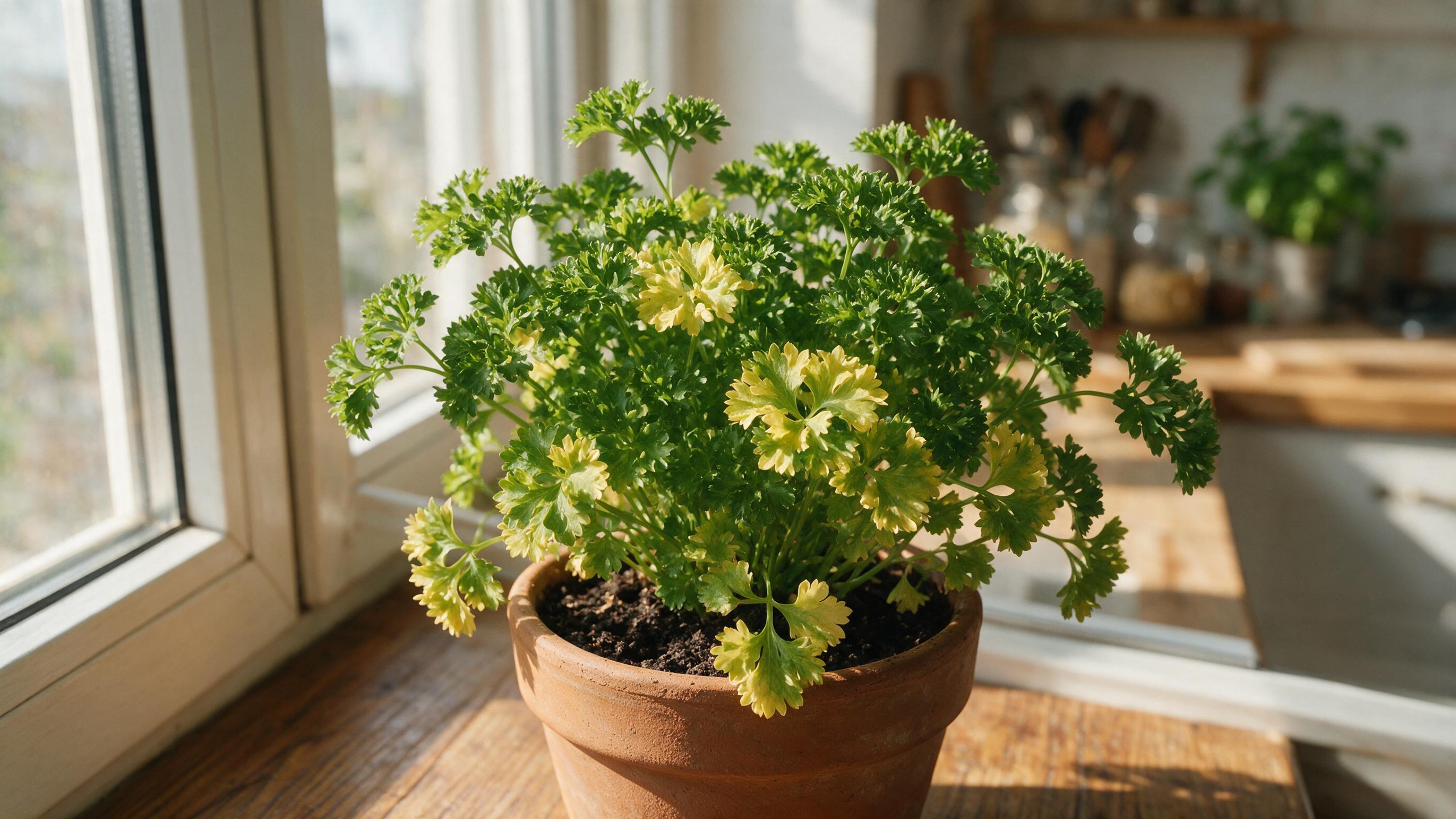
You planted parsley for its bright green leaves and fresh flavor, so seeing those leaves shift to yellow can feel disheartening. The good news is that yellowing parsley is one of the most common herb-growing problems in American home gardens, and in most cases it is entirely fixable once you know what is going on.
Parsley (Petroselinum crispum) is a biennial herb that naturally develops some yellowing in its second year as part of its life cycle. However, premature yellowing in first-year plants signals stress. Whether you are growing it in a raised bed in the backyard, a container on a sunny porch, or a pot on a kitchen windowsill, the causes and solutions follow the same basic patterns.
This guide walks you through every major reason parsley turns yellow, how to pinpoint which one is affecting your plant, and exactly what to do about it — so you can get back to harvesting lush, flavorful leaves as quickly as possible.
What Does It Mean When Your Parsley Is Turning Yellow?
One of the more common parsley complaints is yellowing leaves. Generally, if a parsley plant starts yellowing, the plant is under some form of stress. Usually the outer leaves start to yellow first. That pattern — outer leaves first, inner leaves still green — is your first clue that something in the plant’s environment or care routine needs to change.
Yellow leaves often signal stress or poor care. Identifying the reason early prevents further damage. Think of the discoloration less as a death sentence and more as your plant sending you a message. The earlier you read that message, the faster you can act.
Healthy parsley should maintain vibrant green foliage throughout the growing season when properly cared for. If yours is not doing that, something in its environment — water, light, nutrients, temperature, or pests — is off balance. The sections below cover each possibility in detail.
Is Yellowing in Parsley Always a Sign of a Problem?
Not always, but it is worth paying attention to every time. There are a handful of situations where some yellowing is expected and harmless, and knowing them helps you avoid unnecessary panic or over-treatment.
Any stress on parsley’s root from transplanting can cause yellowing leaves. Even with careful transplanting, parsley herbs can get some yellowing leaves initially. With proper care of the parsley plant, this yellowing resolves itself after a couple of weeks or so. If you recently moved your parsley from a nursery pot into the garden or into a new container, a little temporary yellowing is normal transplant shock.
Parsley is a biennial herb that naturally develops some yellowing in its second year as part of its life cycle. If your plant is in its second growing season and starting to bolt or flower, the lower leaves yellowing is a natural sign the plant is redirecting energy toward seed production. It is a biennial herb, so you can enjoy it for two years. In the second year, it blooms around June.
Outside of those two scenarios, yellowing parsley is almost always pointing to a correctable problem. The sections below will help you identify which one.
Watering Issues Causing Parsley Yellowing
Both overwatering and underwatering can cause parsley herb plants to yellow. Water is the single most common culprit behind yellow parsley leaves, and the tricky part is that too much and too little water can look almost identical at first glance.
Overwatering
Overwatering is a major culprit — parsley roots need oxygen, and if the soil is constantly soggy, root rot can develop, leading to yellowing leaves. Many gardeners make the mistake of watering again when they see yellow leaves, not realizing the yellowing is caused by too much water in the first place. The parsley leaves keep turning yellow and eventually the plant roots rot and the plant dies.
Water only when the top inch of soil feels dry. For container parsley, container plants typically need watering every 3–4 days in summer, less frequently in cooler months. Always check the soil before you reach for the watering can.
Underwatering
Some gardeners water enough to moisten the top of the soil, but not enough to penetrate through to the root system. Either way, the parsley herb plant reacts by yellowing outer leaves to feed the newer central leaves. When parsley is underwatered, dry, crispy leaves droop and turn yellow. Insufficient water can stress the plant and hinder its ability to absorb essential nutrients, leading to further complications.
The fix for underwatering is to water deeply — meaning you water until it runs freely from the drainage holes of a pot, or until you have saturated several inches of soil in a garden bed. Shallow, frequent watering never fully hydrates the root zone.
Pro Tip: Use the finger test before every watering session. Insert your finger about two inches into the soil. If it feels moist, wait. If it feels dry, water deeply. This one habit eliminates the vast majority of parsley watering problems.
Drainage Problems
Poor drainage makes both overwatering and underwatering problems worse; waterlogged roots are just as harmful as dry ones. Poor drainage leads to root suffocation. A simple test: water your parsley normally, then check soil drainage after one hour. If water pools on the surface or soil remains soggy, you have drainage issues.
For container plants, always use pots with drainage holes and avoid letting water pool in saucers. In garden beds, amend garden soil with 30% compost and perlite. For containers, ensure adequate drainage holes and use a potting mix specifically formulated for herbs.
Light Conditions Behind Parsley Yellowing
Light is another major variable, and it affects parsley differently depending on whether you are growing indoors or outdoors. Getting the balance right is especially important for American home gardeners who grow parsley on windowsills or under artificial lights during winter months.
Insufficient sunlight leads to leggy growth and yellowing leaves. Curly parsley thrives in full sun to partial shade, requiring 6–8 hours of light for optimal growth. Outdoors, this is easy to achieve in most of the US during the growing season. Indoors, it is a different story.
Indoor parsley typically suffers from insufficient light intensity, not just duration. Most windows provide only 10–20% of outdoor light levels. Supplement with full-spectrum LED grow lights positioned 6–12 inches above plants for 14 hours daily. A south-facing window is the best natural option in the US if grow lights are not available.
On the flip side, too much direct summer sun can also cause problems. While parsley needs sunlight to thrive, too much sun and heat dehydrate a parsley plant and cause the leaves to turn yellow. This plant remains sensitive to high summer heat, especially if it is a young plant. Too much sun could cause the leaves to dry out and turn yellow. In the hottest parts of the US — the Southwest, Southeast, and Gulf Coast — afternoon shade during the peak of summer is genuinely helpful.
For indoor parsley struggling with low light, check out our guide to the best houseplants for low-light areas for companion planting ideas that work in the same conditions.
Soil, Nutrients, and Root Health Causing Parsley Yellowing
Nutrient deficiencies are among the most misdiagnosed causes of yellow parsley because the symptoms can look similar to watering problems. The key is learning to read the pattern of yellowing — which leaves are affected and how the discoloration appears.
Nitrogen Deficiency
Parsley with low nitrogen has pale yellow leaves. Older leaves turn yellow first. Growth slows down and stems may get thin. Nitrogen shortage makes plants weak and less leafy. If older parsley leaves turn yellow while new growth remains green, nitrogen deficiency is often the cause.
University of Massachusetts Amherst research indicates that parsley requires balanced nutrition with emphasis on nitrogen during vegetative growth. Apply a balanced organic fertilizer (5-5-5) every 4–6 weeks during growing season, or use compost tea for a gentler nutrient boost.
Iron and Magnesium Deficiency
Iron deficiency presents differently, causing yellowing between leaf veins while the veins themselves remain green, a condition known as interveinal chlorosis. Iron plays a role in photosynthesis and enzyme function, making its presence critical for healthy foliage. Use chelated iron for iron deficiency to make the nutrient more readily available to the plant’s roots.
Nitrogen deficiency often hits your parsley with a one-two punch: older leaves yellow first, and new growth comes in a sickly light green. Iron shortages are a bit sneakier, targeting the young leaves. Potassium deficiency leaves the edges of your parsley looking like they’ve been sunburned.
Key Insight: The pattern of yellowing tells you which nutrient is missing. Older leaves yellowing = nitrogen. Yellow leaves with green veins = iron. Leaf edge browning/yellowing = potassium. Match the symptom to the fix before applying any fertilizer.
Root-Bound Plants
Parsley has a long taproot that grows deep into the ground — as far as 2 to 3 feet down in a garden bed. Plant your parsley in a tall container from the get-go, at least 10 inches tall, but taller is better. If you only have shallow planters available, accept that you will get yellowing of the outer leaves at some point as the root system becomes constricted.
Because parsley has a long taproot, it can generally find all the nutrients it needs in the garden. Parsley grown in containers will occasionally require supplemental feeding, especially if the containers are prone to over-watering, which tends to leach nutrients from the soil.
Soil pH also matters. Opt for a well-draining potting mix enriched with organic matter to promote robust growth. Maintaining a pH level between 6.0 and 7.0 ensures optimal nutrient availability. This balance helps your parsley thrive and prevents yellowing leaves.
To learn more about growing parsley alongside other herbs and vegetables, see our article on companion planting with tomatoes, which touches on how parsley fits into a mixed garden bed.
Environmental Stress Triggering Parsley Yellowing
Even when water, light, and nutrients are all in order, environmental factors can push parsley into a stress response that shows up as yellow leaves. These causes are especially relevant in the US, where many gardeners deal with wide temperature swings between seasons.
Temperature Extremes
Parsley prefers mild temperatures. Sudden heat or cold shocks stress the plant. Extreme heat can dry out leaves quickly. Cold snaps can stunt growth and turn leaves yellow. Keeping parsley in stable temperatures helps it grow strong and green.
Temperature extremes can cause leaf drop and yellowing. Curly parsley prefers moderate temperatures, ideally between 59°F and 68°F, for best results. During a summer heat wave in places like Texas, Arizona, or the Southeast, container parsley may need to be moved to a shaded spot during the hottest part of the day.
Wind and Moisture Loss
Wind will pull moisture from the leaves quicker than the parsley’s root system can replenish. The parsley plant reacts by shedding some of its outer leaves — hence they start to turn yellow and eventually die off. This is particularly common for parsley grown on exposed balconies, decks, or in open raised beds in windy regions.
Transplant Shock
If you’ve recently moved your plant to a new container or transplanted it into the ground, yellowing leaves on your parsley could be due to transplant shock. This happens when the plant needs time to adjust after being moved to a new container or spot. To help your parsley acclimate, make sure it has good drainage and enough room for the roots to grow.
When buying parsley herb plants in spring, choose healthy plants. If the parsley leaves are already yellowing at the garden center, move on. If the parsley roots are already coming out the bottom, the plant will have a much harder time adjusting to being transplanted. Leave that parsley at the garden center too.
Air Circulation
Good air flow reduces moisture on leaves. This stops mold and fungal diseases that cause yellowing. Crowded plants block air and trap humidity. Space plants well to allow fresh air movement. Start with fresh, disease-free soil and space plants 8–10 inches apart for proper air circulation.
Pests and Disease Leading to Parsley Yellowing
Pests and fungal diseases are often the last thing gardeners check, but they can cause rapid, widespread yellowing that does not respond to changes in watering or fertilizing. Regular inspections are your best defense.
Aphids
Aphids bring a virus that causes yellow to purple leaves. These little parasites often hide between the jagged leaves of curled parsley so that you do not readily notice them. Often, it is already too late before you can take action. These insects are mainly active during the summer months.
To treat aphids, spray aphids with a 1:1 water/rubbing alcohol mix with five drops of dish soap, or apply neem oil (2 tablespoons per gallon) weekly in the evening. You can also introduce beneficial insects like ladybugs for ongoing pest control.
Spider Mites
Aphids and spider mites are two common pests that can cause problems with parsley. Aphids are small, green insects that suck sap from leaves, while spider mites are tiny, web-spinning pests that cause stippling on foliage. Look out for yellowing leaves, distorted growth, and visible pests or webs on your plants.
The application of neem oil and insecticidal soaps will greatly reduce the spider mite population. Be sure to cover the underside of the leaves.
Fungal Diseases: Leaf Spot and Root Rot
A fungal infection called leaf spot may quite possibly be the culprit, resulting in parsley leaves yellowing. Both sides of the leaves are afflicted with yellow specks, which gradually turn dark brown with tiny black pin spots in the center and a yellow outer border.
Septoria leaf spot is also a very common cause of yellowing or yellow to tan to brown lesions with yellow border on parsley leaves. A general garden fungicide should be applied, or if the infection is rampant, remove the plant entirely. A disease-resistant variety of parsley should be planted, such as ‘Paramount.’
Fungal diseases like powdery mildew and root rot can also cause yellow leaves. Powdery mildew appears as white, powdery spots on leaves, while root rot results in dark, mushy roots that lead to yellowing foliage. To combat these issues, consider using fungicides, improving air circulation, and ensuring proper watering practices.
Important Note: Always inspect the undersides of parsley leaves when checking for pests. Aphids and spider mites prefer to hide there, and you can miss an infestation entirely if you only look at the top surface of the leaf.
If you are interested in using companion plants to naturally deter pests in your garden, our roundup of plants that repel wasps and plants that repel snakes offers useful ideas for building a more pest-resistant growing space.
How to Diagnose Why Your Parsley Is Turning Yellow
Working through the potential causes systematically is the fastest way to pinpoint the problem. Rather than guessing and applying multiple treatments at once, use the following step-by-step approach.
- Check which leaves are yellowing first. Pay attention to leaf position. Is the yellowing occurring on older leaves or newer ones? This detail can provide valuable insights into the underlying issue. Older leaves yellowing first suggests nitrogen deficiency or overwatering. Younger leaves yellowing suggests iron deficiency or light problems.
- Do the soil moisture test. Use a moisture meter or perform a finger test by inserting your finger 1–2 inches deep into the soil to check for dryness or excess moisture. This is your single most important diagnostic step.
- Inspect the drainage. Water your parsley normally, then check soil drainage after one hour. If water pools on the surface or soil remains soggy, you have drainage issues.
- Examine the leaves closely. Inspect the undersides of leaves with a magnifying glass. Look for tiny insects, webbing, sticky residue (honeydew from aphids), or powdery white patches.
- Assess light and temperature. Count how many hours of direct or indirect sunlight your parsley receives. Consider whether it has been exposed to a sudden temperature change, cold draft, or heat wave recently.
- Evaluate the container size. Parsley turns yellow faster when grown in a pot. Often a pot is too small or the pot in which the parsley was sold is used. Use a pot of at least 25 cm (about 10 inches) in diameter and height if you want to grow parsley in a pot and keep it fresh for a long time.
If you want help identifying your plant or ruling out look-alike herbs, our comparison of the difference between parsley and coriander can help you confirm you are working with the right plant. You can also use one of the best iPhone apps for identifying plants or the best Android apps for identifying plants to get a second opinion.
How to Fix a Parsley Plant That Is Turning Yellow
Once parsley leaves turn yellow they cannot recover. Immediately prune affected leaves to redirect the plant’s energy toward new growth. Focus on correcting the underlying cause to prevent further yellowing. Here is how to address each cause once you have diagnosed it.
| Cause | Key Symptom | Fix |
|---|---|---|
| Overwatering | Soggy soil, yellowing older leaves, wilting | Stop watering; let soil dry out; repot if root rot is present |
| Underwatering | Dry soil, crispy leaf edges, drooping | Water deeply until it drains from the pot; establish consistent schedule |
| Poor drainage | Water pools on surface; roots dark and mushy | Repot with well-draining mix; add perlite; ensure drainage holes |
| Nitrogen deficiency | Older leaves pale yellow; slow growth | Apply balanced fertilizer (5-5-5) or compost tea every 4–6 weeks |
| Iron deficiency | Yellow leaves with green veins (chlorosis) | Apply chelated iron; check soil pH is between 6.0–7.0 |
| Too much sun | Leaf tips dry, yellowing in afternoon | Provide afternoon shade; move container to filtered light |
| Too little light (indoors) | Leggy growth, pale or yellow leaves overall | Move to south-facing window or add full-spectrum grow light |
| Aphids | Sticky residue, yellow-to-purple leaves, visible insects | Spray with neem oil or insecticidal soap; introduce ladybugs |
| Spider mites | Fine webbing, stippled yellow spots on leaves | Apply neem oil or insecticidal soap; cover leaf undersides |
| Leaf spot fungus | Yellow specks turning brown with dark centers | Apply garden fungicide; remove severely affected leaves |
| Root-bound container | Roots emerging from drainage holes; outer leaves yellow | Repot into a taller container (at least 10 inches deep) |
| Transplant shock | Yellowing shortly after moving or repotting | Maintain consistent moisture; avoid further disturbance for 2 weeks |
Once you have diagnosed the problem, stop watering immediately if overwatering is the cause and allow soil to dry completely. Trim severely yellowed leaves but preserve green growth. For container plants, consider repotting with fresh, well-draining mix.
Most parsley plants show visible recovery within 72 hours when the correct cause is addressed. If you are not seeing improvement after a week, revisit the diagnosis — it is possible more than one factor is at play.
For broader context on growing different types of plants in your home or garden, our overview of types of plants is a helpful reference for understanding how herb care compares to other plant categories.
How to Prevent Parsley Yellowing Going Forward
Once your parsley is back to a healthy green, a few consistent habits will keep it that way. Prevention is far easier than recovery, and most of these steps take only a few minutes per week.
- Water by soil feel, not by schedule. Water when the top inch of soil feels dry — typically every 5–7 days in containers during growing season. Always check moisture levels rather than following a fixed schedule.
- Fertilize regularly during the growing season. Apply compost tea at the spring equinox and summer solstice as a seasonal fertilizing strategy. Container parsley needs more frequent feeding because container parsley depletes nutrients three times faster than garden soil.
- Use the right container. Use a pot of at least 25 cm in diameter and height. At the bottom of the pot, provide holes so that excess water can drain away. Also use a good quality potting soil that retains water.
- Maintain good air circulation. Maintaining cleanliness around your plants can deter pests. Remove debris and fallen leaves to create a less inviting environment for unwanted visitors.
- Adjust watering with the seasons. Adjust your watering frequency as seasons change. Increase watering during hot months to keep your parsley hydrated, and reduce it in cooler months to prevent overwatering.
- Mulch outdoor plants. Use organic mulch to retain soil moisture and regulate temperature, creating a stable environment for your parsley.
- Inspect plants weekly. Aphids and spider mites can cause yellow stippling on leaves. Inspect the undersides of leaves with a magnifying glass. If pests are present, spray with insecticidal soap solution (2 tablespoons soap per quart of water) every 5–7 days until eliminated.
- Rotate your planting location. When replanting, rotate to a new location if possible to prevent soil-borne disease buildup.
- Test your soil pH annually. Soil testing is essential for any gardener looking to prevent yellowing leaves. It reveals details about pH levels and nutrient content. By understanding your soil’s condition, you can make informed adjustments, ensuring your parsley stays vibrant and green.
If you grow parsley alongside other herbs or flowering plants, companion planting can also reduce pest pressure. Our guide to plants to grow with tomatoes includes parsley as a companion, and the best deer-tolerant plants article can help you choose garden neighbors that hold up well in challenging conditions. Gardeners in hot, dry climates may also find our list of drought-tolerant plants in Florida useful for building a more resilient herb garden.
FAQ
Can I Still Eat Yellow Parsley Leaves?
Lightly yellowed parsley is generally safe to eat if the cause was water-related rather than disease. Remove completely yellowed leaves and use only the green portions. Wash thoroughly and use promptly, as compromised leaves deteriorate faster. According to food safety guidelines from the USDA, herbs with minor discoloration but no mold or foul odor remain edible.
Why Are Only the Outer Leaves of My Parsley Turning Yellow?
When parsley is underwatered, the herb plant reacts by yellowing outer leaves to feed the newer central leaves. Outer-leaf-only yellowing is most commonly a watering issue — either too little water or water that does not penetrate deeply enough to reach the root zone. It can also be a sign of a root-bound container.
Why Is My Indoor Parsley Turning Yellow?
Indoor parsley typically suffers from insufficient light intensity, not just duration. Most windows provide only 10–20% of outdoor light levels. If your indoor parsley is yellowing and you have ruled out watering issues, inadequate light is the most likely cause. Move it to a south-facing window or add a grow light.
How Long Does It Take for Parsley to Recover After Yellowing?
Most cases resolve within 7–10 days with proper care. More severe cases — such as root rot or a heavy pest infestation — can take two to four weeks. The yellowed leaves themselves will not turn green again, but new healthy growth should emerge once the underlying problem is corrected.
Should I Cut Off Yellow Parsley Leaves?
Yes. Remove yellow leaves immediately — they will not recover and drain energy from healthy growth. Trim off yellow leaves to improve the plant’s appearance and help it grow stronger. Be gentle and do not cut off too much at once, as this can cause more stress. Give the plant some time to recover before expecting new growth.
Is Parsley Hard to Grow in the United States?
Parsley is one of the most adaptable herbs for American home gardeners. It grows well across most of the country from USDA hardiness zones 4 through 9 and can be grown as a cool-season herb in the South and Southwest, or as a warm-season herb in the North. The biggest challenge most US gardeners face is managing heat and watering in summer — both of which are well within your control with the tips in this guide. For more ideas on growing herbs and other plants at home, browse our full guide to types of plants you can grow in the US.