Can You Freeze and Reheat Takeaway Pizza? (Yes — Here’s How to Do It Right)

October 28, 2026
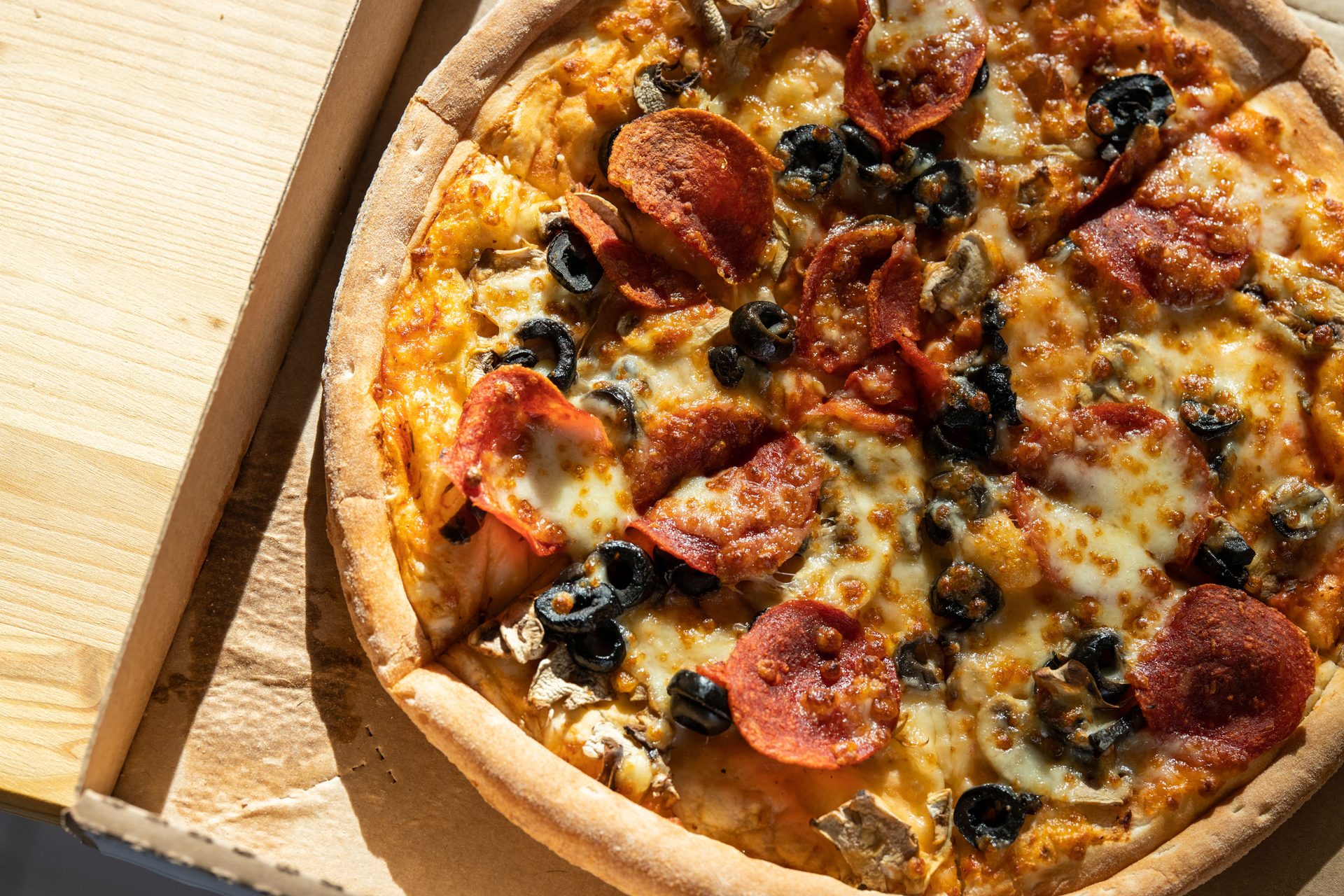
Ordering too much pizza is practically a tradition in the United States — whether it’s a Friday night Domino’s run or a large pie from your local spot that turned out to be more than you bargained for. The good news is that those leftover slices don’t have to go to waste, and you don’t have to eat pizza for breakfast three days in a row just to finish them off.
You can absolutely freeze and reheat takeaway pizza, and when you do it correctly, the results are surprisingly good. The key is knowing the right steps for wrapping, storing, thawing, and reheating — skip a step and you’ll end up with a soggy, freezer-burnt disappointment. Follow the process below and you’ll have a satisfying meal waiting for you weeks from now.
Can You Freeze Takeaway Pizza?
You can freeze pizza if it was stored safely first. That’s the most important rule to keep in mind before anything else. Freezing pizza is possible and is a good way to save a few slices of your favorite pizza when you just can’t finish the whole pie. If you want to prolong its shelf life, freezing the pizza is the best way to do it.
You can freeze just about any type of pizza leftovers, including fast food delivery pizza from big chains like Pizza Hut and Domino’s. The one firm rule: do not freeze pizza that sat out overnight or has an unknown storage history. The United States Department of Agriculture (USDA) strongly recommends following the “two-hour rule” when leaving food out, meaning you shouldn’t let pizza or takeout sit at room temperature for over two hours before tossing it.
Pro Tip: If your kitchen is unusually warm — above 90°F on a hot summer day — that two-hour window shrinks to just one hour. When in doubt, refrigerate or freeze right away.
Does Freezing Change the Texture or Taste of Takeaway Pizza?
Freezing does affect pizza somewhat, but not enough to ruin it if you handle it properly. By freezing the pizza, you basically slow down the movement of molecules and retain its freshness. The pizza can then be brought back to life when you’re ready to reheat it. If you do it right, you can almost get those frozen slices to taste as though they are from a fresh pizza just out of the oven.
The main texture challenge involves the crust and cheese. After two days in the fridge, the crust will start to get stale and the cheese and toppings will become dry. Freezing halts that process, but the way you reheat the pizza matters just as much as how you freeze it. The goal is to get the leftover pizza as close to the fresh pizza as possible — a crispy crust, melty cheese, and hot ingredients on top.
Toppings with high water content, like fresh tomatoes or mushrooms, may release some moisture during reheating. Meat toppings like pepperoni and sausage hold up well. Thick-crust styles from chains like Pizza Hut or Domino’s tend to freeze and reheat with good results because the dough retains more moisture than a very thin cracker-style crust.
How to Freeze Takeaway Pizza the Right Way
Proper wrapping is what separates a great frozen pizza from a freezer-burnt one. First, make sure the pizza you’re about to freeze has reached room temperature. Placing still-melty-cheese slices in the freezer can be a food safety hazard, as it’ll take longer to freeze and could increase the temperature of your freezer, leaving other items vulnerable to bacterial growth.
Once cooled, follow these steps:
- Separate into individual slices. Freezing individual slices offers convenience, allowing you to enjoy single servings without needing to defrost the entire pizza.
- Wrap each slice tightly. Separate each slice and wrap it in plastic wrap, bringing the wrap around twice to make sure it’s extra secure. Then add a layer of aluminium foil, pressing down lightly to prevent gapping.
- Add a second layer of protection. Wrap it up one more time in aluminum foil, then pop your slices into a large freezer bag.
- Remove as much air as possible. Remove as much air as possible from the bag before you seal it to reduce freezer burn risk.
- Label the bag. Label the date and type of pizza, and freeze slices flat so they reheat evenly later.
You can also flash-freeze slices before bagging them. Flash freezing can be a game-changer: lay the wrapped slices on a baking sheet and freeze them for a couple of hours before transferring them to a container or bag. This stops them sticking together and preserves their texture.
Pro Tip: Never freeze pizza directly in the cardboard delivery box. The box offers no real protection against freezer burn or moisture, and it takes up a huge amount of space in your freezer.
How Long Can You Freeze Takeaway Pizza?
You have a reasonable window before quality starts to drop. According to the U.S. Food and Drug Administration (FDA), you can store pizza safely in the freezer for about one to two months. If the slices are wrapped securely in foil or plastic wrap or are properly sealed in an airtight container, your pizza can retain its quality for one to two months. While it’s likely safe to consume beyond this point, it may not be as tasty by then.
Some sources note a slightly longer window with ideal wrapping. You can keep your frozen slices of pizza for up to three months if everything is done correctly. To preserve the best quality of the pizza, it’s important to wrap up your leftover slices tightly, which will help to avoid freezer burn.
| Storage Method | How Long It Lasts | Quality Notes |
|---|---|---|
| Room temperature | Up to 2 hours max | Discard after 2 hours (1 hour above 90°F) |
| Refrigerator | 3–4 days | Crust may soften; best eaten within 2 days |
| Freezer (well-wrapped) | 1–2 months (up to 3 months with tight wrapping) | Best quality within the first month |
How to Thaw Frozen Takeaway Pizza
You have two main options when it’s time to eat your frozen slices: thaw first, or reheat straight from frozen. Both work — the right choice depends on how much time you have.
Refrigerator thawing (recommended): Transfer your frozen pizza from the freezer to the refrigerator and allow it to thaw overnight. This is the safest method as it keeps the pizza at a consistent, cool temperature, reducing the risk of bacterial growth. Take the pizza out of the freezer, still in its protective wrapping, and transfer to the refrigerator, then leave it for 3 to 4 hours until thoroughly defrosted.
Reheat from frozen (faster option): You can thaw frozen pizza in the refrigerator when possible, or reheat it from frozen if the slice is thin enough to heat evenly. It can be reheated from frozen, cold, or room temperature — you will just have to adjust the cooking time.
Countertop thawing (use with caution): If you’re in a hurry, you can let your pizza thaw on the countertop for a few hours. However, you should never leave it out for more than two hours to avoid the “danger zone” where bacteria can proliferate.
Important Note: Never thaw pizza and then leave it sitting out. Once it’s thawed, reheat it promptly or return it to the refrigerator. Always reheat pizza to an internal temperature of 165°F before eating, per food safety guidelines .
Can You Refreeze Takeaway Pizza After Thawing?
Refreezing is not recommended. It’s not ideal, as freezing twice can affect both texture and taste. For the best results, freeze pizza right after your first meal instead of after reheating.
The method you used to thaw also matters. After you thaw your pizza in the fridge, you can store it for a few days before reheating and consuming it. However, if you plan to thaw it with an oven or microwave, try to consume these leftovers right away rather than refreezing them.
The practical takeaway: freeze individual slices from the start so you only pull out exactly what you need. That way, you’re never in a situation where you’ve thawed more than you can eat. For more on safe food reheating practices, see this guide on how many times you can reheat food.
How to Use Frozen Takeaway Pizza (Best Uses After Freezing)
Reheating is where most people go wrong. The method you choose makes a big difference in whether you get a crispy, satisfying slice or a limp, rubbery one. Here are the best options:
Oven (best for multiple slices): Preheat your oven to 400 degrees Fahrenheit. Cover the surface of a standard-size baking tray with aluminum foil. Slide this tray into the oven as it preheats so that it will already be hot when the pizza touches it. Place the pizza on the tray and let it reheat for about 10 minutes, checking the slices routinely to ensure they’re not burning.
Skillet (best for one or two slices): Reheating in the pan is the most effective way at delivering a crispy crust. Use a nonstick skillet and a medium stovetop temperature. Place your slice onto the skillet and let it heat until the cheese softens. Then add a few drops of water to the base of the pan around the pizza’s sides. Cover the pan with a lid and let the pizza heat for about three minutes. When the cheese starts to melt, remove the lid and use a spatula to lift your slice from the skillet.
Air fryer (fast and crispy): You can use your air fryer to get a super crispy crust. Just like with the oven, make sure your air fryer is preheated before you get started. Place a bit of water in the frying basket before you get started to help your slices heat evenly.
Toaster oven (great for single slices): Preheat your toaster oven to 400 degrees Fahrenheit. Place your slice of pizza in the toaster oven after it’s preheated. You can either place it directly on the baking rack or on a small tray with foil. Let it bake for about four minutes, depending on the thickness of the slice.
Microwave (last resort): The microwave is the fastest option but the hardest on crust texture. While it’s not the most recommended option, it is possible to reheat leftover pizza in the microwave. Heating up a cup of water in the microwave alongside your pizza works a bit of magic to create a crispier slice.
| Reheating Method | Best For | Approximate Time | Crust Result |
|---|---|---|---|
| Oven (400°F) | Multiple slices or a half pizza | 8–12 minutes | Crispy and even |
| Skillet (medium heat) | 1–2 slices | 3–5 minutes | Very crispy bottom |
| Air fryer (375°F) | 1–3 slices | 3–5 minutes | Crispy all around |
| Toaster oven (400°F) | 1–2 slices | 4–6 minutes | Good crust, convenient |
| Microwave | When speed is the only priority | 1–2 minutes | Soft, potentially chewy |
Beyond simply reheating and eating, frozen pizza slices are also great as a quick base for a snack. Chop up a thawed, reheated slice and toss it over a salad, use it as a flatbread-style appetizer for guests, or pair it with a side soup for a fast weeknight meal. If you’re interested in building a healthier plate alongside your pizza, explore these superfoods for a healthy heart or ideas for whole plant-based foods to round out the meal.
Signs That Frozen Takeaway Pizza Has Gone Bad
Freezing slows spoilage, but it doesn’t eliminate it entirely. Knowing when to toss a slice is just as important as knowing how to save one. Reheat leftovers to 165°F. Do not use freezing to rescue pizza that was already unsafe. Throw away slices with mold, a sour odor, or unknown timing.
Here are the key warning signs to check before reheating:
- Freezer burn: White or grayish patches on the crust or toppings indicate moisture loss. The pizza is still technically safe, but the texture and flavor will be noticeably poor. Heavy freezer burn is a sign the pizza was not wrapped tightly enough.
- Off smell: Check for off smells, visible mold, or unusual texture before eating older leftovers — when in doubt, throw it out.
- Discoloration: If your pie starts to develop a strange color or odor, it’s time to throw it away.
- Slimy or wet texture: If the crust feels slimy after thawing, the pizza has likely spoiled. Discard it without tasting.
- Unknown storage date: Do not freeze questionable pizza. If you can’t remember when it was frozen, it’s safer to discard it. This is why labeling the date at the time of freezing matters so much.
Important Note: Discard pizza left out overnight. Do not refrigerate, freeze, or reheat it to try to make it safe. No amount of reheating will neutralize bacteria that multiplied while the pizza sat at room temperature for too long.
Frequently Asked Questions
Can you freeze pizza that was already in the fridge for a couple of days?
Yes, if it has been refrigerated safely and still looks and smells normal, but freezing sooner gives better quality. The fresher the pizza when you freeze it, the better it will taste when reheated.
Do you need to thaw frozen pizza before reheating it?
No. You can thaw frozen pizza in the refrigerator when possible, or reheat it from frozen if the slice is thin enough to heat evenly. Just add a few extra minutes to your oven or skillet time when cooking from frozen.
How do you keep reheated pizza from getting soggy?
The skillet method and a preheated oven tray are your best defenses against sogginess. For best results, have a baking sheet in the oven while it is heating up. You don’t want to start cooking on a cold sheet pan because the bottom of the crust won’t get as crispy as you want it.
Is it safe to eat pizza that has been frozen for more than two months?
If you freeze leftover pizza, it will stay at its best for 1 to 2 months. It should still be safe to eat after this point, so if you really hate waste, you don’t have to throw it out. It is best to try and eat it within 2 months, however, as this is when it will be tastiest.
What temperature should reheated pizza reach?
Always reheat pizza to at least 165°F (74°C) for food safety. Use an instant-read thermometer if you’re unsure, especially when reheating from frozen.
Can you freeze pizza with vegetable toppings?
Yes, though vegetables with high water content — like bell peppers, onions, or mushrooms — may release extra moisture during reheating and slightly soften the crust. Pat toppings dry before freezing if possible, and use the oven or skillet method to reheat for the crispiest result.
Pizza is one of the most freezer-friendly takeout foods you can order. With the right wrapping technique and a proper reheating method, a slice from your favorite local pizzeria can taste nearly as good weeks later as it did the night you ordered it. For more food storage tips and ideas on eating well, check out foods for healthy skin or browse foods that help enhance liver function for more practical food guidance.