
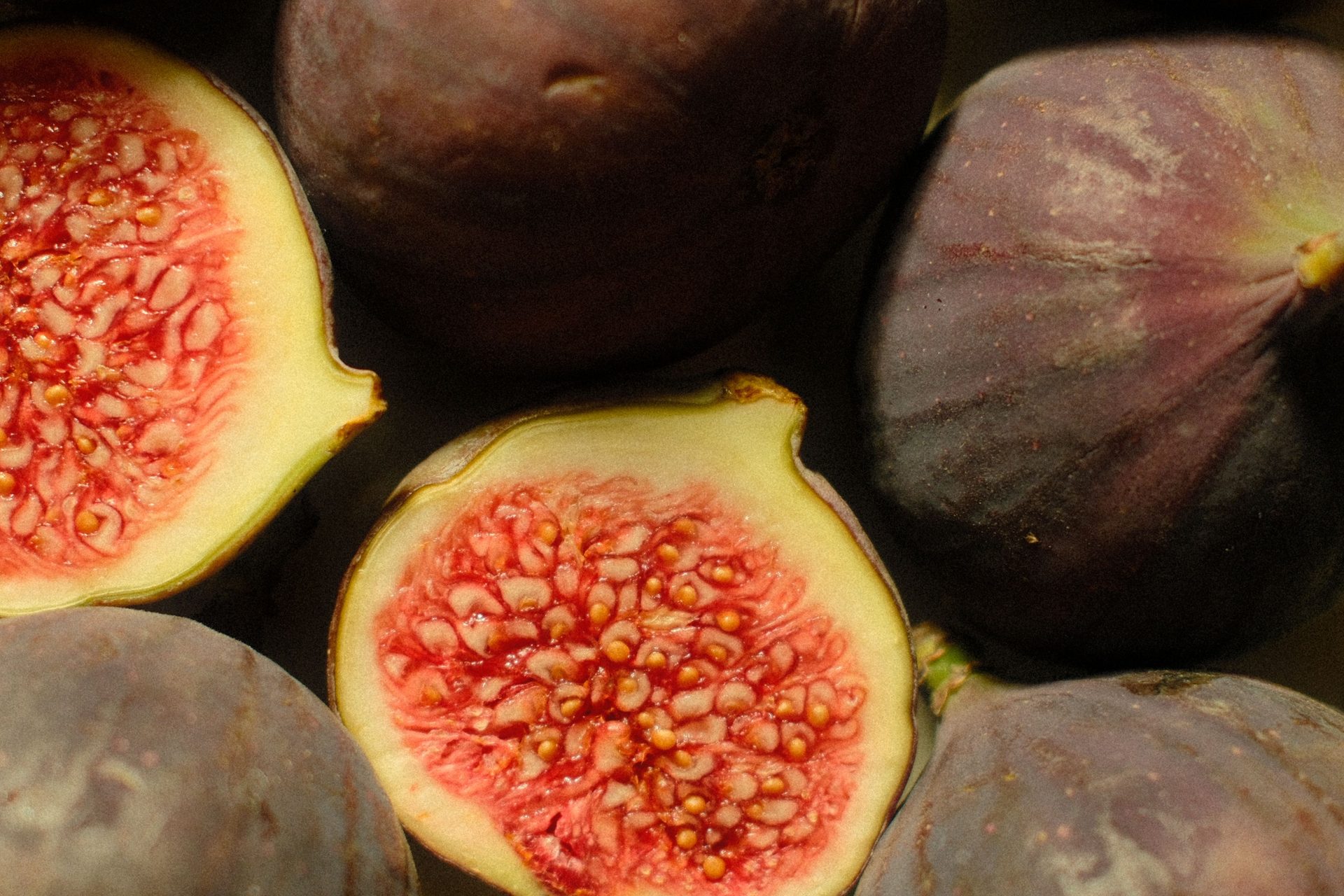
Fresh figs are one of the most fleeting fruits at the farmer’s market or grocery store. They are absolutely delicious, but unlike apples or oranges that can sit in your fridge for weeks, figs have a very short shelf life — once picked, they need to be eaten within a day or so before they start to go bad. If you have more than you can eat, the freezer is your best option.
The good news is that freezing figs is one of the simplest preservation methods available. Figs are very easy to freeze and are a great ingredient to have on hand throughout the year for both baking and cooking. Whether you picked up a flat at a Texas farmers market, scored a deal at a grocery store, or are harvesting from your own backyard tree, this guide walks you through everything — from prep to thawing to knowing when to toss them.
Can You Freeze Figs?
Yes, you can absolutely freeze figs. Overall, figs freeze well. However, like many other fruits, once figs have been frozen, their texture will change from plump to mushy when thawed. That softness is not a dealbreaker — it just means frozen figs are better suited for cooked and blended applications than for eating straight out of the bowl.
Figs are a truly seasonal fruit, only available during a narrow window of the year. They must ripen before you pick them, and then you must eat them soon afterward. By freezing figs, you can have them throughout the year. Any variety works — Brown Turkey, Black Mission, Calimyrna, Adriatic — the process is the same across the board.
Pro Tip: Start with ripe but not over-ripe figs. Since the texture of frozen figs will be on the mushy side when they thaw out, it does not matter much if the figs are a little soft before freezing. However, over-ripe figs can sour and almost taste fermented, so avoid those.
Does Freezing Change the Texture or Taste of Figs?
Like other foods, freezing will change the texture of figs a bit. The water in the figs will form ice crystals and expand, causing the cell walls of the fruit to break down. They will go from being plump to being somewhat mushy. This is the same process that happens with most high-moisture fruits, and it is a trade-off worth making when the alternative is throwing them out.
On flavor, results vary by variety and ripeness. Freezing concentrates the sweetness and flavors, which is actually great for lackluster figs with little flavor — put them in the freezer and they come out full of flavor. Sweeter, high-sugar varieties tend to hold up best. If you do not use sugar in the process, freezing is the most nutritious way to preserve figs.
The texture change is not necessarily a bad thing, and it will not make any difference for fig recipes that are cooked in some way. You probably will not want to eat thawed figs the way you eat fresh figs, but they are great for smoothies, cakes, muffins, sauces, jams, and preserves. Pair them with other heart-healthy foods in a morning smoothie for a nutritious start to your day.
How to Freeze Figs the Right Way
There are a few methods to choose from depending on how you plan to use your figs later. The flash-freeze method is the most flexible because it keeps the pieces separate and lets you grab exactly what you need.
Method 1: Flash-Freeze (Dry Pack)
- Wash and dry. Rinse fresh figs under cool running water to remove dirt and debris, then place them on a towel and gently pat them dry.
- Remove stems and cut. Trim off the stem ends and cut away any blemishes or damaged spots. Slice figs in half for easier freezing and later use. Quarters work too — the smaller the fig pieces, the quicker they will freeze and defrost.
- Pre-freeze on a lined tray. Arrange figs skin-side down on a parchment- or wax-paper-lined baking sheet and freeze for at least 2 hours, or until partially frozen. Set them close together but so they are not touching each other.
- Transfer to freezer bags. Once partially frozen, move the figs into freezer-safe bags or containers and remove as much air as possible before sealing.
- Label and freeze. Write the contents and date on your freezer bags or containers before filling.
Method 2: Sugar Pack
A sugar pack helps preserve color and flavor, especially for light-colored varieties. Portion the cut figs into the amount you would want to defrost at a time, sprinkle granulated sugar over the fruit, toss to coat well, place each portion into a resealable bag, and press out any air before sealing tightly. The sugar helps preserve the figs’ natural sweetness and enhances their texture when thawed, though it also makes the figs less versatile.
Method 3: Syrup Pack
The National Center for Home Food Preservation recommends packing figs in a simple sugar syrup for best results, using a 40 percent syrup. For a better product, add 3/4 teaspoon (2,250 mg) ascorbic acid or 1/2 cup lemon juice to each quart of syrup, pack figs into containers and cover with cold syrup, then seal and freeze. This method produces results similar to canned fruit after thawing.
Pro Tip: Figs tend to darken during freezing due to air contact. To prevent this, coat the fig pieces in powdered ascorbic acid — about 3/4 teaspoon per quart of fruit. Ascorbic acid is simply vitamin C, so there is nothing to worry about.
How Long Can You Freeze Figs?
When properly stored, frozen figs can last up to one year in the freezer. Some sources report a range of 10 to 18 months depending on packaging quality and freezer consistency. Properly stored frozen figs will last up to six months without losing much flavor. Beyond that, they are still safe to eat but may begin to lose quality.
According to the University of Minnesota Extension , for best quality, use frozen fruits and vegetables within 8 to 12 months. This is a quality versus a food safety issue — recommended storage times ensure maximum quality.
| Storage Method | Estimated Freezer Life | Best For |
|---|---|---|
| Dry pack (flash-frozen) | Up to 12 months | Smoothies, baking, jam |
| Sugar pack | Up to 12 months | Desserts, sauces |
| Syrup pack | Up to 12 months | Preserves, toppings |
If you package them correctly and get all the air out, they will last. Keeping your freezer at a steady 0°F and avoiding repeated door openings helps maintain quality over the long haul. Figs are also rich in fiber and nutrients — learn more about whole plant-based foods that support a healthy diet year-round.
How to Thaw Frozen Figs
How you thaw your figs depends on what you are making. For most recipes, a slow thaw in the refrigerator gives the best results. Move the container or freezer bag of figs to the refrigerator and allow them to thaw slowly for about 24 hours. Place the bag on a plate or in a bowl to catch any liquid that drips during thawing.
If you are short on time, there are two faster options. You can thaw figs at room temperature — place them on a plate and let them sit out for a few hours. You can also use the defrost function on your microwave to thaw frozen figs.
For smoothies and jams, you often do not need to thaw at all. For some recipes such as smoothies or jams, using figs directly from the freezer may be suitable. You can just put the figs frozen into the pot when making jam, which saves time and reduces cleanup.
Pro Tip: Once thawed, the texture of figs will be softer, and you can easily pierce them with a fork. Consume thawed figs promptly for the best flavor and texture.
Can You Refreeze Figs After Thawing?
Technically yes, but with important caveats. According to the University of Minnesota Extension , thawed fruit and fruit juice concentrates can be refrozen if they taste and smell good. Since thawed fruits suffer in appearance, flavor, and texture from refreezing, you may want to make them into jam instead.
You can safely refreeze certain frozen food that has thawed, although there may be a loss of quality due to the moisture lost through thawing. To safely refreeze, the thawed product must have been kept cold at 40 degrees Fahrenheit or below for no more than 3 to 4 days. If food is completely thawed, warmed to room temperature, or left out of the refrigerator for more than 2 hours, throw the food out for safety’s sake.
In practical terms, refreezing figs is rarely worth it. The texture will degrade significantly with each freeze-thaw cycle. The smarter move is to portion your figs before the first freeze so you only pull out what you need. This is exactly why the flash-freeze method works so well — since the figs freeze without touching each other, they will not stick together in the bag, making it easy to remove as many as you want when you are ready to use them.
How to Use Frozen Figs (Best Uses After Freezing)
Frozen figs can be used in smoothies, homemade ice creams, jams and other preserves, and fruit sauces. In fact, using previously frozen figs in these types of recipes can even speed up the cooking process, as the cell walls have already been broken down. Their soft, jammy texture after thawing is a feature, not a flaw, in most cooked applications.
Here are the best ways to put frozen figs to work:
- Smoothies: Frozen figs are a great addition to smoothies, oatmeal, or yogurt for a burst of natural sweetness. Toss them in straight from the freezer — no thawing needed.
- Baked goods: Incorporating frozen figs into baked goods such as muffins and cakes results in moist and flavorful treats. Bakers can fold chopped frozen figs into batter, enhancing the natural sweetness with just a sprinkle of granulated sugar.
- Fig jam and preserves: You can use frozen figs in simple low-sugar fig jam, or add them into many other jams like pear jam, strawberry jam, and blueberry jam.
- Fig sauce: A simple fig sauce can elevate desserts — simmer frozen figs with sugar until thickened and use it to drizzle over cheesecakes, pancakes, or waffles.
- Savory dishes: Frozen figs are not limited to sweet dishes and can also contribute a nuanced taste to savory dishes. Think roasted pork, grain bowls, or flatbreads with cheese.
Figs are also a powerhouse ingredient for overall wellness. They appear on lists of fibroid-healing foods and are recognized among foods with powerful cancer-fighting nutrients. Adding them to your regular cooking routine — even from the freezer — is a smart nutritional move.
Signs That Frozen Figs Have Gone Bad
Frozen figs do not spoil the way fresh figs do, but they can degrade in quality over time. Here is what to look for before using them:
- Sour or fermented smell: Figs will develop a sour smell once they start going off. They may also show signs of moldy growth. If anything smells off after thawing, discard the batch.
- Severe freezer burn: Freezer burn occurs when ice crystals start forming on food that has been frozen — to prevent it, make sure you remove as much air as possible from your freezer bags before placing your figs in the freezer. Light freezer burn is a quality issue, not a safety one, but heavily burned figs will taste bland and dry.
- Extreme discoloration: Some darkening is normal, especially for light-colored varieties without ascorbic acid treatment. However, if the flesh has turned gray or black with an off odor, it is best to toss them.
- Watery, separated texture after thawing: Fluctuating temperatures can cause produce to slightly thaw and refreeze, resulting in ice crystals and a waterlogged texture. If your figs release an excessive amount of liquid and smell sour, they have likely gone through too many temperature fluctuations.
The best defense against all of these issues is proper packaging and consistent freezer temperature. Squeeze out as much air as possible from the bags before sealing to prevent freezer burn. Keeping figs toward the back of the freezer — away from the door — also helps maintain a stable temperature. For more on eating well and making the most of nutrient-dense ingredients, check out these foods that promote healthy skin and foods that support liver function.
Frequently Asked Questions
Do I Need to Blanch Figs Before Freezing?
Blanching is not necessary for figs. They can be frozen directly. There is no need for blanching, a lemon water bath, or any other treatment — you simply place them in the freezer.
Can I Freeze Figs Whole?
You can also freeze figs whole, but you will get more in each bag if they are cut. Whole figs also take longer to freeze and thaw. If storage space is not a concern and you plan to use them for jam where size does not matter, whole freezing works fine.
Do I Need to Peel Figs Before Freezing?
The peel on figs is edible, so there is no need to peel them. However, some people do not like the texture of the fig skin. If your final goal is a jam or sauce, you may want to peel your figs before freezing.
Can I Freeze Any Variety of Figs?
Yes, you can freeze any variety of figs by following the same steps. Brown Turkey, Black Mission, Kadota, and Calimyrna figs all freeze well using the dry-pack or sugar-pack method.
How Do I Use Frozen Figs in Baking?
For baking recipes, it is better to thaw the figs first and pre-cook them, since they will release extra water and can make the recipe soggy. So defrost first. Drain off any excess liquid before folding them into batter.
Are Frozen Figs as Nutritious as Fresh Figs?
Freezing preserves most of the nutritional content of figs. Figs are rich in nutrients and low in calories. They can help with digestive and heart health and help manage blood sugar levels. The copper in figs can help improve metabolism and form blood cells and connective tissues. Those benefits carry through to frozen figs, making them a worthwhile addition to your diet year-round. They are also among the foods that promote healthy eyesight thanks to their antioxidant content.