Why Is My Jade Plant Dropping Leaves? Causes, Fixes, and Prevention

September 3, 2026
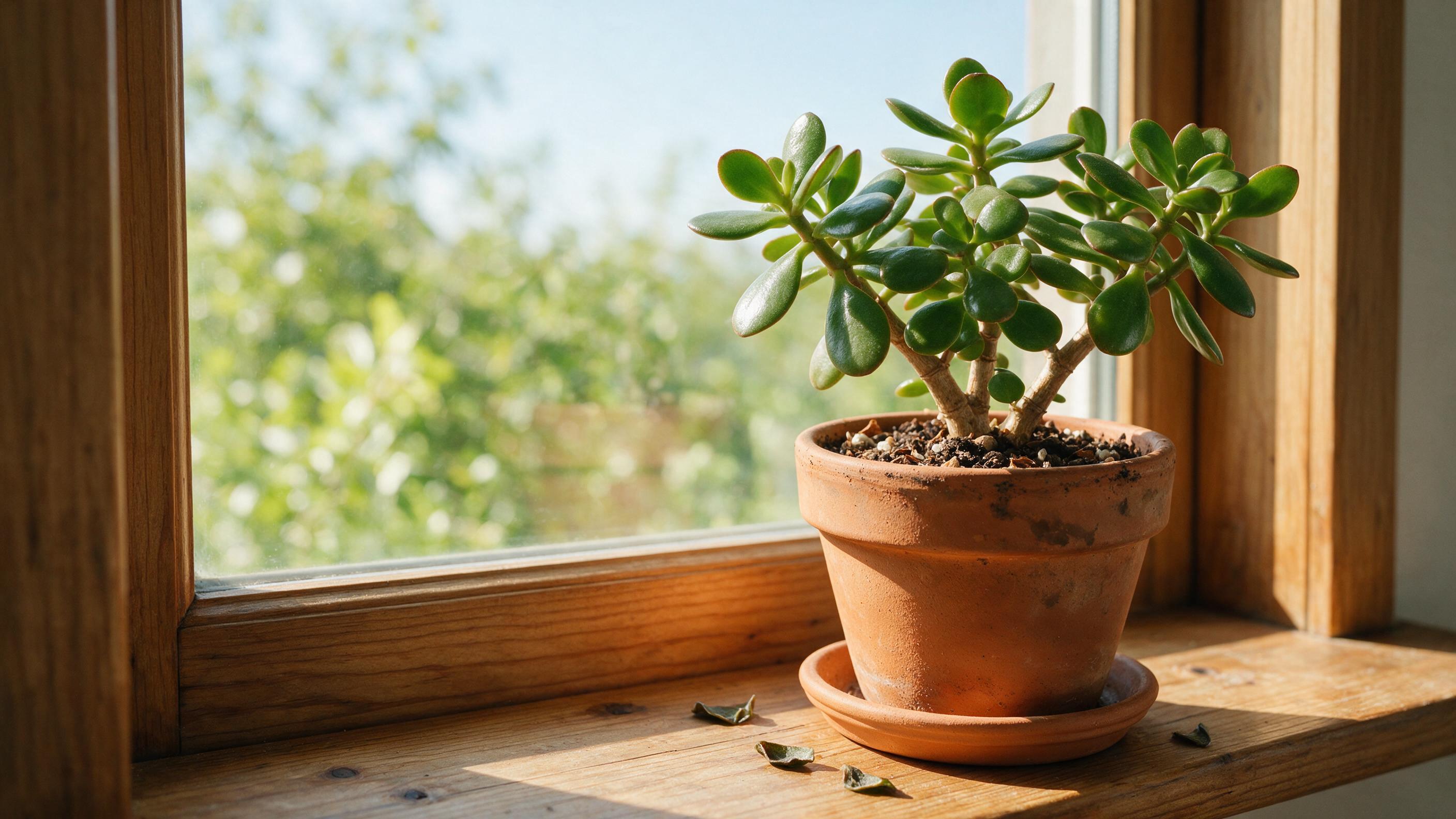
Watching your jade plant shed its plump, glossy leaves is frustrating, especially when you thought you were doing everything right. The jade plant (Crassula ovata) is a popular succulent grown for its attractive, glossy green leaves, also known as the “money plant” or the “lucky plant.” It has a reputation for being tough, but that toughness has limits.
Dropping leaves is a common sign of stress, and too much or too little care can both impact how your plant thrives. The good news is that most causes are fixable once you know what you’re looking for. This guide walks you through every likely reason your jade is losing leaves, how to pinpoint the problem, and how to bring it back to full health.
What Does It Mean When Your Jade Plant Is Dropping Leaves?
When jade plant leaves start dropping, it often indicates environmental stress or improper care routines. Most causes are preventable and treatable once identified. That said, it helps to understand that not every fallen leaf signals a crisis.
Leaf shedding in jade plants can be a natural part of their life cycle. As the plant focuses on growing new branches and leaves, older leaves at the bottom may drop off. If this leaf shedding is occasional and gradual, it is perfectly normal. A sudden and significant loss of leaves, however, may indicate a problem that requires attention.
Jade plants dropping leaves can be a sign of stress or poor health. It can be caused by many factors, including too much or too little water or light, temperature stress, fertilizer issues, or pests. Think of leaf drop as your jade’s way of sending you a message — your job is to figure out which message it’s sending.
Pro Tip: Pay attention to which leaves are falling. Lower, older leaves dropping gradually is usually natural aging. If leaves across the whole plant drop suddenly, or if the fallen leaves look yellow, mushy, or shriveled, something in the care routine needs to change.
Is Dropping Leaves in a Jade Plant Always a Sign of a Problem?
Not always. As jade plants age, they naturally shed lower leaves while pushing out new growth. This is the plant prioritizing energy toward new stems and foliage, not a distress signal. If your jade is otherwise firm, upright, and producing new growth at the tips, a few fallen bottom leaves are nothing to worry about.
The situation becomes a concern when the drop is widespread, fast, or accompanied by other symptoms like yellowing, softness, or wilting. When a plant is under stress or is simply aging naturally, it will lose lower leaves first. As long as the plant is gaining as many new leaves as it is losing at the bottom, you are generally on the right track.
Use the table below to quickly distinguish natural shedding from problem shedding:
| Characteristic | Natural Leaf Drop | Problem Leaf Drop |
|---|---|---|
| Location on plant | Lower, older leaves | Throughout the plant |
| Speed | Gradual, occasional | Sudden, rapid |
| Leaf appearance before falling | Normal color, firm | Yellow, mushy, shriveled, or spotted |
| New growth at tips | Present | Absent or stunted |
| Overall plant posture | Upright, firm | Wilting, leaning, soft stems |
Watering Issues Causing Jade Plant Leaf Drop
Watering mistakes are the single most common reason jade plants drop leaves in American homes. The tricky part is that both overwatering and underwatering can look similar at first glance, because overwatering and underwatering look the same — they are caused by the same thing: a root system that is not functioning properly. Too much water causes root rot, and too little water causes dried-up roots; neither can absorb moisture properly.
Overwatering
Overwatering is the number-one cause of dropping leaves. The plant is extremely prone to root and stem rot when the soil is too wet for long periods of time. It can hold water in its leaves and trunk, so well-draining soil is crucial to its success.
Leaves that turn yellow-green and feel soggy are classic overwatering warnings. If you press a leaf and it feels mushy rather than firm, overwatering is very likely the culprit. Overwatering causes excess moisture to accumulate around the roots, preventing them from breathing and leading to root rot, which results in leaf drop.
Underwatering
On the flip side, while overwatering is the most common cause, underwatering can also lead to jade plant leaf drop. When a jade plant does not get enough water, it starts to conserve moisture by shedding its leaves.
Crisp, brown leaf tips signal dehydration. A simple way to gauge when to water is by checking the leaves: if they are firm and rigid, the plant has enough water. If the leaves are soft and bend easily, it is time to water your jade plant.
The Right Watering Approach
Allow your jade plant to dry out completely between each watering. You can test this by feeling whether the surface of the soil is dry, but you also need to ensure that the soil below the surface is not still damp. The easiest way to do this is to poke your finger into the potting soil to a depth of one or two inches. Only when the soil is dry to that depth is it time to water your plant.
Generally, jade plants should be watered once every two weeks during the summer and once a month in the winter. Adjust based on your home’s humidity, pot size, and light conditions rather than following a rigid calendar schedule. Even with proper watering, poor drainage can cause waterlogged roots. If the soil is too compacted, it will not drain properly, which can suffocate the roots. The container also plays a role: without drainage holes, excess water cannot escape.
Pro Tip: If you tend to overwater, consider switching to a terracotta pot. The porous clay walls allow moisture to evaporate from the sides of the pot, helping the soil dry out faster between waterings.
Light Conditions Behind Jade Plant Leaf Drop
Light is the second most common trigger for jade leaf drop, and it can work against your plant in two opposite ways — too little or too much.
Too Little Light
Jade plant leaf drop is often caused by insufficient sunlight. They need at least six hours of indirect sunlight each day. Without enough light, they lose leaves, and you might notice leggy growth as they try to find more light.
If your plant is not getting enough light, it might start to drop leaves as a sign of stress. Low-light conditions cause the plant to struggle to photosynthesize, weakening it over time. This is especially common in US homes during fall and winter, when daylight hours shorten and window light weakens. Even if your plant has not been moved and was not losing leaves before, do not rule out a lack of sunlight, as seasonal changes can reduce the light it receives.
Too Much Direct Sun
Sunburn is a common problem for jade plants, especially during summer. Jade plant leaves falling is a common sign of sunburn. The sun’s rays cause the leaves to turn red or brown and eventually drop off.
If you live in a sunny region like the Southwest, be careful about placing your jade directly in a south-facing window during peak summer months. If you suspect your jade plant has sunburn, move it to a shadier spot and ensure it is getting enough water. Pruning the affected leaves can also help the plant recover.
Finding the Right Spot
Smaller plants should be kept in bright, indirect light, but mature plants can tolerate more direct sunlight. Placement by a south- or west-facing window is ideal for growing jade plants indoors. If your brightest spot still does not provide enough light, consider moving your jade plant near a south-facing window, and if it is already in the brightest spot available, consider supplementing with artificial light.
Check out this guide to best houseplants for low-light areas if you are trying to figure out which corner of your home works best for different plants.
Soil, Nutrients, and Root Health Causing Jade Plant Leaf Drop
Wrong Soil Type
Another significant factor is improper soil conditions. Jade plants require well-draining soil specifically formulated for succulents. Using regular potting soil can retain too much moisture around the roots, leading to stress that manifests as leaf drop.
Use a well-draining succulent or cactus mix, or create your own by combining regular potting soil with coarse sand and perlite. A popular DIY mix used by many US growers is 50% cactus soil, 30% perlite, and 20% coarse sand — this gives roots the drainage and airflow they need without drying out too fast.
Root Rot
Root rot is the most serious consequence of poor drainage or overwatering. When this plant’s roots become waterlogged, they cease to function properly. They are unable to supply the plant with the nutrients it needs or carry oxygen around the plant, and rotting soon starts to take place. The plant is both suffocating and starving because the roots can no longer adequately perform their function.
Healthy roots should be white and firm. If you notice black, brown, or mushy roots, root rot is present. An unpleasant, sour odor is a strong indicator of rot. According to Cafe Planta , if more than half of the roots are affected, it is a serious case of root rot, but if only a small portion is damaged, your jade has a fighting chance.
Fertilizer Problems
Jade plants are adapted to low-fertility soils in their native habitats, and excessive fertilizer can burn the leaves and roots. If you suspect a nutrient deficiency, conduct a soil test first.
Over-fertilization can cause a mineral buildup, which may lead to yellowing or drooping leaves. To fix this, flush the soil with about five times the volume of water in the pot to wash away excess nutrients, or repot the plant, making sure to clean the roots thoroughly. Going forward, apply a diluted, balanced fertilizer sparingly, only once or twice per growing season in spring and summer.
On the flip side, nutrient issues can also cause yellowing leaves. While a deficiency is possible, overfertilizing is far more common, as jade plants prefer low-quality soils. Always follow the instructions on your fertilizer packaging, and when in doubt, apply at half strength to avoid overfeeding.
Environmental Stress Triggering Jade Plant Leaf Drop
Your jade plant is sensitive to its surroundings. Changes in temperature, drafts, humidity, and even being moved from one spot to another can all trigger leaf drop.
Temperature Extremes and Fluctuations
Jade plants thrive best in temperatures between 55 and 75°F. If temperatures drop colder or warmer than this range, you run the risk of leaf drop. Both extreme heat in summer and frost in winter can negatively impact your jade plant. Even if temperatures are not extreme, sudden and large temperature fluctuations can cause stress.
To protect your plant, bring it indoors when summer temperatures exceed 85°F or winter temperatures drop below 50°F. Keep your jade plant away from doors and windows that are open for extended periods, air conditioning vents, and heaters, as these areas can cause significant temperature fluctuations.
Drafts and Dry Indoor Air
In many US homes, central air conditioning in summer and forced-air heating in winter create dry, drafty conditions that stress jade plants. Beware of placing your jade on a windowsill during winter. The draft and colder temperatures in a windowsill can cause damage.
Low humidity is generally not a major problem for jade plants since they are succulents adapted to dry conditions, but extreme dryness combined with heat or cold drafts compounds stress. Keep the plant in a stable spot away from vents and exterior doors.
Repotting Shock
Repotting can also trigger temporary leaf drop. According to gardening experts , leaf drop signals transplant shock, often from watering too soon or root damage during repotting. Stop watering for seven days, ensure bright indirect light, and avoid fertilizing. Most jades recover within three weeks if roots were not overhandled.
Pests and Disease Leading to Jade Plant Leaf Drop
Pests are an underappreciated cause of jade leaf drop, particularly in US homes where plants spend winters indoors in warm, sometimes humid conditions. Mealybugs and scale insects can cause your jade to drop leaves. They make the leaves sticky and encourage the growth of mold, as well as causing deformed and falling leaves.
Common Pests
- Mealybugs: Mealybugs are notorious for infesting jade plants, leaving a white, waxy residue and causing leaves to lose color and vigor. They also excrete honeydew, which can lead to sooty mold.
- Spider Mites: Spider mites, tiny critters notorious for creating fine webs, can also plague your jade, resulting in light-colored stipples on leaves.
- Scale Insects: Scale insects can cause jade leaves to fall off. They appear as small, flat, brown bumps on stems and leaf undersides and are easy to miss on a first inspection.
- Aphids: Aphids can attack jade plants, causing leaf drop. Look for clusters of tiny soft-bodied insects on new growth.
Fungal Disease
Powdery mildew is a fungal disease that thrives in high humidity with poor air circulation. It shows up as a white, dusty coating on leaves and stems. Over time, it can cause leaf distortion, yellowing, and premature leaf drop. The fungus spreads quickly, so isolation of the affected plant is important.
Root rot caused by the fungal pathogen Phytophthora is another disease concern. Symptoms start as watery spots on the leaves similar to blisters. These then go on to become soft and mushy, so it is quite easy to confuse with root rot.
Treating Pests
For a mealybug infestation, start with alcohol-soaked cotton swabs to remove visible bugs. Insecticidal soaps or neem oil can serve as your next line of defense. Prevent spider mites by keeping your jade well-watered and wiping leaves clean. Always quarantine a pest-affected plant away from your other houseplants immediately to prevent spread.
If you find pests difficult to identify by eye, a plant identification app or Android plant app can help you confirm what you’re dealing with before treating.
How to Diagnose Why Your Jade Plant Is Dropping Leaves
Diagnosing the cause of jade leaf drop is a process of elimination. Work through these steps in order before reaching for any treatment.
- Check the leaves as they fall. Are they yellow and soft (overwatering)? Shriveled and brown-tipped (underwatering)? Spotted or sticky (pests)? The leaf’s appearance at the time of drop is your first clue.
- Feel the soil. A pot that remains heavy days after watering is a common indicator of trapped moisture. If the soil feels wet and the leaves are yellowing, overwatering is likely. If the soil is bone dry and the leaves are wrinkled, underwatering is the culprit.
- Inspect the roots. The most definitive way to diagnose root rot is by examining the roots themselves. Carefully remove the jade plant from its pot. Shake off excess soil and look at the roots. You are checking for telltale signs of rot: dark, mushy roots.
- Look for pests. Inspect your jade plant regularly for unwanted guests. Mealybugs can often be spotted as small, white masses in the nooks of your plant. Spider mites, though more elusive due to their size, leave telltale webs and stippled leaves.
- Evaluate the environment. Has the plant been moved recently? Has the season changed? Are heating or cooling vents nearby? Environmental shifts are easy to overlook but frequently responsible for sudden drops.
- Review your fertilizer history. If you have been feeding your jade regularly, over-fertilization can cause a mineral buildup, which may lead to yellowing or drooping leaves.
Pro Tip: Use a cheap moisture meter to remove the guesswork from watering. According to Evergreen Seeds, readings above 30% usually mean overwatering, while below 10% signals drought stress.
How to Fix a Jade Plant That Is Dropping Leaves
Once you have identified the cause, here is how to address each one effectively.
Fix Overwatering and Root Rot
According to Epic Gardening , moisture stress caused by overwatering is more likely in jade plants since they are drought-tolerant. Only water when the soil has almost completely dried out, and ensure proper drainage to prevent problems.
If root rot is present, act quickly. Unpot the plant and gently remove as much soil as possible. Inspect the roots and trim away any black, mushy, or foul-smelling sections with sterilized scissors. Allow the healthy roots to dry for 24 to 48 hours before repotting. Place the plant in fresh, dry succulent soil with excellent drainage. Water sparingly, only once the soil is completely dry.
Fix Underwatering
If your jade is dropping shriveled, dry leaves, give it a thorough soak. Soak the soil thoroughly by applying water to the surface. Allow the water to drain through the soil completely, and then do not water again until the soil is dry once more. Going forward, check the soil by touch rather than following a fixed schedule.
Fix Light Problems
Move the plant to a brighter spot if light is insufficient — ideally near a south- or west-facing window. If you are moving it from a dim spot to a bright one, do it gradually over one to two weeks to avoid sunburn shock. If you suspect sunburn, move it to a shadier spot and ensure it is getting enough water. Pruning the affected leaves can also help the plant recover.
Fix Soil and Nutrient Issues
Choose a pot with good drainage and use fresh, well-draining soil. A cactus or succulent mix is ideal for jade plants. After repotting, water the plant lightly and then allow the soil to dry out completely before watering again.
If over-fertilization is the problem, flush the soil with about five times the volume of water in the pot to wash away excess nutrients, or repot the plant, making sure to clean the roots thoroughly. Then hold off on any fertilizer for at least six to eight weeks.
Fix Pest Infestations
If any signs of pests are discovered, quarantine the plant and treat it immediately. For mealybugs, use alcohol-soaked cotton swabs on visible bugs, then follow up with neem oil or insecticidal soap. Repeat treatments every five to seven days for three weeks to break the pest life cycle. For fungal disease, improve air circulation and treat with a diluted copper fungicide.
If your cats are also a source of stress for your houseplants, check out tips on keeping cats out of houseplants to protect your recovering jade.
How to Prevent Jade Plant Leaf Drop Going Forward
The best long-term strategy is building a care routine that matches your jade’s actual needs rather than a generic watering calendar. Here are the most effective preventive habits:
- Water by soil feel, not by schedule. A common mistake is watering on a schedule regardless of what the plant actually needs. Instead, check the soil moisture level before watering by sticking your finger into the soil about an inch deep. If it feels dry, it is time to water. If it is still moist, wait a few more days.
- Adjust for seasons. In the growing season (spring and summer), you might find you need to water more frequently than in the dormant months (fall and winter). Adjusting your watering routine with the seasons can help prevent root rot and keep your jade plant happy.
- Use the right pot and soil. Drainage is key. Choose a pot with adequate drainage holes to ensure excess water can escape. The soil should be a well-draining mix, ideally with ingredients like perlite or coarse sand.
- Maintain stable temperatures. Maintain temperatures between 65 and 75°F for optimal growth, avoiding extreme fluctuations or exposure to cold drafts.
- Fertilize sparingly. Use a diluted, balanced fertilizer (10-10-10) only during spring and summer growth. Skip fertilizing entirely in fall and winter when the plant is dormant.
- Inspect regularly. Frequently examine your jade plant for signs of stress, pests, or disease to catch issues early. Adjust your watering frequency and lighting conditions based on the changing seasons.
- Remove fallen leaves promptly. Remove fallen leaves from the soil surface to prevent potential pest and disease issues. These leaves can be propagated if they are healthy and intact.
- Repot carefully and infrequently. Consider repotting if you notice roots growing through drainage holes, slowed growth, or frequent leaf drop despite proper care. Avoid repotting more often than necessary, as even the repotting process can stress roots.
Jade plants share some care similarities with other popular succulents. If you enjoy growing drought-tolerant plants, you might also find value in reading about different types of aloe vera plants or exploring rubber plant varieties, which have overlapping care needs when it comes to light and watering.
Pro Tip: Take a photo of your jade plant every two to three weeks. Side-by-side comparisons make it much easier to spot gradual changes in leaf color, firmness, or fullness before they become serious problems.
FAQ
Why is my jade plant dropping leaves after repotting?
Leaf drop after repotting signals transplant shock, often from watering too soon or root damage during repotting. Stop watering for seven days, ensure bright indirect light, and avoid fertilizing. Most jades recover within three weeks if roots were not overhandled.
Why is my jade plant dropping leaves in winter?
This is more common during winter when sunlight is less intense. The best solution is to move it to a brighter location with more sunlight hours. Beware of placing it on a windowsill during the winter. Also reduce watering frequency significantly during the dormant season.
Can I save a jade plant with severe root rot?
If more than half of the roots are affected, it is a serious case of root rot, but if only a small portion is damaged, your jade has a fighting chance. Trim all mushy roots with sterilized scissors, let the roots air-dry for 24 to 48 hours, and repot in fresh succulent soil. If most of the stems are soft and discolored on the inside, it is likely that most of the roots have already died and the jade will not recover. If you believe that is the case, take lots of healthy tip cuttings and try to propagate them.
Should I remove the leaves that have already fallen?
Yes. Remove fallen leaves from the soil surface to prevent potential pest and disease issues. These leaves can be propagated if they are healthy and intact. Leaving fallen leaves on the soil invites mold and fungal growth.
How do I know if my jade plant needs more or less water?
If the leaves are firm and rigid, the plant has enough water. If the leaves are soft and bend easily, it is time to water your jade plant. You can also poke your finger one to two inches into the soil — only water when that depth feels completely dry.
Can I use regular potting soil for my jade plant?
While you can use regular potting soil, it is not the best choice for jade plants. A well-draining mix specifically designed for cacti and succulents is recommended to prevent waterlogging. Amend any mix with perlite or coarse sand if needed.
Is jade plant leaf drop contagious to other plants?
Leaf drop itself is not contagious, but the underlying causes can be. Pests like mealybugs and spider mites spread easily between plants, and fungal diseases like powdery mildew can travel via air or shared tools. Always quarantine a sick jade plant and sanitize any tools you use on it before touching other plants. For more on plants that naturally deter pests in your space, see our guide on plants that repel wasps and plants that repel snakes.