
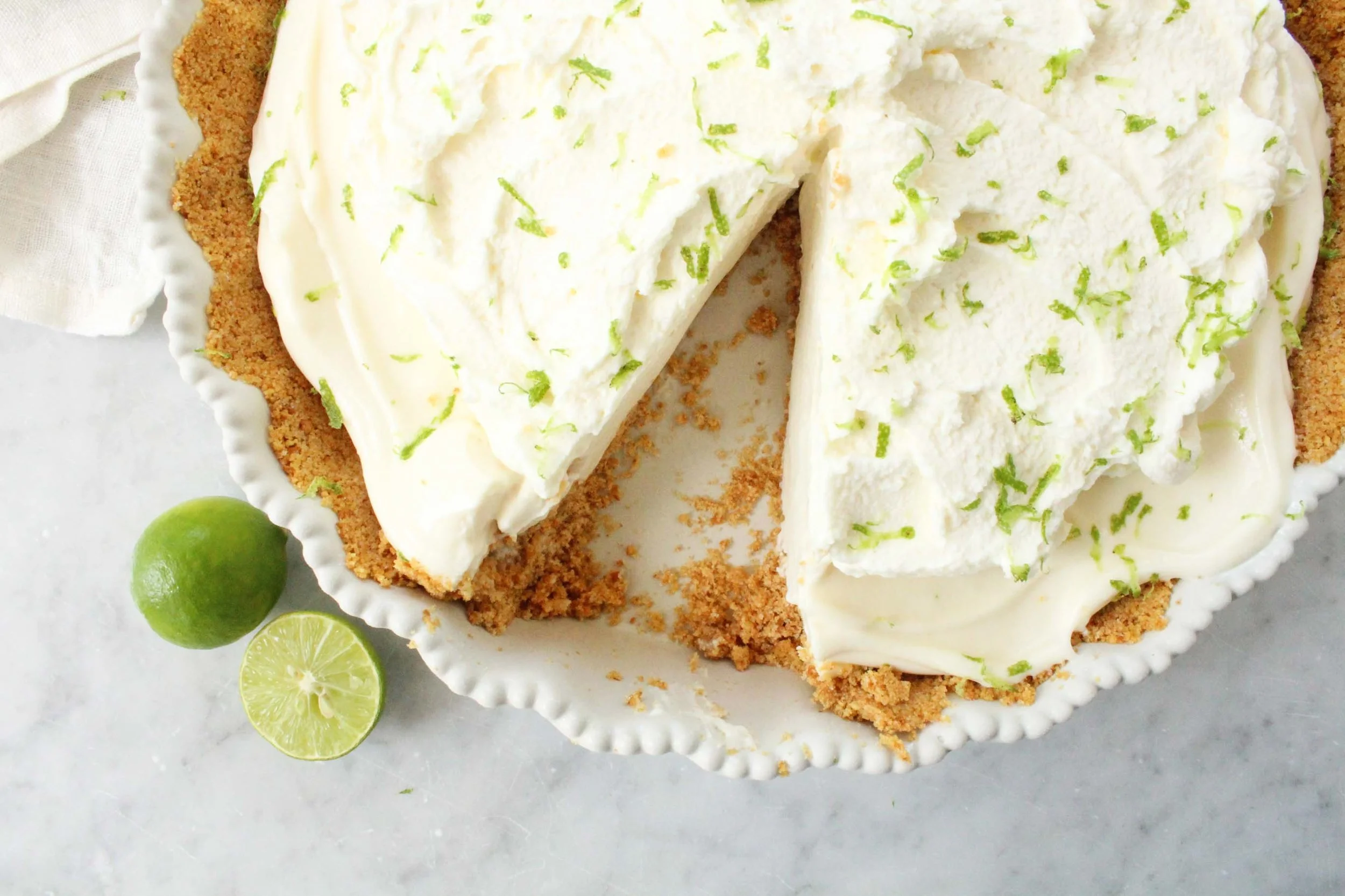
Key lime pie is one of those desserts that practically begs to be made in large batches — especially during summer cookouts, holiday gatherings, or any time fresh key limes are available. But once the party’s over and you’re staring at half a pie in the fridge, the question becomes: can you freeze it, whipped cream topping and all?
The short answer is yes. Key lime pie freezes very well. The longer answer involves a few important decisions about how you handle the whipped cream topping, how tightly you wrap everything, and how you thaw it later. Get those steps right, and you’ll have a slice that tastes almost as good as the day you made it.
Can You Freeze Key Lime Pie?
Yes, you can freeze key lime pie — and it actually freezes well. It’s even sold frozen in the freezer section of grocery stores across the country. That’s a strong sign the pie’s core ingredients handle low temperatures without falling apart.
Key lime pie is a dessert that takes exceptionally well to the freezing process. The filling — typically made with sweetened condensed milk, key lime juice, egg yolks, and sometimes sour cream — has a dense, custard-like structure that holds up better than many other pie fillings when frozen and thawed.
The bigger question most home bakers have is what to do about the whipped cream on top. Opinions are split. You can freeze the pie with whipped cream or other toppings already on it, but you can also wait to add toppings after the pie is thawed. Both approaches work — it just depends on your timeline and how much you care about the topping’s texture after thawing.
Pro Tip: If you’re making the pie specifically to freeze, hold the whipped cream and add it fresh right before serving. If the pie already has whipped cream on it and you need to freeze it, go ahead — just know the topping may weep or deflate slightly after thawing.
Does Freezing Change the Texture or Taste of Key Lime Pie?
For the filling and crust, the changes are minor when you freeze and thaw correctly. Key lime pie will freeze without any significant changes to texture or taste, as long as it’s wrapped properly. That said, there are a few things worth knowing before you commit a whole pie to the freezer.
Key lime pies often feature a graham cracker crust known for its delicate crunch. Freezing can cause this crust to lose some of its crispness, resulting in a soggier, softer texture when the pie is thawed — partly due to moisture released from the filling as it freezes and thaws.
The creamy filling is also susceptible to minor texture changes. The custard-like filling can sometimes undergo slight separation when frozen, which may cause it to become a bit more watery or grainy once thawed — especially if the pie wasn’t tightly wrapped or was stored for an extended period.
Now for the whipped cream: this is where freezing gets tricky. Meringue and whipped cream will not keep well in the freezer. If you plan to eat your pie frozen, it could work — but the main problem comes with thawing. Both toppings can get runny, which is simply no good.
The flavor of the filling, however, holds up well. While freezing may not preserve the pie’s texture and flavor as perfectly as freshly made pie, with proper storage and thawing techniques it can still be a delicious and convenient option. The zesty, refreshing taste of key lime pie can still shine through.
How to Freeze Key Lime Pie the Right Way
The method matters more than most people realize. Rushing the process or skipping the pre-freeze step leads to a soggy crust and a watery filling. Follow these steps and your pie will come out of the freezer in far better shape.
- Cool completely first. Let your pie cool completely before freezing. This helps prevent condensation from forming, which can make your pie soggy.
- Chill in the fridge. Before freezing, refrigerate the pie for a few hours to firm it up. This helps preserve the texture when it freezes.
- Do the first freeze unwrapped. Place the baked and cooled pie in the freezer, uncovered, in its tin. Freeze it for 2–4 hours or until it’s mostly solid. This step prevents the plastic wrap from pressing into the filling and ruining its surface.
- Wrap tightly. Use plastic wrap to fully cover the pie, with no exposed areas. Wrap it in another layer of plastic wrap, making sure to get out as much air as possible. Then wrap it completely in aluminum foil.
- Add a freezer bag. For an added layer of protection, place the wrapped pie in a freezer bag. This is especially helpful for preventing freezer burn and keeping out any odors from other foods in your freezer.
- Label and date. Be sure to label it with the date and contents. You’ll thank yourself later when you can’t remember when you froze it.
Freezing individual slices: Place individual slices on a plate, not touching, and freeze until firm. Then wrap each slice in plastic wrap twice and place in an airtight bag or container. This is the most practical approach if you want to pull out one slice at a time rather than committing to an entire pie.
Pro Tip: If you need to ship frozen food to friends or family, check out this guide on how to ship frozen food with ease to make sure your pie arrives in perfect condition.
How Long Can You Freeze Key Lime Pie?
Storage times vary slightly by source, but the general consensus points to one to three months as the sweet spot for quality. Key lime pie lasts a pretty long time in the freezer compared to the five days it survives in the fridge. Technically, it could last a year — however, your ideal time frame is three months. One to three months in the freezer guarantees delicious, perfectly textured pie.
You can freeze key lime pie for up to two months for the best eating quality, according to most baking sources. The expert at Kermit’s Key Lime Pie Shop in Key West — one of Florida’s most well-known pie destinations — recommends a slightly shorter window: “Your pie can freeze for up to 60 days,” says Geoff Repella, president of Kermit’s Key Lime Pie Shop.
| Storage Method | How Long It Lasts | Quality Notes |
|---|---|---|
| Room temperature | No more than 4 hours | Not safe beyond this window |
| Refrigerator | 3–5 days | Best in first 1–2 days |
| Freezer (well-wrapped) | 1–3 months | Best quality within 60 days |
A homemade key lime pie will last 3–5 days in the refrigerator, but it will start losing freshness after the second day. If you can’t eat it right away, you may want to freeze it while it’s still fresh. Freezing a fresh pie always yields better results than freezing one that’s already been sitting in the fridge for three days.
How to Thaw Frozen Key Lime Pie
Thawing correctly is just as important as freezing correctly. The goal is a slow, controlled temperature rise that keeps the filling smooth and prevents the crust from turning to mush.
The best method: overnight in the refrigerator. When you’re ready to enjoy your frozen key lime pie, transfer it from the freezer to the refrigerator and let it thaw overnight. Avoid thawing at room temperature to preserve the pie’s texture. Once thawed, the pie can be served chilled.
In a hurry? You can remove the frozen key lime pie from the freezer and place it on your countertop and let it thaw at room temperature for about thirty minutes, depending on the temperature and humidity of the room. It may thaw faster if the room isn’t air conditioned and it’s a hot summer day.
Never microwave it. Microwaving can cause the filling to separate or the crust to become gummy. Skip this shortcut entirely.
If time permits, let the pie sit at room temperature for 15 to 30 minutes after refrigerator thawing. This step enhances the flavor and brings the filling to a smoother, more palatable consistency.
Once the pie is thawed, add fresh whipped cream before serving. This gives you a topping with the right texture and volume — something a frozen-then-thawed whipped cream topping rarely delivers.
Can You Refreeze Key Lime Pie After Thawing?
This is where you need to be careful. Refreezing is technically possible in some situations, but it comes with real trade-offs in texture and food safety.
If you let the pie thaw completely, it simply will not refreeze as well. You may find the texture is a little off. One round may be okay, but multiple rounds of freezing and thawing will ruin it. It’s best to play it safe and keep it cold.
Many people make the error of refreezing key lime pie without checking for any signs of spoilage. If the pie has already been partially thawed or has been sitting out for too long, it’s important to inspect the pie for changes in texture, odor, or appearance before attempting to freeze it again.
The most practical solution to avoid the refreezing problem altogether is to freeze the pie in individual slices from the start. Consider slicing the pie into individual portions before freezing. This allows you to thaw only what you need, preventing the entire pie from going to waste. Pull out one slice at a time, and you never have to worry about refreezing a partially thawed pie.
Important Note: Once a key lime pie has been fully thawed in the refrigerator, treat it like a fresh pie. Keep a thawed key lime pie covered in the refrigerator for up to 3 or 4 days. Do not refreeze it at that point.
How to Use Frozen Key Lime Pie (Best Uses After Freezing)
A thawed key lime pie is most at home served the same way you’d serve a fresh one — cold, with a fresh topping and maybe a little lime zest. But frozen key lime pie also opens up a few fun serving options you might not have considered.
- Serve it partially frozen. The pie can be sliced or eaten directly from the freezer. It will have the consistency of ice cream — which makes it a fantastic warm-weather dessert on its own terms, no thawing required.
- Use it as a frozen dessert base. Slice a frozen piece, plate it, and top with a scoop of vanilla ice cream and a drizzle of fresh lime juice for a layered dessert that takes almost no effort.
- Top fresh before serving. Add an extra touch of freshness by garnishing with some whipped cream, lime slices, and a sprinkle of key lime zest before serving.
- Serve at summer gatherings. Because the pie can be made well in advance and pulled from the freezer the night before, it’s one of the easiest make-ahead desserts for backyard cookouts, Fourth of July parties, or any warm-weather occasion.
- Pair with fresh berries. Fresh strawberries or blueberries go very well with key lime pie and add a pop of color that makes the plate look as good as it tastes.
If you enjoy experimenting with foods that pair well with citrus desserts, you might find inspiration browsing foods that start with L — lychee, lemon curd, and lime sorbet all complement the flavor profile of key lime pie nicely.
Signs That Frozen Key Lime Pie Has Gone Bad
Even when frozen, key lime pie won’t last forever. Knowing what to look for before you serve it protects you and anyone else at the table.
Check the appearance first. Look for mold formation — green, blue, or white spots point to spoilage. Discoloration or a duller appearance indicates potential issues. If the filling separates from the crust, it usually means the pie has passed its prime.
Trust your nose. A sour or off-putting odor is a clear indication that the pie has gone bad. Key lime pie has a naturally tart, citrus smell — anything that smells fermented, rancid, or just “wrong” means it’s time to toss it.
Watch for texture red flags. The filling might also appear slimy or watery — a sign that bacterial activity has begun. A small amount of liquid separation after thawing can be normal, but anything excessive or cloudy is a warning sign.
Taste carefully — and only if everything else looks fine. A pie that has gone bad often exhibits clear flavor indicators. If the pie tastes noticeably sour beyond the normal tang of key limes, this signals spoilage. An unexpected bitter flavor can indicate the presence of spoiled ingredients.
Watch for freezer burn. Any food can get freezer burn, including pies. Freezer burn occurs when food dehydrates in the freezer, typically from a mixture of dehydration and air exposure. Freezer-burned pie will have dry, discolored patches and a noticeably off flavor. It’s safe to eat but won’t taste good.
If in doubt, err on the side of caution — consuming spoiled pie can lead to foodborne illness, with symptoms ranging from mild gastrointestinal discomfort to severe dehydration. No slice of pie is worth that risk.
Frequently Asked Questions
Can you freeze store-bought key lime pie?
Yes. Whether it’s homemade, semi-homemade, or store-bought, you can freeze them all. Store-bought key lime pie often contains preservatives that can extend its shelf life slightly compared to homemade pie. Be sure to always check the expiration date and follow the manufacturer’s storage instructions.
Can I freeze key lime pie with Cool Whip instead of whipped cream?
Cool Whip is a stabilized topping and actually holds up better in the freezer than fresh whipped cream. Versions made with Cool Whip have become popular over the years, and some recipes are specifically designed to be served frozen. If your recipe calls for Cool Whip, freezing with the topping on is a much safer bet than freezing fresh whipped cream.
How do I keep the graham cracker crust from getting soggy?
Transfer the frozen pie from the freezer to the refrigerator 12 to 24 hours before serving. This gradual thawing prevents the crust from becoming soggy and allows the filling to soften evenly. Rushing the thaw at room temperature is the main culprit behind a soft, wet crust.
Can I eat key lime pie straight from the freezer?
Absolutely. If you prefer a frozen treat, you can eat your pie directly from the freezer. The texture is closer to ice cream at that point, which many people actually prefer during hot weather.
What’s the best way to freeze individual slices?
Key lime pie can be frozen for up to 3 months. For optimal results, slice it into individual servings, wrap tightly, and label with the date before freezing. Store the wrapped slices together in a large freezer bag so they’re easy to find and stay protected from odors.
Does key lime pie need to be refrigerated before freezing?
Yes — and this step matters. It’s essential to let the pie cool completely and even chill it in the refrigerator before freezing to help preserve its texture. Skipping the fridge step and going straight from the counter to the freezer increases the risk of condensation and a soggy crust.
For more food storage guides and kitchen tips, explore foods that start with K or browse our other helpful resources on foods that start with C for creative ideas on what to make — and how to store — your next batch of homemade treats.