Why Is My African Violet Not Blooming? What’s Really Going On and How to Fix It

September 2, 2026
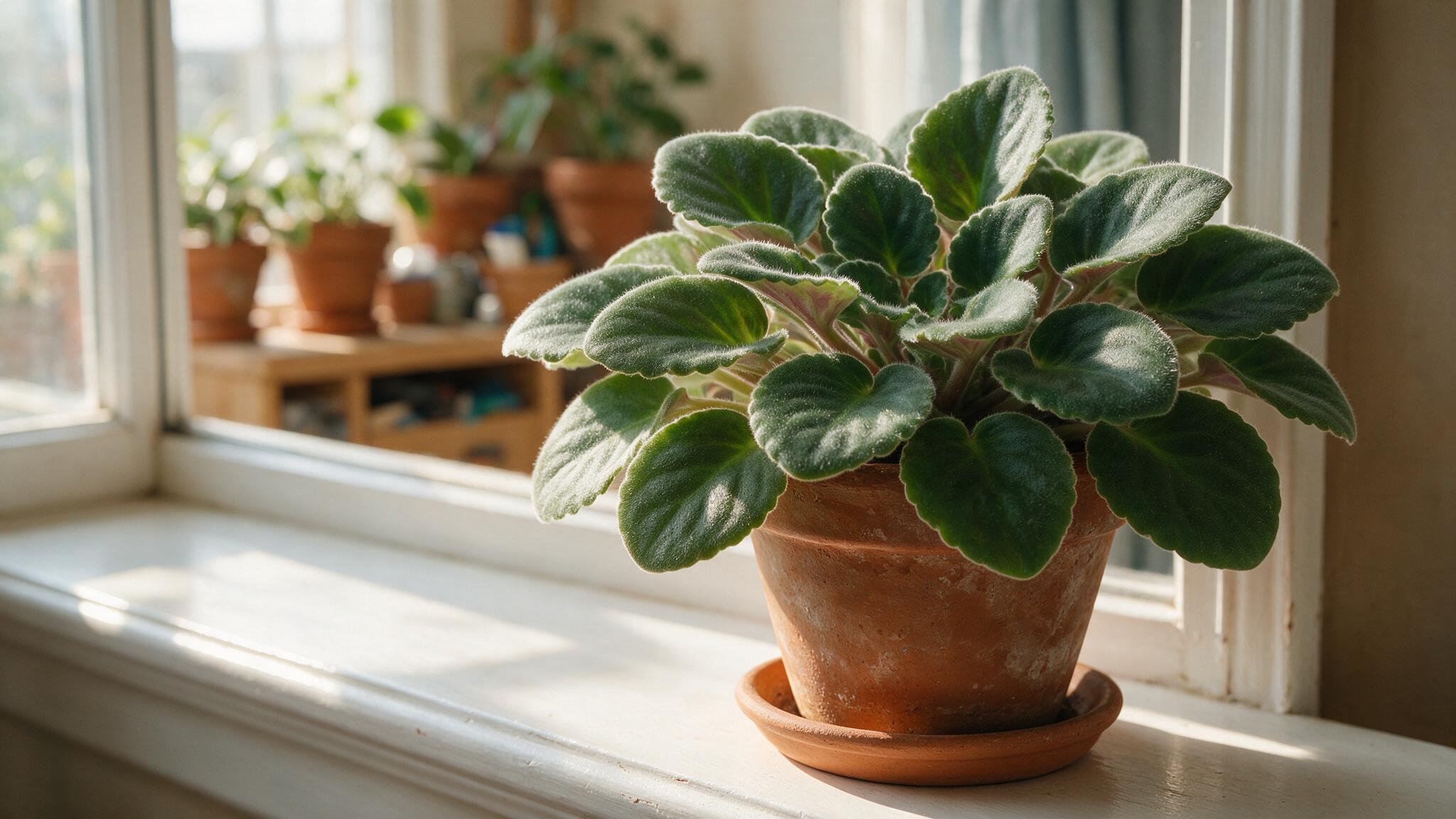
You water it faithfully, you keep it on the windowsill, and the leaves look perfectly lush — so why is your African violet sitting there without a single flower? It’s one of the most common frustrations among houseplant owners in the US, and the good news is that it almost always comes down to something fixable.
African violets (Saintpaulia spp.) are famous for being among the most reliable blooming houseplants available, capable of flowering for most of the year when conditions are right. But they are also surprisingly particular about a handful of care factors — and when even one of those is off, the blooms stop. This guide walks you through exactly what’s happening inside your plant right now, what’s causing it, and what you can realistically do about it.
What’s Actually Happening to Your African Violet Right Now
When your African violet stops blooming, it isn’t being stubborn. It’s redirecting energy. Rather than a sudden case of stage fright, a bloom shutdown is usually linked to an environmental imbalance that needs correcting. The plant is making a calculated decision: survival and root or leaf growth take priority over flowering when resources are stretched thin.
All plants rest between bloom cycles, but African violets typically take just a month or two to rebound. Plants are living things, which means changes take time — provide what they need and buds will gradually form. The key is figuring out which resource is missing or out of balance before you start adjusting things randomly.
A blooming African violet usually needs bright indirect light for many hours, a small pot, healthy roots, and gentle regular care. If only one of those is missing, fertilizer alone will not solve the problem. Think of it as a checklist — you need most of the boxes checked before flowers appear.
Pro Tip: Before changing anything, spend a few minutes observing your plant. Are the leaves stretching upward? Is the soil staying wet for days? Are there tiny pups sprouting at the base? Each clue points to a specific cause — and fixing the wrong thing won’t bring back the blooms.
Is This Normal, or a Sign Something’s Wrong?
Sometimes a bloom pause is completely normal. African violets can experience a period of dormancy during which they may not bloom. This is typically a short-lived phase, and with proper care, the plant should resume blooming eventually. If your plant looks otherwise healthy — firm leaves, no yellowing, no mushy stems — a temporary rest is nothing to panic about.
However, there are signs that something more serious is going on. The lack of blooms on your African violet could be because of disease or pests. If your plant has spots on the leaves, appears wilted, or is stunted in growth, it’s possible that fungi or insects are causing some damage. Powdery mildew, for instance, shows up as white patches on the leaf surface and can halt flowering entirely.
Aphids suck sap from new growth tips and leave waxy deposits on the leaves. Thrips are small, slender insects that feed on new growth and leave silver scars behind. Whiteflies are also a problem, causing wilting of the leaves and stunted blooms. If you spot any of these, address the pest problem first — no amount of light or fertilizer adjustments will help until the plant is pest-free.
On the other hand, if the leaves are dark green and healthy but there are simply no flowers, that points to a care or environmental issue rather than disease. If your plant has dark healthy leaves but no blooms, try increasing the light. That single clue narrows things down considerably.
The Real Trigger Behind Not Blooming
Light is the single most common reason African violets stop flowering, and it’s also the most frequently underestimated one. Without 12 to 16 hours of bright, indirect sunlight daily, the houseplants may not have enough energy to create and sustain blooms. That’s a lot of light — and most US homes, especially in northern states during winter, simply don’t deliver it naturally.
Too little sunlight causes them to stretch for the light and produce few or no flowers; too much sun can burn the leaves. An east-facing window is ideal, especially with a sheer curtain to block the sun’s harshest rays. If you’re in a south- or west-facing room, position the plant a few feet back from the glass rather than directly on the sill.
Here’s the part many growers miss: African violets also need eight hours of darkness every night. Although they need sufficient light in order to produce a flowering hormone known as florigen, florigen does not trigger blooming until it gets dark. If your plant sits under a lamp that stays on late into the evening, it may never get the darkness signal it needs to flower.
If your home doesn’t have a great natural light situation, artificial lighting is a real and effective solution. You can use fluorescent lights or LED lights for 16 hours per day, keeping the plant tops about 12 inches from the lights. Many US growers in apartments or north-facing rooms have great success with a simple grow light on a timer.
Pro Tip: Set a grow light on a timer for exactly 14 hours on and 10 hours off. This gives your African violet the light it craves while preserving the darkness it needs to trigger the blooming hormone florigen — no guesswork required.
Watering is the second major trigger. It’s a delicate balance trying to keep the soil of an African violet evenly moist. Too much water and the roots may rot; not enough, and they will wilt. Both scenarios can cause your plant to stop blooming or prevent it from starting in the first place.
The bottom-watering method is one of the best ways to get this balance right. Place your plant in a sink filled with 2–4 inches of water. Leave the plant to soak for up to 45 minutes. Test the top of the soil for moisture. If it still feels dry, water a little from the top. When your plant’s soil is evenly damp, drain the sink and allow the plant to rest while it drains thoroughly. This method also keeps water off the leaves, which matters — water on the foliage may cause permanent leaf spotting.
Fertilizer is the third major trigger, and it works in both directions. Too much fertilizer with high nitrogen content can lead to lush foliage at the expense of flowers. You’ll end up with a gorgeous green rosette and no blooms at all. On the flip side, if you do not fertilize on a regular basis, they may not have the necessary nutrients to spend on flowers.
The fix is using the right formula at the right dose. Many growers have the best success fertilizing once a week with a mild fertilizer designed for African violets. A balanced formula such as a 20-20-20 or one that has slightly more phosphorus, like a 15-20-15, will do well in most growing situations. Phosphorus is the nutrient most directly linked to flower production, so a formula that skews higher in the middle number of the N-P-K ratio is a smart choice when blooms are your goal.
Other Factors That Can Speed It Up or Make It Worse
Pot size has a bigger effect on blooming than most people realize. The African violet likes to be root-bound in a small pot. If you’ve planted it in a pot too big for its root system, it may use all of its energy to grow new roots instead of blooms. On the other hand, if the pot is too small, the lack of space can restrict growth and prevent new blooms.
The rule of thumb from Smithsonian Gardens is straightforward: the diameter of the container should measure no more than one-third the width of the plant’s leaf span. A plant with a leaf span of 12 inches, for example, requires a 4-inch pot. Most US gardeners go too big when they repot — resist that instinct.
Temperature and humidity are also factors that are easy to overlook, especially in US homes with central air and heating. African violets prefer temperatures between 65°F and 75°F (18°C to 24°C) and a humidity level of 40–60%. If the environment is too hot, cold, or dry, the plant may not bloom. A plant sitting next to a heating vent in winter or a cold drafty window can shut down its bloom cycle even if everything else is perfect.
Suckers — the small offshoot plants that sprout at the base of the main crown — are another bloom-killer that often goes unnoticed. The extra suckers divert the plant’s energy from producing flowers to producing more foliage. For the best flowering results, the plant should have only one main crown. If your plant starts to develop suckers, you can carefully remove these. The good news is that extra suckers can be used to start new plants if desired — so nothing goes to waste.
Salt buildup in the soil is a slower but real problem, especially for plants that have been in the same pot for more than a year. Flush the mix occasionally with plain water to reduce salt buildup, especially if you see a pale crust on the soil or pot rim. Excess fertilizer salts can inhibit nutrient uptake and quietly suppress blooming over time.
| Factor | Too Little | Too Much | Ideal Range |
|---|---|---|---|
| Light | Leggy growth, no blooms | Scorched or bleached leaves | 12–16 hrs bright indirect daily |
| Water | Wilting, crispy leaves | Root rot, mushy stems | Evenly moist, never soggy |
| Fertilizer | Weak or no blooms | Lush foliage, no flowers | Balanced or high-P, diluted weekly |
| Temperature | Bloom drop, stunted growth | Growth stops above 90°F | 65–75°F consistently |
| Pot size | Restricted growth | Energy goes to roots, not blooms | Pot = 1/3 of leaf span diameter |
Can You Reverse It?
For most of the causes above, yes — you can absolutely reverse a bloom shutdown, but you need to set honest expectations about timing. When African violets have good genes and the right growing conditions, you can expect flowers every 2–6 months. Each set of blooms can last a few weeks. So even after you correct the problem, you may be waiting several weeks before you see the first bud.
If the issue was light, water, or fertilizer, the recovery path is straightforward: fix the condition, be consistent, and wait. African violets will stop blooming if they are overwatered or underwatered. Once you correct the watering schedule, the plant should recover and begin blooming again. The same applies to light and nutrients — consistency after the fix matters more than the fix itself.
Root rot is a harder situation. If the roots have been sitting in soggy soil for an extended period, some of that damage is permanent. You can try removing the plant from its pot, trimming away any black or mushy roots, letting the remaining roots air dry briefly, and repotting into fresh, well-draining mix. Recovery is possible but not guaranteed, and the plant will need weeks to stabilize before it considers blooming again.
Genetics are the one factor you truly cannot reverse. Some violets are simply shy bloomers — they do not have the genetic tendency to bloom freely. You can work through everything on the care checklist and still not see any flowers, because genetics matter. Some are prolific bloomers — even with lousy growing conditions — while others are divas that may never flower. But if yours has flowered previously, there is hope.
If you propagated your plant from a leaf cutting, you may simply need to wait for maturity. If you have a young plant, don’t expect it to bloom right away. If you purchased your plant at a retail establishment, chances are it is already full-size and already blooming. If, however, you propagated your plant from leaf cuttings, seeds, or suckers, you will need to wait until your plant is nearly fully grown before you can expect it to bloom.
One surprisingly effective trick from the African Violet Society of America is worth trying on a stubborn plant: tap the pot of a non-blooming violet firmly on a hard surface to disturb the roots. This minor disturbance often results in flowering within a month or two. It sounds counterintuitive, but a mild stress signal can trigger the plant’s survival instinct to produce flowers.
Key Insight: Removing spent blooms promptly can actually speed up the next flowering cycle. According to Empress of Dirt , after removing finished blooms, new buds can form in 6 to 8 weeks — so don’t leave old flower stalks on the plant.
How to Prevent It Next Season
Prevention is mostly about building consistent habits rather than making dramatic changes. Take time every day to check on your plant’s soil moisture, light exposure, and overall health. Keep a consistent watering and fertilizing schedule throughout the year. Rotate your plant periodically for even sunlight distribution. That last one is easy to forget — Penn State Extension notes that rotating the pot ensures all sides of the plant receive equal light, which supports a fuller, more even bloom display.
Repotting on a regular schedule keeps the soil fresh and prevents salt buildup. It is recommended to repot African violets once a year to help deliver new nutrients to the plants and remove salt buildup. When you do repot, it is good practice to refresh the soil periodically. You can often repot the plant into the same pot after cleaning it well, using fresh potting mix — so you don’t have to upsize if the current pot is already the right diameter.
Soil mix matters more than most people think. African violets need special potting mix and can’t survive in conventional blends. A long-time good recipe for potting mix is one part each of Canadian sphagnum peat moss, perlite, and vermiculite. If using a commercial African violet potting mix from the store, it is often best to mix it half and half with perlite to achieve a mix that won’t pack into a heavy ball.
Adjust your light setup seasonally. Did a tree outside grow bigger, blocking more light? Did you move the plant? Is it winter now, and the sun’s angle has changed dramatically? These seasonal shifts are the most common reason a plant that bloomed beautifully all summer suddenly goes quiet in fall. In northern US states especially, supplementing with a grow light from October through March can keep blooms coming year-round.
Keep an eye on your indoor climate, not just the plant itself. Temperatures below 60°F or above 80°F will result in reduced bloom. Keep violets away from frosty window panes or cold drafts during cold winter months. If your home runs dry in winter thanks to forced-air heat, place the plants on trays filled with wet pebbles to increase the humidity — a simple fix that makes a real difference. You can also explore other low-light houseplant options to complement your African violet collection in darker rooms.
Finally, stay on top of grooming. Remove spent flower stalks and dead leaves so the crown stays open and the plant can put energy into new growth. To keep their growth symmetrical, turn plants slightly every week. By the end of each month the plant should receive a complete 360° turn so that all the leaves receive equal amounts of light. These small weekly habits add up to a plant that blooms consistently rather than sporadically. For more on keeping your indoor plants thriving, take a look at this guide to types of plants and their care needs.
Frequently Asked Questions
How Long Does It Take for an African Violet to Rebloom After Fixing the Problem?
Expect to wait at least four to eight weeks after correcting the issue before new buds appear. Removing finishing blooms (“disbudding”) can help encourage new bud growth. After disbudding, new blooms can form in 6 to 8 weeks. If you’ve made care changes but haven’t seen any response after three months, revisit the checklist — something else may still be off.
Can I Use Regular Potting Soil for My African Violet?
Regular potting soil is too dense for African violets and will compact over time, suffocating the roots. To ensure healthy and vibrant blooms, use a potting mix that promotes growth and encourages root development. A good mix should contain sphagnum peat moss, perlite, and vermiculite — all of which help promote airflow and water drainage. Alternatively, get an African violet-specific potting mix from the store.
Why Does My African Violet Have Lots of Leaves but No Flowers?
This is a classic sign of too much nitrogen in the fertilizer or too large a pot. If there is an excess of nitrogen fertilizer in the soil, too many leaves will be produced at the expense of flower formation. Remove the outer rows of the largest leaves to promote use of nitrogen and production of flowers. Switching to a higher-phosphorus fertilizer and downsizing the pot if needed usually resolves this quickly.
Should I Water My African Violet from the Top or Bottom?
Avoid getting the leaves wet, and the bottom-watering method is recommended. Bottom watering lets the plant draw up exactly as much moisture as it needs, reducing the risk of both overwatering and leaf spotting. Just make sure to drain the saucer after 30–45 minutes so the roots don’t sit in standing water.
My African Violet Bloomed Once and Never Again — What Happened?
This is very common with store-bought plants that were pushed to bloom for sale. Once those greenhouse-grown blooms finish, the plant needs time to adjust to your home’s conditions. Repotting an African violet can delay flowering. Once you’ve figured out the right light and watering schedule for your plant, don’t mess with success. Give it a consistent spot, the right light, and a gentle feeding routine — most plants will rebloom within a few months. You might also find it helpful to use one of the best iPhone apps for identifying plants to double-check that what you have is indeed a standard African violet variety and not a naturally shy-blooming cultivar.
Is It Normal for African Violets to Stop Blooming in Winter?
African violets can bloom between 10 to 12 months of the year, but they need enough sunlight to do so. During the winter, you may need to supplement the natural light with artificial light if you want your plant to continue blooming. It’s also okay if you don’t provide extra light. Even if your African violets don’t bloom year-round, they are still attractive in the winter months thanks to their fuzzy, vibrant leaves. If year-round blooms are your goal, a simple LED grow light on a timer is the most reliable solution for US homes in winter.