Why Are My Succulent Leaves Wrinkled? Causes, Fixes, and Prevention

September 9, 2026
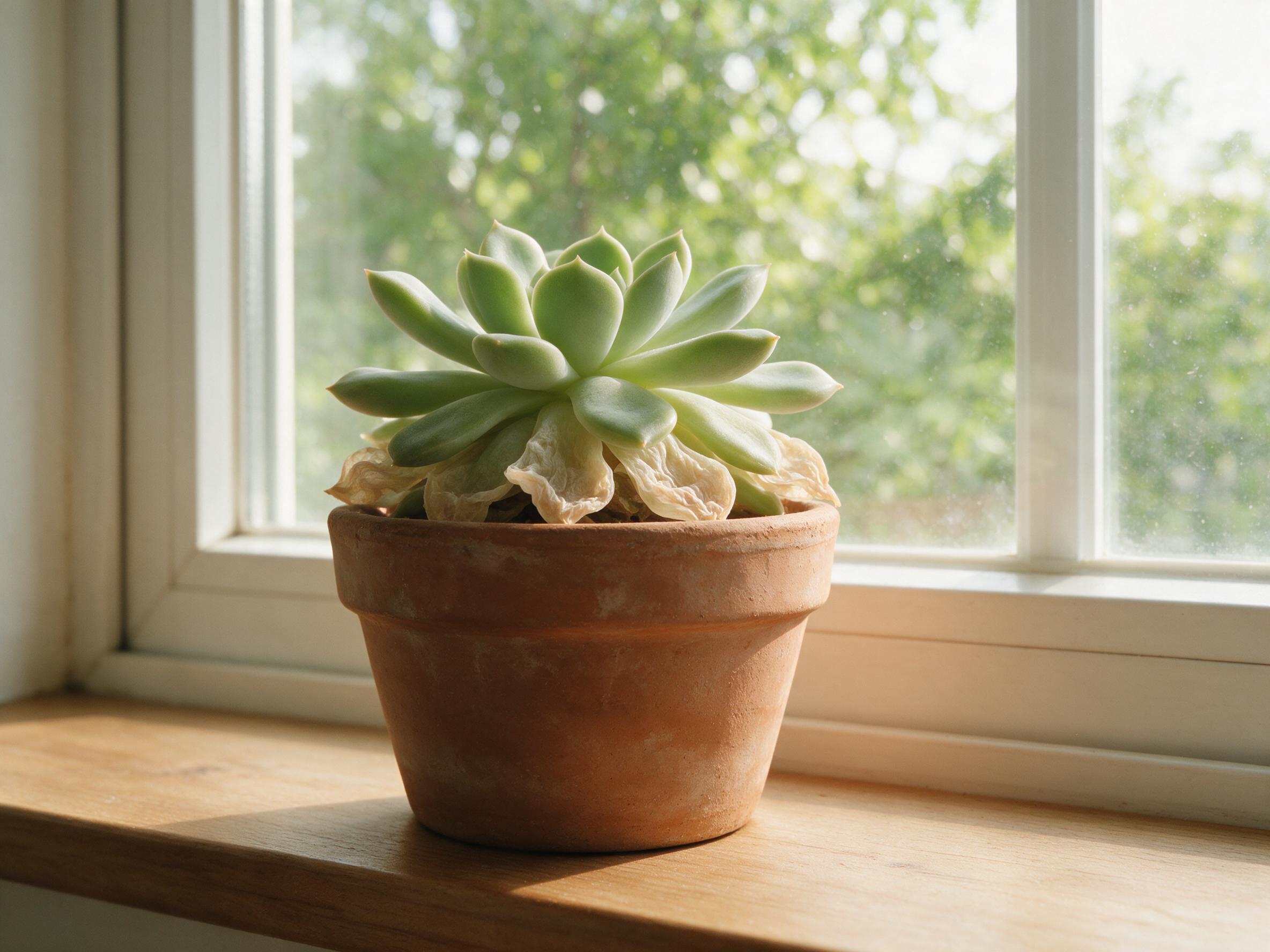
Wrinkled succulent leaves can send any plant owner into a mild panic — but in most cases, your plant is sending you a very fixable signal. There are several reasons why a succulent develops wrinkled leaves, including dehydration, root pests, natural leaf aging, high temperatures, and excess water. The tricky part is that the same symptom can point to very different problems, and treating the wrong one can make things worse.
If you grow succulents indoors on a sunny windowsill in Phoenix or outdoors in a container garden in the Carolinas, the causes behind wrinkled leaves are the same — but the fix depends entirely on what is actually going on. Wrinkled or raisin-like leaves do not mean your succulent is going to die; they simply indicate the plant needs attention and some care to return to having healthy, thick leaves. This guide walks you through every possible cause and a clear path to recovery.
What Does It Mean When Your Succulent Has Wrinkled Leaves?
Most succulents store water in their fleshy leaves and stems rather than relying on a complex root system, which allows them to survive in ecosystems with scarce water sources. That water storage is exactly what gives healthy succulent leaves their signature plump, firm feel. When something disrupts that internal water balance — whether the plant has too little water, too much, or roots that can no longer do their job — the leaves begin to deflate and wrinkle.
A healthy, well-watered succulent leaf should feel firm and plump, like a grape ready to be picked. This firmness is called turgor pressure, and it is the best at-home health check you can do. When turgor pressure drops, the leaf surface puckers and folds, giving that characteristic wrinkled look. Think of it as the plant’s way of waving a flag.
Understanding what type of wrinkling you are seeing — where it starts, how the leaves feel, and what the soil is doing — is the key to diagnosing the problem correctly. You can learn more about the wide range of plant types that share these stress responses in our guide to types of plants.
Is Wrinkled Skin in Succulents Always a Sign of a Problem?
Not always. Over time, some succulent leaves tend to wrinkle as a normal part of their life cycle. New leaves will sprout and replace the old ones, similar to how hair growth works. This is especially common on the lowest, outermost leaves of rosette-forming succulents like Echeveria.
The lower leaves of succulents naturally wither and die as the plant grows and produces new leaves from the center. You can pull off the bottom dead leaves or wait for them to fall off. If wrinkling is limited to the very bottom ring of leaves and the rest of the plant looks full and healthy, there is nothing to worry about.
If you recently repotted or bought the plant, a few days of mild wrinkling is also normal. Disturbing the roots — especially if some were trimmed or broken — temporarily reduces the plant’s ability to take up water while it settles in. Give a newly potted succulent one to two weeks before drawing any conclusions. Check out our full guide on how to plant succulents for repotting best practices that minimize this kind of transplant stress.
Pro Tip: Before you adjust your watering or move your plant, check whether the wrinkling is only on the bottom leaves or spread across the whole plant. Bottom-only wrinkling on an otherwise firm, healthy plant is almost always normal aging — not a distress signal.
Watering Issues Causing Succulent Wrinkled Leaves
Watering is the most common cause of wrinkled succulent leaves, and here is where many growers make a costly mistake: both too little water and too much water can produce wrinkled leaves. Both problems produce wrinkled leaves, which is exactly why so many people make the fatal mistake of watering a rotting plant.
Underwatering
Succulents store water in their leaves, which is what gives them their characteristic plumpness. When a plant has been without water for too long, it draws on those reserves and the leaves begin to look deflated, wrinkled, or shriveled as the water stores deplete.
The tell-tale pattern of underwatering is that the shriveling starts from the bottom up. The oldest, lowest leaves are tapped first, so they wrinkle and soften before the plump rosette at the top shows any stress. The leaves stay flexible — you can gently bend one and it folds rather than snaps — and the wrinkles run lengthwise down the leaf, like a grape turning into a raisin.
The fix is straightforward. Give it a “soak and dry” watering: drench the soil completely, and the leaves should plump back up within 24 to 48 hours. After that, wait until the soil is completely dry before watering again.
Overwatering
Succulent leaves and stems are like water balloons that can only take up a certain amount of moisture until every cell is fully hydrated. When overwatered, these balloons are overfilled, they burst and the cell structures are severely damaged, resulting in rotting leaves and roots. The leaves start to look translucent, discolor to yellow, feel soggy to the touch, and fall off easily.
Overwatering also causes wrinkling through a more indirect route: root rot. Wrinkled leaves plus consistently wet soil is the classic signature of root rot. Overwatering kills the fine roots, and dead roots cannot move water into the plant, so the leaves shrivel from dehydration even though the pot is full of moisture. This is the scenario where watering more would be disastrous.
The two-step test to tell them apart: push a finger or a wooden chopstick two inches down into the soil. Dry all the way through points to thirst. Damp or wet — especially when it has been wet for days — points to rot. Then check the leaves: thirsty leaves are wrinkled but firm and flexible. Rotting leaves feel soft and squishy, often turn translucent or yellow, and detach at the lightest touch.
Important Note: If your soil is wet and your leaves are wrinkled, do not add more water. Unpot the plant, inspect the roots, cut away anything black or mushy, let it air-dry for three days, and repot in fresh, dry, gritty soil.
Light Conditions Behind Succulent Wrinkled Leaves
Light affects succulents more than most houseplant owners realize, and both too much and too little can contribute to wrinkling in different ways.
Too Much Intense Direct Sun
During a heatwave or a sudden move into intense direct sun, a succulent can lose water through its leaves faster than its roots can replace it — even when the soil holds some moisture. The plant temporarily “closes up,” and the leaves soften and wrinkle to conserve water. You may also see brown, dry patches of sunburn on the most exposed leaves.
The fix is shade and patience: move the plant out of the harshest afternoon sun, make sure the soil is not bone dry, and it should recover as temperatures ease. Reintroduce strong light gradually rather than all at once. In the southern United States, where summer afternoons regularly push past 95°F, this is a particularly common problem for outdoor container succulents.
Too Little Light
Low light levels can cause succulents to stretch and produce lanky new growth. Tall, spindly, lanky new growth that is pale in color is an indication that light levels are too low. Succulents with rosette growth forms often open up and flatten their leaves in an effort to collect more light. This stretching and flattening can make leaves appear thinner and less plump over time.
When grown indoors, succulents need abundant bright, indirect light. Ideally, plants receive ten or more hours of light a day. If a bright enough location cannot be found by a window, provide supplemental light using high-output, full-spectrum fluorescent or LED grow lights. South- or east-facing windows are typically the best spots inside a US home. Our roundup of best houseplants for low-light areas can help you decide whether your succulent is actually suited to your space.
Soil, Nutrients, and Root Health Causing Succulent Wrinkled Leaves
Even with perfect watering habits, the wrong soil or a compromised root system can starve your succulent of water and leave the leaves looking deflated.
Poor Soil Drainage
If soil is too organic or fine-textured, it will hold too much water. Repot with sharp-draining soil. A standard all-purpose potting mix holds far more moisture than succulents tolerate. A dedicated cactus and succulent mix, or a blend of regular potting soil cut with perlite and coarse sand, gives roots the airy, fast-draining environment they need.
Does your pot have holes at the bottom? Drainage holes are like tiny lifesavers for succulents. Make sure your pots have these. If not, consider repotting them in something that does. Decorative pots without drainage are one of the most common causes of chronic overwatering in US households.
Root-Bound Plants
Small containers, relative to the size of the succulent plant and its root ball, will result in less space for moisture to be held. If the plant is root-bound and there are issues with shriveling leaves, it could be time to consider repotting. A root-bound succulent struggles to take up enough water even when you water correctly.
Nutrient Deficiency
Succulents are light feeders, but a plant that has been sitting in the same depleted soil for years may not have the nutrients it needs to maintain healthy cell structure. Fertilizing is important for growth. Aim to fertilize every four to six weeks during the growing season, which typically spans spring and summer. When selecting a fertilizer, choose a balanced, diluted liquid option such as a 10-10-10 formula, which provides the plant with the necessary nutrients without overwhelming it.
Never fertilize a stressed or wrinkled succulent. Get the watering right first, then resume a light feeding schedule once the plant has recovered. You can explore how different types of leaves store and process nutrients to better understand what your plant needs.
Environmental Stress Triggering Succulent Wrinkled Leaves
Beyond water and light, the conditions surrounding your succulent — temperature swings, drafts, low humidity, and seasonal changes — can all trigger leaf wrinkling.
- Heat and rapid evaporation: In hot seasons, high temperatures can dehydrate succulents more intensely, causing their leaves to look wrinkled. While succulents are resilient and can last many days without water, water evaporates more quickly at very high temperatures, meaning they need to be watered more frequently — but always waiting for the substrate to be completely dry first.
- Cold drafts and frost exposure: Succulents that live near air conditioning vents or drafty windows in winter can experience cell damage that mimics dehydration wrinkling. Move the plant away from cold drafts and keep it above 40°F.
- Transplant shock: Resist the urge to water heavily to “help” after repotting. Keep the plant in bright, indirect light, leave the fresh soil to dry out, and give it a week or two to root in and firm back up.
- Seasonal dormancy: Many succulents slow down in winter and naturally require less water. Continuing a summer watering schedule through the colder months is a fast path to overwatering and wrinkled, mushy leaves.
If you grow succulents outdoors in a state like Florida, drought-tolerant varieties handle heat stress better than others. Our guide to drought-tolerant plants in Florida covers species that are naturally adapted to intense sun and irregular rainfall.
Pests and Disease Leading to Succulent Wrinkled Leaves
When your succulent is wrinkled but the soil moisture and light seem fine, pests or disease may be the culprit. Although most problems associated with cacti and succulents grown as houseplants are bacterial or fungal diseases caused by overwatering, they do get the occasional insect pest. The most common pests are scale, mealybugs, and root mealybugs. Less common pests include spider mites and fungus gnats.
Mealybugs
Unlike spider mites, aphids, or scale insects, mealybugs are soft-bodied and covered with a white, waxy coating that gives them a cottony or fuzzy appearance. They tend to cluster in sheltered areas of succulents, such as leaf folds, stem joints, and roots, where their presence often looks like bits of cotton or powder. Both scale and mealybugs suck moisture from the plant, resulting in shriveled leaves.
To treat mealybugs, dab affected areas with a cotton swab soaked in 70% isopropyl rubbing alcohol. Repeat the treatment about once a week or as needed until the problem is resolved. Isolate the infected plant to avoid contaminating your other plants.
Spider Mites
Spider mites are tiny arachnids that often go unnoticed until significant damage has occurred. The minuscule pests pierce plant cells to feed on sap, leading to stippled, discolored leaves and fine webbing on succulents. Spider mites especially love hot, dusty conditions, making them a common problem for indoor and outdoor gardeners in the United States.
Barely visible to the naked eye, spider mites create fine webbing on plants and cause stippled, discolored leaves. Increase humidity around the plant and regularly mist with water to discourage mites, as they thrive in dry conditions. Neem oil or insecticidal soap applied weekly also works well.
Root Mealybugs
Root mealybugs are a lesser-known but equally damaging pest that targets the root systems of succulents. These pests resemble their aboveground counterparts but inhabit the soil, where they feed on succulent roots and sap. Root mealybug infestations often go unnoticed until their hosts exhibit symptoms of stress, such as wilting or yellowing foliage. If you water correctly but still see wrinkled leaves, unpot the plant and inspect the roots for white, powdery residue.
Root Rot (Fungal Disease)
Root rot is a fungal disease caused by overly moist soil conditions, which promote the growth of pathogenic fungi. This disease often goes unnoticed until it is too late. Signs of root rot include wilting, yellowing, and soft, mushy roots. Overwatering and poor drainage are the most common culprits. Remove all mushy roots, let the plant air-dry for several days, and repot in fresh, dry succulent mix.
A plant identification app can help you confirm which pest you are dealing with. Check out the best iPhone apps for identifying plants or the best Android apps for identifying plants to get a quick ID before you treat.
How to Diagnose Why Your Succulent Has Wrinkled Leaves
Work through this checklist in order. Most cases are solved by step two or three.
- Check the soil moisture first. Push a finger or a wooden chopstick two inches down. Dry all the way through points to thirst. Damp or wet — especially when it has been wet for days — points to rot.
- Feel the leaves. Squeeze a soft leaf gently. Does it feel mushy and release moisture? That is overwatering. Does it feel deflated and slightly wrinkled, more like soft rubber? That is underwatering.
- Locate where the wrinkling starts. The tell-tale pattern of underwatering is that the shriveling starts from the bottom up. The oldest, lowest leaves are tapped first, so they wrinkle and soften before the plump rosette at the top shows any stress. Wrinkling that starts at the top or spreads across all leaves at once is more likely a root, pest, or environmental issue.
- Look for pest signs. Check leaf folds, stem joints, and the soil surface for white cottony residue (mealybugs), fine webbing (spider mites), or brown bumps (scale).
- Assess light and temperature. Has the plant recently been moved to a sunnier spot, or is it near a heat vent or air conditioning unit? Environmental stress wrinkling usually coincides with a recent change in location.
- Consider the season. In winter, most succulents need far less water. If you have been watering on a fixed schedule year-round, reduce frequency and see if the plant recovers.
| Symptom | Likely Cause | Quick Check |
|---|---|---|
| Wrinkled, firm, flexible leaves; dry soil | Underwatering | Soil bone dry; wrinkling starts at bottom |
| Wrinkled, mushy, translucent leaves; wet soil | Overwatering / root rot | Soil damp for days; leaves detach easily |
| Wrinkled leaves with brown dry patches | Too much direct sun / heat | Recently moved to brighter or hotter spot |
| Wrinkled + white cottony residue | Mealybugs | Check leaf folds and stem joints |
| Wrinkled + fine webbing on leaves | Spider mites | Tap leaf over white paper; look for moving specks |
| Bottom leaves only wrinkled; rest looks healthy | Normal leaf aging | New growth at center looks plump and firm |
How to Fix a Succulent That Has Wrinkled Leaves
The fix depends entirely on the cause you identified above. Here is what to do in each scenario.
Fix for Underwatering
Use the soak-and-dry method. To treat soft and wrinkly plants, use the “soak and dry” watering method. Water slowly and thoroughly until water runs freely from the drainage holes, then do not water again until the soil is completely dry. Within a few days of a good soak, you will see those wrinkled, deflated leaves start to plump up and become smooth and taut again. The plant literally reinflates with water, looking lush and happy. Wrinkled leaves gradually smooth out and feel firm to the touch.
A thirsty succulent begins to firm up within 24 hours of a thorough soak and looks noticeably plumper within two to three days. The lowest, most depleted leaves may stay slightly wrinkled or never fully recover, but the upper rosette should look refreshed.
Fix for Overwatering and Root Rot
Stop watering immediately. Take the plant out of the pot. Cut off any black or mushy roots. Let it dry for three days before repotting in dry, gritty soil. Use a clean pot with drainage holes and a fresh cactus mix. Do not water for at least a week after repotting to allow any cut root ends to callous over.
Sometimes plants can recover from root rot when allowed to dry out. Other times the rot is so advanced that the plant cannot recover. In that case, discard the plant or propagate healthy-looking segments.
Fix for Sun and Heat Stress
Move the plant to a spot with bright but indirect light, particularly avoiding afternoon sun exposure in summer. Ensure the soil is not bone dry at the same time — heat stress and mild underwatering often occur together. Reintroduce strong light gradually rather than all at once once the plant has recovered.
Fix for Pests
Isolate the affected plant immediately to protect the rest of your collection. For mealybugs and spider mites, apply 70% isopropyl alcohol with a cotton swab or spray bottle directly onto visible pests. Use insecticidal soap or neem oil to control populations for ongoing or widespread infestations. For root mealybugs, remove the plant from its pot, rinse the roots under running water, treat with alcohol or neem, and repot in fresh, sterile soil.
Pro Tip: When treating pests with isopropyl alcohol or neem oil, keep the plant out of direct sunlight for a few hours after application. Both treatments can cause leaf burn if the plant is in strong sun while still wet.
How to Prevent Succulent Wrinkled Leaves Going Forward
Prevention comes down to consistent habits and a good setup. Get these basics right and wrinkled leaves become rare.
- Use the right soil. Using well-draining soil is essential to succulent health. To help improve drainage, you can add gravel to the mix so that excess moisture can easily trickle out. A dedicated cactus and succulent mix is the easiest starting point.
- Always use pots with drainage holes. Make sure the container has a drainage hole that excess water can freely drain from, and ensure that trays or sleeves are not left full of water.
- Follow the soak-and-dry cycle. Setting up a wet-dry cycle where the soil is completely wetted and then allowed to completely dry out is the best way to avoid root rot in succulents. Never water on a fixed calendar schedule — check the soil instead.
- Match watering to the season. Water more frequently in warm, bright summer months and significantly less in winter when the plant’s growth slows.
- Provide adequate light. Most succulents thrive with six or more hours of bright light daily. South- or east-facing windows work best indoors. South or east-facing windows provide the most sunlight. Slowly introduce your succulent to bright light if it was in a low-light area.
- Inspect regularly for pests. Regularly inspecting your succulents is important for catching any early signs of mealybugs. Look closely at leaf folds, stem joints, and undersides of leaves where mealybugs like to hide. This routine can help you spot problems before they escalate.
- Quarantine new plants. New plants brought into your collection without quarantine or pests hiding in soil can introduce pests to healthy succulents. Keep new arrivals separate for two to three weeks before placing them near your existing plants.
- Fertilize lightly during the growing season. A diluted, balanced fertilizer applied once a month from spring through summer keeps leaf cells healthy without creating the over-fertilized, pest-prone conditions that attract mealybugs.
Aloe vera is one of the most popular succulents in US homes and responds to all of the same care principles covered here. If you grow aloe, our guide to different types of aloe vera plants can help you identify your variety and tailor your care routine. Yucca plants, another drought-tolerant favorite, share many of the same soil and watering requirements — see our article on different types of yucca plants for more.
Frequently Asked Questions
Why are my succulent leaves wrinkled even though I just watered it?
If you have given constant watering and the substrate remains moist but the leaves of your succulent are wrinkled, it is most likely that the problem is in its roots. Check the roots to see if there are any pests like nematodes that are stealing the nutrients the plant takes from the water and substrate. Root rot from overwatering is the other likely culprit — wet soil plus wrinkled leaves is the classic warning sign.
How long does it take for wrinkled succulent leaves to recover?
A thirsty succulent begins to firm up within 24 hours of a thorough soak and looks noticeably plumper within two to three days. Recovery from root rot or pest damage takes longer — often two to four weeks — because the plant must grow new roots before it can transport water efficiently again.
Should I remove wrinkled leaves from my succulent?
Try to remove leaves that start to dry out to prevent potential future pest problems, and only pull out leaves that are easily removable. Leaves that are still attached and somewhat firm should be left in place — they may recover once the underlying problem is fixed.
Can wrinkled succulent leaves be a sign of too much fertilizer?
Over-fertilizing can burn roots, which then limits water uptake and causes leaves to wrinkle. If you have recently fertilized and see wrinkling alongside brown, crispy root tips when you unpot the plant, flush the soil thoroughly with plain water and skip fertilizing for at least two months. Always dilute fertilizer to half the recommended strength for succulents.
Why are my outdoor succulent leaves wrinkled in summer but not in spring?
In hot seasons, high temperatures can dehydrate succulents more intensely, causing their leaves to look wrinkled. Succulents are resilient and can last many days without water, but water evaporates more quickly at very high temperatures, and they need to be watered more frequently during these periods. Outdoor succulents in hot US climates — particularly in the Southwest and Southeast — may need water two to three times more often in peak summer than in spring.
Is it normal for succulent leaves to wrinkle after repotting?
Yes. If you recently repotted or bought the plant, a few days of mild wrinkling is normal. Disturbing the roots — especially if some were trimmed or broken — temporarily reduces the plant’s ability to take up water while it settles in. Resist the urge to water heavily to “help.” Most plants firm back up within one to two weeks once the roots re-establish.