Can You Freeze Cooked Chicken Slices? Everything You Need to Know

November 5, 2026
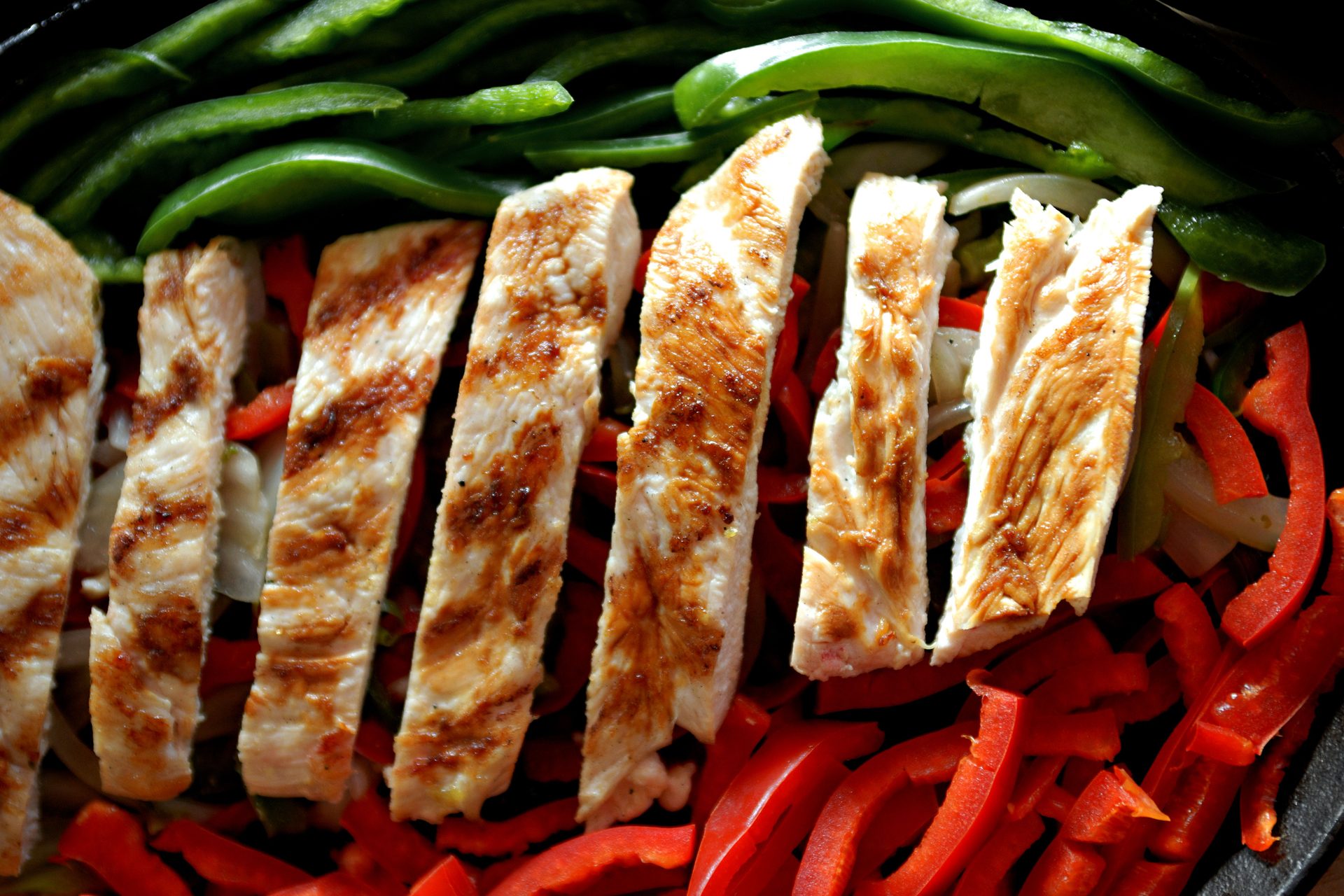
Cooked chicken slices are one of the most practical proteins to keep in your freezer. Whether you grilled a batch of breasts for meal prep, roasted a whole bird over the weekend, or just have leftover rotisserie chicken taking up fridge space, freezing is a smart move that saves both food and money.
The short answer is yes — you can absolutely freeze cooked chicken slices. The longer answer involves a few food safety rules and simple techniques that make the difference between chicken that reheats beautifully and chicken that turns dry, rubbery, or worse. This guide walks you through everything, from packing methods to thawing safely to spotting spoilage before it ends up on your plate.
Can You Freeze Cooked Chicken Slices?
Yes — freezing cooked chicken is one of the best ways to extend its shelf life, reduce food waste, and save time in the kitchen. It keeps ready-to-use protein on hand for soups, salads, wraps, casseroles, and more. Sliced chicken is especially convenient because individual pieces thaw faster and portion out more easily than whole breasts or thighs.
Freshness and quality at the time of freezing affect the condition of frozen foods. If frozen at peak quality, thawed foods emerge tasting better than foods frozen near the end of their useful life. So the sooner you freeze after cooking, the better your results will be.
Within two hours of cooking food or after it is removed from an appliance keeping it warm, leftovers must be refrigerated. Throw away all perishable foods that have been left at room temperature for more than two hours — or one hour if the temperature is over 90°F, such as at an outdoor picnic during summer. That two-hour rule applies before you freeze, too.
Pro Tip: Slice cooked chicken before freezing rather than after thawing. Slices freeze and thaw more evenly than a whole breast, and you can pull out exactly as many pieces as you need without defrosting the entire batch.
Does Freezing Change the Texture or Taste of Cooked Chicken Slices?
Freezing does affect texture to some degree — it is worth knowing what to expect so you can plan your meals accordingly. When water inside the meat freezes, it forms ice crystals that can break down muscle fibers slightly, making the chicken a little less firm once thawed.
For optimal taste and texture, it is best to consume frozen cooked chicken within three to four months. After this point, the meat is still safe if frozen correctly, but it may begin to dry out or lose flavor. Slices that are tightly sealed and used within that window taste noticeably better than those left in the freezer for six months or more.
Freezer burn does not make food unsafe, merely dry in spots. It appears as grayish-brown leathery spots and is caused by air coming in contact with the surface of the food. Cut freezer-burned portions away either before or after cooking. The best defense is airtight packaging with as little trapped air as possible.
On the flavor side, well-seasoned chicken — grilled, baked, or sautéed — holds up well in the freezer. Lightly seasoned or plain poached chicken can taste a bit bland after thawing, so plan to use it in dishes with sauces, broths, or bold seasonings. Chicken cooked in sauce or broth actually freezes better than plain dry slices because the liquid protects the meat from drying out.
How to Freeze Cooked Chicken Slices the Right Way
A few straightforward steps protect both the safety and the quality of your frozen chicken. Follow them in order and you will get the best results every time.
- Cool the chicken first. Never put hot chicken directly into the freezer. Let the chicken cool to room temperature first — within two hours of cooking to stay food safe. Placing hot food directly in the freezer can raise internal temperatures, risk bacteria growth, and create excess ice crystals that damage texture.
- Slice before freezing. After cooking, let the chicken cool completely before packaging it. You can freeze chicken whole or slice it into strips for easier portioning when you use it later. Slices also speed up the freezing process, which helps preserve texture.
- Portion into meal-sized amounts. Divide the chicken into single-meal or family-sized portions before freezing. This prevents the need to thaw a large batch when you only need a small amount, reduces waste, and makes it easier to grab what you need.
- Package it airtight. Seal the cooked chicken in airtight containers or heavy-duty freezer bags to prevent freezer burn and maintain freshness. Removing excess air ensures a longer shelf life and preserves the flavor and texture of the chicken. A vacuum sealer is ideal, but pressing the air out of a zip-top freezer bag before sealing works well too.
- Label every bag. Write the date and contents on each package with a permanent marker. Labeling containers with the date helps you keep track of freshness and avoid waste.
- Place in the coldest part of the freezer. Store bags toward the back of the freezer, away from the door, where temperature stays most stable. The guidelines for freezer storage are for quality only — frozen foods stored continuously at 0°F (-18°C) or below can be kept indefinitely.
Pro Tip: Lay freezer bags flat on a baking sheet until the chicken slices are fully frozen, then stack the bags upright like files. This saves significant freezer space and makes it easy to grab a single portion without digging through a pile.
How Long Can You Freeze Cooked Chicken Slices?
Storage time depends on whether you are prioritizing safety or quality — and the two are not the same thing.
| Storage Location | Recommended Time for Best Quality | Safe to Eat (if kept at proper temp) |
|---|---|---|
| Refrigerator (after cooking) | 3–4 days | 3–4 days |
| Freezer (cooked slices) | 3–4 months | Indefinitely at 0°F |
| Freezer (in sauce or broth) | Up to 4 months | Indefinitely at 0°F |
It is safe to freeze ready-prepared chicken. For best quality, flavor, and texture, use it within four months. The USDA’s Food Safety and Inspection Service confirms that food kept continuously at 0°F is safe indefinitely, but quality declines the longer it sits.
Leftovers can be kept in the refrigerator for three to four days or frozen for three to four months. Although safe indefinitely, frozen leftovers can lose moisture and flavor when stored for longer times in the freezer. If you find a bag of chicken from six months ago, it is probably still safe — just expect a drier, less flavorful result. Use it in a soup or stew where added liquid can compensate.
How to Thaw Frozen Cooked Chicken Slices
Perishable foods should never be thawed on the counter, or in hot water, and must not be left at room temperature for more than two hours. That rules out the most tempting shortcut. Here are the three safe methods, ranked from best to fastest:
Refrigerator thawing (best method): The safest way to defrost cooked chicken is in the refrigerator. Transfer the bag from the freezer to the fridge the night before you plan to use it. Transfer the bag of chicken to a dish and place it in the refrigerator for 24 hours; by then it should be thawed and ready to use. The cooked chicken should be used within four days of thawing.
Cold water thawing (faster method): If you need to thaw chicken more quickly, submerge the sealed freezer bag in cold water. Change the water every 30 minutes to keep it at a safe temperature. Once thawed, the chicken must be reheated and consumed immediately. Small packages of about a pound may thaw in an hour or less.
Microwave thawing (quickest method): Using the microwave is convenient but should be done carefully. Uneven heating can create “hot spots” where bacteria may survive. Always reheat or cook chicken immediately after microwave defrosting to ensure food safety.
Pro Tip: Cooked chicken slices are thin enough that you can often add them directly to hot dishes — soups, stir-fries, and pasta sauces — straight from frozen. Cooked chicken can go directly from freezer to pot in certain dishes. Adding frozen strips to soups, stews, casseroles, or stir-fries eliminates the need for thawing, saving time while ensuring safe cooking.
One method to avoid entirely: do not reheat frozen cooked chicken in a slow cooker. Due to the nature of its low and slow cooking, the chicken will remain in the “danger zone” for too long. This temperature range (40° to 140°F) is ideal for the rapid growth of harmful bacteria.
When reheating by any method, make sure the chicken reaches an internal temperature of 165°F before serving to ensure it is safe to eat.
Can You Refreeze Cooked Chicken Slices After Thawing?
This is one of the most common questions about frozen chicken, and the answer has an important qualifier.
According to the USDA, it is safe to refreeze cooked chicken, although it should be refrozen within three to four days of thawing. The USDA cautions that you should not refreeze cooked chicken that has been left out of the refrigerator for more than two hours.
That said, the method you used to thaw matters. The method you used to defrost the chicken will determine whether it is safe to freeze it again. If you put it in the microwave, you will not be able to freeze it again. The risk that bacteria has grown on the chicken is too high. There is one way you can safely refreeze the chicken: if you defrosted it in the fridge and stored it at under 40°F.
Freezing to 0°F inactivates any microbes — bacteria, yeasts, and molds — present in food. Once thawed, however, these microbes can again become active, multiplying under the right conditions to levels that can lead to foodborne illness. Since they will then grow at about the same rate as microorganisms on fresh food, you must handle thawed items as you would any perishable food.
Even when refreezing is technically safe, quality takes a hit each time. Texture becomes drier and more fibrous with each freeze-thaw cycle. The practical solution is to freeze in small, single-meal portions from the start — that way you never need to refreeze at all.
How to Use Frozen Cooked Chicken Slices (Best Uses After Freezing)
Thawed cooked chicken slices are not always ideal for eating on their own — the texture can be slightly drier than fresh. The good news is that they work perfectly in dozens of everyday American dishes where moisture and seasoning compensate.
- Soups and stews: Drop slices directly into chicken noodle soup, white chicken chili, or tortilla soup. The broth rehydrates the meat and makes it taste freshly cooked. Simmered recipes like chicken pot pie, spicy chicken stew, and white chicken chili hide the chicken in brothy mixtures, so you will not miss the lack of moisture.
- Salads and grain bowls: Sliced chicken works well cold over a Caesar salad, a burrito bowl with rice and black beans, or a simple green salad. Keep dressing on the side until serving to prevent sogginess.
- Sandwiches and wraps: Layer thawed slices on a sub roll, in a flour tortilla, or on sourdough with avocado and lettuce. You can definitely use thawed meat to make fresh chicken salad sandwiches.
- Pasta dishes: Toss slices into pasta with marinara, Alfredo, or pesto. The sauce keeps the chicken moist and flavorful.
- Stir-fries and fried rice: Sliced chicken heats up fast in a hot wok or skillet with vegetables and soy sauce. This is one of the best uses for thinner slices.
- Casseroles and baked dishes: Chicken and rice casserole, enchiladas, and stuffed peppers all benefit from pre-cooked chicken that absorbs the surrounding flavors during baking.
- Pizza and flatbreads: Scatter thawed slices over homemade pizza dough or naan with mozzarella and your favorite toppings.
If you are interested in how chicken fits into a broader healthy diet, heart-healthy superfoods and cancer-fighting nutrients are worth exploring alongside your meal prep routine. You might also find ideas in traditional cuisines that rely heavily on chicken, from traditional Greek foods to traditional Pakistani food.
Signs That Frozen Cooked Chicken Slices Have Gone Bad
Frozen chicken does not spoil the same way refrigerated chicken does, but it can still degrade to the point where it should be discarded. Knowing what to look for protects you and your family.
To tell if your chicken has gone bad, you will need to defrost it first. Changes in color or texture are hard to detect if the chicken is frozen solid. Once it is thawed, you will be able to see if there is a green or grayish color or a foul odor — if so, toss the chicken and make something else.
| Warning Sign | What It Looks Like | What to Do |
|---|---|---|
| Off smell | Sour, ammonia-like, or rotten odor after thawing | Discard immediately |
| Discoloration | Green, gray, or yellow patches on the meat | Discard immediately |
| Slimy texture | Sticky or slippery surface after thawing | Discard immediately |
| Freezer burn (mild) | Grayish-brown dry spots on surface | Trim affected areas; rest is safe to eat |
| Heavy freezer burn | Widespread dry, leathery, discolored patches | Discard for quality reasons |
| Excessive ice crystals | Large frost buildup inside the bag | May indicate temperature fluctuations; assess after thawing |
To determine if your cooked chicken has gone bad, look for the telltale signs of spoiled chicken — if the chicken smells funky or is discolored (especially yellow or green), throw it out immediately. When in doubt, throw it out. Foodborne illness from spoiled poultry is not worth the risk.
If chicken is not stored properly, harmful bacteria such as Salmonella or Campylobacter can grow, leading to foodborne illness. Improper storage can also cause freezer burn, spoilage, or a sour odor. Always refrigerate or freeze chicken promptly and follow safe handling practices to maintain quality and safety.
For more guidance on foods that support your overall health and wellbeing, explore foods that enhance liver function and foods that promote healthy skin. And if you are building out your freezer meal routine, our guide on freezing fresh uncooked zucchini pairs well with chicken for easy weeknight dinners.
Frequently Asked Questions
Can you freeze cooked chicken slices with sauce?
Yes, and it is actually better that way. Sauce or broth protects the meat from drying out and prevents freezer burn. Store the chicken and sauce together in a freezer-safe container, leaving a small amount of space at the top for expansion.
How long do cooked chicken slices last in the fridge before freezing?
Cooked chicken lasts for three to four days in the refrigerator when stored properly in a sealed container. After that, the risk of spoilage increases. If you know you will not eat it within that time, freeze it instead for up to three to four months without losing quality.
Can you freeze deli-sliced or store-bought cooked chicken?
Yes. It is safe to freeze ready-prepared chicken. Deli-sliced chicken, rotisserie chicken, and packaged cooked chicken strips all freeze well using the same airtight packaging methods described above. Separate slices with a small piece of parchment paper so they do not freeze into a solid block.
What is the best container for freezing cooked chicken slices?
Use airtight freezer-safe bags, vacuum-sealed packs, or sturdy containers designed for freezing. Heavy-duty zip-top freezer bags with as much air pressed out as possible are the most practical option for most home kitchens. Vacuum sealers offer the best protection against freezer burn if you freeze chicken regularly.
Can you freeze rotisserie chicken slices?
Yes. When it comes to rotisserie chickens, it is best to remove the skin and bones, separate the meat, and freeze it for future use. Slice or shred the meat, cool it completely, and pack it in meal-sized portions. It works great for quick weeknight meals throughout the month.
Is it safe to eat cooked chicken frozen for six months?
As long as cooked chicken is kept at a consistent 0°F, it remains safe to eat indefinitely. However, prolonged storage beyond four to six months usually leads to noticeable texture changes, making it less enjoyable. Use it in a moisture-rich dish like soup or a casserole to compensate for the drier texture.