
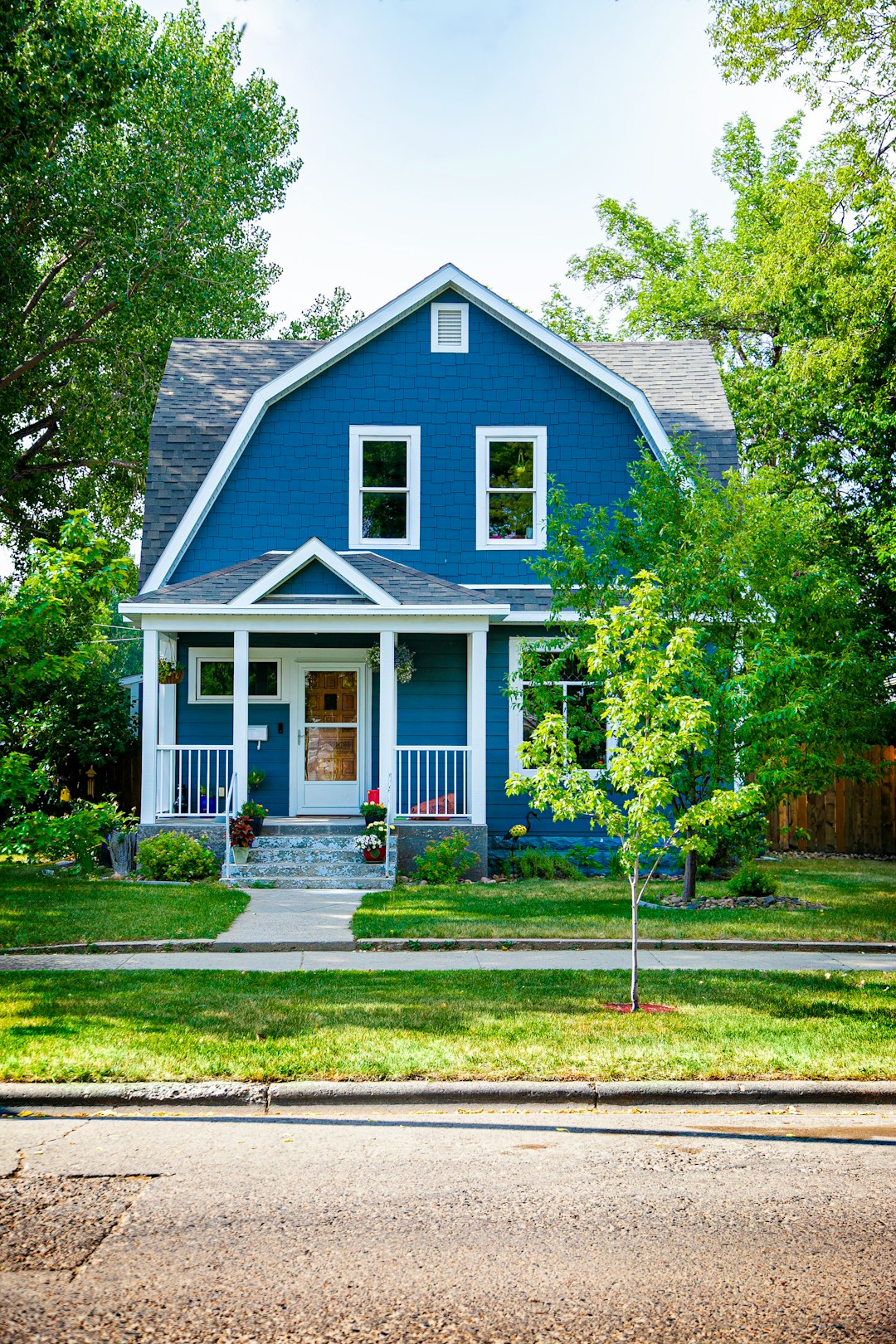
Building a house in Las Vegas puts you in control of your floor plan, finishes, and features — but it also means navigating a budget that goes well beyond the per-square-foot headline number. The desert climate, hard soil conditions, and a fast-growing metro all shape what you’ll spend before a single wall goes up.
Whether you’re weighing a production home in a master-planned community or a fully custom build on your own lot, understanding the real cost picture — land, permits, labor, materials, and more — is what separates a smooth project from a budget-busting surprise. This guide walks you through every major cost category so you can plan with confidence.
Average Cost to Build a House in Las Vegas
Building a house in Las Vegas typically costs between $160,000 and $500,000 on average, excluding the land cost. This range varies depending on location, property type, labor expenses, and material costs. For most buyers, the all-in number — once land, permits, site prep, and interior finishes are added — climbs considerably higher.
Nevada’s average construction sits near $334,140, and all-in projects often exceed $500,000 once land, excavation, and permits are included. A Las Vegas example at roughly $200 per square foot for a 3,000 sq ft plan reaches about $663,800 when land and fees are added.
Builder community homes often start in the high $300,000s to $500,000s, depending on size, location, and upgrades. On the other end of the spectrum, luxury custom homes with pools, home gyms, and premium finishes can reach well into the seven figures.
Key Insight: The $160,000–$500,000 construction range excludes land. Once you add a lot, site preparation, permits, and move-in costs, your true all-in budget will be meaningfully higher — often $600,000 or more for a mid-size custom home in Las Vegas.
Building a 2,000 square foot house in Nevada usually costs between $350,000 and $550,000 plus land. The final number depends on location, design, labor, and finishes. If you’re budgeting for a 3,000 sq ft home, plan for more.
Cost to Build a House Per Square Foot in Las Vegas
Custom home construction in Las Vegas typically ranges from $140 to $240 per square foot, with luxury builds in The Ridges, Ascaya, or MacDonald Highlands exceeding $400 per square foot depending on finishes, views, and architectural complexity.
In Las Vegas, the cost ranges from average to higher than average — at $150 for a value home to $300 or more per square foot for luxury home preferences. Here’s a quick breakdown by tier to help you frame your budget:
| Home Type | Cost Per Square Foot | Example: 2,000 Sq Ft | Example: 3,000 Sq Ft |
|---|---|---|---|
| Value / Entry-Level | $140–$160 | $280,000–$320,000 | $420,000–$480,000 |
| Mid-Range | $175–$210 | $350,000–$420,000 | $525,000–$630,000 |
| Upscale / Semi-Custom | $240–$300 | $480,000–$600,000 | $720,000–$900,000 |
| Luxury / Full Custom | $400+ | $800,000+ | $1,200,000+ |
City planners in the region commonly use roughly $200 per square foot as a baseline. Those numbers exclude land (about $59,900 per acre statewide), permits (often approximately 1% of valuation or roughly $1,000 per dwelling), utilities, and interior allowances.
One important nuance: single-story ranch homes typically cost 8–12% more per square foot than two-story houses in Las Vegas due to larger roof and foundation areas required for the same living space. However, ranch homes eliminate stairway space, simplify HVAC ductwork and plumbing runs, and prove more energy-efficient in desert climates where hot air rising in two-story homes creates temperature stratification requiring larger cooling systems.
Pro Tip: If you’re comparing bids from multiple builders, make sure each quote uses the same definition of square footage. Some builders include the garage; others don’t. Clarifying this upfront prevents misleading apples-to-oranges comparisons.
Cost Breakdown: What You’re Actually Paying For in Las Vegas
Your construction budget covers two broad categories: hard costs (the physical structure) and soft costs (everything else). Both deserve a line item in your spreadsheet before you sign anything.
Hard Costs: The Physical Build
Framing materials — including foundation, lumber, and steel beams — will require about $20,000 to $50,000. Roofing costs depend on the type of material you select, the roof’s slope, and the size of your home.
- Foundation: The choice of foundation significantly impacts your budget. A standard concrete slab foundation can cost between $6,000 and $20,000, while a full basement foundation may range from $18,000 to $35,000. Note that most foundations in southern Nevada will likely be concrete slabs or pier-and-beam styles, especially in Las Vegas and the desert areas.
- Framing and Roof: The cost to frame a house and build a roof will vary widely depending on materials, labor, and delivery. In Nevada, these costs fall within the U.S. average range for new home construction.
- Flooring: The cost of wood flooring installation in Nevada ranges between $3.16 and $9.26 per square foot.
- Cabinets and Countertops: Features like granite countertops and teak wood cabinets in kitchens may cost between $14.32 and $131.60 per square foot.
- Windows and Doors: If you hire a professional to install windows and doors, it will cost from $160.74 to $829.80 per door, depending on the material and its uses.
- Plumbing: The cost to install sinks, faucets, showers, and PVC pipes throughout a home is between $68.78 and $78.03 per hour (plus materials and parts).
- Interior finishes: Foundation and framing make up a significant portion of the budget to build a new home, but interior finishes actually make up about 25 to 35% of it.
Soft Costs: Permits, Design, and More
Indirect costs like permits, land prep, and interiors can exceed $25,000. Permits alone may cost up to $2,500.
- General contractor: Budget about 5–15% of total project costs to hire a general contractor to oversee the project.
- Architect: Architects are typically paid between $60 and $125 per hour, or roughly 10–10.5% of the total project cost.
- Engineer: Engineers will charge within the $100 and $150 per hour range.
- Land surveyor: Land surveyors will work for higher rates, starting from $300 and going as high as $700 and up.
- Trade permits: Trade permits add fees and should be budgeted — HVAC $250–$400; plumbing $50–$500; electrical $10–$500.
- Utilities connection: Connecting to water, sewer, and electricity can range from $5,000 to $20,000 depending on proximity and availability.
- Landscaping: Basic landscaping — grass, shrubs, and basic plants — can cost $5,000 to $10,000. More complex designs with patios, walkways, and extensive plantings can cost $10,000 to $50,000 or more.
- Interior furnishings: For a 3,000 sq ft home, you should budget at least $20,000 for interior furnishings.
If you’re also thinking about adding a greenhouse or other outdoor structure to your property, be sure to factor that into your overall project budget as well — you can explore how much it costs to build a greenhouse as a separate line item.
Cost of Land in Las Vegas
Land is one of the most variable costs in any Las Vegas build — and one of the most frequently underestimated. Where you buy, how developed the lot already is, and what it takes to prepare it for construction all affect your bottom line.
Land statewide averages near $59,900 per acre, and site prep typically runs $1,500–$3,000. Lot availability, utility access, and jurisdictional fees push prices above statewide norms.
Parcels of land on Zillow can go as low as $49,000 for 3,920 square feet and as high as $10 million for 1.34 acres or 58,370 square feet of land. The range reflects just how dramatically neighborhood premiums, views, and proximity to amenities can move the needle.
Land in Las Vegas is mostly made up of hard soil, which is known to be a little harder to develop. However, there are several new home communities that homebuilders can look into for their new-home construction projects. Some of the popular spots for buying land for new-home construction projects are Cadence, Mesa Ridge, Stonebridge, Sky Canyon, and Inspirada.
Important Note: Las Vegas’s hard soil makes basement construction difficult and expensive. Most sites in Las Vegas are made up of hard soil, which makes it difficult to dig up space for homes to accommodate a basement. The area also experiences flash flooding between July and September, which makes basements less of a popular feature. Plan your lot evaluation accordingly.
If you’re building in a community like Summerlin, Henderson, or North Las Vegas, lot premiums can add significantly to your starting price. Lot premiums for corner, view, or cul-de-sac positions can run $20,000 to $80,000, and a $450,000 base price can become $520,000 by contract signing.
If you’re also curious how rental costs compare across other Nevada and western markets, you can check out apartment costs in Las Vegas or explore what it costs to rent in cities like Phoenix and San Francisco for comparison.
Factors That Affect Building Costs in Las Vegas
No two builds are identical, and several variables can push your project well above or below the averages. Understanding them upfront helps you make smarter decisions during the planning phase.
Location Within the Metro
Building in cities like Las Vegas or Reno tends to be more expensive due to higher labor and material costs. Even within the Las Vegas metro, your specific neighborhood matters. Summerlin, MacDonald Highlands, and Henderson command higher land and labor premiums than North Las Vegas or outlying areas.
Home Design and Complexity
Lot conditions, design complexity, and finish level drive most of the variance. Difficult sites add grading and foundation expense. Custom plans and structural changes increase labor and engineering. High-end cabinets, countertops, and mechanical systems push totals upward quickly.
Labor Availability
Labor costs reflect Las Vegas’s moderate market, with rates below coastal California while maintaining quality standards as the construction industry serves the region’s continuous growth and commercial development. However, high demand periods can tighten labor supply and push hourly rates up. Labor costs in Nevada generally range from $20 to $50 per hour, and the complexity of your project, location, and choice of contractors can influence these rates.
Material Choices
Using standard materials keeps costs lower, while high-end materials like marble countertops or custom woodwork increase costs. Material pricing also fluctuates with supply chains — the higher cost of construction materials and difficulty of procurement has put pressure on project costs. Prices for materials like lumber, diesel fuel, copper, and steel have gone up.
Desert-Specific Requirements
Material costs benefit from Nevada’s central desert location with reasonable transportation access, though specialty products suited to desert architecture require sourcing from specific suppliers or California manufacturers. High-performance HVAC systems, heat-resistant roofing, and energy-efficient glazing are not optional luxuries in Las Vegas — they’re necessities that add to your baseline costs.
Outdoor Living Spaces
Resort-style outdoor living spaces with covered patios, outdoor kitchens, pools, and fire features serve as essential components rather than optional extras given Las Vegas’s year-round outdoor weather and entertainment culture. Many Las Vegas custom homes dedicate equal or greater design attention and square footage to outdoor areas as interior rooms, reflecting how residents actually use their properties.
Build Timeline
Building a house in Las Vegas usually runs 9–12 months, while buying an existing home can close in 1–2 months. Custom homes typically take longer and can take a year or more depending on design complexity, permitting, and construction conditions. Permits, inspections, material availability, and weather can all affect timelines. Every month your build runs longer is a month you’re paying for interim housing or carrying construction loan interest.
Building vs. Buying a House in Las Vegas
The decision to build or buy comes down to more than just cost — but the numbers are a good place to start. As of March 2026, the median price for single-family homes in Las Vegas was $480,000. That figure gives you a useful benchmark when comparing what it would cost to build something comparable.
| Factor | Building | Buying (Existing Home) |
|---|---|---|
| Typical Cost | $500,000–$700,000+ all-in | ~$480,000 median (March 2026) |
| Timeline | 9–18 months | 30–60 days to close |
| Customization | Full control | Limited to renovations |
| Condition | Brand new, under warranty | Varies; may need repairs |
| Energy Efficiency | Modern systems, lower utility costs | Depends on age of home |
| Financing | Construction loan required | Standard mortgage |
| Inventory Pressure | Build what you want | Competing with other buyers |
Build advantages include layout control, energy upgrades, tailored materials, and long-term fit. Buy advantages include faster move-in, lower near-term outlay, and more priced inventory.
Longer builds add holding and opportunity costs — financing draws, interim housing, and market exposure. These hidden costs are easy to overlook when you’re excited about a custom floor plan, but they’re real and can add tens of thousands of dollars to your effective total.
Common Mistake: Many buyers compare a builder’s base price to the median resale price without accounting for lot premiums, upgrade packages, permits, and interim housing costs. Always compare true all-in numbers — not just the marketing price — when deciding whether to build or buy.
Most buyers who build use construction loans rather than traditional mortgages. Construction loans are typically short-term loans that fund the build in stages as construction progresses. Construction financing is more complex than standard home loans, which is why early planning with lenders and builders is important.
If you’re renting while you decide, it’s worth knowing what you’re spending on housing in the meantime. You can compare Las Vegas apartment costs against other metros like Miami, Seattle, or Washington, D.C. to put your housing budget in perspective.
How to Save Money When Building a House in Las Vegas
Building costs in Las Vegas are real, but they’re not fixed. With the right strategy, you can control your budget without sacrificing quality where it matters most.
Choose a Production Builder Community
Production builders do often price homes by the square foot. These companies are essentially product manufacturers — they build the same plans over and over. Like car manufacturers, they offer relatively few models and limit the number of options available for each. That repetition translates to lower per-square-foot costs compared to fully custom builds. If you can work within a set of pre-designed floor plans, you’ll spend less on design and engineering.
Lock In Your Budget Before You Start
Translate per-square-foot benchmarks into a clear, line-item budget before you sign plans. Start with the per-square-foot number, then add land, permits, and interior allowances to see the real total for your project. Use a detailed cost breakdown by trade and system. That clarity helps manage selections, avoid scope creep, and keep construction on schedule.
Be Strategic With Finishes
Interior finishes represent 25–35% of your total construction cost — meaning this is where your upgrade decisions have the biggest financial impact. Prioritize high-use areas like the kitchen and primary bath, and opt for mid-range finishes in lower-traffic spaces. You can always upgrade flooring or fixtures after move-in at a fraction of the cost.
Evaluate One-Story vs. Two-Story Carefully
A two-story home typically costs less per square foot than a single-story layout of the same size because it requires less foundation and roofing. It actually usually costs less to build a new two-story home than a new one-story home. This is because two-story homes are usually built on a smaller footprint than a wider one-story house, requiring less foundation and roofing work. If your lot allows it, going vertical can reduce your cost per square foot noticeably.
Understand Permit Fees Before You Buy Land
Fees depend on project valuation and jurisdiction. Contact Clark County Building Department or the city where the lot sits for current fee schedules before finalizing budgets. Permit costs vary by municipality in the Las Vegas metro, and choosing a lot in a different jurisdiction can sometimes mean meaningfully different fee structures.
Get Multiple Bids and Verify Contractor Credentials
Per Nevada state law, new homes must be built by a licensed contractor. Always verify licenses through the Nevada State Contractors Board before signing any agreement. Getting at least three bids for your project gives you a realistic market rate and negotiating leverage — especially for subcontracted trades like plumbing, electrical, and HVAC.
Plan for Contingencies
Budget a contingency of 10–15% on top of your projected construction costs. Material prices and design changes can affect the final total — and in a desert climate where soil conditions and weather can affect timelines, having a financial buffer is essential rather than optional. Builders in Las Vegas often quote delivery windows rather than hard dates, so build flexibility into your financing plan as well.
Pro Tip: Nevada’s tax environment works in your favor as a homebuilder. Because the state receives such a massive revenue from its entertainment industry, it does not require an income tax from residents. Additionally, Nevadans do not pay sales tax on home sales, medications, or food, which adds up to incredible savings over time. Factor these ongoing savings into your long-term cost comparison between building and buying.
For more context on housing costs in other markets — whether you’re relocating or just comparing — you can also explore what apartments cost in cities like Manhattan, Honolulu, or New Jersey to understand how Las Vegas stacks up across the country.