Can You Freeze Potato Salad? What Actually Happens When You Try

November 3, 2026
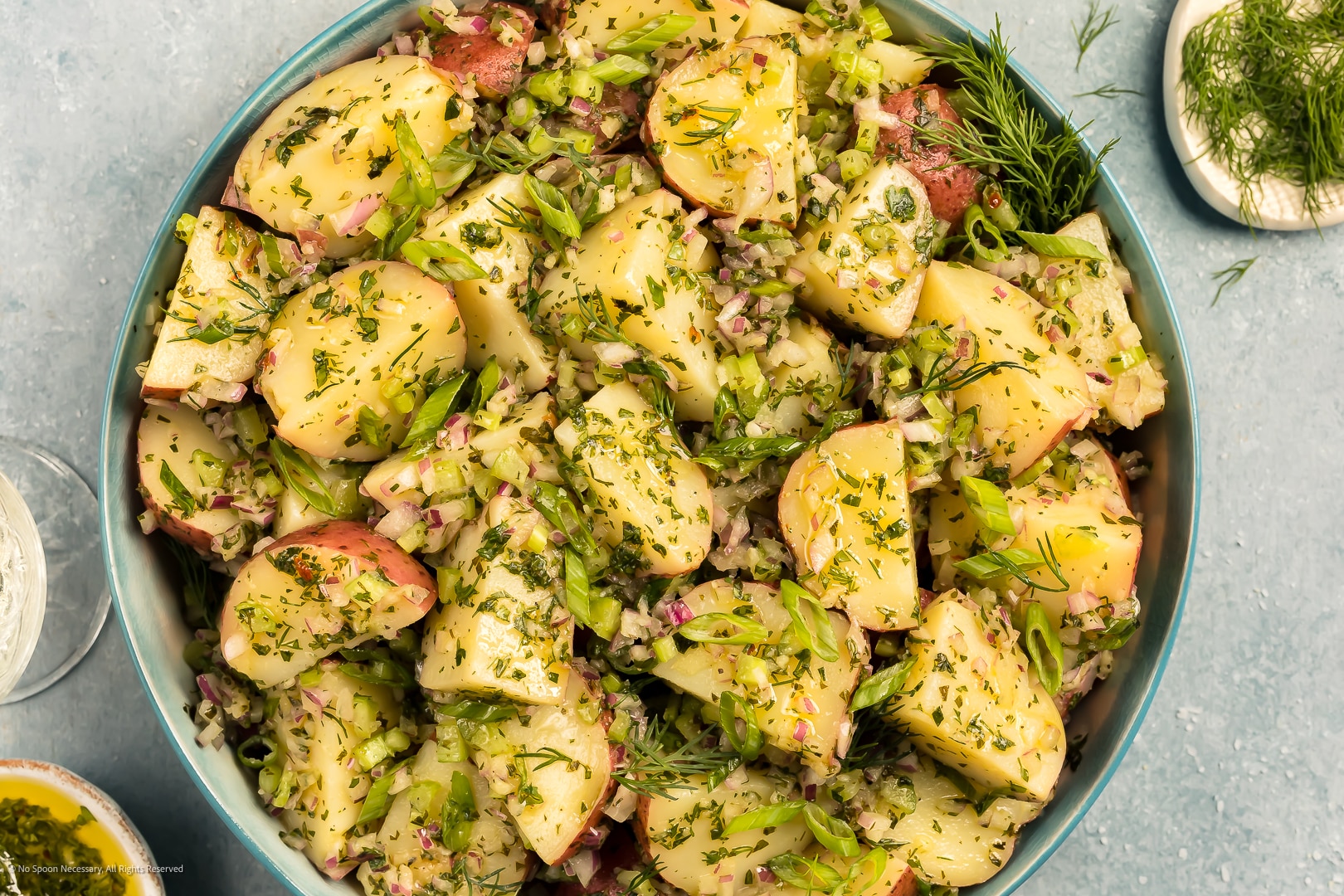
Potato salad is a staple at summer cookouts, potlucks, and holiday gatherings across the United States — and it almost always gets made in bulk. When the party ends and you’re staring at a half-full bowl, the question comes up fast: can you freeze potato salad to save it for later?
The short answer is yes, technically you can. But the longer answer involves some real trade-offs around texture, taste, and food safety that are worth understanding before you reach for a freezer bag. This guide walks you through everything you need to know — including when freezing makes sense, how to do it right, and smarter ways to use up leftovers when freezing isn’t the best call.
Can You Freeze Potato Salad?
Yes, you can freeze potato salad — but with some important precautions. Since traditional potato salad contains mayonnaise or dairy-based dressings, freezing can affect its texture. That’s the honest starting point.
Mayonnaise is an emulsion, so it doesn’t hold well in the freezer. The individual ingredients will separate and make the thawed potato salad look and taste a little off. The same goes for potato salad made with sour cream or other dairy-based ingredients, which also don’t freeze well.
German-style potato salad with a vinegar and oil dressing freezes much better than mayo-based versions, because the vinaigrette does not separate the way mayonnaise does. So your best chance at a decent result depends largely on what kind of dressing your potato salad uses.
Pro Tip: If you know ahead of time that you’ll have leftovers, consider making a vinegar- or mustard-based potato salad instead of a mayo-based one. It holds up significantly better in the freezer and is still a crowd-pleaser at any cookout.
Does Freezing Change the Texture or Taste of Potato Salad?
Yes — and the changes can be significant. Understanding exactly what happens helps you decide whether freezing is worth it for your situation.
Mayonnaise consists of an emulsion of oil, egg yolks, and vinegar or lemon juice. When thawed, this emulsion tends to separate, resulting in a curdled texture. Other dairy ingredients, such as sour cream, can pose similar challenges.
The potatoes themselves will be soggy and can turn gray in the freezer. Reheating the potato salad, unfortunately, cannot reverse the coloring of the potatoes, making for a lackluster appearance.
The taste of thawed potato salad may also be slightly different. While the flavor might still be enjoyable, it can be a bit milder and not as robust as when it’s fresh. This happens because some of the ingredients may lose a bit of their flavor during the freezing and thawing process.
Hard-boiled eggs are a popular addition to potato salads, but freezing them in the salad can alter their texture. The egg whites may become rubbery, and the yolks could be crumbly. It’s best to remove the hard-boiled eggs before freezing and add them fresh when you’re ready to serve.
Vinegar-based dressings, like those in German or French styles, tend to fare better during the freezing and thawing processes. Stirring the dish can help recover some texture if it has separated. Though the potatoes may turn gray and the oil may look cloudy, vinegar-based salads should not lose much of their flavor.
How to Freeze Potato Salad the Right Way
If you’ve decided to go ahead and freeze your potato salad, the method matters. Follow these steps to give it the best possible chance of coming out in decent shape.
For the best results, always freeze on the same day the potato salad was made. If you made too much and expect to have leftovers, don’t serve all the potato salad at once — instead, set aside a portion specifically for freezing. Freezing works best if the potato salad hasn’t come into contact with other foods or debris from other dishes.
- Cool it completely first. Allow the salad to cool completely to room temperature before transferring it to containers. Placing warm food in the freezer can raise the internal temperature, potentially affecting other stored items.
- Remove hard-boiled eggs. Pull out any eggs before freezing and plan to add fresh ones after thawing. This prevents rubbery whites and chalky yolks.
- Choose the right container. Pack potato salad into an airtight container or a resealable freezer bag. This helps prevent freezer burn and maintains freshness. Remove as much air as possible before sealing.
- Freeze flat in a single layer. Whether your potato salad is homemade or store-bought, the key to freezing it successfully is to store it in a single layer. This approach helps it thaw more quickly and minimizes the risk of textural spoilage, which can occur when the salad is stored as a block and the middle stays frozen for a longer period.
- Leave headspace in containers. The container should be big enough to store the leftover potato salad with about 1 inch of empty space at the top to allow for expansion as the salad freezes.
- Label everything. Label the container with the date and portion size for easy reference.
Pro Tip: Sturdier potato varieties like red-skinned or Yukon Gold are likely to fare better during the freezing process than softer starchy types like russets. If you’re planning ahead for a batch you intend to freeze, choose your potato variety accordingly.
For store-bought potato salad, remove it from the container it came in before freezing. Freezing it in a square container will keep the middle of the potato salad frozen as the exterior thaws, leading to deteriorated texture. Transfer it to a flat freezer bag instead.
How Long Can You Freeze Potato Salad?
Freezer life depends on the type of potato salad and how well it was packaged. Here’s a practical breakdown:
| Potato Salad Type | Maximum Freezer Time | Quality After Freezing |
|---|---|---|
| Mayo- or dairy-based | Up to 3 months | Poor — dressing separates, potatoes go soggy |
| Vinegar- or oil-based | Up to 3 months | Fair — texture softens but flavor holds reasonably well |
| Any type (optimal quality) | 2–3 weeks | Best results — eat sooner for better texture and taste |
Stored properly, potato salads can last around three months in the freezer, though the less time they spend there, the better. Once frozen, potato salad is best consumed within the first month for optimal taste.
For refrigerator storage — which is almost always the better option — according to the USDA, freshly made potato salad lasts about 3 to 5 days in the refrigerator if stored properly in an airtight container. Potato salad should always be kept in the fridge at or below 40°F, and you should follow the “two-hour rule”: if your potato salad has been sitting at room temperature for two hours, don’t risk it — toss it instead of putting it back in the fridge. You can learn more about safe food holding temperatures in this guide to how cold a refrigerator has to be to keep food safe.
Important Note: Freshness and quality at the time of freezing affect the condition of frozen foods. If frozen at peak quality, thawed foods emerge tasting better than foods frozen near the end of their useful life. Don’t wait until your potato salad is already a few days old before deciding to freeze it.
How to Thaw Frozen Potato Salad
How you thaw potato salad is just as important as how you freeze it. Rushing the process leads to uneven texture, excess moisture, and potential food safety issues.
The best way to thaw frozen potato salad is in the refrigerator overnight. If you’re running short on time, you can place the freezer bag in cold water. Change the water every 30 minutes until the salad is thawed. Keep in mind that the potato salad can become waterlogged if there is a hole in the bag, so be sure your bag is airtight.
Transfer the container from the freezer to the refrigerator at least 24 hours before serving, allowing it to thaw slowly. Avoid using the microwave or countertop thawing, as these methods can worsen texture issues.
Once thawed, take these steps to revive the salad as much as possible:
- Gently stir the salad to redistribute any separated dressing. Taste and adjust seasoning, as flavors may dull during freezing.
- Add a little more mayonnaise, mustard, or vinegar to help restore some of the original flavor.
- If it appears too dry, add a small amount of fresh mayonnaise or a drizzle of olive oil to restore moisture without overwhelming the flavors.
- Add fresh hard-boiled eggs, herbs, or crisp vegetables to improve texture and presentation before serving.
Can You Refreeze Potato Salad After Thawing?
No — and this is one rule you should not bend. Avoid refreezing thawed potato salad, as it can impact both taste and safety.
Refreezing multiplies ice crystal damage and encourages bacterial regrowth during the second thaw. Discard unused portions after refrigerated thawing.
The science behind this is straightforward. Freezing to 0°F inactivates microbes — bacteria, yeasts, and molds — present in food. Once thawed, however, these microbes can again become active, multiplying under the right conditions to levels that can lead to foodborne illness. Since they will then grow at about the same rate as microorganisms on fresh food, you must handle thawed items as you would any perishable food.
The practical takeaway: freeze potato salad in individual or meal-sized portions from the start. That way, you only thaw exactly what you need and never face the temptation to refreeze what’s left over.
How to Use Frozen Potato Salad (Best Uses After Freezing)
Even when thawed potato salad isn’t appealing enough to serve as a cold side dish, it doesn’t have to go to waste. The texture changes that make it unpleasant to eat cold actually work in your favor when you cook with it.
Some practical ideas to use up leftover potato salad include mashing and rolling it into potato croquettes, tucking it into a tortilla for a unique spin on a wrap, or roasting it using the oil-based dressing as a way to crisp the potatoes up.
Here are more ways to put thawed potato salad to good use:
- Potato croquettes: Mash the thawed salad, form into patties or balls, coat in breadcrumbs, and pan-fry until golden. The soft texture actually helps them hold together.
- Roasted potatoes: Rinse off the excess mayonnaise in a colander and pop the potatoes in a 425°F oven for about 30 minutes, turning them halfway through. The result is crispy, seasoned roasted potatoes.
- Potato soup or chowder: Blend or simmer the thawed salad with chicken or vegetable broth to create a creamy, flavorful soup base. The soft potatoes break down easily.
- Breakfast hash: Drain excess liquid, then pan-fry the thawed potato salad with a little oil until the edges crisp up. Top with a fried egg for a quick breakfast.
- Stuffed wraps or burritos: Spoon the thawed salad into a warm flour tortilla with cheese and your choice of protein for a satisfying lunch.
For fresh serving ideas that can help you use up potato salad before it ever reaches the freezer, check out these ideas on what to serve with potato salad.
Key Insight: The Idaho Potato Commission recommends a smarter alternative if you consistently end up with too much potato salad: freeze just the boiled potato chunks before mixing, then use them to make fresh potato salad — or home fries — later. To get rid of any excess moisture, place the potatoes in a salad spinner before putting them into plastic bags for freezer storage.
Signs That Frozen Potato Salad Has Gone Bad
Texture changes are expected after freezing — but some signs indicate the potato salad is no longer safe to eat. Knowing the difference protects you and anyone else who might eat it.
Discard potato salad if it smells off, tastes strange, or shows discoloration or mold. When in doubt, throw it out — the risk of foodborne illness is not worth it.
Here’s what to watch for specifically:
- Sour or rancid smell: Spoiled potato salad will usually smell off and taste rancid. A sour odor that wasn’t there before freezing is a clear warning sign.
- Visible mold: Mold on top of the salad is a clear sign that you should throw it away immediately.
- Slimy texture: A slippery or slimy coating on the potatoes or vegetables — beyond normal moisture from thawing — indicates bacterial growth.
- Severe discoloration: Some graying of potatoes is normal after freezing. However, dark brown or black patches, or any unusual color change in the dressing, are signs of spoilage.
- Ingredient separation that smells off: Separation of ingredients can be a sign of spoilage, though it might just be a side effect of freezing. If your potato salad tastes, looks, and smells fine otherwise, it should still be good to eat.
According to the USDA, the “danger zone” for bacterial growth is between 40°F and 140°F. This is the temperature range that fosters rapid bacterial growth. Any potato salad that has spent significant time in this range — whether during thawing or before freezing — should be discarded.
Frequently Asked Questions
Can You Freeze Store-Bought Potato Salad?
Yes, you can freeze store-bought potato salad, but the same rules apply as with homemade. For store-bought potato salad, transfer it to a freezer-safe bag and freeze it in a single layer, squeezing out as much air as possible, marking the bag with the date, and laying it flat in the freezer. Don’t freeze it in the original container, as the shape can cause uneven thawing.
Can You Freeze Potato Salad with Mayonnaise?
Freezing potato salad made with mayonnaise is not ideal. Mayonnaise consists of an emulsion of oil, egg yolks, and vinegar or lemon juice. When thawed, this emulsion tends to separate, resulting in a curdled texture. If you do freeze a mayo-based version, plan to serve it warm rather than cold, and stir in a fresh spoonful of mayo after thawing to improve the consistency.
How Long Does Potato Salad Last in the Fridge?
According to the USDA, freshly made potato salad lasts about 3 to 5 days in the refrigerator if stored properly in an airtight container. Always check for off smells or visual signs of spoilage before eating, even within that window. Refrigerating it promptly — and keeping it below 40°F — is the single most important step for food safety.
What Is the Best Type of Potato Salad to Freeze?
Potato salads using oil-based dressings, such as German potato salad, are typically served warm. They can reheat to a similar taste and texture when served fresh, making them much more freezer-friendly than dairy-based dressings. If you’re planning to make a batch with freezing in mind, a vinegar-based German or French style is your best bet.
Can You Freeze Potato Salad Made with Sour Cream?
It’s not recommended. Potato salad made with sour cream or other dairy-based ingredients does not freeze well. Sour cream changes from a smooth, creamy consistency to a grainy, separated texture after freezing, which significantly degrades the quality of the finished dish.
Is It Safe to Eat Potato Salad That Has Been Frozen and Thawed?
Technically, it is perfectly safe to freeze potato salad. As long as you defrost it slowly in the fridge and don’t refreeze it once it’s thawed, potato salad is fine to freeze from a food safety standpoint. The main concern is quality, not safety — as long as proper storage and thawing procedures are followed. According to the USDA Food Safety and Inspection Service , emulsions such as mayonnaise or cream will separate and appear curdled after freezing, which is a quality issue rather than a safety one — provided the salad was handled correctly throughout.
Can You Freeze Just the Potatoes Separately?
Yes, and this is often the smarter move. If you know you have cooked too many potatoes for potato salad, try freezing just the boiled potato chunks and then using them to make fresh potato salad later. To get rid of any excess moisture, place the potatoes in a salad spinner before putting them into plastic bags for storage in the freezer. This approach gives you far better results than freezing the assembled salad.