
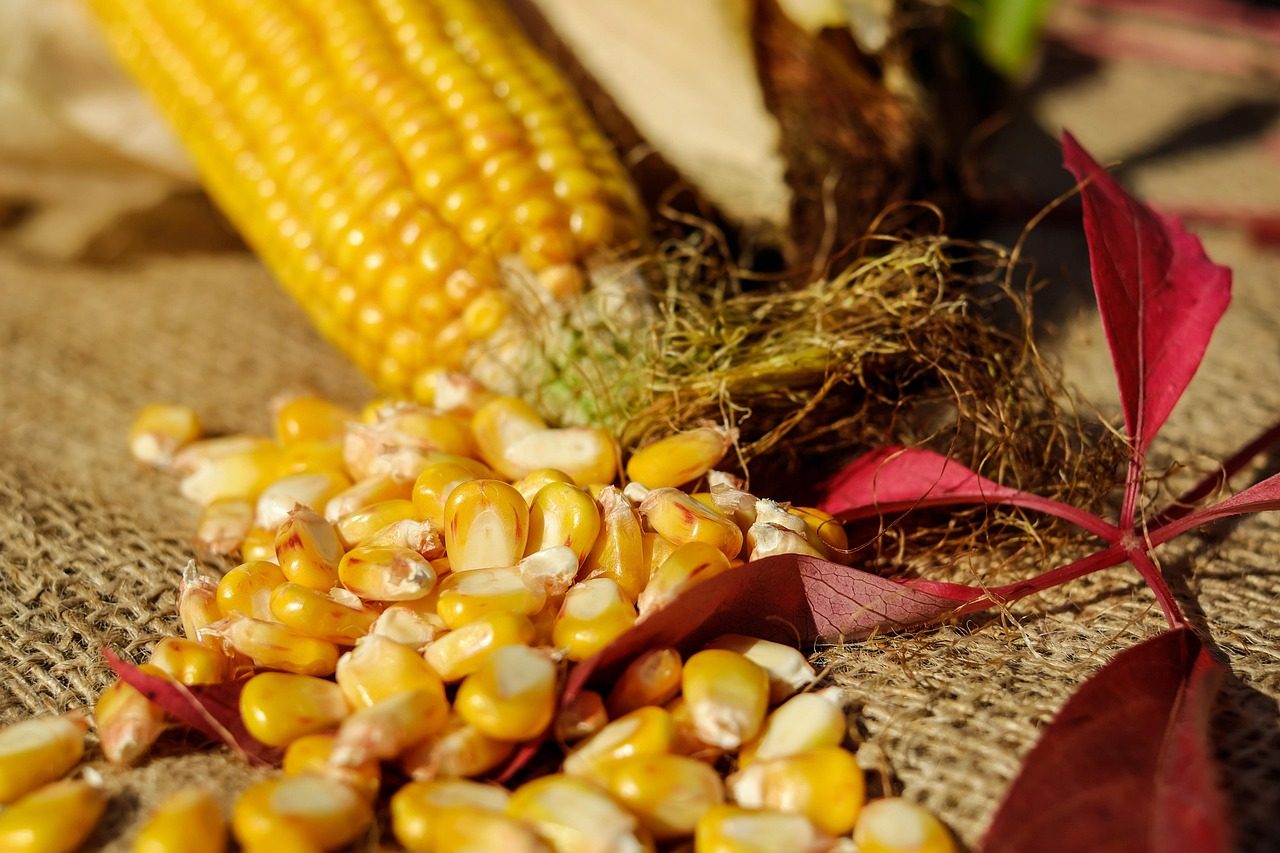
Sweet corn season in the United States is short — typically running from late June through early September depending on your region — and if you end up with more ears than you can eat in a few days, the freezer is your best friend. The big question most home cooks ask is whether you actually need to blanch the corn first, or whether you can skip that step and go straight from the husk to the freezer.
The short answer is yes, you can freeze whole corn on the cob without blanching. Conventional guidance says you must blanch vegetables before freezing because blanching slows the action of enzymes that degrade quality — color, texture, and flavor. Freezing slows that enzyme activity a little, but it does not stop it completely. That said, skipping the blanching step is a real, workable option, especially when you plan to use the corn within a few months or cook it straight from frozen.
This guide walks you through everything you need to know: what changes when you skip blanching, how to do it properly, how long the corn will last, and the smartest ways to use it once it comes out of the freezer.
Can You Freeze Whole Corn on the Cob?
Yes. If you do not want to cut the kernels off the cobs, you can freeze them whole. You can either remove the outer layer of the husks, leaving some intact, or remove all the husks and silk. Both approaches work, and each has a slightly different effect on storage life and convenience.
Freezing whole cobs without blanching is one of the fastest preservation methods available. You simply shuck the corn, add it to freezer bags, extract the air, and toss it in the freezer — a process that takes literally minutes. The trade-off is that unblanched cobs have a shorter optimal window than blanched ones, and the texture after cooking will be slightly different.
You also have the option of freezing corn on the cob with the husk still on. This method takes only a few minutes and creates no mess at all. The husk may even reduce the opportunity for freezer burn. If you go this route, wrap the cobs very tightly in a couple of layers of plastic wrap and store them in freezer bags with as much air removed as possible.
Pro Tip: Start with the freshest corn you can find. Corn picked at peak ripeness and frozen the same day will always taste better than corn that sat on the counter for two or three days before going into the freezer.
Does Freezing Change the Texture or Taste of Corn on the Cob?
Freezing does affect texture, and skipping the blanching step amplifies that effect. You can freeze corn without blanching, but it will be a bit more watery and chewy after it is cooked. This is a direct result of those naturally occurring enzymes continuing to work slowly even at freezer temperatures.
The cobs are not as easy to use as cut kernels in recipes or to sauté. And the cooked corn on the cob, while picture-perfect and fun to have in the depths of winter, is a little chewy and watery. That said, many home cooks find the result perfectly acceptable, especially when the corn is eaten simply with butter and salt rather than used in a recipe where texture is critical.
Frozen on the cob tastes much fresher than blanched and frozen if it is simply husked, cleaned, and vacuum sealed. The texture gets a little soft, but the taste stays much truer. So while blanching does a better job of locking in firmness, unblanched corn often holds flavor well — particularly if you use it within the first few months.
The National Center for Home Food Preservation explains that blanching slows or stops the action of enzymes that cause loss of flavor, color, and texture, and it also cleanses the surface of dirt and organisms while brightening color and helping retard loss of vitamins. Keep those benefits in mind when deciding which method suits your needs.
How to Freeze Whole Corn on the Cob the Right Way
Whether you leave the husks on or remove them, a few simple steps make a real difference in how well the corn holds up over time. Here is how to do it correctly for each approach.
Method 1: Husked Cobs (No Blanching)
- Shuck the corn. Remove all husks and silk. Inspect each cob and trim off any damaged or shriveled spots.
- Dry the cobs. Pat them dry with a clean kitchen towel. Excess moisture speeds up freezer burn.
- Bag them up. Place the corn on the cob into freezer bags, removing all the air that you can. A vacuum sealer works best; if you do not have one, press out as much air as possible before sealing.
- Label and freeze. Write the date on each bag so you know exactly when the corn went in.
Method 2: In-Husk Cobs (No Blanching)
- Leave everything on. If you are freezing corn on the cob in the husk, you do not remove the silk first. It will be removed when you cook it in the husk or before using an alternative cooking method.
- Wrap tightly. Wrap each ear in a couple of layers of plastic wrap to protect against freezer burn.
- Bag and seal. Place the wrapped cobs in a zip-top freezer bag and remove as much air as possible.
- Label and freeze. Mark the date clearly on the outside of the bag.
Pro Tip: If you do not own a vacuum sealer, use the straw method: seal the freezer bag almost all the way, insert a straw, suck out the remaining air, then pull the straw out and seal the bag completely. This helps prevent freezer burn and works surprisingly well.
How Long Can You Freeze Whole Corn on the Cob?
Storage life depends on which method you use, and the differences are significant enough to plan around.
| Freezing Method | Recommended Storage Time | Notes |
|---|---|---|
| Blanched whole cobs | 8–12 months | Best quality longest; recommended by NCHFP |
| Unblanched husked cobs | Up to 12 months (best within 3–4 months) | Texture declines faster; use early for best results |
| In-husk cobs (no blanching) | Up to 4 months | Husk provides some protection; shorter window |
The in-husk method is ideal for shorter periods of storage — up to about four months. The biggest difference noted is that the corn starts to get a little softer as time goes on, which may not be a problem depending on how you plan to use it.
According to the National Center for Home Food Preservation, frozen vegetables generally keep in the freezer for 8–12 months. For unblanched corn specifically, using it within the first three to four months gives you the best eating experience. Corn on the cob can last up to 12 months when properly frozen and vacuum sealed. Vacuum sealing removes air and moisture, preventing freezer burn and preserving flavor and texture for an extended period.
How to Thaw Frozen Corn on the Cob
You have a few solid options for thawing, and in some cases you can skip thawing entirely.
- Refrigerator overnight: Let the frozen corn thaw in the fridge overnight or in a bowl of cool water on the counter — keep the cobs in the bag — before removing the husks and cooking. This is the gentlest method and works well for any freezing approach.
- Cook from frozen: Bring a large pot of water to a boil, drop the frozen corn on the cob into the pot, and cook for 3 to 5 minutes until the kernels are bright yellow and burst easily when poked with a fork.
- Microwave: You can also put the cobs in the microwave for about 2 minutes per ear of corn. Cover with a damp paper towel to keep moisture in.
Pro Tip: If you blanched the corn before freezing, check for doneness around 3 minutes since it may take less time to cook. Unblanched corn generally needs the full 3–5 minutes.
If you froze corn in the husk, the magic continues when you are ready to cook it. Simply follow the directions to microwave corn on the cob in the husk. Remove it from the freezer, and many people find it best to allow the corn to defrost first.
Can You Refreeze Corn on the Cob After Thawing?
Refreezing thawed corn on the cob is not recommended. Each freeze-thaw cycle causes additional moisture loss and cell damage, which makes the texture noticeably mushier and the flavor flatter. If you thawed a cob and cooked it, there is nothing left to refreeze anyway. If you thawed it in the refrigerator and it never got above 40°F, you technically could refreeze it — but the quality loss is real and not worth it.
The smarter approach is to freeze corn in portion sizes you will actually use at one time. You can use gallon-size freezer bags or quart-sized bags and portion the corn into 2-cup servings to use as a side dish or for recipes. For whole cobs, freeze one or two per bag so you only pull out what you need.
If you find yourself with leftover cooked corn after a meal, you can freeze the cooked kernels cut off the cob. Store them in a small freezer bag, use within two to three months, and add them straight to soups or casseroles without thawing. You can read more about freezing other foods at home for additional tips on smart portioning and storage.
How to Use Frozen Corn on the Cob (Best Uses After Freezing)
Frozen corn on the cob is versatile, and the best use depends on whether you blanched it before freezing.
The corn can be served simply with butter, salt, and pepper, or removed from the cob and added to a variety of dishes. For whole cobs eaten on their own, boiling or microwaving straight from frozen gives you a perfectly respectable result — ideal for a weeknight side dish in January when fresh corn is months away.
If you cut the kernels off a thawed cob, the possibilities expand significantly. For blanched frozen kernels, a fresh preparation like a salad, salsa, or wrap works well because this corn maintains its texture through the freezing process. With unblanched kernels, the texture will be a bit softer, so soups and stews are the better choice.
Here are some of the best ways to use your frozen corn:
- Corn chowder or soup: You can add frozen kernels to soups and chowders right from frozen — no thawing required.
- Casseroles and bakes: Unblanched frozen corn works especially well in baked dishes where it cooks through fully.
- Corn on the cob as a side dish: Boil or microwave the whole cob and serve with butter — a classic American summer staple, even in the middle of winter.
- Salsas and grain bowls: You can use blanched frozen kernels in salads, burritos, grain bowls, wraps, salsas, or as a side dish with a bit of brown butter.
- Sautéed corn: Toss thawed kernels in a hot skillet with butter, onion, or bell pepper for a quick stovetop side.
Corn pairs well with a wide range of proteins and vegetables. If you enjoy cooking with whole plant-based ingredients, check out this guide to whole plant-based foods for ideas on building balanced meals around your frozen corn.
Signs That Frozen Corn on the Cob Has Gone Bad
Frozen corn rarely becomes unsafe to eat, but it can absolutely go past its prime in ways that make it unpleasant. Here is what to look for before you cook it.
- Severe freezer burn: White or grayish-white patches on the kernels indicate freezer burn. Small spots are harmless but taste bland and dry. Large patches covering most of the cob mean the corn will taste flat and papery — better to discard it.
- Off smell after thawing: Fresh corn smells sweet and clean. If your thawed corn smells sour, musty, or fermented, throw it out.
- Slimy or discolored kernels: Any sliminess or dark discoloration after thawing is a sign the corn has spoiled. Do not cook or eat it.
- Shriveled, dried-out kernels: Extreme moisture loss — usually from inadequate packaging — leaves kernels shriveled and tough. The corn is safe but will taste poor.
- Ice crystals inside the bag: A large amount of ice inside the bag (beyond the normal frost on the cob itself) means moisture has been escaping, which accelerates quality loss.
Important Note: When in doubt, throw it out. Corn that has been in the freezer longer than 12 months, or that shows multiple signs of quality loss, is not worth eating. The goal of freezing corn is to enjoy that fresh summer flavor — if it no longer delivers that, it has served its purpose.
Proper packaging is the single biggest factor in preventing early spoilage. Vacuum sealing removes air and moisture, preventing freezer burn and preserving the flavor and texture of the corn for an extended period. If you do not have a vacuum sealer, double-bagging and using the straw method to remove air goes a long way.
For more on keeping your food storage in good shape, the nutrition and food storage resources on this site offer practical guidance on getting the most out of what you buy and grow.
Frequently Asked Questions
Does corn on the cob need to be blanched before freezing?
No, blanching is not required. While blanching is definitely the most common way to prepare corn for freezing, you do not have to take this step. Blanching does extend shelf life and better preserves texture, but skipping it is a perfectly valid shortcut when time is short or you plan to use the corn within a few months.
How long does unblanched frozen corn on the cob last?
Place the corn on the cob into freezer bags, removing all the air that you can, and freeze for up to 12 months. For the best texture and flavor, though, plan to use unblanched whole cobs within three to four months. In-husk cobs are best used within four months.
Can you freeze corn on the cob with the husk on?
Yes. Some people have luck freezing fresh sweet corn with the husks still intact. If you want to try this method, wrap them very tightly in a couple of layers of plastic wrap and store them in freezer bags with as much air removed as possible. This method is quick and the husk provides a natural layer of protection against freezer burn.
Can you cook frozen corn on the cob without thawing it first?
Yes. Frozen corn on the cob can be used directly from the freezer. Just boil a pot of water, add the frozen whole corn on the cob, and boil for about five minutes. The corn is ready to eat when a kernel easily ruptures with gentle pressure from the tip of a paring knife.
Why does my frozen corn taste starchy or bland?
Once a cob is picked and off the stalk, its sugars start to break down. If your corn sat at room temperature for a day or two before freezing, or if it has been in the freezer past its best window, starchiness and bland flavor are the natural result. Always freeze corn as soon as possible after harvest or purchase for the best outcome.
Is frozen corn as nutritious as fresh corn?
Frozen corn retains most of its nutritional value, especially when frozen quickly after harvest. Blanching cleanses the surface of dirt and organisms, brightens the color, and helps retard loss of vitamins — so blanched corn may hold onto certain nutrients slightly better over long storage. That said, frozen corn is nutritionally comparable to fresh corn bought days after harvest. For more on nutrient-dense foods, see this overview of powerful nutrients and foods that support overall health.