Why Are My Pansies Dying? Causes, Fixes, and Prevention Tips

August 31, 2026
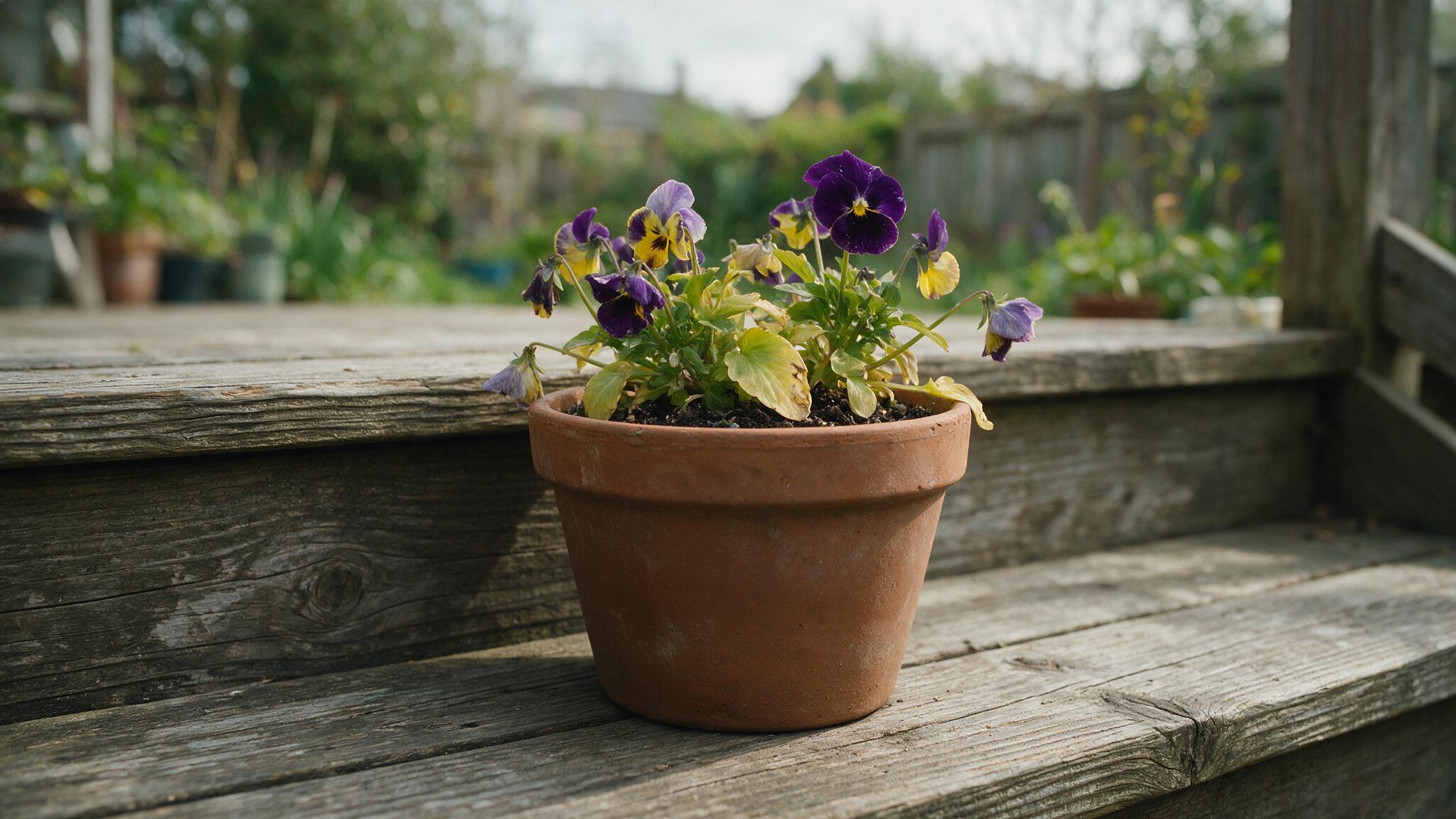
Few things are more discouraging than watching a pot of cheerful pansies collapse just weeks after planting. One day they are full of color, and the next the leaves are wilting, yellowing, or dropping altogether. The good news is that dying pansies almost always have an identifiable cause — and most of those causes are fixable once you know what to look for.
Pansies (Viola × wittrockiana) are cool-season favorites across the United States, planted in fall and spring from Maine to the Pacific Northwest. They produce their best flowers and growth when temperatures are mild in the fall and spring. Because they sit in a narrow comfort zone, small shifts in watering, temperature, or soil can tip them from thriving to struggling fast. This guide walks you through every major reason pansies die and exactly what to do about each one.
What Does It Mean When Your Pansies Are Dying?
When a pansy starts to die, it is sending a distress signal through its appearance. The challenge is that several different problems can produce the same visible symptom, so you need to read the whole plant — not just one leaf — to figure out what is actually wrong.
Wilting leaves could signal water issues or root rot, discolored leaves — yellow or brown — might indicate nutrient deficiencies or disease, and spots on leaves often suggest fungal infections. Each symptom points in a different direction, which is why a methodical approach saves you from treating the wrong problem.
Common causes include excessive heat, low soil pH, over-fertilizing, nutrient deficiencies, or fungal and soil-borne diseases, in addition to the most frequent culprit: watering errors. Understanding which category your plant falls into is the first step toward a real fix.
Is Dying in Pansies Always a Sign of a Problem?
Not always. Sometimes what looks like a plant in crisis is simply a plant responding normally to its environment or life stage. Knowing the difference saves you from unnecessary intervention.
It is totally normal to see your pansies die back during the hottest summer months — pansies prefer the cooler temperatures of spring and fall. If you planted pansies in late spring and they start declining in July, heat is the most likely explanation, not disease or neglect.
If your wilting pansies are from last season’s plantings, they could be nearing the end of their life cycle. Pansies can be considered annuals, perennials, or biennials depending on the variety, but they should last at least one season. If yours have made it through a full cool season and are now fading, that may simply be nature running its course.
Pro Tip: Before diagnosing a problem, check the calendar. Pansies planted in fall across USDA zones 6–9 often go dormant or die back in summer heat. That is expected behavior, not a care failure.
Watering Issues Causing Pansy Dying
The most common cause of pansies dying is watering issues. Too much moisture drowns the roots, and not enough will starve the plant. Both extremes produce wilting, which makes it easy to misread the situation and make things worse by adding more water to an already overwatered plant.
Overwatering and Crown Rot
The main cause of crown rot in pansies is overwatering. Pansies will rot at the crown and die if they are constantly overwatered. Overhead sprinklers watering in the evening can be detrimental to pansies since they cannot dry out overnight.
Pansies like light, well-draining soil. If you have heavy clay soil, water will not be able to drain, and this will cause your pansies to rot. If your garden beds stay soggy after rain, that is a red flag worth addressing before you plant.
Underwatering
This is usually a problem when pansies are first planted. You get them all planted up and they look great, then you come back to check on them and they are laying flat on the ground. It looks bad, but it is actually an easy fix — give them a good deep soak and they will perk back up.
If the leaves are curling as well as wilting, your pansies might be underwatered rather than overwatered. Give pansies about an inch of water a week for the majority of the season, upping their intake to almost two inches a week during the hottest summer months.
Watering Technique Matters
Water pansies deeply but infrequently. While watering daily encourages shallow roots, deep, infrequent waterings force pansies to build healthy, robust root systems.
Watering at the base of the soil is better than watering overhead. If you are using a sprinkler, it is better to water in the morning so the sun can dry the leaves. Watering in the evening will mean the leaves remain wet through the night, which is an invitation for powdery mildew.
| Watering Problem | Visible Symptom | Quick Fix |
|---|---|---|
| Overwatering | Yellowing leaves, mushy crown, collapse | Stop watering; improve drainage; let soil dry out |
| Underwatering | Wilting, curling leaves, dry soil | Deep soak immediately; adjust schedule to 1 inch/week |
| Evening overhead watering | White powdery coating on leaves | Switch to morning watering at soil level |
Light Conditions Behind Pansy Dying
Light is one of the most overlooked factors when pansies start to decline. Too little light weakens the plant and opens the door to fungal disease, while too much intense afternoon sun stresses a cool-season flower that was never designed for summer heat.
Pansies prefer full sun — at least six hours of direct sunlight a day — for prolific flowering, but in hotter climates pansies appreciate some protection from the scorching midday sun. Across much of the South and Southwest, this distinction is the difference between pansies that thrive and pansies that fry.
Although tolerant to full sun, the intensity of direct sunlight around midday can be too stressful. Ideally, pansies should be planted in a location that gets full sun in the morning, then shade later in the day.
If you are watering your pansies at the base and in the morning and you are still dealing with powdery mildew, they may not be planted in enough sun. Low-light conditions keep foliage damp longer and make fungal problems more likely. You can check out plants better suited for low-light areas if your yard lacks adequate sun for pansies.
Pro Tip: In USDA zones 7 and warmer, position pansies where a fence, wall, or taller plant shades them between noon and 3 p.m. Morning sun dries the foliage and fuels flowering; afternoon shade prevents heat stress.
Soil, Nutrients, and Root Health Causing Pansy Dying
What is happening underground is often the real story behind a pansy that looks terrible above ground. Soil pH, drainage, and nutrient balance all directly affect whether roots can absorb what the plant needs to survive.
Soil pH and Black Root Rot
The soil pH can be too low, putting pansies at risk of Thielaviopsis, more often referred to as black root rot, as that is the symptom the disease causes. This is a disease that kills pansies, and a contributor to its development is soil pH below 5.8.
For best results, aim to maintain the soil pH between 5.4 and 5.8, but no higher than 5.8, as that is when black root rot can take hold. You can pick up an inexpensive soil pH test kit at any garden center or order one online. Your local Cooperative Extension office can also test your soil and recommend amendments specific to your region.
Pansies infected with black root rot produce above-ground symptoms typical of other root-rotting diseases. Infected plants may be stunted or wilted, but the most diagnosable symptom is leaf yellowing. Roots infected with black root rot develop dark spots or bands easily seen against the normally white pansy roots, and early infection is most often seen at the tips of secondary feeder roots before the entire root system becomes black.
Drainage and Soil Structure
Black root rot develops more readily in poorly drained or excessively wet soils. Amend soil with peat or coconut coir prior to planting to ensure light, fluffy soil for your pansies. Always use potting mix in containers and make sure the containers have drainage holes.
Nutrient Needs
The three main nutrients that pansies require are nitrogen, phosphorus, and potassium. Nitrogen promotes leafy growth, phosphorus aids in root development and flower production, while potassium strengthens the plant’s overall health.
One common nutrient imbalance in pansies is an excess of nitrogen compared to phosphorus and potassium. While nitrogen is essential for growth, an excessive amount can result in an abundance of foliage and limited flowering. To correct this imbalance, adjust your fertilizer ratios to lower the nitrogen content and increase phosphorus and potassium levels.
Early symptoms of nutrient deficiency from a soil pH imbalance are pale foliage, poor blooming, and yellowing leaves near the base of the plant. If you are seeing those signs, test the soil before adding fertilizer — adding nutrients to soil with the wrong pH will not help, because the roots cannot absorb them. You might also find it helpful to explore different types of plants that may be better suited to your existing soil conditions.
Environmental Stress Triggering Pansy Dying
Even perfectly watered and fed pansies can decline quickly when the environment shifts outside their comfort zone. Temperature is the biggest environmental driver, but wind, humidity, and transplant shock also play real roles.
Heat Stress
Your pansies will survive the summer if temperatures remain below 21°C (about 70°F), but if the temperature rises above that, the heat will increase, and pansies will fail to tolerate the excess. Due to that, they will droop, get wilted, and finally die without protection from scorching heat.
Pansies are cool-season plants. As the season wears on and things heat up, your pansies might just wilt and rot away. This is especially common across the Southeast and Southwest United States, where summer arrives early and hard. In those regions, many gardeners treat pansies as a winter annual, planting in October and pulling them by May.
Transplant Shock
Stress is a common culprit for early pansy decline, especially for baby plants that are too weak to cope with huge environmental changes like moving from a plant nursery to your garden. The light, temperature, soil, and humidity all change in too short a space of time.
Pansies are cool-season biennials that prefer the shoulder seasons of spring and fall, especially in hardiness zones 7 and above. They thrive in soil temperatures that stay between 45°F and 65°F. Planting when soil is still too warm gives transplants a rough start and makes them far more vulnerable to every other stressor on this list.
Wind and Humidity
In the Great Plains and Mountain West, dry winds pull moisture from pansy foliage faster than the roots can replace it, causing wilting that looks like underwatering but is actually desiccation stress. External factors such as extreme temperatures and poor air circulation can impact pansy health, so creating an optimal environment helps prevent wilting. If wind is an issue in your yard, you can look into wind-tolerant plant alternatives for exposed spots, and reserve pansies for sheltered containers or beds.
Pests and Disease Leading to Pansy Dying
Pansies face a surprisingly long list of fungal diseases and insect pests. Pansies and other members of the viola family have their fair share of fungal issues, including anthracnose, cercospora leaf spot, powdery mildew, and botrytis blight. Identifying the specific problem matters because treatments differ.
Fungal Diseases
The fluctuating temperatures of springtime can create the perfect environment for the growth and spread of many plant diseases — damp, rainy, and cloudy weather with increased humidity. Cool-weather plants such as pansies can be extremely vulnerable to these diseases.
- Botrytis blight (gray mold): Botrytis blight causes flowers to rot, often covered in grey, fuzzy or webby mold. In wet weather, the rot can spread to seemingly healthy flowers and leaves and eventually affect a large portion of the plant.
- Anthracnose: Anthracnose produces spots on pansy foliage and stems that are usually pale white to cream colored with dark brown to black rings around the edges.
- Cercospora leaf spot: Large, spreading purple spots start on the lower leaves with a feathered margin. As the disease progresses, tiny purple spots and flecks appear on the upper leaves, and over time the leaf spots develop tan centers with purple borders.
- Powdery mildew: A white powdery film on the leaves of pansies that can be rubbed off.
- Crown rot (Phytophthora): Crown rot is generally active in warmer weather and can cause plant collapse in pansies. The fungus can attack the crown just above the soil line, and the plant will begin to collapse, often easily separated from the roots with little effort.
Foliar diseases are favored by extended periods of leaf wetness. Watering late in the day so that plants go through the evening with wet leaves can increase disease, because most leaf-spotting fungi require a minimum of eight to twelve hours of constant leaf wetness to infect the plant.
Insect Pests
Aphids and whiteflies are especially drawn to pansies, and these sap-sucking insects will cause pansies to look lifeless. According to the Clemson University Home and Garden Information Center , aphids are common sap-feeding insect pests that damage pansy foliage and produce sticky honeydew on plants.
- Aphids: These small, pear-shaped insects feed on the sap of pansy plants, causing them to weaken and wilt. Look for clusters of tiny green or black bugs on the leaves and stems.
- Spider mites: These minuscule pests are barely visible to the naked eye but can wreak havoc on pansies. They feed on the undersides of leaves, causing yellowing, wilting, and fine webbing.
- Slugs and snails: These creatures are particularly fond of pansy foliage and flowers. They can cause extensive damage by feeding on the leaves and leaving behind a telltale trail of slime.
- Thrips: Plants can develop yellow bull’s eye markings, stem lesions, black ring spots, and other leaf lesions. Thrips are often to blame for the viral infection known as Impatiens necrotic spot virus, which can also affect pansies.
If you are dealing with persistent pest pressure in your garden, apps that identify plants and insects can speed up diagnosis. Check out the best iPhone apps for identifying plants or the best Android apps for identifying plants to help you put a name to what you are seeing.
How to Diagnose Why Your Pansies Are Dying
A good diagnosis follows the plant from top to bottom and considers the environment it is growing in. Work through this sequence before reaching for any product.
- Check the soil moisture first. Pansies prefer even and consistent moisture, so when you see your plants drooping, the first order of business is to check the soil for moisture. If the soil is dry, the plants might just need more water. Push your finger an inch into the soil — wet and soggy points to overwatering; bone dry points to underwatering.
- Look at the leaves for clues. Yellow lower leaves with a wet soil suggest root rot. Brown, crispy leaf edges with dry soil suggest heat or underwatering. White powder on leaf surfaces points to powdery mildew. Dark spots with rings suggest anthracnose or cercospora.
- Inspect the crown and roots. Gently remove the plant from its pot and check for soggy or rotten roots. Use clean shears to cut away any unhealthy roots. White, firm roots are healthy. Black, mushy, or foul-smelling roots confirm root rot.
- Look for pests. Check the behavior of your pansies. Pest attacks leave behind different signs you can identify: yellow leaves, white or grey spots, or holes in the leaves. Check the undersides of leaves for spider mites or aphid colonies.
- Consider the season and temperature. If daytime highs are consistently above 70°F and you are in spring or early summer, heat stress is likely a major factor regardless of what else is going on.
Key Insight: Symptoms in pansies often overlap — a plant stressed by heat becomes more vulnerable to fungal disease, which then looks like a disease problem rather than a heat problem. Address the underlying stressor first, then treat the secondary issue.
How to Fix a Pansy That Is Dying
The fix depends on the diagnosis, but several steps apply broadly and will help most struggling pansies recover. Act quickly — seemingly healthy plants can suddenly decline and die rapidly.
Fix Watering First
If the soil is soggy, stop watering immediately and improve drainage. For container plants, add drainage holes or repot into fresh, well-draining potting mix. Overwatering pansies increases the chance of the plant developing root rot, a condition that results in the roots rotting and the eventual death of the plant. Root rot can be caused by the presence of a fungus that thrives in overly moist soil, or the moisture itself may cause the roots to rot out.
If the plant is underwatered, give it a good deep soak and it will perk back up like magic. Then set a consistent schedule: about one inch of water per week delivered at the base of the plant in the morning.
Treat Fungal Disease
Both anthracnose and cercospora leaf spot can be controlled by repeated fungicide applications with a fungicide containing mancozeb, daconil, or thiophanate-methyl. Fungicide applications should be started in early spring and repeated every two weeks.
Promptly remove infected leaves and severely infected plants to reduce disease spread. One infected leaf or plant, if left in the tray or bed, can spread the disease to all of the other plants. For botrytis and crown rot, unfortunately there is little treatment for these fungal diseases once they are noticed, so removal of infected plants is the priority to protect healthy ones.
Address Pests
First, remove the affected parts and give your plant a good wash so that the pests can get washed away. Treat small insects with insecticidal soap spray. You may be able to remove light infestations with a strong stream of water, but severe problems may require systemic insecticides.
For slugs and snails, hand-pick them at night when they are active, or place copper tape around container rims. Neem oil is a useful broad-spectrum option for aphids, spider mites, and thrips on pansies.
Correct Soil pH and Nutrients
Add organic matter to improve the soil. It makes the soil drain better, and it also helps in retaining more moisture and nutrients. If your pH test shows the soil is too alkaline (above 6.0), work in sulfur or an acidifying fertilizer to bring it back into the 5.4–5.8 range pansies prefer.
If nutrient deficiency is the issue, use a balanced, slow-release fertilizer formulated for flowering annuals. Avoid high-nitrogen products, which push leafy growth at the expense of blooms. You can also explore companion planting strategies that improve soil health naturally over time.
Manage Heat Stress
Try trimming back your pansies and letting them rest until the cool season comes around — they can catch a second wind. Adding a one- to two-inch layer of mulch around the base of the plants helps keep soil temperatures lower and retains moisture during hot spells. Move containers to a shadier spot during peak summer heat.
How to Prevent Pansy Dying Going Forward
Prevention is far easier than rescue. Most pansy problems are avoidable with the right planting timing, site selection, and basic hygiene practices.
- Plant at the right time. In most of the US, plant pansies in early fall (September to October) or early spring (February to March) when soil temperatures are between 45°F and 65°F. Avoid planting when summer heat is still in full swing.
- Choose a well-draining site. Black root rot develops more readily in poorly drained or excessively wet soils, so raised beds and amended garden soil are worth the extra effort up front.
- Water correctly from day one. In the beginning, when pansies are first planted, they need more water. As the roots get established, they will no longer need the extra water, and a regular watering routine should keep them perky and upright all season long.
- Avoid overhead watering. Avoid overhead watering and apply a thin layer of mulch around plants to reduce soil splashing onto foliage, which is one of the primary ways fungal spores spread.
- Deadhead regularly. Botrytis is less of a problem when pansies are regularly deadheaded, as the airborne spores often gain an initial foothold on dead flowers. Removing spent blooms keeps the plant looking good and cuts off a common entry point for disease.
- Rotate planting locations. Do not grow pansies on the same site in consecutive years to prevent soil-borne pathogens from building up. This is especially important if you have had black root rot or downy mildew in a bed before.
- Space plants properly. Maintain adequate spacing between pansies to improve air circulation, which keeps foliage drier and reduces the window for fungal infection.
- Clean up at season’s end. Keep flower beds free of debris and clean flower beds thoroughly at the end of the blooming season. Also, clean and disinfect planting containers before reusing them the following year.
Important Note: If you have lost pansies to black root rot or crown rot in a particular bed, do not replant pansies there the following season without first amending the soil heavily and confirming the pH is in the correct range. Soil-borne pathogens can persist through the off-season.
If you enjoy growing flowers alongside other garden plants, you might find it worthwhile to explore deer-tolerant plant options for surrounding beds, since deer browsing can stress pansies and open them up to secondary infection. Gardeners in dry climates can also look into drought-tolerant plant alternatives for spots where pansies consistently struggle with heat.
Frequently Asked Questions
Why are my pansies wilting even though I just watered them?
If your pansies are wilting right after watering, overwatering is more likely than underwatering. Overwatering pansies increases the chance of the plant developing root rot, a condition that results in the roots rotting and the eventual death of the plant. Root rot can be caused by a fungus that thrives in overly moist soil, or the moisture itself may cause the roots to rot out. Check the roots for black or mushy tissue, and make sure your soil or container drains freely.
Can pansies recover from heat stress?
You can trim back your pansies and let them rest until the cool season comes around and they can catch a second wind. Move containers to a shaded location and reduce watering slightly. Many pansies that appear dead in midsummer will push new growth once temperatures drop below 70°F in fall.
What does black root rot look like in pansies?
Black root rot destroys the roots, initially causing stunting, yellowing, and wilting of the plant. The disease often progresses enough to kill the plant. Root tips, and then eventually the entire root system, turn black. Unfortunately, once the disease is advanced, the plant usually cannot be saved — remove it promptly to protect neighboring plants.
How do I get rid of aphids on pansies?
Start with a strong stream of water to knock aphids off the foliage. Treat small insects with insecticidal soap spray. For heavier infestations, neem oil applied in the early morning works well and is safe for most beneficial insects when used as directed. Repeat every five to seven days until the population is gone.
Should I deadhead pansies to keep them healthy?
Yes, and it matters more than most gardeners realize. Botrytis is less of a problem when pansies are regularly deadheaded, as the airborne spores often gain an initial foothold on dead flowers. Removing spent blooms also encourages the plant to produce more flowers rather than putting energy into seed production.
Why do my pansies keep dying after I buy them from the store?
Baby plants are too weak to cope with huge environmental changes like moving from a plant nursery to your garden. The light, temperature, soil, and humidity all change in too short a space of time. There is also a risk that commercially raised plants may have been treated with fungicides that suppress symptoms but do not kill the pathogen, resulting in disease breaking out after purchase when the effect of those fungicides eventually wears off. Harden off new plants by placing them in a sheltered outdoor spot for a few days before planting in their final location.