Why Are My Monstera Leaves Turning Yellow? Causes and Fixes

September 4, 2026
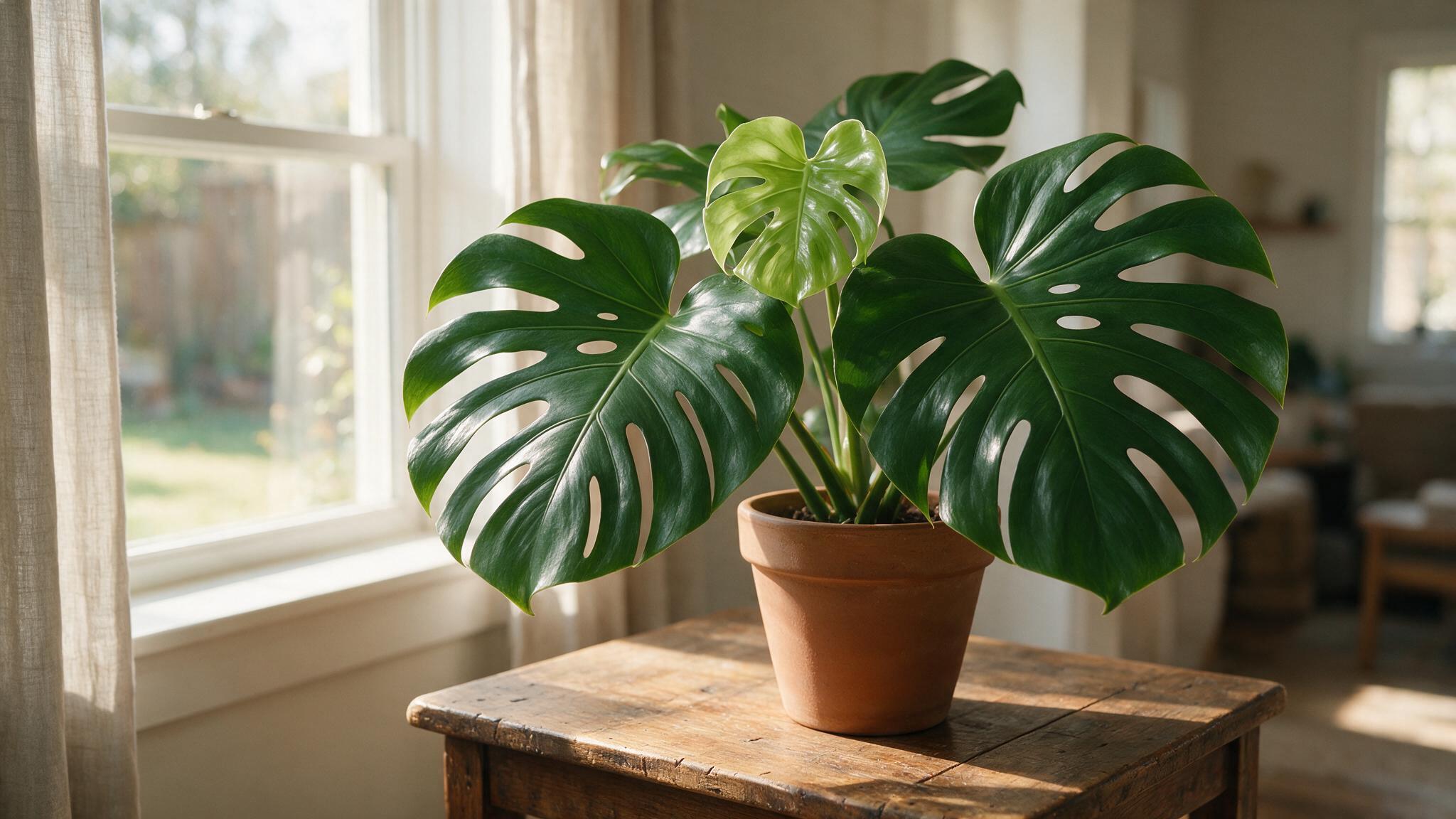
You walk over to your monstera, and something looks off. One leaf — maybe two — has gone from that deep, glossy green to a dull, flat yellow. It’s one of the most common distress signals a houseplant can send, and the good news is that it almost always points to something fixable.
Monstera leaves turning yellow is a common sign that one of these elements is out of balance — be it overwatering, underwatering, prolonged or insufficient exposure to light sources, lack of nutritional supplements in the soil base, or shock caused by repotting or propagation. Knowing which cause you’re dealing with makes the difference between a quick fix and weeks of guesswork.
This guide walks you through every reason your monstera might be yellowing, how to tell them apart, and exactly what to do about each one.
What Does It Mean When Your Monstera Is Turning Yellow?
The monstera (Monstera deliciosa) is a tropical plant native to the rainforests of Central America. Monsteras are jungle plants with large leaves, native to Central America. Because they originally come from areas with a tropical rainforest climate, these plants do best in warm temperatures and high humidity.
When a leaf turns yellow, it’s the plant’s way of communicating that something in its environment or care routine needs attention. Caring for a monstera involves a balance of proper watering, bright indirect light, well-draining soil, warmth, and consistent care. Yellow leaves are your plant’s way of signaling that something may need adjustment.
The yellowing itself is a loss of chlorophyll — the pigment responsible for both the green color and the plant’s ability to photosynthesize. Once a monstera leaf turns yellow, it’s unlikely to turn green again. Yellowing is typically a sign of stress or aging, and in both cases, the leaf’s ability to photosynthesize is compromised. That’s why identifying the cause quickly matters so much.
Pro Tip: Pay attention to which leaves are yellowing — lower older leaves, upper newer leaves, or leaves all over the plant. The location tells you a lot about the likely cause before you even touch the soil.
Is Yellowing in Monstera Always a Sign of a Problem?
Not necessarily. Some yellowing is completely normal and nothing to worry about. Not every yellow leaf means something is wrong. As a monstera grows, it may naturally shed older lower leaves so it can focus energy on new growth. If only one older leaf turns yellow while the rest of the plant looks healthy, this may simply be part of the plant’s natural growth cycle.
A healthy monstera will naturally shed an old leaf every couple of months as new growth pushes up. One yellow leaf every six to eight weeks while the rest of the plant looks vibrant is normal.
When your monstera enters a new growing period in the spring, it will spend more energy on producing new foliage. When this happens, older growth will lose moisture and energy, causing them to droop and go yellow. This is a natural part of your plant’s life cycle, and you can help your plant by removing these leaves and redirecting its energy to new growth.
The situation calls for concern when multiple leaves yellow at once, when yellowing spreads to newer growth, or when the discoloration comes with other symptoms like soft stems, pests, or bone-dry soil. Lower leaves may yellow naturally as the plant matures, especially if only one or two older leaves are affected. If several lower leaves yellow at once, check watering, soil, roots, and light levels.
Watering Issues Causing Monstera Yellowing
The most common cause of yellowing leaves among monsteras is improper soil moisture — in particular, overwatering. Most American homes tend to err on the side of too much water, especially during the winter months when the plant’s growth slows and soil stays wet far longer than expected.
Overwatering
Overwatering often causes soft yellow leaves, soggy soil, mushy stems, or a musty smell from the pot. If ignored, it can lead to root rot. Monsteras like consistent watering, but if overwatered, the roots may begin to rot. Root rot prevents the plant from absorbing vital nutrients from the soil, causing its leaves to wilt and grow yellow.
According to plant expert Elin Harryson at Planta, “Monstera prefer evenly moist soil, but they need oxygen at the roots. When soil stays wet for too long, roots can’t breathe, leading to stress and reduced nutrient uptake.”
A quick way to check: lift the pot. A dry plant is surprisingly light; a waterlogged one is heavy — this is often more accurate than checking just the surface.
Underwatering
Underwatering may cause yellowing along with dry soil, curling leaves, crispy edges, and drooping. If the plant is getting too much water, the lower leaves turn yellow first and may also develop black or brown spots. If it’s not getting enough water, you’ll see yellowing leaves everywhere on the monstera, possibly accompanied by light-brown dry spots.
Water Quality
The type of water you use matters too. Tap water often contains chlorine, fluoride, and other chemicals that can stress your plant, leading to leaf yellowing over time. Use filtered, distilled, or rainwater to keep your monstera healthy. If tap water is your only option, let it sit for 24 hours before using it to allow harmful chemicals to dissipate.
The Right Watering Approach
Only water your monstera when the top 2–3 inches of soil are dry. Soil should remain damp, but not wet. In the winter, you can allow your plant to dry out a little more between waterings. When you water, make sure you provide enough water so that liquid flows from the drainage hole at the bottom of the pot and into the saucer. It’s extremely important to discard any excess water in the saucer, as your monstera will not respond well to “wet feet,” which causes the roots to rot and the eventual death of the plant.
Pro Tip: Watering schedules don’t work as well as the finger test. Stick your finger 2–3 inches into the soil — if it still feels damp, wait. The soil, not the calendar, should drive your watering decisions.
Light Conditions Behind Monstera Yellowing
Monstera plants are all about environmental stability, so with any care factor, they are not a fan of extremes — this includes light. Yellowing monstera leaves can happen if the plant gets too much or too little light.
Too Much Direct Sun
While your monstera needs more light than most other houseplants, there is a limit to how much it can take. Direct, bright light will burn the foliage and cause it to yellow and blister. When this happens, the leaves will stop producing any energy for your plant. You can usually identify sun damage by the pattern: yellowing or brown patches that appear specifically on the side of the leaf facing the window.
Too Little Light
Too little light results in pale yellow uniform color and small new leaves. Monsteras only produce fenestrated mature leaves when they have enough light to support that level of growth. Move the plant closer to a bright window, give it a moss pole to climb, and expect to wait two to three leaf cycles before fenestration returns.
Finding the Right Spot
The monstera prefers bright, indirect light. Place your plant near an east or west-facing window where it can get plenty of natural light without too much direct sunlight. The light of a south-facing window might be too harsh, especially in the afternoon heat, but it can be diffused with a sheer curtain.
If you’re working with a darker home, check out this guide to the best houseplants for low-light areas to understand what your monstera is competing with in terms of light tolerance. You can also supplement with a quality grow light if natural light is insufficient in your space.
Soil, Nutrients, and Root Health Causing Monstera Yellowing
Even when watering and light are dialed in, problems below the soil surface can still cause your monstera’s leaves to turn yellow. Soil quality, nutrient levels, and root space all play a role.
Nutrient Deficiency and Over-Fertilization
If your monstera has not been fertilized or repotted in a long time, yellow leaves may be a sign of depleted soil. Nutrient deficiency often appears as overall pale growth, smaller new leaves, or older leaves yellowing first.
Monsteras in the same pot for over 18 months can deplete nutrients in the mix. Nitrogen deficiency in particular causes uniform yellowing across multiple lower leaves at once.
Over-fertilizing is just as problematic. Yellowing leaves could be a symptom of excessive plant fertilization. Too much fertilizer causes high concentrations of soluble salts and minerals, altering the soil pH. As a result, the leaves wilt and turn yellow, and the leaf margins turn brown.
If the issue is overfertilization, yellowing leaves will typically be accompanied by slow growth, a white crust on the top of the soil, and browning or crispy leaf edges. Flush the soil thoroughly until the water runs out of the pot’s drainage hole, and reduce the amount or frequency of fertilization. For nutrient deficiency, fertilize your plants using a balanced, water-soluble fertilizer at half-strength once a month during the growing season.
Root-Bound Conditions
An often-overlooked cause of yellowing leaves is a root-bound plant. As monsteras grow, their roots can fill the pot and begin circling tightly, making it harder for the plant to absorb water and nutrients efficiently. Signs of a root-bound monstera include roots growing out of drainage holes, soil drying out very quickly, slowed growth, and yellowing leaves despite otherwise good care.
Repot into a container one to two inches wider and refresh the soil with a chunky, well-draining mix. Repot your monstera every one to two years in a well-draining, aerated soil mix containing peat, perlite, and bark.
Key Insight: A fast-draining aroid mix does more than just prevent soggy roots — it eliminates the most common and most damaging cause of yellowing. Dense potting soil holds moisture far longer than a monstera’s roots can tolerate.
Environmental Stress Triggering Monstera Yellowing
Monsteras are tropical plants that thrive in stable, warm, humid conditions. The typical American home — with its central air conditioning in summer, forced-air heating in winter, and temperature swings near exterior walls — can create real stress for these plants.
Temperature Extremes and Drafts
Temperature stress may be the reason for yellowing leaves, especially if you’ve moved your monstera to a new location recently. Monsteras prefer consistent temperatures no lower than 55°F. Monsteras prefer warm, stable conditions. Cold drafts, sudden temperature swings, or direct exposure to heating vents can cause yellowing leaves and general stress. Keep your monstera away from drafty windows, exterior doors, radiators, and air conditioning vents.
Low Humidity
Monsteras can adapt to average household humidity, but very dry air may contribute to brown edges, crispy tips, and yellowing foliage. This is especially common in winter when indoor heating dries the air.
Low humidity causes the browning of leaf edges, followed by whole yellowing leaves. You can increase the humidity by using a water-filled tray with stones beneath your plant’s pot or using a humidifier. To increase humidity, consider grouping plants together, using a humidifier, or placing your monstera in a naturally more humid room with good light. Avoid misting as your only humidity solution, since it provides only a temporary boost.
Repotting and Transplant Shock
If you recently repotted your monstera and noticed yellowing leaves, it could be due to transplant shock. This is temporary — the plant is adjusting to its new environment and new soil. Give it a few weeks of consistent care without making additional changes, and the yellowing should stabilize.
Seasonal Changes
Seasons can also indirectly cause yellow leaves on monstera plants. For example, the soil dries slower in winter, and as a result, the plant is more prone to overwatering. Changes in seasons also lead to changes in temperatures that can cause yellowing leaves. Try to keep your indoor conditions as consistent as possible to avoid any further yellowing.
Pests and Disease Leading to Monstera Yellowing
Weakened or stressed monsteras become more susceptible to insect infestations. Sap-sucking bugs like spider mites can drain your plant of moisture. This problem quickly manifests itself by yellowing leaflets and fronds.
Common Pests to Watch For
The monstera, in particular, can be susceptible to aphids, thrips, scale, spider mites, and sap-sucking mealybugs. You will see evidence of these pests on the plant’s foliage, like sporadic holes in the leaves, white webbing on the underside, a sticky substance on the surface, etc.
Thrips deserve special attention. According to plant expert Elin Harryson at Planta, “They cause yellowing and other symptoms such as silvery streaks, black specks, and deformed, stunted new growth.” Scale, mealybugs, and spider mites occur frequently in indoor conditions. If not killed early on, these small pests proliferate and move all along frond parts into nooks and crannies.
If you have cats or other pets sharing the space, be aware that monstera plants are toxic to cats. They contain calcium oxalate crystals, which can cause irritation and discomfort if ingested. Learn how to keep cats out of houseplants to protect both your pet and your monstera. You might also want to explore plants that repel cats as a natural deterrent strategy.
Treating Pest Infestations
First, isolate the plant, as these pests can spread quickly to other houseplants. Rinse leaves thoroughly, and treat with pesticide, neem oil, or thrip predators. Repeat treatments for four to six weeks, removing any visible thrips between applications.
Begin by checking the undersides of your plant’s leaves and stems for pests. It’s vital to spot them and take action as soon as possible so that they don’t spread to your other plants. Watch out for the tell-tale signs of a pest infestation, such as webs, powdery residue, scales, and dark spots. Remove any insects with a damp cloth soaked in soapy water and apply insecticide or an eco-friendly natural pesticide if necessary.
Fungal Disease
Diseases like powdery mildew can also cause a host of growth problems that result in yellow leaves. Monitor your monstera for any sign of pest or disease problems and address them as necessary. Good air circulation around the plant reduces the risk of fungal issues significantly.
How to Diagnose Why Your Monstera Is Yellowing
When you’re staring at a yellow leaf and not sure where to start, a systematic approach saves time. Start by checking the soil moisture, light exposure, roots, and leaves for pests. Once you identify the likely cause, make one or two careful changes rather than changing everything at once.
Use the symptom patterns below to narrow down the cause quickly:
| Symptom Pattern | Likely Cause |
|---|---|
| Soft yellow leaves, soggy soil, musty smell | Overwatering / root rot |
| Yellow leaves with crispy edges, dry soil | Underwatering |
| Pale uniform yellow, small new leaves | Too little light |
| Yellow patches with brown scorched edges | Too much direct sun |
| Multiple older leaves yellowing uniformly | Nutrient deficiency |
| White crust on soil, brown leaf margins | Over-fertilization |
| Yellowing with webbing, sticky residue, or spots | Pest infestation |
| Roots out of drainage holes, soil dries instantly | Root-bound / needs repotting |
| Single lower leaf yellowing, rest of plant healthy | Natural aging — no action needed |
| Yellowing after a recent move or repot | Transplant or environmental shock |
A plant identification app can also help you rule out disease or pest issues you might not recognize by eye. Check out the best iPhone apps for identifying plants or the best Android apps for identifying plants for tools that can help you diagnose problems from a photo.
How to Fix a Monstera That Is Yellowing
Once you’ve identified the cause, the fix is usually straightforward. Work through the steps that match your diagnosis rather than changing multiple things at once — that way, you’ll know what actually worked.
- Remove yellow leaves. Saving the yellowing leaves from your monstera won’t do you any good. These leaves are often beyond recovery, and removing them helps the plant redirect its energy to healthier growth. Use clean scissors or pruning shears and cut the stem close to the main stalk.
- Adjust your watering. Let the top 2–3 inches of soil dry out before watering again. Alternating between bone dry and wet soil from ill-timed waterings can create stress and cause your monstera to yellow. Consistency matters more than any set schedule.
- Check and improve drainage. Always use a pot with drainage holes and avoid letting the plant sit in standing water. If your pot lacks drainage, repot into one that has it.
- Reposition for better light. Move your monstera to a spot with bright, indirect light. Place your monstera near a north- or east-facing window where it receives filtered sunlight. Use a sheer curtain to diffuse harsh afternoon sun from south-facing windows.
- Treat for pests immediately. Isolate the plant, remove visible pests manually, and treat with neem oil or insecticidal soap. Repeat treatments for four to six weeks, removing any visible thrips between applications.
- Address nutrient issues. For deficiency, apply a balanced liquid fertilizer at half-strength once a month during the growing season. For over-fertilization, flush the soil thoroughly and hold off on feeding for several weeks.
- Repot if root-bound. Transplant your monstera into a larger pot with fresh, well-draining soil to provide more space for root growth. If the root ball is too tight, you can gently prune some of the congested roots to encourage healthy growth. After repotting or pruning the plant, give it time to adjust and heal.
- Boost humidity. Group plants together, add a humidifier nearby, or place your monstera on a pebble tray filled with water. Avoid relying on misting alone, as it only provides a short-term humidity boost.
Important Note: Make one change at a time when troubleshooting. If you adjust watering, light, and fertilizer all at once, you won’t know which fix actually worked — and you risk stressing the plant further with multiple sudden changes.
How to Prevent Monstera Yellowing Going Forward
Prevention is much easier than recovery. Once your monstera is back to healthy green growth, a few consistent habits will keep yellowing from coming back.
- Check soil moisture before every watering. The finger test — pressing two to three inches into the soil — is the most reliable method. Skip watering if any moisture remains.
- Rotate your plant regularly. Rotate the pot a quarter turn every week so all sides get even exposure. This prevents one side from getting scorched while the other stays in the dark.
- Fertilize on a seasonal schedule. During the active growing season, use a balanced houseplant fertilizer according to label directions. Avoid overfertilizing, which can burn roots and create more stress. Ease off or stop fertilizing entirely in fall and winter when growth slows.
- Repot proactively. Repot your monstera every one to two years in a well-draining, aerated soil mix containing peat, perlite, and bark. Choose a pot that is one to two inches larger in diameter than the current one to encourage healthy root growth.
- Inspect leaves regularly. Check your plants regularly so you can catch thrips and other problematic visitors early, before they feed on the leaves and cause them to turn yellow. Pay special attention to the undersides of leaves where pests tend to hide.
- Maintain stable temperatures. Keep your monstera away from air conditioning vents, heating units, drafty exterior doors, and cold windowpanes in winter. Aim for temperatures consistently above 60°F.
- Use quality water. Switch to filtered or distilled water if you notice persistent yellowing that doesn’t respond to other fixes. Letting tap water sit overnight before use can also help dissipate chlorine and fluoride.
- Understand the types of leaves your monstera produces at different growth stages — mature fenestrated leaves have different light and nutrient needs than juvenile leaves, and knowing this helps you calibrate care over time.
FAQ
Can Yellow Monstera Leaves Turn Green Again?
Once a monstera leaf turns yellow, it’s unlikely to turn green again. Yellowing is typically a sign of stress or aging, and in both cases, the leaf’s ability to photosynthesize is compromised. Remove fully yellow leaves with clean scissors to help the plant redirect energy to healthy new growth.
How Often Should I Water My Monstera?
Water your monstera plant when the top inch of soil feels dry to the touch. Typically, this means watering every one to two weeks, but adjust based on environmental factors like humidity and temperature. In summer, you may need to water more frequently; in winter, much less often.
Should I Remove Yellow Leaves from My Monstera?
Yes. Regular pruning is a crucial step in monstera care. Cutting off or removing damaged or dying leaves helps monstera plants use their resources properly, preventing further yellowing. Always use clean, sharp scissors or pruners to avoid introducing bacteria to the cut.
Can Low Humidity Cause Yellow Leaves on a Monstera?
Low humidity and dry soil cause leaves to brown on their edges, later followed by entire yellowing. Misting the leaves of your monstera often will increase the humidity, though using a humidifier or pebble tray is more effective for long-term results.
Why Are Only the Bottom Leaves of My Monstera Turning Yellow?
If there is new growth on your plant and the yellowing leaves are older, particularly at the bottom of the plant, this yellowing is natural. Your plant sheds its old leaves and sends energy to new growth. If many bottom leaves yellow at once rather than one at a time, check your watering and soil conditions.
Is My Monstera Toxic to Pets?
Yes, monstera plants are toxic to cats. They contain calcium oxalate crystals, which can cause irritation and discomfort if ingested. Monstera plants can also be harmful to dogs. They contain substances that can make your furry friend sick if eaten. Keep your monstera out of reach, or explore plants that repel cats to help keep curious pets away from your houseplants.
What Is the Best Soil Mix for Preventing Monstera Yellowing?
A chunky, fast-draining aroid mix works best. It prevents root rot, which is the most common and most damaging cause of yellowing. Aroid mix dries fast enough that even occasional overwatering does not lead to root rot. It will not stop the other causes like underwatering, poor light, or nutrient deficiency, but it eliminates the silent slow-death cycle most owners run into in dense potting soil.