Can You Freeze Sliced Fresh Eggplant? (What Actually Works)

October 29, 2026
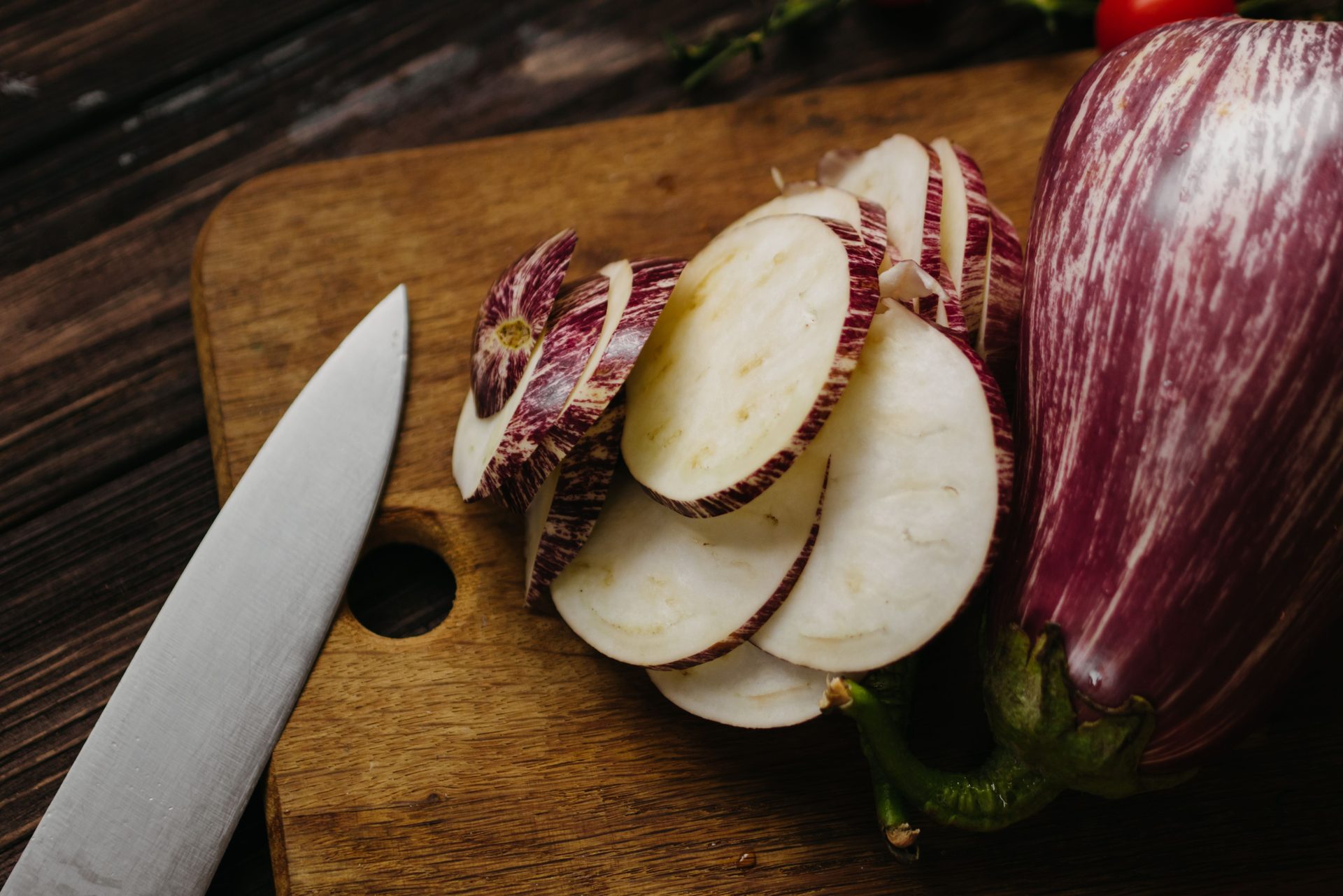
Fresh eggplant has a short window. It keeps just a few days before it turns bitter, which makes freezing one of the most practical ways to hold onto a bumper harvest or a grocery store sale. The good news is that yes, you can absolutely freeze sliced fresh eggplant — but how you prepare it before it goes in the freezer makes all the difference between a usable ingredient and a soggy mess.
Whether you grew your own in a backyard garden, picked up a bag at a farmers market, or just bought more than you can cook this week, this guide walks you through every step — from prep and packaging to thawing and knowing when to toss it. If you have ever wondered how to freeze fresh uncooked zucchini, the same core principles apply here.
Can You Freeze Sliced Fresh Eggplant?
Yes, you can freeze sliced fresh eggplant — but raw, untreated slices do not freeze well on their own. Freezing eggplant without any pretreatment is not recommended. The resulting eggplant will likely be extremely mushy and unpalatable due to the high water content and enzyme activity.
Fruits and vegetables contain enzymes and bacteria that, over time, break down nutrients and affect the color, flavor, and texture of food during frozen storage. To stop this from happening to eggplant, it needs to be blanched, boiled, or steamed to kill off these enzymes before freezing.
The solution is simple: blanch your slices before freezing, or cook them first using another method. Either approach neutralizes those enzymes and locks in quality. Freezing is really the only option for preserving eggplant, since the flesh is too dense to can safely — even with pressure canning — without pulverizing it beyond recognition.
Pro Tip: Only slice as much eggplant as you can blanch in one batch. Eggplant starts to turn brown if the slices are exposed to air for more than about 30 minutes.
Does Freezing Change the Texture or Taste of Sliced Eggplant?
Freezing can slightly alter the taste and texture of eggplant, but if properly blanched and stored, it should remain flavorful and suitable for most cooked dishes. The biggest change you will notice is softness. Eggplant has a spongy, water-heavy structure, and ice crystals that form during freezing break down some of that cell structure.
Freezing can slightly alter the taste and texture of eggplant. The salt-and-press method helps minimize these changes. It is generally best used in cooked dishes where these changes are less noticeable. Think baked casseroles, stews, eggplant parmesan, and ratatouille — not raw salads or dishes where a firm bite matters.
Eggplant can sometimes darken slightly during freezing, but this does not affect the taste or safety of the vegetable. Blanching and adding lemon juice during blanching help reduce discoloration. So if your thawed slices look a little darker than you expected, that is normal — not a sign that something went wrong.
How to Freeze Sliced Fresh Eggplant the Right Way
There are two reliable methods for freezing eggplant slices: blanching (the gold standard for raw slices) and cooking first. Both work well — your choice depends on how you plan to use the eggplant later.
Method 1: Blanching Raw Slices
This is the method recommended by the National Center for Home Food Preservation and the most widely used approach for preserving raw sliced eggplant. Here is how to do it step by step:
- Select the right eggplant. Harvest or buy eggplant before the seeds become mature and when the color is uniformly dark. Choose eggplants that are ripe, with no bruises. The seeds should still be white — not yet brown and mature.
- Wash, peel, and slice. Wash, peel, and slice the eggplant to about 1/3-inch thick. Some sources recommend 1/4-inch slices for faster, more even blanching — either thickness works.
- Prepare the blanching water. Water blanch in 1 gallon of boiling water containing 1/2 cup of lemon juice. The lemon juice prevents browning and helps the slices hold their color.
- Blanch for 4 minutes. Blanch the eggplant in the boiling water for four minutes. Blanching kills the enzymes that cause eggplants to lose their texture and flavor over time. Eggplant also has a high water content, so it benefits from being cooked slightly before freezing.
- Cool immediately. Transfer the slices to an ice bath right away to stop the cooking process. Take the slices out of the boiling water using a slotted spoon and place them straight into the bowl of iced water you have prepared.
- Drain and separate. Pack the drained slices with freezer wrap between each slice. This prevents them from fusing together in the freezer.
- Bag and seal. Package in freezer bags. Remove as much air as possible before sealing the bags.
- Label and freeze. Write the date on every bag. Label the bags with as much information as you will need. Do not assume you will remember what went into the bag.
Method 2: Freeze Cooked Slices
You can also freeze eggplant by cooking it prior to freezing. Cooking methods include grilling eggplant slices or roasting whole eggplants. For slices specifically, roasting works especially well. Roast one-inch eggplant rounds in the oven at 400 degrees Fahrenheit for 30 minutes. Freeze the slices on a baking sheet before storing in an airtight container or freezer bag.
If you plan to make eggplant parmesan or lasagna later, you can even bread the slices before freezing. If you plan to use the frozen slices for making vegetable lasagna or eggplant parmesan, you can batter and bread the slices after blanching, wrap in wax paper, and freeze. Simply use your favorite batter and breading recipe. To fry or bake slices later, pack them in layers separated by wax paper before loading into freezer bags.
Pro Tip: If you use thin sandwich bags instead of heavy-duty freezer bags, or if you fail to squeeze out the air, your eggplant will develop a “freezer taste” within weeks. Always use proper freezer-grade bags or airtight containers.
How Long Can You Freeze Sliced Eggplant?
Storage time depends on how the eggplant was prepared and how well it was packaged. Here is a quick reference:
| Preparation Method | Freezer Storage Time | Notes |
|---|---|---|
| Blanched raw slices (freezer bag) | Up to 9 months | Best quality within 6 months |
| Blanched raw slices (vacuum sealed) | Up to 14 months | Deep freeze extends shelf life further |
| Roasted/cooked slices | Up to 12 months | Best flavor within 9–14 months |
| Untreated raw slices | Up to 3 months | Texture degrades quickly; use in mashed/pureed dishes only |
Frozen eggplant can be stored in the freezer for up to 9 months. However, it is best to consume it within 6 months for optimal taste and texture. For longer storage, vacuum packing results in longer storage capability, and thicker bags also help prevent freezer burn. In general, up to 9 months in a zip-lock bag in an ordinary freezer, and 14 months in a deep freeze in a vacuum-packed bag.
Eggplant that has been fully roasted before freezing can last even longer. Roasted, frozen eggplant lasts in the freezer for about a year. Regardless of the method, always label bags with the date so you know exactly where you stand. You can also apply these same habits when you freeze fresh watermelon chunks — labeling and airtight packaging always matter.
How to Thaw Frozen Sliced Eggplant
Thawing eggplant the right way protects both texture and food safety. The safest method for thawing frozen eggplant is in the refrigerator. Place the frozen eggplant in a container or on a plate to catch any liquid released during thawing. Allow it to defrost for several hours or overnight, depending on the size of the eggplant. This method keeps the eggplant at a safe temperature throughout the thawing process, reducing the risk of bacterial growth.
Avoid microwaving to thaw, as it can make the eggplant mushy. If you are adding the eggplant to a soup, stew, or casserole, you do not always need to thaw it first. You can add it directly to dishes like stews and casseroles without thawing. The heat from cooking will do the work for you.
If you need to thaw more quickly than overnight, you can submerge it in cold water. Change the water every 30 minutes to keep it cold. Once thawed by any method, use the eggplant the same day to get the best texture when cooked or grilled.
Pro Tip: Thawed eggplant releases a fair amount of liquid. Pat the slices dry with paper towels before cooking to avoid steaming instead of browning in the pan.
Can You Refreeze Sliced Eggplant After Thawing?
No — refreezing thawed eggplant is not a good idea. Refreezing eggplant after it has been thawed is strongly discouraged. Refreezing can lead to significant texture degradation and increases the risk of bacterial contamination.
It is not recommended to refreeze eggplant once it has been thawed, as it can further degrade the texture and quality. The best way to avoid this situation is to freeze eggplant in portion-sized bags from the start. That way you only pull out what you need, and the rest stays frozen and undisturbed.
If you roasted or blanched a large batch, divide it into meal-sized portions — enough for one casserole, one batch of eggplant parmesan, or one pot of soup — before freezing. This approach eliminates the temptation to refreeze and keeps quality high across every serving.
How to Use Frozen Sliced Eggplant (Best Uses After Freezing)
Because freezing softens eggplant’s texture, it performs best in cooked dishes where a tender consistency is an asset rather than a drawback. You can use frozen eggplant slices in any recipe that calls for cooked eggplant, such as soup, lasagna, or ratatouille.
Here are the best ways to use your frozen stash:
- Eggplant Parmesan: Thaw slices, pat dry, bread, and bake or pan-fry. The softened texture holds up perfectly under sauce and melted cheese.
- Lasagna and casseroles: You can use eggplant slices on sandwiches or for layering in lasagna. Layer directly from thawed into your baking dish.
- Soups and stews: The pieces do not need to be thawed to be used in most cases. Drop the frozen cubes or slices into soups or stir-fries. They will thaw quickly and add rich eggplant flavor to your dish.
- Ratatouille and caponata: Use this eggplant in stews, chili, dips, or ratatouille. The soft texture blends seamlessly into these saucy preparations.
- Dips and spreads: Thawed roasted eggplant mashes easily into baba ganoush or smoky eggplant dip — no extra cooking needed.
- Stir-fries: Add frozen slices directly to a hot wok or skillet. They cook through quickly and absorb sauces well.
Eggplant is also worth considering for its nutritional value. It pairs well with a whole plant-based diet and has been noted among superfoods for a healthy heart. Some research also highlights it among powerful nutrients and foods that fight cancer, making it a vegetable worth preserving and eating regularly.
Signs That Frozen Sliced Eggplant Has Gone Bad
Even frozen food has a limit. Here is what to watch for before you cook with your frozen eggplant:
- Severe freezer burn: Large dry, grayish-white patches on the surface indicate significant moisture loss. Mild freezer burn is safe to eat but affects flavor; heavy freezer burn means the quality is too far gone.
- Off smell after thawing: Fresh eggplant has a mild, earthy scent. If there are visible mold or rotten smells, you will know for sure that the eggplant is off.
- Slimy or wet texture after thawing: Some softness is normal, but if the eggplant is dull, brown, and squishy, it has gone bad. Slimy, wet skin is another indicator that the eggplant has gone bad.
- Visible mold: If the stem is browning or developing mold — or if there is mold anywhere else on it — it is time to discard the eggplant.
- Unusual interior browning: If the eggplant is brown inside when you cut into it, do not use it. Note that surface browning from oxidation right after slicing is normal and safe — deep, widespread interior browning is not.
- Past its storage window: Frozen raw eggplant, properly prepared and stored in freezer-safe containers, can last for up to 6–8 months while maintaining reasonable quality. After that, the texture and flavor may begin to degrade.
When in doubt, toss it. Eggplant is inexpensive enough that it is not worth the risk of eating something that has clearly turned. Good food storage habits — tight packaging, clear labeling, and using within the recommended window — prevent most of these issues from happening in the first place. You can apply the same vigilance to other preserved foods, like learning about foods that support liver function or understanding foods you need to avoid for long-term health.
Frequently Asked Questions
Do You Have to Peel Eggplant Before Freezing It?
You can freeze eggplant with the skin on, but peeling it can help maintain a more consistent texture after thawing. Most cooks peel before blanching because the skin can become tough or chewy once frozen and reheated. If you are making a dish where the skin is part of the presentation, leave it on — otherwise, peel first.
Can You Freeze Eggplant Without Blanching?
Freezing raw eggplant without blanching is possible using a simple salt-and-press technique to minimize water content and prevent mushiness upon thawing. By drawing out excess moisture and then flash-freezing treated eggplant, you can successfully preserve it for later use in cooked dishes. That said, blanching remains the most reliable method for longer storage and better texture.
What Is the Best Slice Thickness for Freezing Eggplant?
Cutting eggplant into 1/2-inch slices or 1-inch cubes is the best way to freeze it. This increases the surface area for blanching and allows for faster freezing, which preserves the texture better than freezing whole. For dishes like eggplant parmesan, 1/4-inch slices work well too.
How Long Does Fresh Eggplant Last Without Freezing?
Eggplants last about a week in a cool place that maintains the temperature between 50°F and 54°F, or when you refrigerate them. You can also leave them at room temperature for about 3 to 4 days. Freezing extends that window dramatically, making it the right call whenever you have more eggplant than you can use within the week.
Can You Freeze Cooked Eggplant Dishes?
You can prepare your favorite eggplant dishes — such as caponata, moussaka, eggplant-infused tomato sauce, roasted eggplant soup, or ratatouille — and freeze appropriate serving-size portions in airtight containers. Fully cooked dishes often freeze even better than raw slices because the cooking process has already broken down the texture, so there is less change after thawing.
Is Frozen Eggplant as Nutritious as Fresh?
Properly stored, frozen eggplant will maintain its quality for up to 9 months. This method ensures that the eggplant retains its taste, texture, and nutritional value, making it a convenient ingredient for various recipes throughout the year. Blanching does cause minor nutrient loss, but the difference is small compared to the benefit of preserving the vegetable before it spoils. For more on eating for health, explore foods for healthy skin and fibroid healing foods for additional plant-based nutrition guidance.