
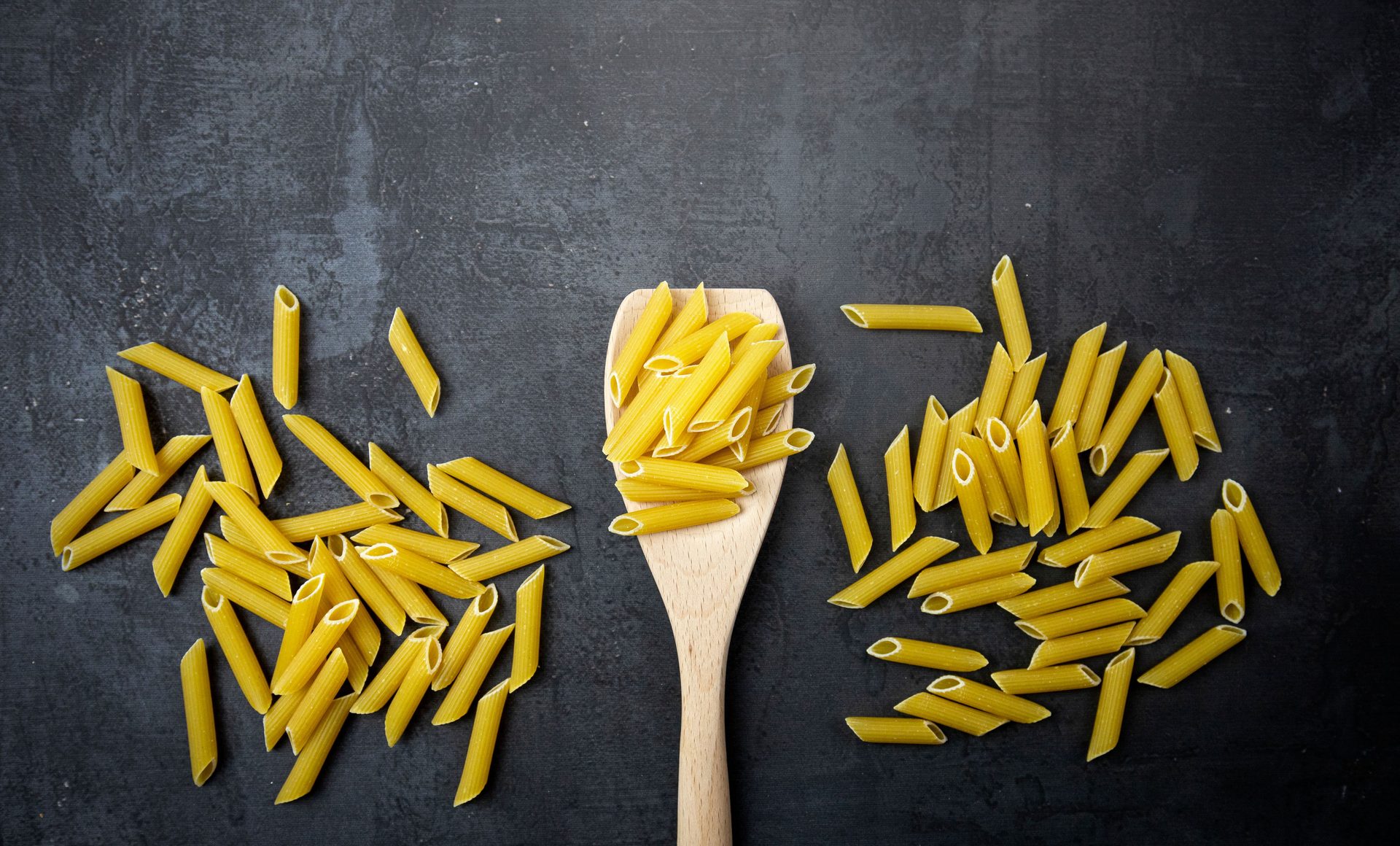
Yes, you can freeze gluten free pasta — but it behaves differently than regular wheat pasta, and knowing those differences upfront saves you from a soggy, mushy disappointment later. Freezing can break down the delicate starch structure of gluten free pasta, resulting in noodles that may become overly soft or crumbly when reheated. That does not mean freezing is off the table. It just means the method matters more than it does with traditional pasta.
Whether you made a big batch of rice-based penne for a weeknight dinner, stocked up on gluten free Asian noodles, or have leftover pasta from a holiday spread, this guide walks you through exactly how to freeze gluten free pasta the right way — and what to expect when you pull it back out.
Can You Freeze Gluten Free Pasta?
Gluten free pasta can be frozen for up to 3 months. Both cooked and uncooked varieties can go in the freezer, though they behave quite differently. Uncooked dry gluten free pasta holds up much better in the freezer than cooked pasta does, because it has not yet absorbed water and its starch structure remains intact.
Gluten free pasta is an ideal option for individuals with celiac disease, gluten sensitivity, or those following a gluten-free diet for personal health reasons. It comes in a variety of shapes and sizes, such as spaghetti, penne, and fettuccine, and is made from alternative flours and starches such as rice, corn, quinoa, and chickpea in place of traditional wheat flour. Each of these base ingredients responds a little differently to freezing, which is worth keeping in mind when you plan your storage.
While you can freeze gluten free pasta, it is generally not recommended for standalone noodles due to potential texture issues — except in dishes like lasagna, where the noodles are layered in sauce. If you are freezing pasta as part of a baked casserole or sauce-heavy dish, your results will be noticeably better than if you freeze plain cooked noodles on their own.
Pro Tip: If you are meal prepping, consider freezing the sauce separately and cooking a fresh batch of gluten free pasta the day you plan to eat. You get the best of both worlds — a ready-made sauce and pasta with ideal texture.
Does Freezing Change the Texture or Taste of Gluten Free Pasta?
Honestly, yes — and more so than with regular wheat pasta. Gluten free noodles do not freeze particularly well. The texture can change to mush, which is not ideal. This is especially true for cooked pasta that was already at or past al dente before going into the freezer.
The science behind it is straightforward. Alterations in ice crystal size within the food material can cause damage to the structure, and a loss of textural properties is found throughout the storage period. Gluten free pasta, which lacks the protein network that gives wheat pasta its elasticity, is more vulnerable to this kind of structural damage.
Taste is generally less affected than texture. Fresh will always beat frozen, and there is a chance the texture will be slightly different from what you are used to — but frozen gluten free pasta is a viable option for storing pasta for the long term. You can minimize the quality loss significantly by undercooking the pasta before freezing and using proper airtight storage.
Most gluten free pasta does not freeze well. Lasagna noodles tend to do okay, but keep in mind they are smothered in sauce, which is forgiving. Lasagna noodles are also a bit thicker and tougher, so they hold up to freezing better than, say, an elbow noodle. Thicker, sturdier shapes like penne and rigatoni also tend to survive the freezer better than thin spaghetti or delicate angel hair.
How to Freeze Gluten Free Pasta the Right Way
The steps differ depending on whether your pasta is cooked or uncooked. Follow the method that matches your situation for the best results.
Freezing Uncooked Gluten Free Pasta
Uncooked dry gluten free pasta from a box is already shelf-stable, so freezing it is mostly useful if you have opened a package and want to preserve it longer than your pantry allows. If you want to freeze fresh uncooked gluten free pasta, avoid freezing strands like spaghetti or tagliatelle — they tend to clump together in the freezer, making it hard to portion out. Instead, opt for shapes such as farfalle or penne.
For fresh or homemade uncooked pasta, flash freeze first. Place your pasta onto a parchment-lined baking sheet, ensuring none of the pieces are touching. Put the tray in the freezer to flash freeze for a couple of hours. When the outside is frozen solid, remove the tray and tip the pasta into an airtight container. Do this carefully, as the pasta will be brittle.
Freezing Cooked Gluten Free Pasta
- Undercook intentionally. For best results, cook pasta slightly al dente before freezing, as it will soften further upon reheating.
- Stop the cooking immediately. Once the pasta is cooked, drain it in a colander to remove excess water, then rinse with cold water to stop the cooking process and cool it down.
- Toss with a small amount of olive oil. Toss with a small amount of olive oil to prevent sticking.
- Portion it out. Dividing the pasta into individual servings or family-sized portions makes it easier to thaw and reheat only what you need. Consider dividing into individual servings such as ½ cup or 1 cup, or family-sized portions of 4–6 servings.
- Seal out air. Freeze in airtight, freezer-safe containers or heavy-duty freezer bags, removing as much air as possible.
- Label clearly. If you have frozen both gluten and gluten free pasta, you will never be able to tell the difference when frozen — so write a clear label.
Pro Tip: For long noodles like spaghetti, freeze them in small “nests” to keep the food from breaking up and clumping. Use a fork to twirl slightly undercooked spaghetti into small bundles before placing on the baking sheet.
How Long Can You Freeze Gluten Free Pasta?
Storage time depends on whether the pasta is cooked or uncooked, and the quality window is shorter than most people expect for cooked noodles.
| Pasta Type | Freezer Life (Quality) | Notes |
|---|---|---|
| Uncooked dry pasta (sealed) | Up to 2 years | Mostly for opened packages or long-term backup storage |
| Uncooked fresh/homemade pasta | Up to 3 months | Flash freeze first; handle gently |
| Cooked pasta (plain) | 1–3 months | Best within 2 months for texture; use airtight bags |
| Cooked pasta in sauce/casserole | Up to 3 months | Sauce helps protect texture; label with date |
| Filled pasta (e.g., ravioli) | Up to 6 weeks | Filling matters — check if dairy-heavy fillings freeze well |
The longer you leave gluten free pasta in the freezer, the greater it will degrade in texture. That is why leaving it for up to 3 months is the advised maximum. For filled pasta like ravioli or tortellini, aim for 6 weeks maximum.
When it comes to cooked gluten free pasta stored in the refrigerator, eat it within 3 to 5 days. Freezing is the right move when you know you will not get to it within that window.
How to Thaw Frozen Gluten Free Pasta
How you thaw gluten free pasta matters just as much as how you freeze it. The wrong method can turn an already-delicate noodle into a watery mess before it even reaches the pan.
The good news is that you can often cook frozen pasta directly from frozen. Just grab a handful, add it to boiling water, and cook until al dente. If you leave it to thaw in the fridge, it can actually turn watery — so it is generally best to cook it from frozen.
If you are reheating a sauce-based dish or casserole, the refrigerator thaw method works better. Thaw overnight in the fridge, then reheat on the stove or in the microwave. Add a small splash of water or broth when reheating to prevent the pasta from drying out and sticking.
Reheat cooked pasta thoroughly to 165°F (74°C) and only reheat once. A food thermometer takes the guesswork out of this, especially for baked pasta dishes or casseroles you are pulling from the freezer.
Pro Tip: When reheating gluten free pasta on the stovetop, add a bit of liquid — such as dairy-free milk or broth — to help it along. This keeps the noodles from seizing up and improves the final texture considerably.
Can You Refreeze Gluten Free Pasta After Thawing?
No — and this is one of the clearest rules when it comes to gluten free pasta storage. Refreezing gluten free pasta is not advised, as it can play havoc with the texture. It can dry the pasta out, leaving it flavorless and tough to cook in the future.
It is not recommended to refreeze thawed gluten free pasta, as this can affect its texture and flavor. It is best to reheat the thawed pasta and consume it immediately. This is exactly why portioning before freezing is so important — you only pull out what you need, so nothing goes to waste and nothing needs to go back in the freezer.
There is one exception worth noting: if you froze raw uncooked pasta, cooked it, and have leftovers, those cooked leftovers should be refrigerated and eaten within 3–5 days rather than refrozen. The pasta has already been through one freeze-thaw cycle, and a second round will leave you with very little worth eating.
How to Use Frozen Gluten Free Pasta (Best Uses After Freezing)
Not every dish is equally forgiving of frozen-and-thawed gluten free pasta. Playing to the strengths of frozen pasta — mainly that it is already partially cooked and softens quickly — makes a real difference in the final result.
- Baked casseroles and pasta bakes. This is where frozen gluten free pasta shines. The sauce, cheese, and oven heat all work together to mask any textural softness. Think baked ziti, pasta bakes, or seafood pasta dishes finished in the oven.
- Soups and stews. Add frozen pasta directly to a simmering broth during the last few minutes of cooking. Most soups are gluten free as long as you use gluten free ingredients, and they freeze really well — making them great for a quick and easy dinner.
- Sauced pasta dishes. Reheating frozen gluten free pasta with sauce or olive oil helps restore its texture and flavor. A generous amount of marinara, bolognese, or pesto goes a long way toward making the texture less noticeable.
- Holiday meal prep. If you are planning ahead for a big gathering, frozen pasta works well as a component in make-ahead dishes. Check out these gluten free Thanksgiving foods and gluten free Christmas foods for inspiration on incorporating it into a larger spread.
Avoid using thawed gluten free pasta in cold pasta salads or dishes where the noodle needs to hold firm. The softened texture will not hold up, and the dish will feel mushy. For cold applications, cook pasta fresh.
Important Note: Opinions vary among home cooks and food writers on how well gluten free pasta freezes. Those who undercook the pasta first and use sauce-heavy dishes generally report much better results than those who freeze plain, fully cooked noodles. Your experience may vary depending on the brand and base flour (rice, corn, chickpea, etc.).
Signs That Frozen Gluten Free Pasta Has Gone Bad
Frozen pasta does not last forever, and it can go bad even in the freezer if stored improperly or kept too long. Knowing what to look for keeps you from serving something that has passed its prime.
Signs to watch for include extensive freezer burn — dry, discolored patches — significant textural degradation upon thawing or reheating such as overly mushy or crumbly texture, and development of an “old” or “freezer” taste.
For cooked pasta that has been thawed, the signs of spoilage are more obvious. Look for a slimy or sticky texture, a sour or unpleasant odor often described as “fermented” or “off,” visible mold in fuzzy spots of any color, or discoloration. The most reliable sign is smell — sniff for any sour, rancid, or unpleasant odors. Visually inspect for mold or unusual colors. Touch the pasta; if it feels slimy or excessively sticky, it is likely spoiled.
Discard any pasta that has been left at room temperature for more than two hours. This applies both before freezing and after thawing. The two-hour window is a standard food safety guideline and is especially worth following for people with celiac disease or compromised immune systems, for whom foodborne illness carries greater risk.
| Warning Sign | What It Means | Action |
|---|---|---|
| Freezer burn (white/gray patches) | Moisture loss from poor sealing | Safe but quality is poor — discard or cut away affected areas |
| Sour or “off” smell | Bacterial growth | Discard immediately |
| Slimy or sticky texture | Spoilage | Discard immediately |
| Visible mold (any color) | Mold contamination | Discard the entire container |
| Discoloration or yellow hue | Age or oxidation | Inspect closely; discard if smell or texture is off |
Frequently Asked Questions
Can You Freeze Gluten Free Pasta Dishes Like Lasagna?
Freezing gluten free pasta is generally more successful in dishes like lasagna, where the noodles are layered in sauce. The sauce insulates the pasta from direct freezer exposure and helps maintain moisture during reheating. Assemble, cool completely, wrap tightly, and freeze for up to 3 months.
Can You Freeze Gluten Free Pasta With Sauce Already Mixed In?
It is generally not recommended to freeze cooked gluten free pasta already mixed with sauce, as the sauce can become watery or separate during the freezing and reheating process. You can freeze the pasta and sauce separately and combine them during reheating. That said, thick, hearty sauces like bolognese tend to hold up better than cream or oil-based sauces.
What Types of Gluten Free Pasta Freeze Best?
Thicker, sturdier shapes — penne, rigatoni, and lasagna sheets — freeze better than thin or delicate noodles. Not all gluten free pasta is created equal. Barilla Gluten-Free Pasta is widely available and made with a blend of corn and rice flour, giving it a similar texture to traditional pasta. Brown rice-based brands like Jovial and Tinkyada are also frequently cited as holding up well after freezing. If you are exploring other gluten free noodle options, this guide to gluten free Asian noodles covers several varieties worth knowing about.
How Do You Keep Gluten Free Pasta From Sticking Together When Frozen?
The flash freeze method is your best tool here. Opt for shapes such as farfalle or penne, place the pasta onto a parchment-lined sheet trying to ensure none of the pieces are touching, then freeze until solid before bagging. Tossing the pasta with a light coat of olive oil before freezing also helps individual pieces stay separate.
Can You Cook Gluten Free Pasta Directly From Frozen?
Yes, and for plain cooked pasta, this is actually the preferred method. Just grab a handful, add it to boiling water, and cook until al dente. This bypasses the thawing step that can cause the pasta to become watery before it even hits the pan. For pasta bakes and casseroles, thaw overnight in the refrigerator first for more even reheating.
Is It Worth Freezing Gluten Free Pasta at All?
It depends on how you plan to use it. For meal prep, batch cooking sauces, or building components for dishes like gluten free Christmas meals or Thanksgiving dinners, freezing gluten free pasta can absolutely be worth it — especially when it is going into a sauce-heavy dish. For standalone noodles you plan to serve simply tossed with olive oil, fresh is always the better option. You might also find it useful to freeze other pantry staples alongside your pasta for efficient meal prep.