Can You Freeze and Refreeze Chicken? What You Need to Know

October 27, 2026
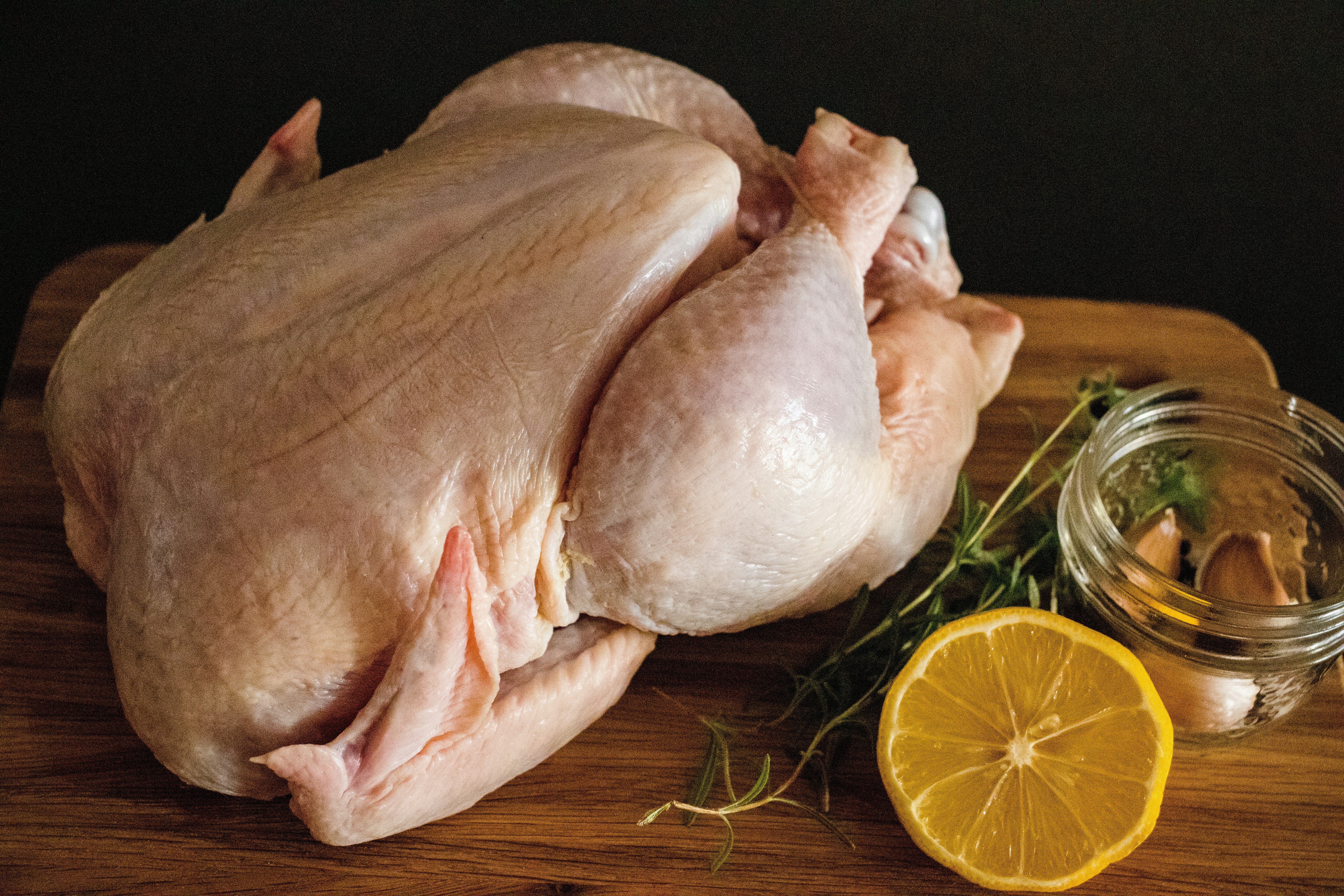
Chicken is one of the most popular proteins in American kitchens, and for good reason — it’s versatile, affordable, and easy to stock up on. But when plans change and a thawed package of chicken suddenly doesn’t fit into this week’s dinner schedule, one question comes up fast: can you freeze and refreeze it without making yourself sick?
The short answer is yes, but the details matter. Whether you’re dealing with raw chicken breasts, leftover rotisserie, or a big batch of meal-prepped thighs, the rules around freezing and refreezing chicken come down to how it was thawed, how long it sat in the fridge, and how well you packaged it. This guide covers everything you need to know — backed by USDA food safety guidelines — so you can handle chicken with confidence every time.
Can You Freeze Chicken?
Yes, you can absolutely freeze chicken — and it’s one of the smartest ways to reduce food waste and stretch your grocery budget. Freezing chicken you’re unable to use right away is a great way to minimize food waste, as it preserves the meat by preventing the growth of microorganisms like bacteria, yeasts, and molds.
At home, place chicken in a refrigerator that maintains 40°F or below immediately after purchase. Use it within 1 to 2 days, or freeze it at 0°F. If kept frozen continuously, it will be safe indefinitely. That said, “safe” and “great quality” are two different things — the longer chicken sits in the freezer, the more its texture and flavor can decline.
Proper packaging helps maintain quality and prevent freezer burn. It is safe to freeze meat or poultry directly in its original packaging; however, this type of wrap is permeable to air and quality may diminish over time. For prolonged storage, overwrap these packages as you would any food for long-term storage.
Pro Tip: Store raw chicken on the lowest shelf of your refrigerator to prevent any juices from dripping onto other foods. If you’re not cooking it within two days, move it straight to the freezer.
Does Freezing Change the Texture or Taste of Chicken?
Freezing preserves chicken safely, but it does affect quality over time. Raw meat and poultry maintain their quality longer than their cooked counterparts because moisture is lost during cooking. That means a frozen raw chicken breast will generally hold up better than frozen cooked chicken after the same amount of time.
The biggest quality concern is freezer burn. Freezer burn is the dehydration of food that results from moisture loss during freezing. It can happen to any food that’s been frozen for a long time. As dehydration occurs, oxygen moves in to take its place. For chicken specifically, poultry like chicken might turn pale beige or grayish beige. Even more so than red meats, poultry cuts like de-skinned breast meat are likely to get discolored blotches along the edges. These blotches may appear white and resemble fat.
If your meat has been kept frozen at 0°F and shows only cosmetic freezer burn, it is generally safe to cook and eat. Freezer burn affects quality rather than safety. You can expect drier edges and slightly duller flavor in affected spots, but the rest of the meat is still usable with the right cooking approach.
Refreezing also takes a toll on texture. Your chicken cuts may lose moisture due to the freezing, thawing, and refreezing. In short, your refrozen chicken probably won’t make you sick, but it might not taste as good as if you only thawed it once or cooked it when it was fresh.
How to Freeze Chicken the Right Way
How you package and freeze chicken makes a significant difference in how well it holds up. Follow these steps for the best results.
- Portion before freezing. Divide the cooked chicken into smaller, meal-sized portions before freezing. This not only makes it easier to thaw and use only what you need, but also promotes faster and more even freezing, preserving the quality of the chicken.
- Use the right packaging. Choose vacuum-sealed bags, heavy-duty freezer bags, or airtight containers. Separate into meal-sized portions for easier thawing and cooking. For raw chicken you plan to keep longer than two months, add an extra layer of protection.
- Overwrap store packaging for longer storage. If you plan to freeze chicken longer than 2 months, overwrap the porous store plastic packages with airtight heavy-duty foil, plastic wrap, or freezer paper, or place the package inside a freezer bag.
- Label with the date. Use a permanent marker to write the “frozen on” date on every package. This keeps you from guessing how long something has been in the freezer and helps you use older stock first.
- Lay pieces flat. Flat packages freeze faster and stack more efficiently, saving space and reducing the time chicken spends in the temperature “danger zone.”
- Set your freezer to 0°F. Set your freezer to 0°F and use a freezer thermometer. Temperatures above that can slow the freezing process and contribute to ice crystal formation.
Pro Tip: For cooked chicken, allow it to cool to room temperature before placing it in the freezer. Rapid temperature changes can compromise the texture of the meat and increase the chance of harmful bacteria.
How Long Can You Freeze Chicken?
The guidelines for freezer storage are for quality only — frozen foods stored continuously at 0°F (-18°C) or below can be kept indefinitely. But staying within recommended quality windows means your chicken will actually taste good when you cook it.
| Chicken Type | Freezer Quality Window | Refrigerator (After Thawing) |
|---|---|---|
| Raw chicken pieces (breasts, thighs, legs) | Up to 9 months | 1–2 days |
| Whole raw chicken | Up to 1 year | 1–2 days |
| Cooked chicken | 2–6 months | 3–4 days |
| Ready-prepared chicken (rotisserie, etc.) | Up to 4 months | 3–4 days |
Raw chicken pieces last up to 9 months in the freezer; whole chickens up to 1 year. Cooked chicken can be frozen for 2–6 months. It is safe to freeze ready-prepared chicken. For best quality, flavor, and texture, use it within 4 months.
If you buy chicken that was previously frozen at the store, the same rules apply once you bring it home. If you purchase previously frozen meat, poultry, or fish at a retail store, you can refreeze it if it has been handled properly.
How to Thaw Frozen Chicken
How you thaw chicken is just as important as how you freeze it. The USDA’s Food Safety and Inspection Service (FSIS) recommends three ways to thaw chicken: in the refrigerator, in cold water, and in the microwave. Never thaw chicken on the counter or in other locations.
Here’s how each method works:
- Refrigerator thawing (best method): Move the frozen package from the freezer onto a plate and into the fridge, and let it thaw gradually. Because it can take a full day for chicken to thaw in the fridge, this method is best if you’re planning ahead for a meal the next day. Boneless chicken breasts, bone-in parts, and whole chickens may take 1 to 2 days or longer to thaw. Once the raw chicken thaws, it can be kept in the refrigerator an additional day or two before cooking.
- Cold water thawing (faster option): Thawing on the countertop in cold water while changing the water every 30 minutes so it remains cold is safe, but if you thaw your chicken this way, you’ll have to cook it immediately. This method typically takes 1 to 3 hours depending on the size of the cut.
- Microwave thawing (quickest, with a catch): You can also thaw frozen chicken in the microwave, but if you want to use that method, you should plan to cook it immediately after thawing to prevent bacteria from multiplying in any areas that may have started to cook during defrosting.
Important Note: Per the USDA’s guidelines, you should never thaw chicken on the counter or in hot water, nor should you leave it at room temperature for more than 2 hours. Bacteria multiply rapidly in the temperature danger zone between 40°F and 140°F.
Can You Refreeze Chicken After Thawing?
This is one of the most common food safety questions in American kitchens — and the answer depends on how you thawed the chicken in the first place.
Once food is thawed in the refrigerator, it is safe to refreeze it without cooking, although there may be a loss of quality due to the moisture lost through thawing. After cooking raw foods which were previously frozen, it is safe to freeze the cooked foods.
When handled properly, raw chicken can be refrozen within 2 days after thawing, while cooked chicken can be refrozen within 4 days. The key rule: only chicken that has been thawed in the fridge can safely be refrozen.
If you thawed chicken using the cold water method or the microwave, you cannot put it back in the freezer raw. If your chicken is partially cooked — maybe you tried thawing it in the microwave or in hot water — you should cook the chicken thoroughly or throw it away to avoid potential food poisoning.
Do not refreeze any foods left outside the refrigerator longer than 2 hours; 1 hour in temperatures above 90°F. This is especially relevant during summer months when kitchen temperatures can climb quickly.
| Thaw Method | Can You Refreeze Raw? | Can You Refreeze Cooked? |
|---|---|---|
| Refrigerator | Yes, within 2 days | Yes, within 4 days |
| Cold water | No — cook first | Yes, after cooking |
| Microwave | No — cook first | Yes, after cooking |
| Counter (room temperature) | No — unsafe | No — unsafe |
For the best results when you do refreeze, refreeze chicken as soon as possible in airtight packaging at or below 0°F (-18°C) and use it within 4–12 months. The sooner you refreeze, the less quality you’ll lose.
How to Use Frozen Chicken (Best Uses After Freezing)
Properly frozen chicken works well in almost any recipe. The cooking method you choose can make a big difference, especially if the chicken has been frozen and thawed more than once or has minor freezer burn.
For chicken in good condition after freezing, most everyday cooking methods work well — grilling, baking, sautéing, or air frying. For chicken that’s been refrozen or has slight freezer burn, moisture-based cooking methods work best. Poaching chicken consists of cooking it in hot water and aromatics, infusing it with moisture and flavor. It’s a great way to cook freezer-burned chicken you plan to shred and add to soup or chicken salad.
Slow-cooking freezer-burned chicken in a sauce will coat the meat with flavor and prevent it from being bone dry. A slow cooker salsa chicken works well, and you can use it to create tacos, loaded potatoes, and sliders. Hearty soups, casseroles, enchiladas, and chili are all solid choices for chicken that’s lost some moisture in the freezer.
- Soups and stews: Broth adds moisture back and masks any dullness in flavor.
- Shredded tacos or burritos: Spices and toppings cover any texture changes.
- Casseroles: Sauces and cheese help the chicken blend into the dish seamlessly.
- Chicken salad: Poaching first rehydrates the meat and adds flavor before shredding.
- Stir-fry: High heat and a flavorful sauce work well with previously frozen thighs or breast strips.
You can also pair your frozen chicken dishes with liver-supporting foods or explore heart-healthy superfoods to build more balanced meals around your chicken.
Pro Tip: Brining the chicken can help rehydrate the meat, and you can add some flavors to compensate for the lack of flavor and occasional off taste from freezer burn. A simple saltwater brine for 30 to 60 minutes before cooking makes a noticeable difference.
Signs That Frozen Chicken Has Gone Bad
Knowing when to toss chicken is just as important as knowing how to store it. There are two separate issues to watch for: freezer burn (a quality problem) and actual spoilage (a safety problem). Don’t confuse the two.
Freezer burn signs include dry, whitish or gray patches, ice crystals, a firm or leathery feel on the surface, and no strong off odors once thawed. Freezer-burned chicken is safe to eat — it just may not taste great. Spoilage signs include a sour or rancid smell, sticky or slimy surface, a green or iridescent sheen, unusual softness, or mold after thawing. These are reasons to discard.
Here’s a quick reference for what to look for:
| Sign | What It Means | What to Do |
|---|---|---|
| White or gray dry patches | Freezer burn (quality issue) | Trim and cook; use moist methods |
| Ice crystals on surface | Freezer burn (quality issue) | Safe to cook; expect drier texture |
| Sour or rancid smell | Spoilage | Discard immediately |
| Slimy texture after thawing | Spoilage | Discard immediately |
| Green or iridescent sheen | Spoilage | Discard immediately |
| Visible mold (fuzzy spots) | Spoilage | Discard immediately |
Cooking chicken to an internal temperature of 165°F (74°C) will kill most bacteria, but it’s no salvage for spoiled chicken. If it’s bad, cooking won’t make it safe to eat. When in doubt, throw it out — foodborne illness from chicken is not worth the risk.
It’s also worth noting that the bacteria commonly found on chicken — such as Salmonella — can cause serious illness. While freezing significantly slows microbial growth, it does not kill most foodborne pathogens. Proper thawing and cooking to the right temperature are your real lines of defense. Learning more about foods that pose health risks when mishandled can also help you make smarter choices in the kitchen overall.
Frequently Asked Questions
Can You Refreeze Chicken That Was Frozen at the Store?
If you purchase previously frozen meat, poultry, or fish at a retail store, you can refreeze it if it has been handled properly. This means it needs to have been kept cold throughout and thawed in the refrigerator — not left out on the counter.
How Long Can Thawed Chicken Stay in the Fridge Before You Have to Cook or Refreeze It?
According to USDA guidelines on refrigeration and food safety, raw chicken can be kept in the refrigerator for up to 2 days, while cooked chicken can be kept for 3–4 days. If you haven’t used it within those windows, either cook it or freeze it right away.
Does Refreezing Chicken Make It Unsafe?
Not if you follow the right steps. When handled properly, it’s safe to refreeze raw and cooked chicken within their respective shelf lives. Only refreeze raw chicken that has been thawed in the refrigerator. The concern is quality loss, not necessarily a safety risk when guidelines are followed.
Can You Cook Frozen Chicken Without Thawing It First?
Raw or cooked meat, poultry, or casseroles can be cooked or reheated from the frozen state. However, it will take approximately one and a half times as long to cook. Always use a meat thermometer to confirm the internal temperature reaches 165°F before serving.
What’s the Best Way to Prevent Freezer Burn on Chicken?
It’s important to package your food properly to minimize oxygen exposure. For example, wrap meat, poultry, or seafood in freezer paper or plastic wrap, then in foil, and then in a freezer bag. Remove as much air as possible from the package. A vacuum sealer is the most effective option if you freeze chicken regularly.
Is Frozen Chicken Less Nutritious Than Fresh?
Nutritionally, the impact of freezer burn is minimal. While there might be a slight reduction in certain vitamins due to oxidation, the chicken still retains most of its protein content. For everyday meal planning, frozen chicken is a nutritionally comparable and practical alternative to fresh. You can also explore powerful nutrients in everyday foods to round out your diet further.
Can You Freeze Rotisserie Chicken?
Yes. When purchasing fully cooked rotisserie or fast food chicken, be sure to eat or refrigerate it within 2 hours. If it is hot at the time of purchase and won’t be used within 2 hours, cut it into several pieces and refrigerate in shallow, covered containers. Eat within 3 to 4 days, either cold or reheated to 165°F. It is safe to freeze ready-prepared chicken. Shred it first for easier portioning and faster thawing.
Freezing and refreezing chicken is safe when you stick to USDA-backed guidelines. Thaw in the refrigerator whenever possible, keep an eye on your storage timelines, and package chicken tightly to protect quality. With the right habits, your freezer becomes one of the most useful tools in your kitchen — and chicken stays a reliable, healthy staple in your weekly meals. For more food storage and nutrition guidance, check out our resources on whole plant-based foods and foods that support healthy skin.