Why Are My Cucumber Leaves Turning Yellow? Causes, Fixes, and Prevention

September 10, 2026
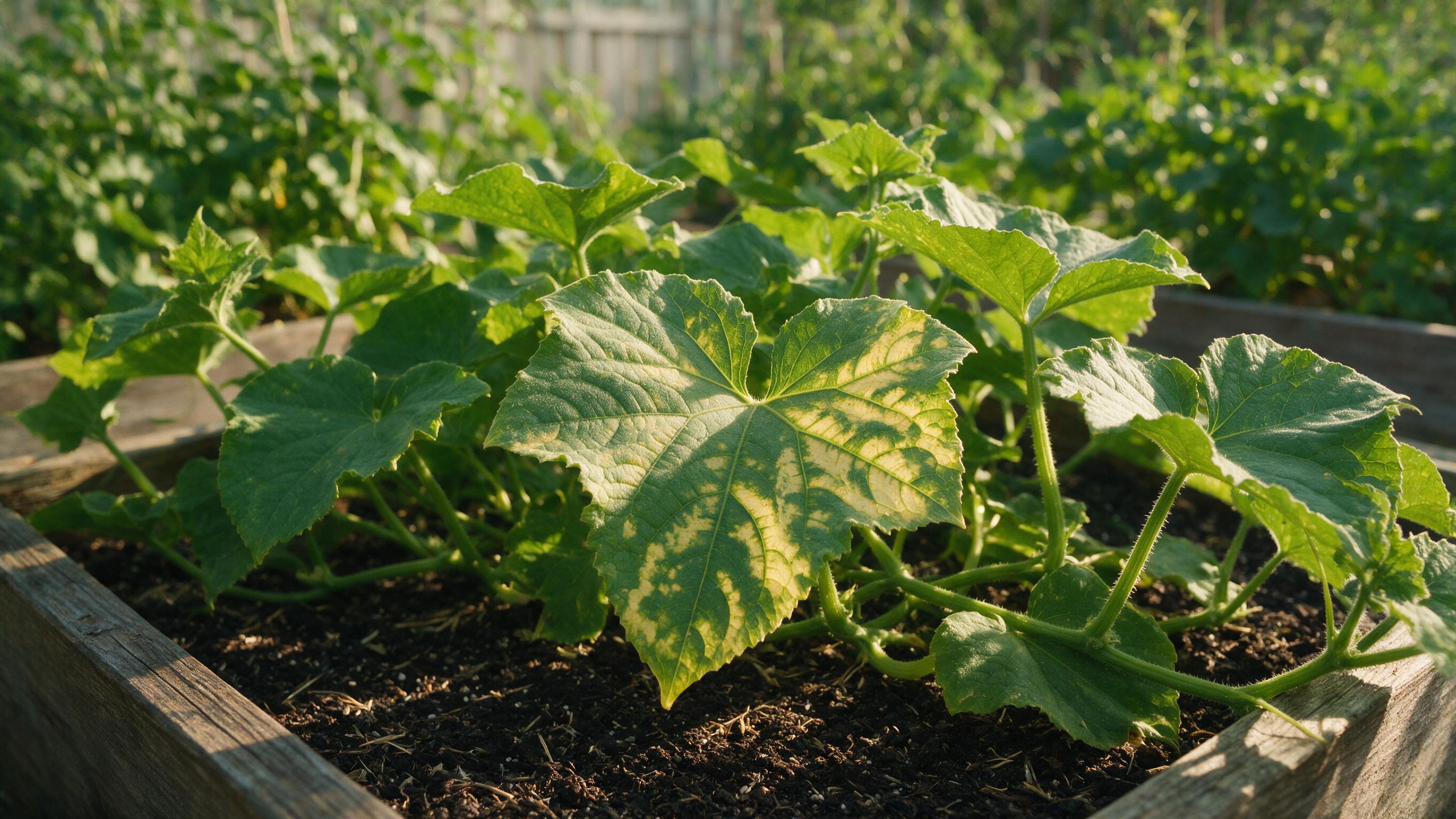
You head out to the garden on a summer morning, coffee in hand, and notice something that stops you in your tracks: your cucumber leaves are turning yellow. It is a common problem, and the causes range from simple care issues to pests or diseases that need quick attention. The good news is that yellow leaves are almost always your plant communicating something fixable — you just need to know how to listen.
Cucumbers (Cucumis sativus) are one of the most rewarding vegetables to grow in a backyard garden, but they are also sensitive to changes in their environment. Whether you are growing them in raised beds, containers, or directly in the ground, yellowing foliage is one of the most common complaints among American home gardeners. This guide walks you through every major cause, how to diagnose what is going on in your specific garden, and exactly what to do about it.
What Does It Mean When Your Cucumber Leaves Are Turning Yellow?
Yellowing occurs when the leaves lose chlorophyll — the pigment that gives plants their green color. Without enough chlorophyll, leaves shift from deep green to pale yellow, and the plant loses its ability to photosynthesize efficiently. Think of it as the plant waving a flag to tell you something in its environment is off.
Cucumber leaves turning yellow indicates the plant lacks the green pigment chlorophyll. Insufficient nutrient supply, overwatering, and pest infection are the three major causes of the absence of chlorophyll in cucumber plants. But the full picture is broader than that — light, soil pH, temperature swings, and disease all play a role too.
The location of the yellowing on the plant is one of the most useful diagnostic clues you have. Yellowing that starts at the base of the vine usually points to a different problem than yellowing that appears on the newest growth at the tips. Paying attention to where, how fast, and in what pattern the color change is spreading will guide you straight to the cause.
Pro Tip: Before reaching for any treatment, spend two minutes looking at the whole plant. Note which leaves are affected (old or new growth), whether the yellowing is uniform or patchy, and whether you see any insects or webbing. That observation alone will narrow down your diagnosis significantly.
Is Yellowing in Cucumbers Always a Sign of a Problem?
Not always. Yellow leaves can be part of the cucumber plant’s natural aging process, as older leaves may gradually give way to new growth. As the season progresses, the large lower leaves that shaded the soil during early growth begin to die back naturally. This is completely normal and does not require any intervention.
Cucumber leaves may turn yellow for several reasons, from innocuous and metabolic causes to pests or diseases. There is nothing that can be done about this normal life process; just remove the leaves when they start to turn brown to prevent them from molding and causing any infections for the rest of the plant.
However, when young leaves start showing signs of yellowing, or the discoloration is accompanied by other symptoms such as stunted growth, it might indicate a nutrient deficiency. The same goes for yellowing that spreads rapidly, appears in unusual patterns, or shows up alongside spots, wilting, or poor fruit development. Those are the scenarios that call for action. You can also learn more about how to read leaf health signals across different plant species to sharpen your diagnostic eye.
Watering Issues Causing Cucumber Leaves to Turn Yellow
If cucumber leaves are turning yellow, the most common reason is inconsistent watering. Both overwatering and underwatering can lead to yellow foliage. Cucumbers are heavy feeders that need consistent moisture. Getting the water balance right is the single most impactful thing you can do for your plants.
Overwatering
If a cucumber plant receives too much water, its leaves may wilt and turn yellow, feeling soft and limp before eventually dropping. The soil often remains soggy, and affected roots may appear brown or black and emit a foul odor. When soil is constantly saturated, the roots of the cucumber plant can become deprived of oxygen, leading to root rot.
Overwatered plants often have pale yellow leaves that may turn brown at the edges. Watch for drooping vines, soft stems, and cucumber leaves that feel limp even when the soil is wet. If the soil smells musty or the pot or bed has no drainage, overwatering is almost certainly the culprit.
Underwatering
Insufficient watering can also cause cucumber leaves to turn yellow. Cucumbers consist of about 96% water, which is almost the highest water content among vegetables. That is why they require consistent moisture to stay healthy.
With underwatering, leaves are typically dry and yellow with brown, crispy edges — a very different texture than the soft, limp yellowing caused by overwatering. Cucumbers need steady moisture, about an inch of water per week. In the hottest stretches of a US summer, you may need to water more frequently, especially in sandy soils that drain quickly.
Pro Tip: Push your finger two inches into the soil near the base of the plant. If it feels dry at that depth, it is time to water. If it feels wet and cold, hold off and check your drainage. A soil moisture meter takes the guesswork out entirely.
Light Conditions Behind Cucumber Leaf Yellowing
Cucumbers thrive in full sunlight, typically requiring at least 6–8 hours of direct sunlight each day. If your cucumber plants are not receiving enough sunlight, their leaves may start to yellow. In the US, this is a particular concern for gardeners growing cucumbers along fence lines, near tall structures, or under tree canopies where shade creeps in through the day.
Your cucumber plants should receive at least six hours of sunlight daily to boost their health and avoid discoloring. If your cucumbers are not getting enough sunlight, they will likely droop, and yellowing will appear in the leaves. Moving cucumbers from shady spots to a sunnier area of your garden can resolve this.
Too much intense afternoon sun can also cause problems in the hottest regions of the country, like the desert Southwest. Leaves may bleach or scorch along the edges rather than turning a uniform yellow. Protecting your cucumber plants from extreme temperatures, such as providing shade cover during hot summer days, can help maintain healthy green leaves. A simple shade cloth rated at 30–40% is enough to take the edge off peak afternoon heat without reducing overall light too much.
Soil, Nutrients, and Root Health Causing Cucumber Leaf Yellowing
Cucumber plants require a balanced diet of nutrients — nitrogen, potassium, and phosphorus. When encountering yellowing leaves, you should have a particular emphasis on nitrogen intake. But nitrogen is not the only player. Knowing which nutrient is missing helps you treat the problem precisely rather than guessing.
Reading the Pattern: Which Nutrient Is Deficient?
With nitrogen or magnesium deficiency, leaves at the base of the vine (old growth) are yellow, but the main veins stay green, growth is stunted, and the cucumbers are small and susceptible to disease. With iron or manganese deficiency, leaves at the tips of the vine (new growth) are yellow while the main veins stay green, and you may notice mottled discoloration with manganese deficiency.
Without sufficient magnesium, the leaves may develop interveinal chlorosis, where the veins remain green while the areas between the veins turn yellow. Magnesium sulphate or a foliar spray containing magnesium should be applied to the affected plants to address this deficiency.
Cucumber plants are different from others because they need a lot of potassium to help the fruiting process. They are one of the only plants that need more potassium than nitrogen. This means a standard balanced fertilizer may not always be enough during the fruiting stage.
| Deficiency | Which Leaves Yellow | Key Visual Clue | Fix |
|---|---|---|---|
| Nitrogen | Older / lower leaves first | Uniform pale yellow; veins may also yellow | Apply balanced fertilizer or compost |
| Magnesium | Older / lower leaves first | Interveinal chlorosis — veins stay green | Foliar spray with Epsom salt solution |
| Iron | New / upper leaves first | Yellowing between green veins on new growth | Chelated iron supplement; check soil pH |
| Potassium | Leaf edges and tips | Scorched or brown leaf margins | Potassium-rich fertilizer (e.g., 5-7-6 organic) |
Start with a soil test to confirm your suspicions. You can use home testing kits (quick, but less accurate), or send samples to a lab using mail-in kits or your local extension office (slow, but very accurate). Many US county extension offices offer soil testing for a small fee, and the results include specific amendment recommendations for your region.
Good fertilizer options for cucumbers include balanced formulas like 20-20-20, 10-10-10, or organic fertilizers like 5-7-6. Avoid overfertilizing, which can burn roots and lead to yellowing leaves that later turn brown. You can also explore companion planting strategies that naturally improve soil fertility around heavy-feeding vegetables like cucumbers.
Root Health and Soil Drainage
Poor drainage keeps roots from breathing and blocks nutrient uptake. Heavy soil that stays soggy leads to nutrient deficiency and root damage. Improving drainage with compost and raised beds helps prevent cucumber plant yellow leaves caused by waterlogged soil.
Healthy soil reduces many problems before they start. Regular additions of compost improve nutrient availability and water balance. If you are gardening in clay-heavy soil common across much of the Midwest and Southeast, amending with perlite, coarse sand, or coconut coir will help significantly.
Environmental Stress Triggering Cucumber Leaf Yellowing
Originally from the tropics, cucumbers are heat lovers and they grow best in warm temperatures between 70–85°F. If temperatures drop below this range, or if there are sudden temperature fluctuations, the leaves may start to yellow. This is especially relevant in northern US states, where late spring cold snaps can catch cucumber seedlings off guard even after the last frost date has passed.
Cucumbers love warmth, but extreme heat can still cause problems. High temperatures combined with dry soil stress plants and result in yellowing cucumber leaves. Leaves may curl, fade, or scorch along the edges.
In cooler climates, cold nights slow nutrient uptake and cause cucumber leaves to go yellow even when soil nutrients are present. If you are in a region with cool summers — think the Pacific Northwest or higher elevations in the Rockies — row covers at night can keep temperatures stable enough to prevent stress yellowing. Mulching and proper timing, such as following guidance on direct sowing cucumber seeds in late spring, helps reduce weather stress.
Pro Tip: In the US South and Southwest, plant cucumbers so they mature before peak summer heat — or choose heat-tolerant varieties. In northern states, wait until soil temperatures reach at least 60°F before transplanting, and use black plastic mulch to warm the soil faster.
Pests and Disease Leading to Cucumber Leaf Yellowing
There are a few pests that just can’t seem to resist tender cucumber plants. The most common offenders are aphids, cucumber beetles, spider mites, and whiteflies. Not only can they cause unsightly damage, but they can also transmit diseases.
Common Pests
Spider mites are tiny pests that suck sap from leaves, causing fine yellow spots that spread until leaves turn yellow and dry out. You may see webbing on the undersides of leaves. A blast of water may be enough to get rid of them, but if not, you can also use insecticidal soap.
Like aphids, whiteflies suck the sap out of cucumber leaves so that they turn yellow and die. Sticky traps and insecticidal soap can help. Potato leafhoppers inject toxins into your plant as they feed, which causes yellowing. Over time, the damage gets worse, and the leaves fall off the plant.
If you notice that your cucumber leaves are turning yellow, closely inspect your plants. Many pests are tiny and like to hang out on the leaves’ underside, so flip them over and look to see if you find clusters of insects or groups of eggs. Neem oil is a great safe solution to use on pests. Just remember to do a couple of repeat applications for the next few weeks, so that any eggs that were laid are handled when they hatch, or you will just have another infestation.
Common Diseases
Pale green or yellow splotches that are bracketed by the leaf veins may point to downy mildew. Prevention is the best medicine here — keep the foliage dry when you are watering your plants, and space the plants out to allow for air circulation. If downy mildew has already taken hold, you can treat the outbreak with hydrogen peroxide and baking soda.
There are many mosaic viruses, and they are named for the mottled discoloration they cause on plant foliage. Cucumber leaves will begin to show spots of yellow and light green, often in a mosaic-like pattern. Cucumber mosaic virus is spread by aphids. These sap-sucking pests will often pick up virus particles from nearby weeds. If they move on to your cucumber plants, the virus is transmitted into the plant’s tissue.
Bacterial wilt is another concern. Cucumber beetles can carry bacterial wilt and squash mosaic virus, which can discolor and eventually kill the leaves. Infected plants should be disposed of and destroyed. If you suspect a viral or bacterial disease, removing affected plants promptly protects the rest of your garden. You can also use plant identification apps to help confirm what you are seeing before deciding on a treatment.
How to Diagnose Why Your Cucumber Leaves Are Turning Yellow
Diagnosing yellow cucumber leaves is a process of elimination. Work through these steps in order, and you will have a confident answer in most cases.
- Check the location of the yellowing. Overwatering typically causes yellowing toward the base of the plant. Nitrogen or magnesium deficiency also shows up on older lower leaves first, with main veins staying green.
- Feel the soil. Stick your finger two inches into the soil. Soggy soil points to overwatering or drainage problems. Bone-dry soil points to underwatering.
- Inspect the undersides of leaves. Check for the presence of pests regularly, especially underneath leaves, on new foliage growth, and in flowers. Look for insects, eggs, webbing, or sticky residue.
- Look at the pattern of discoloration. Look for patterns in the yellowing, such as uniform discoloration or spotting. Uniform pale yellow suggests nutrients or water. Spotted or mottled patterns suggest pests or disease.
- Assess the plant’s age and growth stage. Older leaves turning yellow may indicate natural aging. Young leaves yellowing is always a warning sign.
- Check sunlight and temperature. Has anything changed in the garden — new shade from a neighboring plant, a string of unusually cold nights, or an extended heat wave?
- Run a soil test. You can use home testing kits for a quick result, or send samples to your local extension office for a more accurate analysis.
Pro Tip: Take photos of the yellowing over several days. A pattern that spreads quickly from plant to plant suggests disease or a mobile pest. Yellowing that stays localized to one plant usually points to a watering or soil issue specific to that spot.
How to Fix a Cucumber Plant That Is Turning Yellow
Once you have identified the cause, here is how to address each scenario effectively. Cucumber leaves that have turned yellow will not turn back to green. However, any new leaves should grow in green if the root cause was addressed. Focus your energy on stopping the spread and supporting healthy new growth.
Fix Watering Problems
If overwatering is the issue, stop watering immediately and let the soil dry out partially. Improve soil drainage by loosening the soil with a broadfork, then adding compost, peat moss, coconut coir, or vermiculite. If root rot has set in, trim any visibly blackened or mushy roots before the situation worsens.
For underwatering, consider adding mulch to aid in moisture retention and a drip irrigation system. You can also add a timer if you are forgetting to water regularly. The best way to water cucumber plants is using a drip irrigation system or soaker hose, which delivers water directly to the root zone without wetting the foliage.
Fix Nutrient Deficiencies
Cucumbers are heavy feeders and will need regular applications of fertilizer. Mix compost into your soil before planting, and then feed the plants with liquid fertilizer every two weeks throughout the growing season. Do not overcorrect and apply too much nitrogen, as this can lead to luscious foliage and stunted fruit growth.
For magnesium deficiency, dissolve one tablespoon of Epsom salt in a gallon of water and apply it as a foliar spray or soil drench. For iron deficiency, use a chelated iron product and check that your soil pH is between 6.0 and 6.8 — iron becomes unavailable to plants in highly alkaline soils.
Fix Light Problems
If your cucumbers are in a container, move them to a spot that gets at least six hours of direct sun. For in-ground plants, consider pruning nearby shrubs or plants that are casting shade. It is better to remove any leaves that have turned yellow as they may limit light from reaching the healthy part of your plant. It will also encourage air circulation, which is beneficial to the plant overall.
Fix Pest and Disease Issues
To tackle pests and diseases on your cucumber plants, identify the issue through close inspection and soil tests. Use integrated pest management practices, including organic insecticidal soaps and neem oil, or introduce beneficial predators. Ensure proper plant spacing and airflow for fungal diseases, and use fungicides if necessary.
If you determine that you do have a plant disease turning your cucumber leaves yellow, a copper fungicide is a great safe solution for combatting the problem. For viral diseases like cucumber mosaic virus, the only way to treat this one is to destroy the plants — next year, look for seeds or plants that are resistant to the disease.
How to Prevent Cucumber Leaf Yellowing Going Forward
Prevention is the best medicine when it comes to cucumber leaves turning yellow. When planting your cucumbers and caring for the plants, be sure to water regularly and thoroughly. Cucumber plants need about one inch of water per week. Building good habits from the start of the season saves you a lot of troubleshooting later.
- Water at the base, not the leaves. Water in the morning, avoiding the leaves, as wetting foliage encourages diseases.
- Space plants properly. Air circulation around and through the plants can be vital for disease prevention, especially in the humid conditions of summer. Leave 4–5 feet between plants if you are growing without a trellis, and one foot between plants if you are growing cucumbers vertically.
- Mulch consistently. A 2–3 inch layer of organic mulch around the base of each plant retains moisture, moderates soil temperature, and reduces the splash-back of soil-borne pathogens onto lower leaves.
- Feed on a schedule. Cucumbers are heavy feeders and will need regular applications of fertilizer. Mix compost into your soil before planting, and then feed the plants with liquid fertilizer every two weeks throughout the growing season.
- Use companion plants. Cucumber companion plants such as dill, marigolds, nasturtiums, and onions can repel bugs, mask the scent of the cucumbers from aphids, and attract beneficial insects to your cucumber plants.
- Inspect plants regularly. Take a look at your plants regularly and inspect them for any signs of pests, diseases, or nutrient deficiencies. Catching problems early makes them far easier to resolve.
- Choose resistant varieties. Many modern cucumber varieties are bred with resistance to common diseases like cucumber mosaic virus and downy mildew. Check seed packets for disease resistance codes before you buy.
You can also browse the different types of cucumbers to find varieties that are naturally better suited to your region’s climate and soil conditions. Gardeners in humid southeastern states, for example, may do better with varieties that have built-in resistance to fungal diseases. For a broader look at vegetable garden companions that support plant health, the guide to plants that grow well alongside other vegetables offers useful ideas you can apply to cucumber beds too.
Frequently Asked Questions
Will Yellow Cucumber Leaves Turn Green Again?
Cucumber leaves that have turned yellow will not turn back to green. However, any new leaves should grow in green if the root cause was addressed. Remove the yellowed leaves once you have treated the underlying problem to improve airflow and reduce the risk of disease spreading.
Should I Remove Yellow Leaves from My Cucumber Plant?
Yes. It is better to remove any leaves that have turned yellow as they may limit light from reaching the healthy part of your plant. It will also encourage air circulation, which is beneficial to the plant overall. However, after removing the leaves, it is important to follow the prevention steps above to allow other leaves to grow healthier for a tasty crop.
Can I Still Eat Cucumbers from a Plant with Yellow Leaves?
If your cucumbers have visible lesions from disease, eating them is not recommended. However, you can likely save fruits from infection if you pick them promptly and slow the spread of disease. Cucumbers from plants with watering or nutrient issues — rather than disease — are generally safe to eat, though they may be smaller than expected.
How Often Should I Water Cucumber Plants?
In the heat of summer, water the plants deeply every few days. Use mulch to help the soil retain its moisture levels. When watering, aim the water at the base of the plant, doing your best to keep water off the leaves. In very hot, dry conditions — common across Texas, Arizona, and the inland Southeast — daily watering may be necessary.
What Is the Best Fertilizer for Cucumbers?
Cucumbers are heavy-feeding plants, preferring a well-drained, nutrient-rich soil. If you plan to fertilize, use a balanced all-purpose fertilizer like Garden Tone for raised beds, or Miracle-Gro Organics for potted plants. For quicker nutrient uptake, use a water-soluble formula or slow-release Osmocote. Always follow label directions and avoid over-application, which can cause fertilizer burn.
Why Are Only the Bottom Leaves of My Cucumber Plant Turning Yellow?
A common reason cucumber leaves yellow is nutrient deficiency, especially nitrogen. Nitrogen shortages often show up first on older leaves, which turn pale yellow before dropping. Bottom-leaf yellowing can also be a sign of natural aging as the plant matures and redirects energy to fruit production. If the yellowing is climbing quickly up the vine, treat for nitrogen deficiency right away.
Can Too Much Sun Cause Yellow Cucumber Leaves?
Direct sunburn from intense afternoon sun typically causes bleached or whitish patches rather than uniform yellowing. Protecting your cucumber plants from extreme temperatures, such as providing shade cover during hot summer days, can help maintain healthy green leaves. A 30–40% shade cloth during peak afternoon hours in the hottest months is a practical solution for gardeners in the American Southwest and Deep South.
How Do I Know If My Cucumber Has a Pest Problem?
If you notice that your cucumber leaves are turning yellow, closely inspect your plants. Many pests are tiny and like to hang out on the leaves’ underside, so flip them over and look to see if you find clusters of insects or groups of eggs. Eggs also indicate a pest problem. You can use a plant health resource like Grow Organic or a plant identification app to help confirm what you are seeing.