Can You Freeze Fresh Bagged Spinach? Everything You Need to Know

November 4, 2026
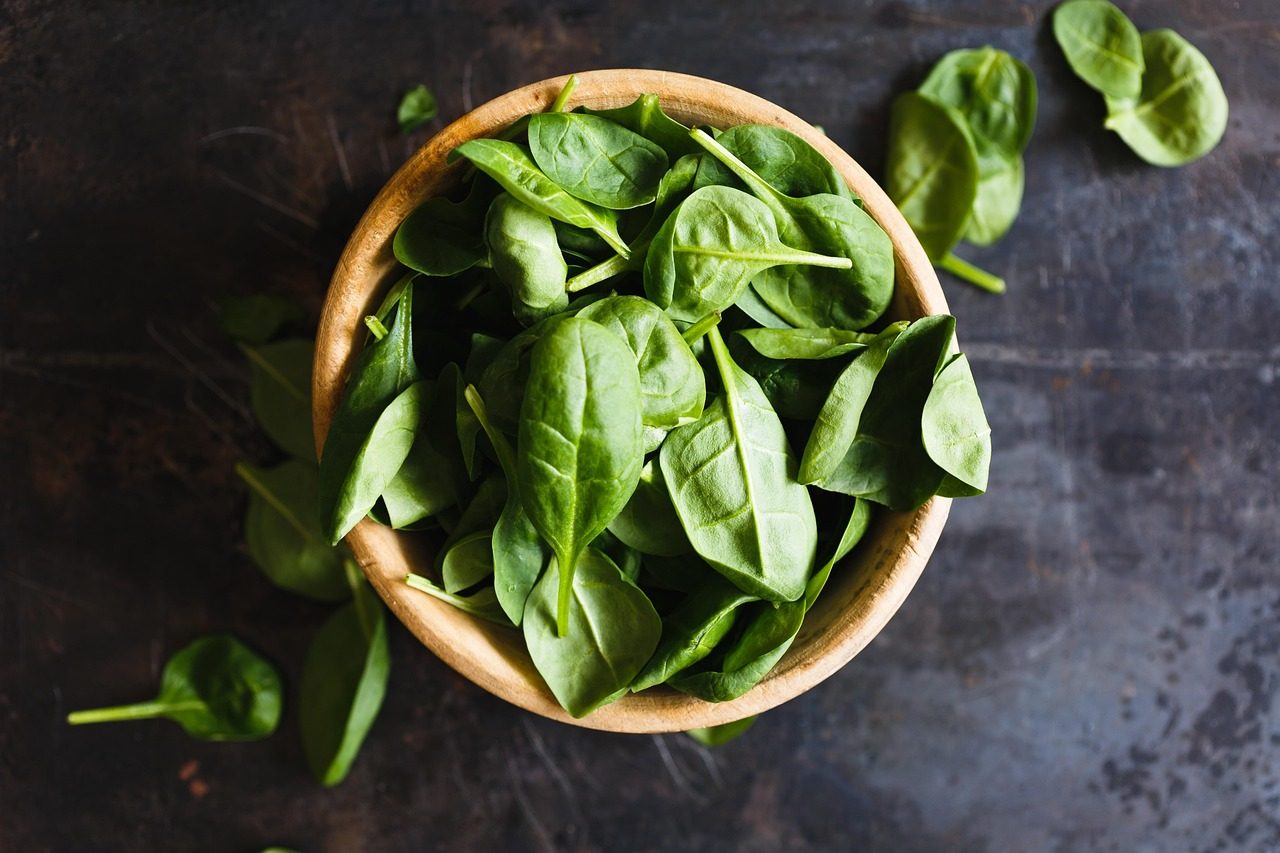
Fresh bagged spinach is one of those grocery staples that seems to disappear from the fridge before you use it — or go slimy before you even get the chance. If you’ve stood over a bag of perfectly good spinach wondering whether you can just toss it in the freezer, the answer is yes. You absolutely can freeze fresh bagged spinach, and it’s one of the easiest food preservation moves you can make.
Whether you buy the standard 5-ounce bags or the big family-size containers from Costco, freezing spinach takes just a few minutes and can extend its life by months. This guide covers everything from prep and packaging to thawing, refreezing, and spotting spinach that has gone bad — so you stop wasting produce and start making the most of every bag.
Can You Freeze Fresh Bagged Spinach?
Yes, you can freeze bagged spinach, though you’ll want to transfer it to a freezer-safe bag and remove as much air as possible to prevent freezer burn. The good news for anyone who buys pre-washed, triple-washed bags from the grocery store is that the prep work is minimal.
If you’re using triple-washed bags or clamshells from the grocery store, you can skip the washing step — and yes, you can freeze fresh spinach leaves without blanching. Blanching is optional, not mandatory, and most home cooks skip it entirely when freezing spinach for smoothies or cooked dishes they plan to use within a few months.
Freezing fresh spinach is a great way to boost your meals with vitamins and minerals while ensuring you always have a readily available source of leafy greens — eliminating the risk of it wilting and going to waste. Spinach is also a nutritional powerhouse worth preserving; it appears on many lists of superfoods for heart health and is frequently cited among foods rich in cancer-fighting nutrients.
Pro Tip: Freeze spinach as soon as you know you won’t use the bag in time. The fresher it goes in, the better the quality when it comes out.
Does Freezing Change the Texture or Taste of Fresh Bagged Spinach?
Texture is where freezing makes the biggest difference. The freezing process affects the cellular structure of the leaves, so spinach will not thaw to be crisp like it is when fresh. This is completely normal and expected — it happens to virtually every high-water vegetable, including zucchini and watermelon.
Raw frozen spinach will have a softer, more wilted texture than fresh spinach when thawed, and it’s generally best used in cooked dishes, smoothies, or recipes where texture isn’t the priority. Think soups, pasta, quiche, and blended drinks — not raw salads or sandwiches.
Taste, on the other hand, holds up well. Freezing your spinach does not change the taste, and you can use it just as you would any cooked spinach. The flavor stays clean and mild. Without blanching, enzymes in the spinach will continue to work slowly even in the freezer, which can lead to a gradual loss of color, flavor, and nutrients over time — but for spinach you plan to use within three to six months, this is rarely noticeable in practice.
| Quality Factor | Fresh Spinach | Frozen & Thawed Spinach |
|---|---|---|
| Texture | Crisp, firm leaves | Soft, wilted |
| Taste | Mild, fresh | Largely unchanged |
| Color | Bright green | Green (may dull over time) |
| Best Use | Salads, sandwiches | Cooked dishes, smoothies |
How to Freeze Fresh Bagged Spinach the Right Way
You have two main options: freeze the spinach raw (the quick method) or blanch it first (the long-term method). Both work well — your choice depends on how long you plan to store it and what you’ll use it for.
Method 1: Raw Freeze (No Blanching)
This is the simplest approach and works perfectly for spinach you’ll use within three to six months. Fresh spinach — regular or baby spinach, either bagged or packaged in a bunch — works for the purposes of freezing.
- Sort the leaves. Pick out and discard any slimy, yellowed, or otherwise discolored leaves.
- Skip the wash (for pre-washed bags). This step can be skipped if you’re using triple-washed bags or clamshells from the grocery store. If your spinach came from a farmers market or garden, rinse it well and dry thoroughly.
- Dry the leaves. Use a salad spinner or pat dry with a clean towel to remove excess moisture — this helps prevent ice crystals from forming.
- Pack into a freezer bag. Transfer dried spinach leaves to freezer bags, arranging them in an even layer. Seal the bags most of the way, pressing out as much air as you can before sealing the rest of the way.
- Label and freeze flat. Write the date on the bag and lay it flat in the freezer, ensuring good air circulation for even freezing.
Pro Tip: A 9-ounce bag of spinach fits in one gallon-size plastic freezer bag. The leaves pack in tight, but frozen spinach is easy to break apart when you need just a portion.
Method 2: Blanch Before Freezing (Best for Long-Term Storage)
Blanching spinach — boiling it for a set amount of time and then quickly transferring it to ice water — is often recommended before freezing to retain color and nutrients when intending to freeze it for an extended period. It also reduces oxalates, compounds that can interfere with calcium absorption.
- Bring a large pot of water to a rolling boil and prepare a bowl of ice water nearby.
- Drop large handfuls of spinach into the water, give a good stir to fully submerge the leaves, and cook until all the spinach is bright green, about 2 minutes. Scoop the spinach out with a large slotted spoon and shock it with a dunk into the ice water.
- Lay out a single layer of paper or clean dish towels and spread the cooked spinach over them. Blot dry with another layer of towels.
- Label freezer-safe resealable bags with the date in permanent marker. Divide the cooked and dried spinach among the bags, filling approximately 2/3 of the way up. Roll the bags up, pressing out as much air as possible, and seal.
Method 3: Freeze as Spinach Cubes
Add the spinach to a blender along with just enough water to get the blender going, then freeze the puree in small portions using a silicone mold or ice cube tray. This method is ideal for smoothie prep — you can drop a few cubes directly into the blender without measuring.
How Long Can You Freeze Fresh Bagged Spinach?
Storage time depends on whether you blanched the spinach and how well it’s sealed. Here’s a practical breakdown:
- Raw frozen spinach (no blanching): Fresh frozen spinach is best used within 3–4 months, after which it would be fine to eat but may risk becoming freezer burned as time goes by.
- Blanched frozen spinach: For best quality, frozen spinach leaves should be used within 6 months.
- Spinach puree (cubes): Frozen spinach puree can be stored in the freezer for up to 3–4 months.
- Maximum safe storage: Spinach can be frozen for 10–12 months when packaged properly — the key is removing as much air as possible and using freezer-safe containers or bags.
A consistently low storage temperature of 0°F (−18°C) is important for inhibiting spoilage, as temperature fluctuations can accelerate degradation. Avoid storing spinach near the freezer door, where temperatures tend to swing more.
Key Insight: The more air you can remove from the freezer bags, the longer the spinach will last. A vacuum sealer gives you the best results, but manually pressing out air works well for most home freezers.
How to Thaw Frozen Fresh Bagged Spinach
You can cook frozen spinach straight from the freezer, but some recipes may require you to defrost it first. For smoothies, there’s no reason to thaw at all — just drop the frozen leaves or cubes directly into the blender.
When a recipe does call for thawed spinach, you have four options:
- Refrigerator (best method): Transfer the frozen spinach from the freezer to the fridge 12–24 hours before cooking. This slow thaw locks in nutrients and keeps texture intact.
- Cold water (faster): Seal the spinach in a zip-top bag, submerge in cold tap water, and change the water every 30 minutes. Spinach defrosts in roughly 30 to 60 minutes per pound using this method.
- Microwave: Place the frozen spinach in a microwave-safe bowl and use the defrost setting to quickly thaw it. Check in one-minute increments to avoid cooking the edges.
- Warm water (quickest): Place the spinach in a strainer, run warm water over it, and continually turn the leaves to ensure all the ice melts.
No matter which method you use, squeeze out excess water thoroughly if thawing for a recipe. Thawed spinach holds a surprising amount of liquid, and skipping this step can make soups watery and casseroles soggy. Never thaw spinach at room temperature — it risks bacterial growth in the danger zone between 40°F and 140°F.
Can You Refreeze Fresh Bagged Spinach After Thawing?
Refreezing is technically possible, but it comes with trade-offs. The primary concern is that while the food is thawed, bacteria can multiply — and when you put the food back in the freezer, it may already be spoiled or continue to spoil without you noticing.
The USDA says refreezing is safe only if the spinach was thawed in the refrigerator, but texture turns to mush with each freeze-thaw cycle. It is generally unsafe to refreeze spinach that has already been thawed using cold water or the microwave method, as the internal temperature will border the bacteria danger zone.
The smarter approach is to avoid needing to refreeze in the first place. When initially freezing the spinach, portion it into single-use amounts so that whatever you pull out of the freezer is just enough — and you won’t need to worry about refreezing. Small zip-top snack or sandwich bags work well for single-serving portions before going into a larger gallon bag.
How to Use Frozen Fresh Bagged Spinach (Best Uses After Freezing)
Once you understand that frozen spinach is a cooked-dish ingredient rather than a salad green, a whole range of recipes opens up. Frozen spinach is great to cook with and add to smoothies, but once thawed it’s wilted and soggy, so it’s not suitable for salads or sandwiches.
Here are the best ways to put your frozen spinach to work:
- Smoothies: No need to thaw — just add the frozen leaves right from the freezer to your blender when making smoothies. The cold temperature also helps keep your smoothie thick.
- Soups and stews: Add frozen spinach to a soup or stew straight from the freezer — there’s no need to thaw, though the leaves may add some extra liquid.
- Pasta dishes: Stir frozen spinach directly into simmering pasta sauce during the last few minutes of cooking. It wilts in under a minute.
- Quiche and egg dishes: Thaw, squeeze dry, and fold into egg mixtures before baking. Frozen spinach works well in dips, quiche, and pasta dishes.
- Casseroles and baked dishes: No need to thaw — just add the frozen spinach cubes right from the freezer to simmering soups, stews, and skillet dishes.
- Dips: Thaw and squeeze out all moisture before mixing into spinach-artichoke dip or other cream-based dips.
Spinach pairs naturally with a wide range of nutrient-dense foods. If you’re building meals around it, you might also explore whole plant-based foods or check out foods that support liver function — spinach shows up on both lists regularly. It also earns a spot among foods that promote healthy eyesight thanks to its lutein content.
Pro Tip: You can crush up the frozen leaves to make it easy to measure out the exact amount you need for a recipe. Just press down on the bag before opening — the leaves break apart easily once fully frozen.
Signs That Frozen Fresh Bagged Spinach Has Gone Bad
Frozen spinach lasts a long time, but it’s not immune to spoilage. Knowing what to look for before you cook with it can save you from a bad meal — or worse.
- Discoloration: Fresh frozen spinach should be a vibrant green color. If the spinach has turned brown, yellow, or grey, it’s a sign that it has been exposed to air or has undergone significant degradation.
- Freezer burn: Freezer burn appears as dry, whitish or grayish patches on the surface. This is a sign of dehydration and oxidation. While freezer burn doesn’t make the spinach unsafe to eat, it will affect the texture and flavor — the affected areas will be tough and tasteless.
- Off smell: Thawed spinach should smell mild and green. A sour, rotten, or ammonia-like odor is a clear sign to discard it.
- Excessive clumping: While some clumping is expected, excessively large, hard clumps suggest that the spinach has thawed and refrozen, which affects quality and can promote bacterial growth.
- Damaged packaging: Check the packaging for tears, holes, or signs of thawing and refreezing. Damaged packaging can compromise the integrity of the frozen spinach and allow air and moisture to enter.
- Slimy texture after thawing: Some softness is normal, but spinach that feels excessively slimy or breaks down into mush immediately after thawing has likely been stored too long or improperly.
Freezing is not going to make the spinach any better than it is when it goes in the freezer. Always start with fresh, good-quality leaves. Avoid older, tough, limp, or yellowing leaves — they’ll produce a poor taste and unpleasant texture.
Frequently Asked Questions
Do You Have to Wash Bagged Spinach Before Freezing It?
Baby spinach doesn’t require any extra prep — it’s ready to go. If you purchased prewashed spinach, you do not need to wash it again. That said, some people prefer to give it a quick rinse regardless. If you do wash it, make sure the leaves are fully dry before freezing to minimize ice crystal formation.
Can You Freeze Spinach Without Blanching?
It’s not necessary to blanch spinach before freezing, but keep in mind that blanching offers multiple benefits beyond simple preservation. If you want your frozen fresh spinach to retain its bright color for a long time — 10 to 12 months — blanching is worth considering. For shorter storage windows, skipping blanching is perfectly fine.
How Do You Get the Water Out of Thawed Spinach?
Place thawed spinach in a clean kitchen towel or cheesecloth, twist tightly, and squeeze over the sink. A potato ricer also works well — press small batches for maximum water extraction. Getting as much moisture out as possible is especially important for quiche, dips, and stuffed dishes.
Can You Freeze Spinach That Is Already Cooked?
Yes. Cooked spinach freezes well and is actually more compact than raw frozen spinach. A pound of fresh spinach will yield about 2 cups of frozen spinach after cooking. Store cooked spinach in airtight freezer bags and use within three months for best quality.
How Long Does Thawed Spinach Last in the Fridge?
Thawed spinach lasts 3–4 days in the fridge if stored in an airtight container. Beyond that, bacteria growth risks increase — and you should never leave it out longer than 2 hours, per USDA guidelines. If you don’t think you’ll use it in time, cook it immediately and store the cooked spinach instead.
Is Frozen Spinach as Nutritious as Fresh?
The nutrients in spinach are locked in at the moment of freezing, meaning you never have to worry about it going bad and there’s always some ready and waiting for you. Blanching before freezing does cause a small loss of water-soluble vitamins, but the difference is minimal compared to the nutritional value of spinach that has been sitting in your fridge for days. Spinach is widely recognized among fibroid healing foods and is a staple in foods for healthy skin — frozen or fresh, it delivers real nutritional value.