Traditional Wedding Breakfast: The Classic British Menu from Canapés to Coffee

November 24, 2026
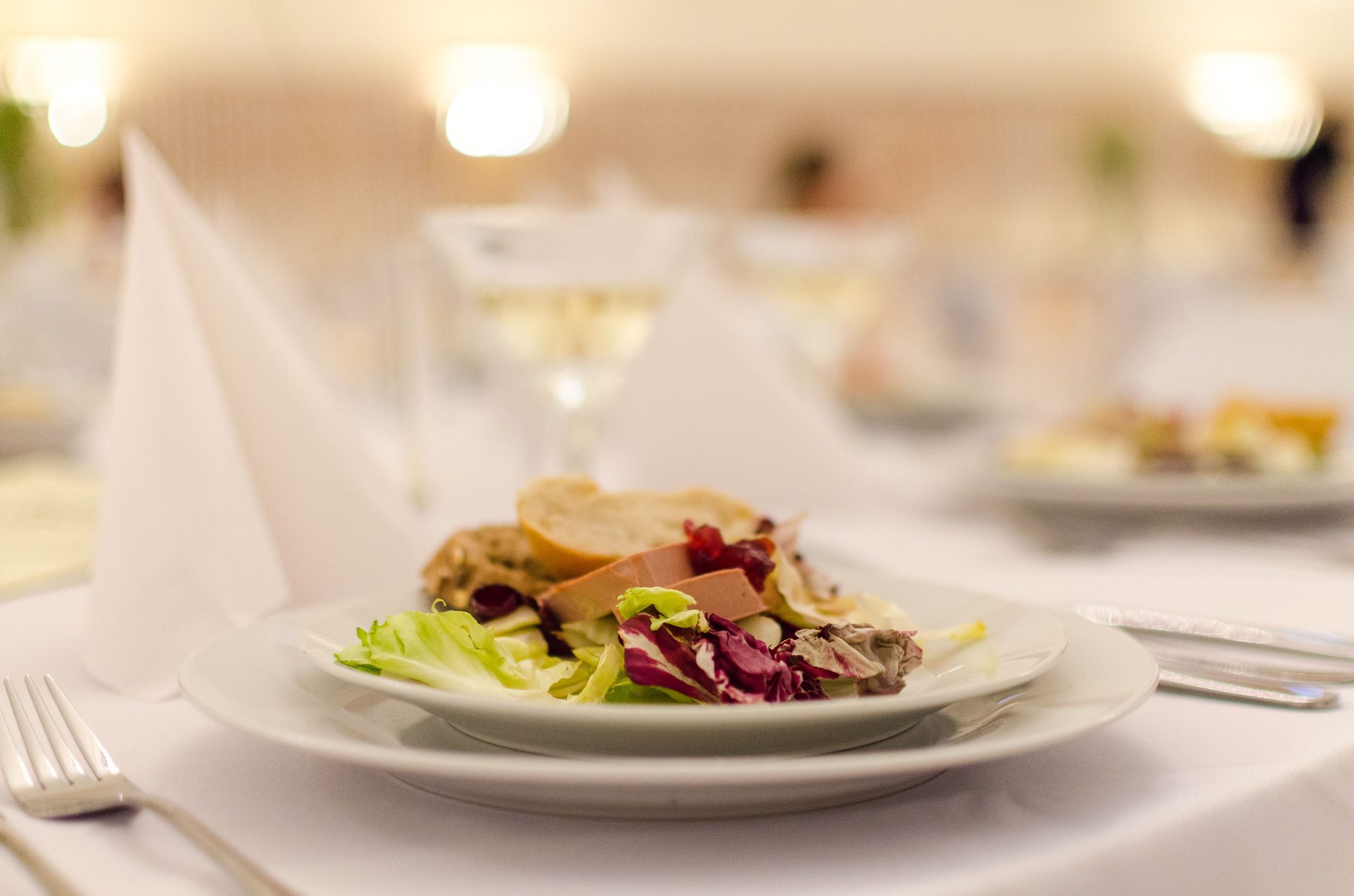
Despite the name, a traditional wedding breakfast rarely involves eggs, toast, or anything eaten before noon. The phrase describes the full meal served to newlyweds and their guests after the ceremony, and it can stretch from mid-morning canapés right through to coffee served after the cake has been cut.
Wikipedia’s entry on the custom notes that the phrase is still used in British English, even though nowadays the wedding breakfast is not normally a morning meal, nor does it look like a typical breakfast. That gap between the name and the food on the table is exactly why so many guests arrive asking what they’re actually about to eat.
Important Note: Sources disagree on exactly when the term appeared. The Oxford English Dictionary does not record any occurrences of the phrase “wedding breakfast” before 1850, but it was used at least as far back as 1838. Other wedding writers trace it further back, with one noting the term wedding breakfast dates back to the 17th century and another agreeing it dates back to the 17th century when wedding ceremonies were part of Eucharistic Mass, requiring the newlyweds to fast before the service. The written record favours the 19th century; the fasting custom itself is almost certainly older.
This guide walks through the menu course by course, covering the savoury bites, the showpiece desserts, and the drinks that traditionally fill a British reception, along with a look at where each dish came from and why it earned its place on the table.
1. Canapés
Canapés open almost every British wedding breakfast, served while guests mingle during the drinks reception and the couple finish their photographs. A canapé is a type of starter, a small, prepared, and often decorative food, consisting of a small piece of bread or cracker, wrapped or topped with some savoury food, held in the fingers and often eaten in one bite.
The name itself has a charming backstory: it comes from the French word for sofa, drawing on the analogy that the garnish sits atop the bread as people do on a sofa. That French pedigree runs through much of the traditional French food that still shapes formal British menus today, from pastry bases to rich savoury toppings.
Pro Tip: Four to six different canapés are recommended as a way to bring guests together and mingle, so couples planning their own reception don’t need to go overboard with variety.
2. Vol-Au-Vents
Vol-au-vents bring a lighter, puffier texture to the canapé table, and they’ve been a fixture of British celebration food for decades. These small puff-pastry cases filled with savoury ingredients, such as chicken, seafood, or mushrooms, became a common feature at dinner parties, buffets, and festive gatherings and weddings.
Their appeal for caterers hasn’t changed much since then. The pastry cases can be baked well ahead of the day and filled just before serving, which makes them practical as well as pretty on a tiered canapé stand.
3. Spring Rolls
Spring rolls are a newer arrival on the traditional wedding breakfast table, reflecting how British menus have absorbed flavours from across Asia over the past few decades. One wedding caterer’s current canapé list includes duck spring rolls served with hoisin sauce, sitting alongside more classical British bites on the same tray.
The crossover makes sense once you consider how widespread spring rolls already are at celebratory meals across Malaysian food traditions and much of Southeast Asia, where fried, wrapped parcels have long signalled a festive occasion. British caterers borrowed the format and simply adapted the fillings to suit a wedding crowd.
4. Blinis
Blinis add a different texture again: a small, soft pancake that acts as a base for rich toppings rather than a pastry shell. One Cornish wedding venue serves its blinis topped with smoked salmon and a dill or chive crème fraîche, a pairing that has become close to standard at British receptions.
The pancake itself traces back to Eastern Europe, and its presence on a British menu is a reminder that wedding food has always borrowed liberally from elsewhere. Readers curious about where blini culture started can look at traditional Russian drinks, which were historically served alongside exactly this kind of savoury pancake.
5. Pâté
Pâté brings a heavier, more rustic note to the starter course, and it’s just as likely to appear as a canapé spread as a formal plated starter. One French-style wedding venue lists duck pâté on toasted brioche with red onion marmalade among its canapé selection, pairing the richness of the meat with something sweet to cut through it.
Pâté’s popularity at weddings isn’t unique to Britain or France. Rich, spreadable pastes built from meat, spice, and fat show up across many traditional Indian foods served at celebrations, even if the specific ingredients and techniques differ considerably from the French version.
6. Terrine
Terrine is pâté’s firmer, more structured cousin, usually sliced and plated rather than spread onto bread. One Cotswold catering menu offers a ham hock and pea terrine served with a homemade pickle and celeriac remoulade, which shows how far the dish has moved from its humble, leftover-meat origins.
Making a terrine well takes patience: the mixture has to be pressed and chilled for hours before it holds its shape when sliced. That’s one reason caterers favour it for large weddings, since it can be prepared, portioned, and plated well in advance of the meal itself.
7. Cheesecake
Cheesecake is one of the more flexible dessert options on a traditional wedding breakfast menu, equally at home as a single plated dessert or baked into miniature individual portions for a dessert table. Many food historians trace the dessert’s roots back thousands of years, long before it became the baked, cream-cheese-based version most British guests recognise today.
Modern versions lean heavily on flavour pairings rather than tradition: lemon, raspberry, and biscuit bases are common at weddings because they travel well and hold their shape on a plate. The dish’s long history of adaptation echoes how traditional Greek foods have shifted and regionalised over centuries while keeping a recognisable core identity.
8. Sorbet
Sorbet rarely headlines a British wedding breakfast, but it plays an important supporting role as a palate cleanser between richer courses. The French tradition it borrows from is explicit about this function: a sorbet with calvados, champagne, or another regional spirit is served between courses, resetting the palate before the next dish arrives.
British caterers have adopted the same logic even without the French spirit pairing, often slotting a small scoop of fruit sorbet between a rich starter and an equally rich main course. The citrus and fruit bases used for this course aren’t far removed from the bright, fruit-forward desserts found across traditional South African food, where fresh fruit plays a similarly refreshing role at the end of a heavy meal.
9. Chocolate Mousse
Chocolate mousse is the richer counterpart to sorbet, and it tends to appear either as a standalone dessert or as one component of a dessert sharing platter. Its appeal lies in its simplicity: good chocolate, air, and very little else, whipped until it holds a spoon upright.
The quality of the chocolate matters more here than in almost any other dish on this list, which is part of why cacao-growing regions carry so much weight in professional kitchens. Venezuela in particular is prized for its cacao, and the country’s reputation runs through much of traditional Venezuelan food, where chocolate is treated as a serious culinary ingredient rather than a simple sweet.
10. Wedding Cake
The wedding cake is the one dessert course that does double duty as decoration, centrepiece, and dessert all at once. Traditional British wedding cakes were dense fruit cakes, often made months in advance and fed with brandy to improve their keeping, though sponge and buttercream versions have become far more common at modern receptions.
Cutting the cake is also one of the few moments in the day with its own built-in ritual, much like choosing what to wear to a wedding carries its own set of unwritten rules. Both moments are small formalities that guests expect, even at otherwise relaxed celebrations.
11. Yorkshire Pudding
Yorkshire pudding is the most distinctly British item on this entire menu, and its appearance at a wedding breakfast is almost always a nod to a full roast dinner rather than a dessert course. One wedding caterer pairs a mini Yorkshire pudding with rare roast beef and horseradish cream as a canapé, shrinking a Sunday lunch staple down to a single bite.
The pudding itself is simple: a batter of eggs, flour, and milk poured into very hot fat until it puffs up around the edges. Served full-sized alongside a beef main course, it’s one of the few parts of the menu that signals the meal has moved firmly into “proper dinner” territory rather than finger food.
12. Trifle
Trifle is layered, show-off dessert that relies on contrast: soft sponge soaked in sherry or fruit juice, custard, fruit, and cream stacked in a glass dish so every layer is visible. It’s old-fashioned by design, and that’s exactly why it still turns up at traditional weddings where couples want something that feels nostalgic.
Because it’s assembled rather than baked, trifle is forgiving for large guest numbers, since a single bowl can serve dozens of people without any last-minute cooking. The same practical appeal shows up in other celebratory sweet courses, including the kind of indulgent spread found in a Valentine’s Day breakfast built around similarly rich, make-ahead desserts.
13. Prosecco
Prosecco has become the default sparkling wine at British weddings over the past couple of decades, largely because it offers a lighter, fruitier profile at a gentler price point than champagne. It’s typically poured during the drinks reception, right alongside the canapés, rather than saved for the formal toast.
Its lower price doesn’t mean it’s treated as a lesser option at most weddings; plenty of couples choose it deliberately for its lighter character rather than as a cost-saving compromise. The table below sets out how it tends to differ from champagne in practice.
| Attribute | Prosecco | Champagne |
|---|---|---|
| Region of origin | Veneto, Italy | Champagne, France |
| Typical flavour profile | Light, fruity, floral | Drier, toastier, more complex |
| Common wedding use | Drinks reception, mingling | Formal toast, speeches |
| Production method | Tank method (Charmat) | Traditional method (bottle-fermented) |
14. Champagne
Champagne is reserved for the more formal moments of the day: the toast after the speeches, and sometimes the arrival drink for a more lavish reception. The name is legally protected for sparkling wine produced in France’s Champagne region using the traditional bottle-fermentation method, which is part of why it commands a higher price than most other sparkling wines on the table.
Key Insight: Many British receptions pour prosecco for the arrival drinks and save champagne specifically for the toast, giving guests a noticeable “step up” moment right as the speeches begin.
15. Tea
Tea rounds out the formal part of a traditional wedding breakfast, usually served once the cake has been cut and the speeches have wound down. It’s a quieter, more settled moment in the day, often paired with a slice of cake or a few leftover petit fours from the dessert course.
Britain’s relationship with tea as a celebratory drink didn’t start in Britain at all. The plant and the brewing custom both trace back to traditional Chinese drinks, and it took centuries of trade before tea became the thoroughly British habit it’s known as today.
16. Coffee
Coffee closes out the meal alongside tea, giving guests who prefer a stronger, more bitter drink an alternative as the formal part of the day winds down. It’s usually served from a side station or trolley rather than at the table, letting guests help themselves as they move between courses and conversation.
Coffee’s own journey to the British wedding table is just as long as tea’s. The drink’s roots in traditional Egyptian drinks and the wider Middle Eastern coffee trade go back centuries before it ever reached a European reception, making it one more example of how thoroughly global a “traditional” British menu actually is.
Looked at as a whole, a traditional wedding breakfast is less a single fixed menu and more a layered history lesson: French pastry technique, Eastern European pancakes, Asian street food, and drinks that travelled from China and the Middle East all end up on the same table. That mix is exactly why the meal has stayed interesting across centuries of changing tastes, even as the name itself remains stubbornly, confusingly tied to a morning meal it almost never resembles.