19 Traditional African Breakfast Dishes from Akara to Shakshuka

November 23, 2026
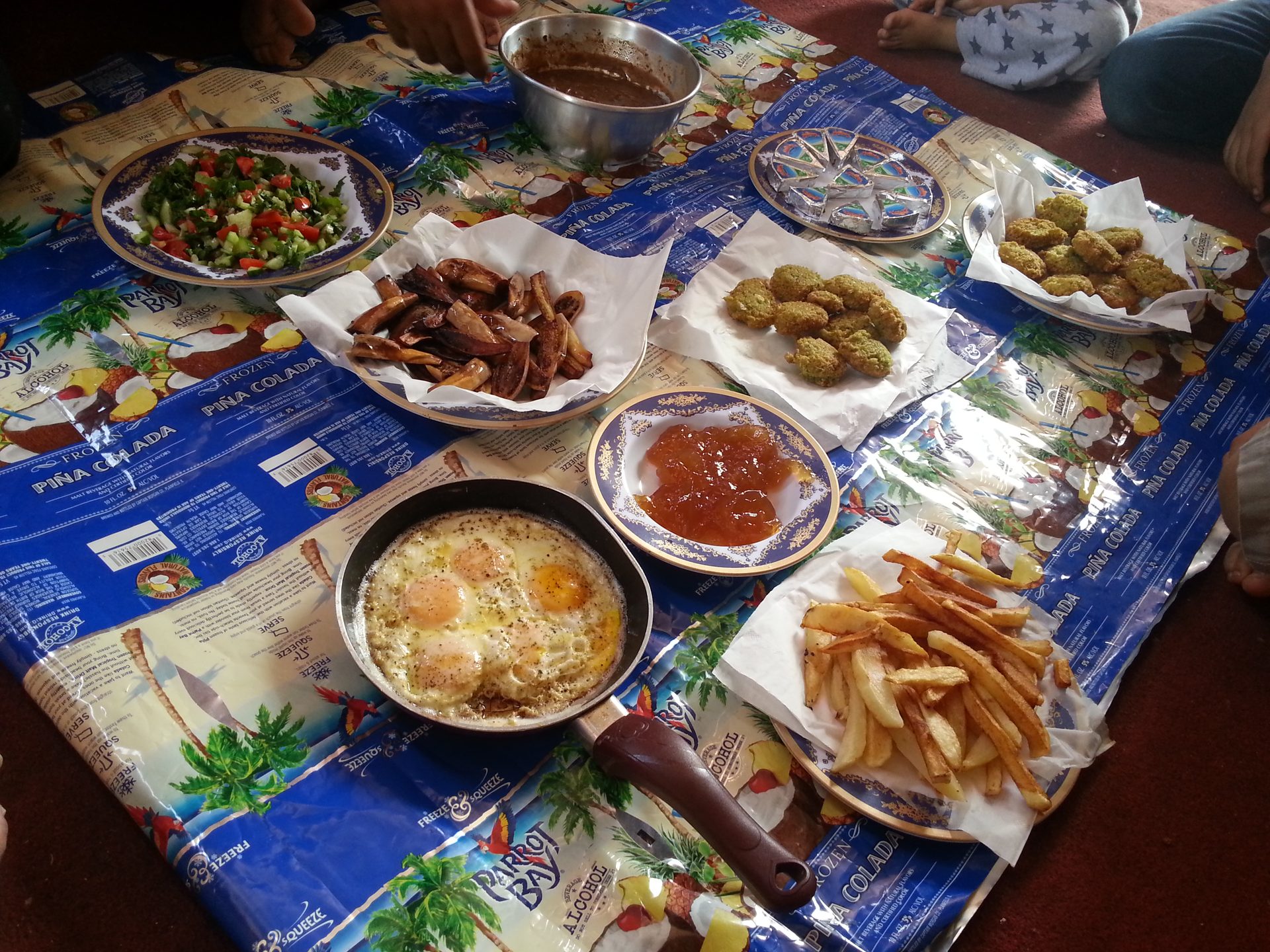
Breakfast in Lagos rarely resembles breakfast in Addis Ababa, and neither looks much like the spread laid out in a Marrakech kitchen at sunrise. A traditional African breakfast changes shape almost every few hundred miles, built from whatever grain, legume, or root crop grows best in the soil nearby. Fermented porridges, fried bean cakes, spiced flatbreads, and sweet mint tea all count as morning food somewhere on the continent, and most of them have been eaten the same way for generations.
This breakfast traditions roundup moves region by region, from West African fritters and porridges to the sourdough flatbreads of the Horn of Africa and the sweet, fried pastries of the Maghreb. Each dish carries its own history, and a few show up on tables far outside their country of origin.
1. Akara
Akara is a deep-fried fritter made from blended black-eyed peas, known botanically as Vigna unguiculata. The fritter originated in Yorubaland, from the Yoruba ethnic group inhabiting parts of Nigeria, Benin and Togo, and it has since spread well beyond West Africa’s borders.
Across the wider West African region, which includes countries like Nigeria, Sierra Leone, Senegal and Ghana, cooks make akara with cowpeas or black-eyed peas. In Nigeria specifically, it is usually made with honey beans, a light brown bean with a fairly sweet taste, or black-eyed peas. The beans are soaked, peeled, blended with onion and chili, then fried into golden fritters. Street vendors sell akara by the roadside in the early morning, often alongside a bowl of pap.
2. Pap
In Nigeria and Cameroon, pap (also called ogi) is a soft, slightly sour porridge made from fermented corn, millet, or guinea corn. The grain soaks for several days, ferments, then gets strained and cooked into a smooth, custard-like dish eaten warm. Maize used in this style of porridge is Zea mays, though millet and sorghum versions exist in drier regions.
Pap is almost always eaten alongside something fried, most commonly akara, and it works as a mild, slightly tangy counterpoint to the spicier fritters. Street-side breakfast stalls across Lagos, Ibadan, and Yaoundé sell both together in the same bowl, a pairing locals simply call pap and akara.
3. Mandazi
Mandazi is a lightly sweet, fried dough popular across Kenya, Tanzania, Uganda, and the Swahili coast. The dough often includes coconut milk and a pinch of ground cardamom (Elettaria cardamomum), a spice that arrived through centuries of Indian Ocean trade linking East Africa to the Arabian Peninsula and South Asia. That exchange shaped a lot of coastal Swahili cooking, a pattern also visible in South Asian cooking traditions that share similar frying and spicing techniques.
Unlike plain doughnuts, mandazi is usually triangular or diamond-shaped and less sweet, meant to be dipped into chai rather than eaten on its own. Home cooks fry batches in the morning and sell extras to neighbors, making it as much a community food as a breakfast one.
4. Chapati
Chapati is a soft, layered wheat flatbread (Triticum aestivum) cooked on a flat griddle until it puffs and blisters. It traveled to East Africa with Indian traders and laborers and settled firmly into Kenyan, Tanzanian, and Ugandan breakfast tables, where it is now considered a local staple rather than a borrowed dish. For readers curious about where the technique began, Indian flatbread traditions show the same layering and rolling methods still used today.
East African chapati tends to be richer and flakier than its South Asian counterpart, often made with extra oil folded into the dough during rolling. It pairs naturally with stewed beans, fried eggs, or a cup of spiced chai.
5. Chai
East African chai is a milky, heavily spiced tea brewed with black tea leaves from the plant Camellia sinensis, fresh ginger, and cardamom, simmered directly in milk rather than steeped separately. It differs from British-style tea in strength and sweetness, and from Indian masala chai in its specific spice balance, which leans more toward ginger than cinnamon or clove.
Kenyan and Tanzanian households often keep a pot simmering through the morning, refilling cups as family members come and go. The tea culture surrounding chai says a lot about how mornings unfold in the region, a social rhythm echoed in other tea-drinking cultures, including the ones described in Chinese tea traditions.
6. Injera
Injera is a fermented flatbread at the center of Ethiopian and Eritrean cuisine, traditionally made with teff, an ancient grain among the world’s oldest domesticated crops, and served with nearly every meal. The grain itself, Eragrostis tef, is native to the Ethiopian highlands and gives the bread its faintly sour, slightly nutty flavor.
Sourdough fermentation of injera can be achieved using different lactic acid bacteria and yeast strains, which is why the same recipe produces slightly different flavors from one household to the next. The spongy surface, covered in small bubbles, forms as the fermented batter cooks on a hot griddle called a mitad.
Pro Tip: Mix teff flour with water in roughly a 3-to-4 ratio and let the batter ferment at room temperature for one to three days before cooking for the most authentic sour flavor.
7. Ful Medames
Ful medames is a slow-cooked fava bean stew eaten across Egypt and much of the Nile Valley, usually served warm with olive oil, lemon, cumin, and chopped parsley. The beans, Vicia faba, cook for hours until they break down into a thick, creamy mash that holds its shape just enough to scoop with bread. It remains one of the most widely eaten dishes in Egyptian households, a tradition explored further in this look at Egyptian culinary staples.
Pro Tip: Soak dried fava beans overnight before simmering; it cuts cooking time significantly and keeps the beans from splitting apart too early.
Street vendors across Cairo sell ful medames from large copper pots early in the morning, often stuffed into a round of bread with tomato, onion, and a splash of tahini.
8. Mealie Pap
Mealie pap is South Africa’s version of maize porridge, made by boiling ground mealie meal (dried maize, the same Zea mays used in West African pap) with water or milk until it thickens. The texture ranges from loose and soupy for breakfast to stiff and crumbly when served as a dinner side with meat and gravy. Readers interested in the wider context can find more on this staple in a broader guide to South African food traditions.
Breakfast-style mealie pap is usually sweetened slightly and eaten with milk, sugar, or peanut butter, a far softer presentation than the firm version served at dinner. It remains a daily staple in households across South Africa, Zimbabwe, and Botswana, where it is sometimes called ting or phuthu.
9. Msemen
Msemen is a square, flaky Moroccan flatbread made by stretching thin dough with oil, folding it into layers, then pan-frying it until golden and crisp on the outside. The folding technique creates distinct layers similar to those found in other North African and Mediterranean pastry traditions, including some of the layered doughs covered in French pastry techniques that reached Morocco during the colonial period.
Moroccan families usually serve msemen warm, drizzled with honey and melted butter or dunked straight into a bowl of mint tea. Street stalls in Marrakech and Fez sell it fresh off the griddle, folded into a napkin for walking breakfasts.
10. Mint Tea
Mint tea, often called Maghrebi tea, is a sweet green tea brewed with fresh spearmint leaves and a generous amount of sugar, served throughout Morocco, Algeria, and Tunisia. It functions as both a breakfast drink and a hospitality ritual, poured from height into small glasses to create a light foam on top. Egypt shares a similar love of strongly brewed, sweetened tea, a tradition detailed in this guide to Egyptian drink culture.
Pro Tip: Pour the tea back and forth between the pot and glass two or three times before serving; this aerates it and produces the traditional foam without diluting the flavor.
11. Café Touba
Café Touba is a Senegalese coffee flavored with ground Guinea pepper, known locally as djar and scientifically as Xylopia aethiopica, along with cloves. The drink takes its name from the holy city of Touba, founded by the Mouride Sufi leader Cheikh Ahmadou Bamba, and it has become closely tied to Senegalese Sufi tradition and daily street life alike.
Vendors roast and grind the coffee beans with the spice mixture before brewing, giving the drink a peppery, slightly smoky finish that sets it apart from standard black coffee. It is sold from carts across Dakar and other Senegalese cities, often poured over sugar at the bottom of a small glass.
| Drink | Region | Base | Signature Flavor |
|---|---|---|---|
| Chai | Kenya, Tanzania, Uganda | Black tea and milk | Ginger and cardamom |
| Mint Tea | Morocco, Algeria, Tunisia | Green tea | Fresh mint and sugar |
| Café Touba | Senegal | Coffee | Guinea pepper and clove |
12. Brik
Brik is a thin, crisp Tunisian pastry made from delicate warqa dough, folded around a filling of egg, tuna or minced meat, parsley, and capers, then fried until the outside crackles and the egg inside stays soft. It is traditionally eaten during Ramadan as part of the iftar meal, though many Tunisians also eat it for breakfast or as a quick street snack. The concept of a fried, egg-filled pastry has close cousins elsewhere, including the stuffed pastries covered in this guide to Venezuelan food traditions.
The trick to a good brik is frying it hot and fast, so the dough crisps before the egg fully sets, leaving a runny center that spills out with the first bite.
13. Waakye
Waakye is a Ghanaian rice and bean dish cooked together in one pot, with dried millet or sorghum leaves added during cooking to give the rice its signature reddish-brown tint. The dish is rarely served plain; a full waakye breakfast usually comes piled with gari, boiled egg, spaghetti, fried plantain, and a spicy shito sauce or stew.
Street vendors known locally as “waakye sellers” set up in the early morning across Accra and Kumasi, wrapping the rice and beans in large leaves for takeaway. The dish has become one of Ghana’s most recognizable breakfast exports, showing up on menus in diaspora communities abroad.
14. Kenkey
Kenkey is a fermented, steamed corn dough wrapped in corn husks or plantain leaves, popular across Ghana and parts of Togo. The fermentation process, which can take a couple of days, gives kenkey its distinctly sour taste, a quality that pairs well with spicy pepper sauce, fried fish, or shito.
Two main styles exist: Ga kenkey, wrapped in corn husks, and Fante kenkey, wrapped in plantain leaves, which gives it a slightly different aroma. Both are sold in markets as firm, dense balls that unwrap to reveal a smooth, tangy dough.
15. Ampesi
Ampesi is a simple boiled dish of starchy vegetables, usually a mix of yam, plantain, and cocoyam, cooked until soft and typically served with a spicy pepper sauce called shito or a light stew. It is common across Ghana as both a breakfast and a light meal, valued for being quick to prepare with few ingredients.
Unlike heavily spiced dishes, ampesi’s appeal lies in its plainness, letting the natural sweetness of the root vegetables come through. Families often boil everything together in one pot, then serve the vegetables alongside fried fish or a dab of palm oil sauce.
16. Vitumbua
Vitumbua is a small, slightly sweet rice cake popular along the Swahili coast of Tanzania and Kenya, including Zanzibar, cooked in a special pan with rounded indentations similar to those used for Japanese takoyaki or Danish aebleskiver. The batter mixes rice flour with coconut milk, sugar, and sometimes a hint of cardamom, giving the cakes a soft, custardy center and crisp edges.
The coastal trade routes that shaped Swahili cuisine brought rice, coconut, and frying techniques together in dishes like this one, much like the fusion visible in other South Asian-influenced recipes found throughout the Indian Ocean rim. Vitumbua are usually eaten warm, straight from the pan, with tea.
17. Sfenj
Sfenj is a Moroccan doughnut, deep-fried without sugar or filling and typically sold hot, strung together on palm fronds or paper at street stalls in the early morning. The plain dough puffs into a light, airy ring that gets dipped in sugar or honey right before eating, rather than glazed in advance.
The frying technique shares roots with other fried-dough traditions across the Mediterranean and Europe, including some of the pastry methods described in French baking traditions. Moroccan vendors fry sfenj fresh throughout the morning rush, and it rarely sits long enough to go cold before someone buys it.
18. Uji
Uji is a smooth, fermented porridge found across Kenya, Tanzania, and Uganda, usually made from millet, sorghum, or maize flour thinned with water or milk. Some versions ferment slightly before cooking, giving the porridge a mild tang similar to pap or mealie pap, while others are cooked fresh and sweetened with sugar.
The porridge is often the first food given to babies and the elderly because it is easy to digest, but it remains a common adult breakfast as well, sipped from a cup rather than eaten with a spoon. A look at South African food customs shows how closely related porridge traditions stretch across the continent despite different names and grains.
| Porridge | Region | Main Grain | Texture |
|---|---|---|---|
| Pap | Nigeria, Cameroon | Corn, millet, or guinea corn | Smooth, custard-like |
| Mealie Pap | South Africa, Zimbabwe | Maize meal | Loose to stiff |
| Uji | Kenya, Tanzania, Uganda | Millet, sorghum, or maize | Smooth, drinkable |
19. Shakshuka
Shakshuka is a skillet dish of eggs poached directly in a spiced tomato sauce with onions, garlic, and bell pepper, eaten across North Africa and widely associated with Tunisia, Libya, and Egypt before spreading through the wider Mediterranean and Middle East. The sauce typically carries cumin, paprika, and sometimes a touch of harissa for heat, simmered down until thick enough to hold the eggs as they poach on top.
Pro Tip: Crack the eggs into small wells pressed into the sauce, cover the pan, and cook just until the whites set but the yolks stay soft; overcooking is the most common mistake.
Shakshuka has become popular well beyond North Africa, showing up on weekend brunch menus worldwide, including as a favorite option on lists of romantic breakfast ideas. Served straight from the skillet with crusty bread for scooping, it closes out this tour of the continent’s morning table the same way it often opens someone’s day: simply, communally, and shared from one pan.