Traditional Newfoundland Breakfast: Toutons, Molasses, and the Flavors of the Rock

November 22, 2026
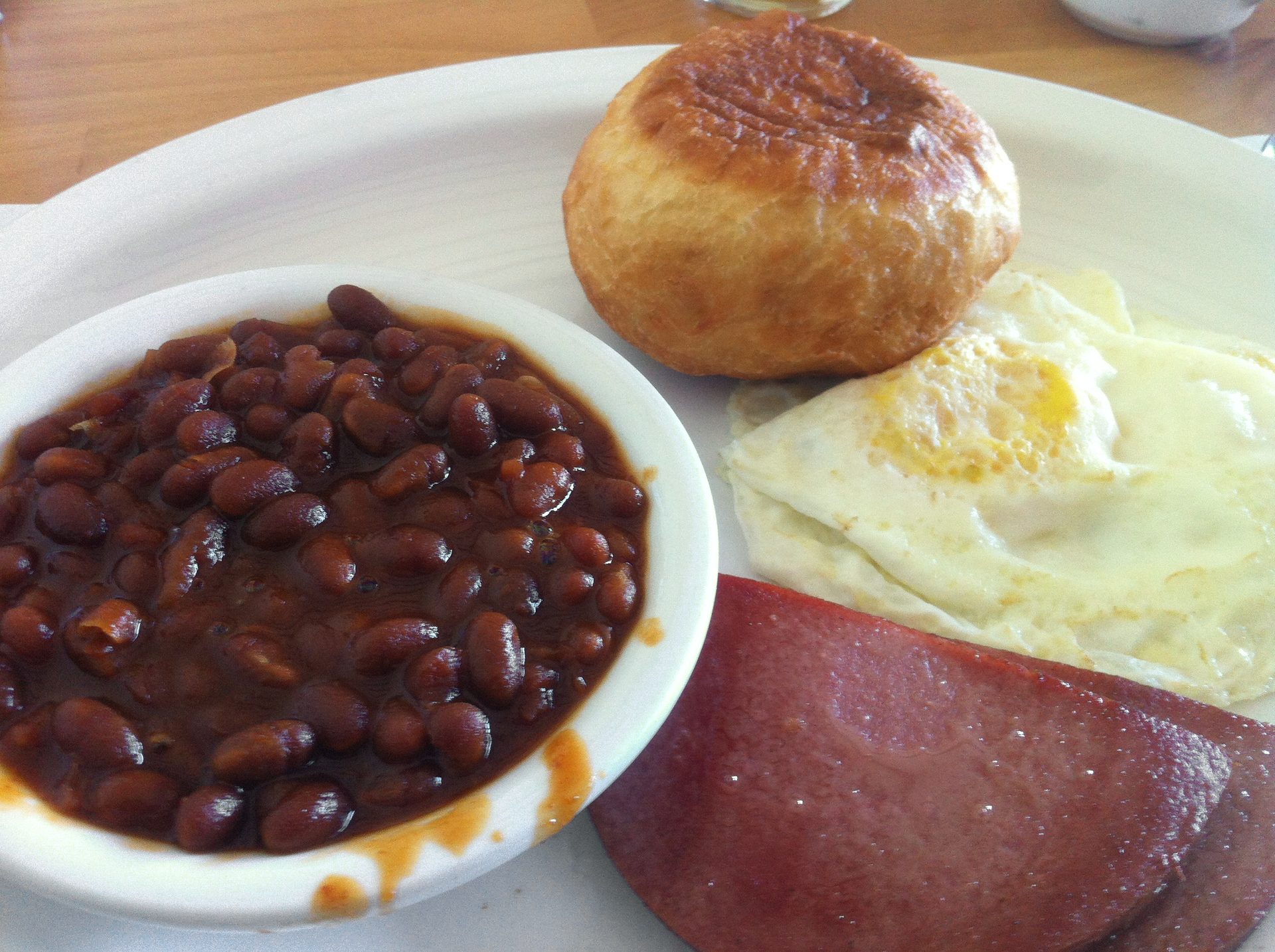
A traditional Newfoundland breakfast starts with leftover bread dough, a hunk of salt pork, and whatever sweetness is left in the cupboard. Long before granola bowls and protein shakes became standard morning fare, families on Canada’s easternmost island fried yesterday’s dough in rendered pork fat and called it a meal. Five dishes anchor this spread: toutons, coady, molasses, partridgeberry jam, and scrunchins, and together they tell the story of an island shaped by cod fishing, hard winters, and resourceful cooking.
These dishes sit alongside breakfast traditions from around the world that turn scarcity into something worth waking up for. What follows is a closer look at each component, where it came from, and why Newfoundlanders still reach for it generations after it was born of necessity rather than choice.
1. Toutons
A touton is pan-fried bread dough, usually pulled from the same batch used to bake the week’s loaves. Touton as a word has several regional spellings and cousins; Wikipedia’s entry on the dish notes it is “pronounced /ˈtaʊtən/, toutin, tiffin, touten or towtent” and is “a traditional dish from Newfoundland, made with risen bread dough.” In parts of Bonavista Bay and central Newfoundland, people still call the same dish a tiffin rather than a touton, and the two names are used interchangeably at the breakfast table.
The appeal is almost defiantly simple. As one longtime Newfoundland food blog puts it, “A touton is simplicity itself and perfect simplicity at that… a touton is merely a piece of fried bread dough.” That simplicity likely explains its staying power: it was a practical way to use up dough that would otherwise go to waste, long before anyone thought to call it a signature regional food. The dish’s rise to cultural shorthand for the province happened gradually, through novels, newspaper columns, and decades of Sunday mornings rather than any single marketing push.
Modern kitchens have changed how toutons are cooked more than they’ve changed what they are. Fatback pork fat has largely given way to “a combination of olive oil, clarified butter, or canola oil” at restaurants across the province, even though older generations still swear the pork-fried version tastes better. There’s also a regional variation worth knowing: potato toutons are “a distinctive regional variant originating from the Bonavista Peninsula” that “has been a culinary tradition in the region since the early twentieth century.” Fried dough as a breakfast concept isn’t unique to the island, either — it echoes the pancake-and-syrup logic found in French breakfast staples, just with a heartier, yeastier bite.
Pro Tip: Fry toutons low and slow. A gentle, patient heat gives the dough time to cook through before the outside burns, producing the golden, slightly crisp shell Newfoundlanders look for.
2. Coady
Coady is the sauce that separates a plain touton from a proper one. According to Wiktionary’s entry on the term , coady is “a sauce, usually made from boiled molasses, spices, and an acid such as vinegar or lemon juice.” The name itself has a handful of spellings floating around the province.
Wikipedia’s touton entry confirms this variety, noting that “a common alternative to plain molasses is coady (also spelled cody or lassy coady), a sweet sauce typically made by simmering 1 cup molasses, 1/4 cup water, 3 tablespoons butter, and 1 tablespoon vinegar or lemon juice for about 10 minutes.” Some cooks take it further, and “coady may include fresh or powdered ginger, along with other warm spices,” giving the sauce a warmth closer to gingerbread than straight molasses.
Coady isn’t exclusive to toutons, either. It turns up across the island’s older recipe archive as the companion to other bread-based dishes. An academic paper on Newfoundland food traditions describes a related fried bread dish, noting it’s “a pancake made of bread dough fried…and topped with coady (molasses sauce).” That same sweet-sauce instinct shows up far from the North Atlantic, too — the syrupy toppings poured over kuih and pancakes in Malaysian morning dishes serve much the same purpose of turning plain starch into dessert-adjacent comfort food.
| Element | Role in Coady |
|---|---|
| Molasses | Base sweetness and dark color |
| Butter | Richness and glossy finish |
| Vinegar or lemon juice | Cuts the sweetness, balances flavor |
| Ginger or warm spices | Optional depth, common in older recipes |
3. Molasses
Plain molasses, poured straight and warm, is still the most common touton topping, and its presence on Newfoundland tables has a real historical reason behind it. A Newfoundland food writer traces the connection back to the province’s trading relationships, explaining that molasses arrived through “the trade of cod around the early 1800’s as ‘sometimes the saltfish was exchanged for money and sometimes for goods which could not be produced in Newfoundland and Labrador, such as molasses or coffee.'”
Because the island couldn’t grow sugarcane or much else that produced sweetness locally, imported molasses took on outsized importance in the household pantry. The same source notes that “molasses was revered and a special treat in the area and grew into a beloved family staple,” which helps explain why it still shows up on breakfast tables generations after the cod-for-molasses trade that introduced it has faded into history.
Molasses also appears beyond breakfast, most famously as the sauce for figgy duff, a boiled raisin pudding traditionally served with Jiggs dinner. The overlap matters because it shows how deeply this one ingredient runs through the province’s cooking, touching sweet breakfast dishes and savory Sunday dinners alike. That pattern of one imported sweetener carrying an entire regional cuisine isn’t unique to the island, either; jaggery performs a similar role in many traditional Indian breakfast dishes, standing in for refined sugar long before it was widely available.
Important Note: Recipes for coady and molasses toppings vary from household to household across Newfoundland, and exact measurements are often passed down by memory rather than written down. Treat any specific ratio as a starting point rather than a fixed rule.
4. Partridgeberry Jam
Partridgeberries are the Newfoundland name for a small, tart red berry known elsewhere as the lingonberry, Vaccinium vitis-idaea. They grow low to the ground across the province’s bogs and barrens, ripening in late summer and early fall, and islanders have foraged them for generations rather than relying on cultivated orchards. Their sharp, slightly bitter edge is what makes them so useful spread over something as mild and starchy as a touton.
Turning the berries into jam is the most common way to preserve a short, intense harvest season for use all year. Simmered down with sugar, the berries lose some of their sharpness but keep enough tartness to cut through buttery or molasses-heavy breakfast dishes, which is exactly why partridgeberry jam so often shares a plate with toutons rather than standing alone. The same instinct, preserving a short wild harvest into something that lasts through winter, shows up in the fruit-based spoon sweets found among traditional Greek breakfast dishes, where preserved fruit plays a similarly central role.
- Harvested from bogs and barrens across Newfoundland and Labrador, typically in late summer into fall
- Known outside the province as lingonberries, used widely in Scandinavian cooking as well
- Prized for a tart flavor that balances sweet toppings like molasses and coady
- Traditionally preserved as jam, sauce, or syrup to last beyond the short foraging season
Pro Tip: If fresh partridgeberries aren’t available, lingonberry jam sold at specialty grocers makes a close substitute since the two berries belong to the same species.
5. Scrunchins
Scrunchins are small cubes of salt pork or fatback, fried until the fat renders out and the pieces turn crisp and golden. The Wiktionary entry for the term defines them simply as “a small piece of pork rind or fatback fried until rendered and crispy.” The same entry puts the dish in context, noting that “traditional Newfoundland food is based on pork fat. Everything is cooked in it and then seasoned with scrunchions—rendered, diced fatback.”
A recipe writer who specializes in Newfoundland cooking explains why the dish became such a fixture, pointing out that “scrunchions are the tiny, golden cubes of fried salt pork fat that show up on top of everything in Newfoundland, from fish and brewis to toutons, soups and salads,” and that “they were born of economy — every scrap of salt pork was precious, and rendering the fat gave you both cooking fat and a crisp, salty garnish in one go.” Even the name has a sensory origin: the same source notes “the name comes from the ‘scrunch’ they make when you bite into them, and that sound is music to any Newfoundland ear.”
At breakfast, scrunchins typically land on top of a touton rather than beside it, adding a salty, crackling contrast to the soft fried dough and sweet molasses underneath. The same frugal logic, rendering fat from a cheap cut of meat to flavor an entire meal, runs through hearty, economical cooking traditions elsewhere, including the slow-simmered German one-pot classics built to stretch modest ingredients across a household.
| Dish | Primary Role in Breakfast | Core Ingredient |
|---|---|---|
| Toutons | Base of the plate | Fried bread dough |
| Coady | Spiced sweet sauce | Molasses, butter, vinegar |
| Molasses | Plain sweet topping | Imported cane molasses |
| Partridgeberry jam | Tart contrast | Wild partridgeberries |
| Scrunchins | Savory, crispy garnish | Fried fatback pork |
None of these five dishes needs the others to work on its own, but together they form something closer to a full meal than any single component suggests. A touton fried crisp, finished with a drizzle of coady or plain molasses, a spoonful of partridgeberry jam on the side, and a scatter of scrunchins on top is about as close as it gets to a complete, traditional Newfoundland breakfast on one plate. For readers curious how other regions build a similarly layered morning spread from just a handful of pantry staples, the South African breakfast table offers a useful point of comparison, built on its own set of humble, locally sourced ingredients. It’s also worth pairing this kind of hearty, from-scratch cooking with occasions meant for slowing down, the same spirit behind many breakfast-in-bed ideas built around comfort rather than speed. Whether it’s made with pork fat and homemade bread dough the old way, or butter and store-bought bread the modern way, this breakfast still carries the same story: an island that learned to make a feast out of very little.