Can You Freeze Heavy Cream for Coffee? (What You Need to Know)

October 22, 2026
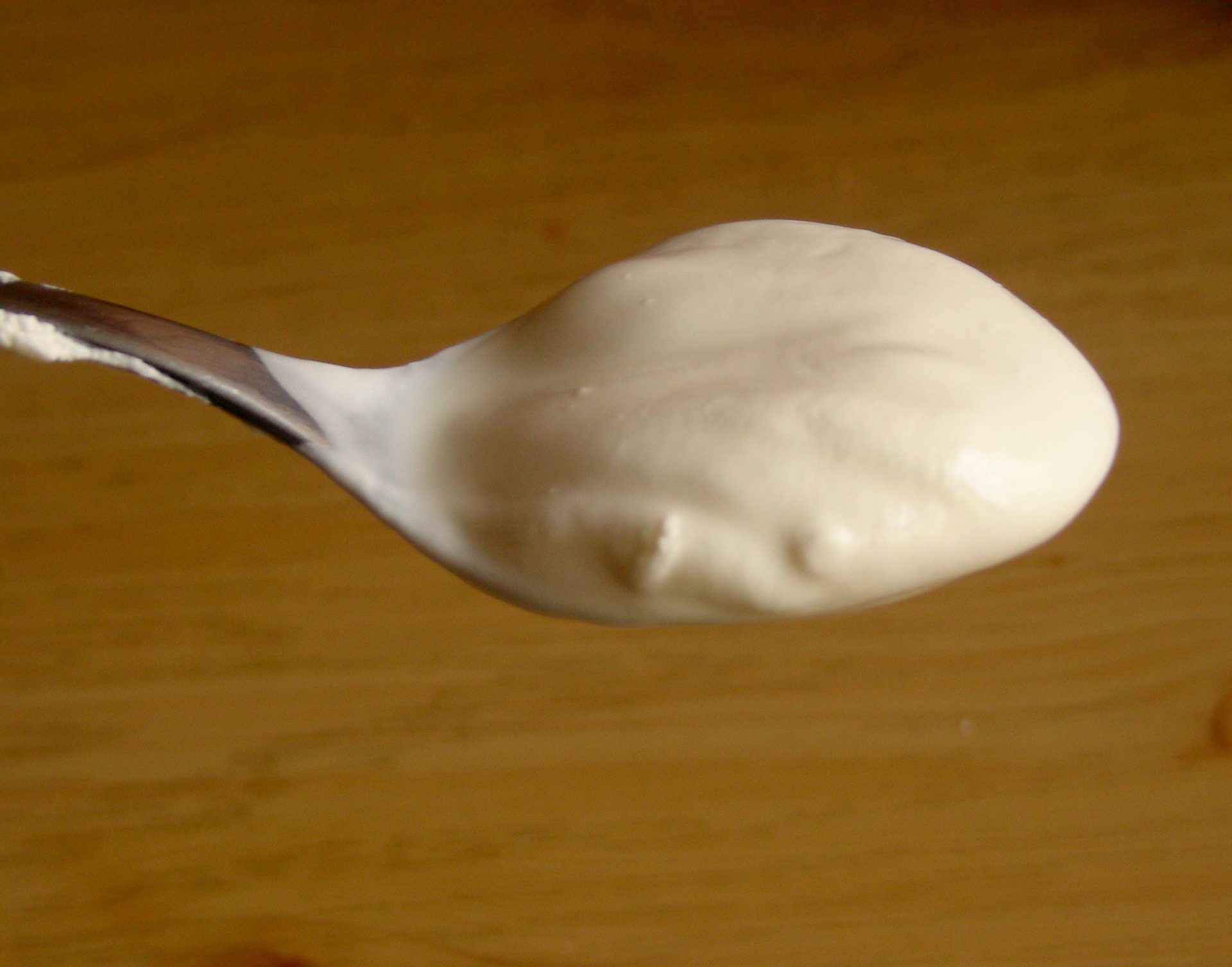
If you have half a carton of heavy cream sitting in your fridge with only a few days left before it turns, the freezer can be your best friend. Freezing heavy cream is a practical way to cut waste and make sure you always have some on hand for your morning cup.
That said, there are a few things worth knowing before you toss the whole carton in. Texture changes, proper portioning, and the right thawing method all affect how well your frozen heavy cream performs in coffee. This guide covers everything — from how to freeze it correctly to what to do once it thaws.
Can You Freeze Heavy Cream?
Yes, you can freeze heavy cream safely without compromising food safety or functional performance in most cooked or baked applications. That includes adding it to your coffee. It contains at least 35% milk fat, which makes it richer than other dairy products like half-and-half or whole milk — and that high fat content is exactly what makes it more freezer-friendly.
Too often, heavy cream is purchased for a single recipe and what remains lingers in the refrigerator past its expiration date. Freezing lets you reduce waste, preserve every drop, and avoid buying a whole new carton for a single use. For coffee drinkers who only splash a tablespoon or two into their cup, freezing in small portions makes especially good sense.
One important caveat: it’s best to start with heavy cream that is as fresh as possible — don’t freeze cream that’s already past its expiration date. Freezing extends shelf life, but it won’t rescue cream that has already started to turn.
If you use coffee creamer instead of heavy cream, check out this guide on whether you can freeze coffee creamer for a full breakdown of how different creamer types hold up in the freezer.
Does Freezing Change the Texture or Taste of Heavy Cream?
Freezing does not destroy heavy cream’s fat content, nor does it introduce pathogens. However, physical structure changes occur due to ice crystal formation disrupting the emulsion. In plain terms: the cream you pull out of the freezer will look and feel different from what you put in.
When heavy cream freezes, the fat and water components can separate, and ice crystals form. This process can alter the cream’s smooth, uniform texture, making it slightly grainy or curdled once thawed. The good news is that this separation is normal and largely reversible with a good stir or shake.
The taste stays pretty much the same, but the visuals aren’t exactly on point after thawing. For coffee, where the cream gets stirred into a hot liquid anyway, the texture shift is rarely noticeable once it’s mixed in.
Where the texture change really matters is whipping. Frozen-then-thawed heavy cream will not whip as nicely as fresh heavy cream. Ice crystals develop the longer it sits in the freezer, and the added water content prevents the cream from becoming as voluminous as a fresh carton. So if you want whipped cream for your cold brew, use fresh cream — not the frozen stuff.
Pro Tip: If you want frozen heavy cream you can actually whip, whip it first and then freeze the dollops. Frozen whipped cream holds its shape well and can be dropped straight into a hot mug of coffee.
To understand how heavy cream compares to lighter options you might use in coffee, the difference between heavy cream and light cream is worth a quick read.
How to Freeze Heavy Cream the Right Way
The single most important step is portioning. Instead of freezing a whole carton, freeze heavy cream in smaller, usable portions. You can use ice cube trays — each cube is usually 1 to 2 tablespoons — small freezer-safe containers, or freezer bags. For coffee, a 2-tablespoon cube is perfect for a single serving.
Here is a step-by-step method that works well for coffee use:
- Pour into an ice cube tray. Fill the ice cube trays or silicone molds three-quarters of the way full with heavy cream — leave room for expansion or you’ll end up with a mess.
- Freeze until solid. Freeze solid for 4 to 6 hours, then transfer the cubes to airtight freezer bags labeled with the date and volume.
- Leave headspace in any container. Leave a small amount of headspace in containers because cream expands slightly when frozen.
- Label everything. Always label your containers or bags with the date. This keeps you from guessing how long something has been in the freezer.
- Set your freezer temperature correctly. Set your freezer to −18°C (0°F) or colder and verify with a calibrated thermometer. Fluctuations greater than ±1.5°F over 24 hours increase ice recrystallization and worsen separation.
If you have a large quantity to freeze and prefer not to use an ice cube tray, pour out some of the liquid from an unopened carton to leave about 1 inch of space for expansion, then place the cardboard carton into a freezer bag or wrap it in plastic wrap before placing it in the freezer.
For a longer-lasting option, vacuum-sealed pouches remove over 99% of oxygen, inhibiting lipid oxidation. Shelf life extends to about 4 months versus 2 months in standard bags.
Pro Tip: Silicone ice cube trays release frozen cream cubes much more easily than rigid plastic trays. They’re worth the small investment if you plan to freeze cream regularly.
How Long Can You Freeze Heavy Cream?
The USDA FoodKeeper confirms heavy cream can be frozen for 3 to 4 months. However, freezing changes the texture. That 3-to-4-month window is the outer limit for best quality — not an indefinite safety guarantee.
As a general guideline, you can store frozen cream for coffee for up to 3 to 4 months. However, it’s best to use your frozen cream within 2 months for optimal flavor and texture. The longer it sits, the more ice crystals form and the more noticeable the quality decline becomes.
The idea that freezing makes heavy cream last forever is false. While freezing halts bacterial growth, oxidative rancidity progresses slowly even at −18°C. Peroxide values exceed the sensory threshold after about 120 days in standard packaging.
| Storage Method | Estimated Shelf Life | Best Use After Thawing |
|---|---|---|
| Standard freezer bag or container | 2 to 3 months (best quality) | Coffee, soups, sauces |
| Vacuum-sealed pouch | Up to 4 months | Coffee, cooking, baking |
| Refrigerator (opened carton) | Up to 10 days (USDA guideline) | All uses including whipping |
| Ultra-pasteurized, unopened | Up to 60 days refrigerated | All uses including whipping |
How to Thaw Frozen Heavy Cream
The refrigerator is always your best option. To defrost heavy cream, place it in the refrigerator for 24 hours. Freezing changes its texture and it becomes grainy after thawing, so stir the cream to re-integrate the texture.
If you froze your cream in a full carton rather than cubes, plan ahead. Heavy cream frozen directly in the original container takes between 2 to 3 days to thaw in the refrigerator. Give it a good shake before you are ready to use it.
For coffee specifically, you often don’t even need to thaw at all. If you’re planning to use your cream in a hot dish — or coffee — you don’t need to thaw the cubes. Simply remove the cream cubes from the freezer and toss them into your cup. The hot coffee melts the cube in seconds and the cream incorporates naturally with a quick stir.
If you need to speed things up, you can pop a few cubes in a saucepan on the stove or in the microwave and heat in 30-second increments until thawed. Just don’t overheat — you want it liquid, not scalded.
Important Note: Never thaw heavy cream at room temperature. Defrosting cream at room temperature carries a risk of bacteria growth. Always use the refrigerator or drop the frozen cube directly into a hot beverage.
Once thawed, use the heavy cream within one to two days. Don’t let it sit in the fridge for a week after thawing — treat it like fresh-opened cream from that point on.
Can You Refreeze Heavy Cream After Thawing?
No — refreezing thawed heavy cream is not recommended. Do not refreeze previously frozen and thawed heavy cream. It’s more prone to bacteria and may not be safe to consume anymore.
Once frozen, heavy cream should not be re-frozen, so you’ll have to toss whatever can’t be used immediately. This is exactly why portioning before you freeze matters so much. When you freeze in small 2-tablespoon coffee-sized cubes, you only thaw what you need and never have to worry about leftovers going to waste.
Each freeze-thaw cycle also worsens the texture. Thawing and re-freezing cream affects its texture and consistency in ways that are cumulative and irreversible. By the second freeze, the separation and graininess become significantly more pronounced — making it unpleasant even in cooked applications.
If you regularly find yourself with more heavy cream than you can use, consider exploring substitutes for heavy cream that may have a longer shelf life for your everyday cooking needs.
How to Use Frozen Heavy Cream (Best Uses After Freezing)
Thawed heavy cream shines in hot applications where the texture change becomes invisible. For cooking applications like soups, sauces, pasta dishes, and casseroles, frozen and thawed cream works perfectly and the texture difference disappears once it is incorporated into a hot dish.
For coffee specifically, adding a frozen cream cube directly to your hot mug is one of the most convenient uses. Adding it while the beverage is hot — at 140°F or above — encourages re-emulsification. The heat helps the separated fat and water recombine, giving you a smoother result in your cup.
Here are the best ways to use thawed or still-frozen heavy cream cubes:
- Hot coffee or espresso: Drop a cube directly into the cup and stir. No thawing needed.
- Creamy soups and stews: Toss a cube or two into a pot of soup or stew and enjoy.
- Pasta sauces: Thaw first, then stir into your sauce as you would fresh cream.
- Baked goods: Thawed frozen heavy cream works well in baked goods and cooked recipes.
- Scrambled eggs: A tablespoon of thawed cream per egg makes noticeably richer, fluffier scrambled eggs.
- Hot chocolate: Drop a cube straight into the mug for an instant creamy upgrade.
What you should avoid using thawed cream for is anything where texture is the point. Because of the texture change, thawed heavy cream typically will not whip up into stiff peaks. If your goal is whipped cream for topping desserts, it’s best to use fresh, unfrozen cream.
If you’re interested in how dairy and other nutrient-rich foods fit into a broader healthy diet, take a look at this overview of whole plant-based foods for some useful context on building balanced meals.
Signs That Frozen Heavy Cream Has Gone Bad
Even properly frozen cream can go bad, especially if it was stored too long or the freezer temperature fluctuated. Before using any thawed heavy cream in your coffee, run through these quick checks.
Smell: Fresh heavy cream has a mild, slightly sweet, and creamy aroma. If you detect any sour, tangy, acidic, or off-putting smells, it’s a clear sign it’s spoiled. Your nose is the most reliable tool you have here.
Appearance: Watch for discoloration such as yellowish or greenish tints, any fuzzy mold spots, or separation that looks curdled, chunky, or like cottage cheese. Note that some separation after thawing is normal — it should smooth out with a good stir. Separation that doesn’t recombine is a red flag.
Texture: A stringy, ropy, or slimy texture when poured is a clear sign of bacterial spoilage — discard immediately. If the cream has become excessively thick, slimy, or has a grainy texture that doesn’t smooth out with a stir, it’s past its prime.
Freezer burn: Always check for any signs of freezer burn or off-odors when thawing frozen cream. If anything seems off, it’s safer to discard the cream. Freezer-burned cream may still be technically safe, but the flavor will be noticeably flat or stale.
Important Note: Discard opened heavy cream after 10 days, as the USDA recommends, or after 2 to 3 weeks maximum even if it passes the smell test. This applies to thawed cream as well — once it has been defrosted, treat it like freshly opened cream and use it within 1 to 2 days.
Good nutrition starts with ingredients that are fresh and properly stored. For more on foods that support your overall health, explore these guides on superfoods for a healthy heart and foods for healthy skin.
Frequently Asked Questions
Can You Freeze Heavy Cream in the Original Carton?
Yes, but with a modification. Pour out some of the liquid to leave about 1 inch of space in the carton to allow for expansion as it freezes, then place the carton into a freezer bag or wrap it in plastic wrap before placing it in the freezer. Freezing in the original carton makes thawing slower, so plan for 2 to 3 days in the refrigerator.
Can You Add Frozen Heavy Cream Directly to Hot Coffee?
Yes — this is actually one of the most convenient methods. If you’re planning to use your cream in a hot dish or coffee, you don’t need to thaw the cubes. Simply remove the cream cubes from the freezer and toss them into your cup. Stir well and the cube melts quickly into the hot liquid.
Does Frozen Heavy Cream Taste Different in Coffee?
The taste stays pretty much the same, but the visuals aren’t exactly on point after thawing. Once you stir or drop a frozen cube into hot coffee, any graininess disappears and the flavor is nearly identical to fresh cream. Most coffee drinkers won’t notice a difference in their cup.
How Long Does Thawed Heavy Cream Last in the Fridge?
Use the heavy cream within one to two days of thawing. Some sources suggest up to three days, but for coffee use — where you want the best flavor — the sooner you use it after thawing, the better. Don’t let thawed cream sit in the fridge for more than two days.
Can You Freeze Heavy Whipping Cream and Regular Heavy Cream the Same Way?
Yes. Both freeze the same way and respond similarly to thawing. Heavy cream has 35 to 40% butterfat, and heavy whipping cream is very rich and best for taste and texture — but the two can be swapped in most recipes. The same freezing and thawing instructions apply to both.
What Is the Best Container for Freezing Heavy Cream?
Silicone ice cube trays are ideal for coffee use — fill each cavity with 2 tablespoons (30 mL) for perfect single-serving portions. For larger amounts, small wide-mouth mason jars work well — leave half an inch of headspace for expansion, wipe the rim clean, and seal tightly. Avoid narrow-neck bottles, which can crack under expansion pressure.