Can You Freeze Whole Peaches? Everything You Need to Know

October 29, 2026
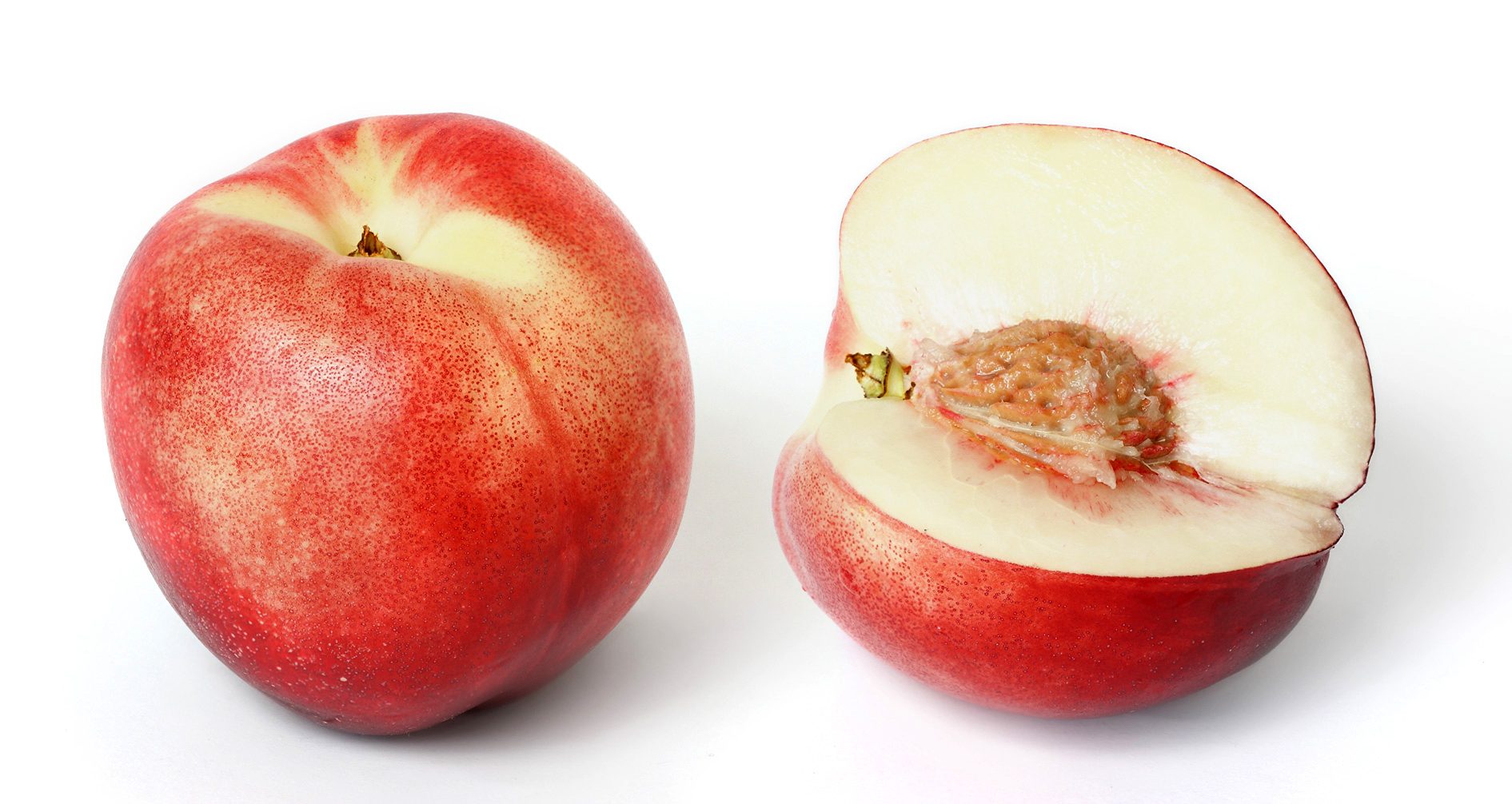
Fresh peaches have a brutally short window. One day they’re perfectly ripe, and two days later they’re soft, bruised, and on their way out. If you’ve ever stared down a bag of peak-season peaches you couldn’t possibly eat in time, you already know the problem. The good news is that your freezer is a reliable solution.
Yes, you can absolutely freeze whole peaches — no peeling, no slicing, no fuss. But there are a few things worth knowing before you toss them in a bag and call it done. This guide walks you through every step, from choosing the right peaches to thawing them properly and knowing when they’ve gone bad.
Can You Freeze Whole Peaches?
The short answer is yes. You can freeze peaches with the skin on, whole, halved, or sliced. Freezing whole peaches is the quickest method — no prep work required beyond washing and drying. It’s a practical option when peach season hits fast and you don’t have time to slice and prep a full batch.
The peach tree, known scientifically as Prunus persica, produces fruit that freezes well thanks to its naturally high sugar content, which helps preserve flavor during long-term cold storage. Canning peaches can extend their shelf life significantly and offers a different flavor profile, but it requires more preparation and can alter the texture. Freezing is generally simpler and preserves the fresh taste and texture better, making it a popular choice for many home cooks.
One practical note: the downside of freezing peaches whole is that you have to wait for the entire peach to defrost before you can remove the pit. If you plan to use them in smoothies or quick recipes, sliced or halved peaches give you more flexibility. But for a no-effort preserve-now-deal-with-it-later approach, whole freezing works well.
Pro Tip: Freestone peach varieties are easier to work with after freezing. Freestone peaches separate easily from the pit, making them a popular choice due to their preparation convenience and superior texture after thawing.
Does Freezing Change the Texture or Taste of Whole Peaches?
Flavor holds up well. Texture does not — and it’s worth setting expectations before you freeze a full bushel. Like all frozen fruit, the texture of frozen peaches is different than that of fresh. But they hold their flavor, and that’s the most important part.
When a peach freezes, the water inside its cells expands and forms ice crystals. Rapid freezing can prevent the loss of water from the plant cell through osmosis, while slower freezing rates allow adequate time for water to migrate from the cell, resulting in greater drip loss for slowly frozen fruits. Because of the cell wall damage during freezing, water does not return to the cells upon thawing but instead becomes drip loss. That drip loss is why thawed peaches feel softer and juicier than fresh ones.
Whole peaches, in particular, tend to turn quite soft once fully thawed. These peaches would only be useful for cobblers, pies, or other cooking. Flavor was good but texture was lacking. If you want to enjoy them more like fresh fruit, eat them while still partially frozen — the firmer texture holds up much better at that stage.
While freezing minimizes loss of nutrients and slows enzymatic browning, browning still occurs during freezing and thawing. Using lemon juice or a fruit-preserving product before freezing helps reduce this discoloration significantly.
How to Freeze Whole Peaches the Right Way
Getting good results starts with choosing the right fruit. If you’re freezing fresh, uncooked fruit, you want it to be ripe but still firm — not already so soft as to be on a downhill slide. Overripe peaches will turn to mush in the freezer. Peaches not ripe enough won’t deliver sufficient flavor, while those too ripe can turn into mush upon thawing.
Here’s how to freeze whole peaches with the best results:
- Wash and dry thoroughly. Peaches need proper cleaning before freezing to get rid of dirt or chemicals. Rinse under cool running water and pat completely dry. Any moisture left on the skin can cause ice crystals to form and lead to freezer burn.
- Flash freeze on a baking sheet. Lay the peaches out in a single layer on a parchment paper-lined baking sheet. Freeze until solid, about 4–8 hours — around 8 hours for whole peaches. This step keeps them from clumping together in the bag.
- Transfer to airtight freezer bags. Stow peaches in containers that seal tightly, ensuring all excess air is expelled to prevent freezer burn. Press out as much air as possible before sealing.
- Label with the date. Write what it is and when you put it in the freezer. This makes it easy to track how long they’ve been stored.
Pro Tip: If you’re worried about the peaches browning while they freeze, add lemon juice to the peaches before freezing — about 1 tablespoon of lemon juice per pound of peaches. You can also use a product like Ball Fruit Fresh, which works the same way.
If you want to peel the peaches before freezing, there’s an easy trick. Score the skins lightly with an “X,” then drop the fruits into a pot of boiling water for about half a minute, then into a bowl of ice water to make the skins easy to rub off. Alternatively, you can skip this step entirely — the skin on frozen peaches is fine to eat, and if you want peeled peaches, just run the frozen peaches under water for a few seconds, and the skin should slip right off.
For more guidance on preserving whole plant-based foods at home, including fruits and vegetables, it helps to understand general storage principles that apply across produce types.
How Long Can You Freeze Whole Peaches?
Properly stored, frozen peaches will maintain best quality for about 12 months in the freezer, although they will usually remain safe to eat after that. Most food storage experts agree on this range. Stone fruits, including peaches, plums, and cherries, can be frozen and stored for varying durations — when frozen correctly, they can last for around 6 to 12 months.
The key phrase is “best quality.” Frozen peaches that have been kept constantly frozen at 0°F will keep safe indefinitely, as long as they have been stored properly and the package is not damaged. Safety and quality are two different things, though — after 12 months, flavor and texture will decline noticeably even if the peaches are technically safe.
| Storage Method | Expected Shelf Life | Quality Notes |
|---|---|---|
| Whole frozen (no sugar) | 6–12 months | Good flavor; softer texture after thawing |
| Sliced frozen with lemon juice | 10–12 months | Best color retention; versatile for recipes |
| Frozen in sugar syrup | Up to 12 months | Enhanced sweetness; more liquid after thawing |
| Refrigerator (fresh, ripe) | 3–5 days | Best texture; use quickly |
The quality of your peaches will gradually decline in the freezer, so it’s best to use them within the recommended timeframe for the best taste and texture. Aim to use whole frozen peaches within 6–12 months for the best results in cooking and baking.
How to Thaw Frozen Whole Peaches
How you thaw peaches matters almost as much as how you freeze them. The method you choose depends on what you plan to do with them.
Refrigerator thaw (best for most uses): For a more controlled thaw, place the frozen peaches in the refrigerator overnight. This slower thawing process helps preserve their texture and flavor better than a quick thaw at room temperature. Plan ahead by transferring the bag the night before you need them.
Cold water thaw (faster option): Submerge the sealed freezer bag in cool water, changing the water every so often until the peaches reach the desired texture. This method works well when you need peaches in a couple of hours rather than overnight.
Straight from frozen (for smoothies and baking): The best thing about freezing peaches without added liquid or sugar is that you can use them as you would fresh peaches. There’s no need to thaw beforehand — simply take the amount you need, then return the rest to the freezer.
Important Note: The USDA advises against keeping sliced peaches at temperatures above 40°F for more than 2 hours. Don’t leave thawed peaches sitting on the counter — move them to the refrigerator or use them right away.
Once thawed, expect the peaches to be noticeably softer and juicier than fresh. Different thawing techniques produce varied outcomes: slow thawing in a fridge helps keep firmness intact; quick thawing in cold water works well for instant use but may slightly change the texture.
Can You Refreeze Whole Peaches After Thawing?
Technically yes, but you’ll sacrifice quality every time you do it. While it’s safe to refreeze thawed frozen fruits and vegetables, it may affect their texture and quality. It’s best to only thaw the amount you plan to use and consume it within a few days for optimal taste and texture.
While it’s true that refreezing thawed vegetables may impact their texture, they are still safe to refreeze if kept cold and handled properly. Just keep in mind that the quality may diminish with each cycle of freezing and thawing. The same principle applies to peaches — each freeze-thaw cycle breaks down the cell structure further, leaving you with mushier, less flavorful fruit.
The smarter approach is to freeze peaches in portions you’ll actually use at one time. If you’re making a cobbler, freeze in 2–3 cup portions. If smoothies are your main use, freeze in single-serving bags. This way, you pull out exactly what you need and never have to refreeze.
How to Use Frozen Whole Peaches (Best Uses After Freezing)
Frozen peaches shine in cooked and blended applications. Because the texture softens after thawing, they’re not ideal for fresh eating or fruit salads — but they work beautifully in a long list of recipes.
Smoothies: In smoothies, slushies, or frozen desserts, use peaches directly from the freezer without thawing. This ensures your final product has a thick, cold consistency without needing additional ice. The skin is fine to blend — it adds fiber and you won’t notice it in a smoothie. Peaches pair especially well with ingredients found in heart-healthy foods like spinach, flaxseed, and berries.
Baked goods: Frozen peaches go directly into cobblers, crisps, pies, and muffins without thawing. From experience, they work great for pies, cobblers, and crisps — not too mushy. They even slice quite nicely when they’re still a tad bit frozen.
Jam and preserves: Frozen fruit works great for jam, and freezing your peaches first gives you more flexibility for when you do your jamming. This is a great way to make peach jam on a cool fall day using summer fruit.
Sauces and compotes: Simmer thawed peaches with a little sugar, lemon juice, and cinnamon for a simple topping for pancakes, yogurt, or ice cream. The soft texture after thawing is actually an advantage here — the peaches break down quickly and evenly.
Oatmeal and overnight oats: Mix frozen peaches into overnight oats — take any overnight oats recipe and add some chopped peaches for a fruity boost. You can stir them in frozen and let them thaw overnight in the refrigerator.
Pro Tip: After thawing, sprinkle the peaches with a bit of sugar and let them sit for a few minutes. This can help enhance their natural sweetness and improve their flavor, making them taste closer to fresh peaches.
Peaches are also a naturally nutritious fruit. If you’re interested in how specific foods support overall wellness, explore the connection between healing foods and hormonal health or learn about foods that promote healthy skin — peaches, with their vitamin C and antioxidant content, appear in both categories.
Signs That Frozen Whole Peaches Have Gone Bad
Frozen peaches don’t spoil the same way fresh ones do, but they can degrade in quality to the point where they’re not worth eating. Here’s what to look for before using them.
- Freezer burn: If dry spots or discolorations have developed on the frozen peaches, freezer burn has begun to set in — this will not make the frozen peaches unsafe to eat, but it will harm the texture and taste. You can cut away heavily affected areas, but widespread freezer burn means the batch is best discarded.
- Excessive ice crystals: Ice crystals forming on the fruit can also indicate freezer burn, which affects the fruit’s quality. A light frost is normal, but a thick layer of ice suggests temperature fluctuations have damaged the fruit.
- Off smell after thawing: A change in smell is a clear sign that frozen fruit has gone bad. Fresh fruit has a pleasant, natural aroma, while spoiled fruit may emit an off or sour smell. Always trust your sense of smell when assessing the freshness of frozen fruit.
- Unusual texture after thawing: Spoiled fruit may feel mushy, slimy, or excessively dry. Some softness is expected after thawing, but a slimy or disintegrated texture is a sign the fruit has broken down beyond normal.
- Mold or dark spots: A peach has gone bad if it has an off-putting odor, or if it’s badly discolored and mushy. Mold on the skin or around the stem can also indicate spoilage.
Signs of spoilage in frozen fruits include excessive ice crystals, freezer burn, discoloration, and off-odors. If you notice any of these signs or if the produce has been stored for longer than the recommended shelf life, it’s best to discard it.
Staying on top of your freezer stock helps. Label every bag with the freeze date, and rotate older bags to the front. Following a first-in, first-out approach means you’ll always use peaches at their best quality window. For more on making smart choices about nutrient-dense foods and proper storage, understanding how freezing affects food quality is a useful starting point.
Frequently Asked Questions
Do you need to blanch peaches before freezing them whole?
No, blanching is optional. Blanching peaches briefly in boiling water, followed by plunging them into ice water, is a step that enhances their color and texture during freezing. However, many home cooks skip it entirely when freezing whole peaches and still get good results, especially if they plan to use the peaches in cooked recipes.
Can you freeze peaches with the skin on?
Yes. The skin on frozen peaches is fine to eat. If you want peeled peaches, just run the frozen peaches under water for a few seconds, and the skin should slip right off. Leaving the skin on is the easiest approach and works well for smoothies and baked goods.
How do you prevent frozen peaches from browning?
By coating the peaches with a bit of lemon juice before freezing, the fruit maintains its color and quality without added sugar. You can also use ground vitamin C (as Alton Brown suggests), or use a fruit-preserving product such as Ball’s Fruit Fresh in place of the lemon juice.
Can you freeze peaches without sugar?
Absolutely. Preserving peaches by freezing them without sugar retains their natural sweetness and health benefits. Sugar-free freezing keeps the fruit’s integrity intact, making it suitable for health-focused people. You can always add sweetener when you use them in recipes.
What’s the best way to store frozen peaches to prevent freezer burn?
Using airtight containers or vacuum-sealed bags helps to prevent air exposure, which can cause freezer burn. Properly sealed packaging also prevents the absorption of odors from other foods in the freezer. Remove as much air as possible before sealing, and store at a consistent 0°F.
Can you use frozen peaches in place of fresh in most recipes?
For cooked and blended recipes, yes. You can technically use frozen peaches in salads or for grilling if you thaw them first. However, since the texture of fresh peaches tends to be a bit firmer, it’s recommended to use fresh peaches for those applications if you’re able to find them. Stick to cooked recipes, smoothies, and baked goods for the best results with frozen peaches.
If you enjoy exploring how food choices affect your health and daily life, you might also find value in reading about foods that support liver function or foods that promote healthy eyesight — both of which include fruit-forward eating patterns similar to what you’d find in a peach-rich diet.