Can You Freeze Cooked Bell Peppers? Everything You Need to Know

October 30, 2026
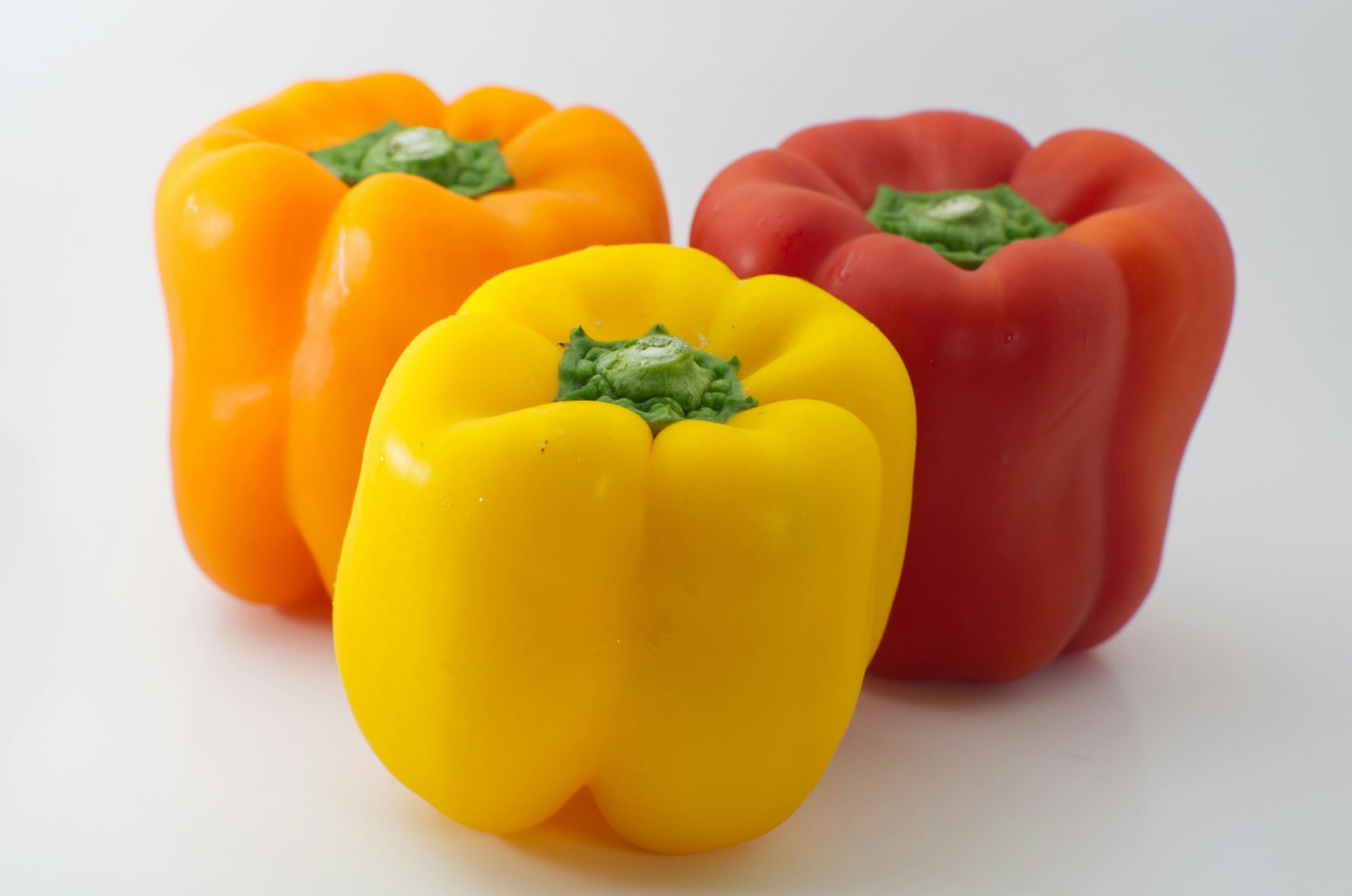
Cooked bell peppers are one of those leftovers that seem to pile up fast — a half-batch of fajita filling here, some sautéed strips there. Tossing them feels wasteful, but you may not be sure they’re worth saving. The good news is that freezing cooked bell peppers works well, and the process is simpler than most people expect.
Whether you have leftover stir-fry peppers, roasted slices, or stuffed pepper filling, this guide walks you through exactly how to freeze them properly, how long they’ll keep, and the smartest ways to put them to use once they come out of the freezer.
Can You Freeze Cooked Bell Peppers?
Yes, you can absolutely freeze cooked bell peppers. Bell peppers are one of the few vegetables that freeze well, and with just a little prep, you can have them ready to add to soups, stir-fries, fajitas, and other cooked dishes all year long. That applies whether the peppers were roasted, sautéed, grilled, or simmered in a sauce.
Freezing preserves food for extended periods because it prevents the growth of microorganisms that cause both food spoilage and foodborne illness. Freezing to 0°F inactivates bacteria, yeasts, and molds present in food. So from a food safety standpoint, cooked bell peppers are a solid candidate for the freezer.
The one thing to keep in mind is that cooked peppers will come out softer than they went in. That’s completely normal, and as long as you plan to use them in cooked dishes, it won’t be a problem at all. According to the USDA, freezing fresh produce does not destroy nutrients, so your frozen peppers will still be high in vitamin C.
Pro Tip: If you’re planning to freeze bell peppers that were cooked as part of a larger dish — like chili or a casserole — portion them into meal-sized amounts before freezing. You’ll only thaw what you need and avoid waste.
Does Freezing Change the Texture or Taste of Cooked Bell Peppers?
Texture is the main thing that changes when you freeze bell peppers, whether raw or cooked. Frozen peppers soften after thawing because freezing breaks down their cell structure. While they lose some crispness, they still retain their flavor and color. Since your peppers were already cooked before freezing, the texture shift is less dramatic than it would be for raw peppers — they were already tender going in.
Peppers lose their crispy crunch after being frozen, so they work best in cooked recipes. Despite the texture change, they still pack a peppery punch. The sweetness and bright pepper flavor hold up well through the freezing and thawing process, which makes them worth saving.
Don’t plan on using frozen peppers for a crudité platter, but they’re a wonderful convenience for soups, stews, casseroles, stir-fries, and any other cooked use. If your recipe involves heat, frozen cooked bell peppers will fit right in. You can also read about how freezing works for other vegetables like fresh zucchini to get a better sense of what to expect across the board.
How to Freeze Cooked Bell Peppers the Right Way
The steps below apply whether your peppers were sautéed, roasted, grilled, or cooked as part of a recipe. The key priorities are cooling them completely, removing excess moisture, and sealing out air.
- Cool completely first. Allow the cooked peppers to cool completely before freezing. Placing warm food in the freezer raises the internal temperature, which can affect other foods nearby and lead to ice crystal formation inside the bag.
- Drain off excess liquid. Cooked peppers often release moisture. Pat them dry with a paper towel or drain them in a colander before packing. Excess liquid leads to a soggier result after thawing.
- Flash-freeze for easy portioning (optional but recommended). Spread the peppers in a single layer on a clean cookie sheet and freeze for about an hour until solid. This method — called tray freezing — lets you transfer them to a freezer bag while keeping pieces separated for easy measuring.
- Transfer to freezer-safe bags or containers. Transfer the cooled peppers to freezer-safe plastic or reusable silicone bags, remove the excess air, seal them tightly, and freeze.
- Label with the date. Write the contents and date on the bag. This makes it easy to track how long they’ve been stored and use the oldest portions first.
Pro Tip: Remove as much air as possible when freezing — cold freezer air can lead to dry, freezer-burnt peppers, so use heavy-duty freezer bags. A straw can help you suck out the last bit of air before sealing.
How Long Can You Freeze Cooked Bell Peppers?
Cooked bell peppers stored properly in the freezer will stay safe to eat indefinitely at 0°F, but quality is a different story. Only quality suffers with lengthy freezer storage. For the best flavor and texture, you’ll want to use them within a reasonable window.
| Storage Method | Recommended Timeframe | Notes |
|---|---|---|
| Freezer (airtight bag or container) | 6–8 months for best quality | Safe beyond this, but texture and flavor decline |
| Freezer (flash-frozen, well-sealed) | Up to 10–12 months | Best results when air is fully removed |
| Refrigerator (after thawing) | 3–5 days | Use promptly; do not refreeze after this point |
For best quality and highest nutrient retention, frozen peppers should be eaten within six to eight months. Using them within three months gives you the freshest taste and best texture — the sooner you use them, the better they’ll be.
Bell peppers are a nutritious vegetable worth preserving. If you’re interested in how specific foods support your health, take a look at these superfoods for a healthy heart and foods that promote healthy eyesight — bell peppers appear in both categories thanks to their vitamin C and carotenoid content.
How to Thaw Frozen Cooked Bell Peppers
How you thaw your peppers depends on how you plan to use them. In many cases, you don’t need to thaw them at all.
- Straight from frozen (best for most uses): Frozen peppers are soft after thawing, so going straight from the freezer into the pan works well. Cooking from frozen actually preserves more texture than thawing first. Add them directly to soups, stir-fries, or sauces without defrosting.
- Refrigerator thaw (overnight): To defrost frozen peppers, place them in the refrigerator. This is the safest method and works well if you need them thawed for a specific recipe the next day.
- Cold water method (quick thaw): If you’re short on time, place the peppers (bag and all) in a bowl of cool water. Once they’re soft to the touch, they’re ready to use.
Important Note: Once thawed, microbes that were inactivated by freezing can become active again and multiply under the right conditions. Handle thawed peppers the same way you would any perishable food — use them promptly and don’t leave them at room temperature for extended periods.
Can You Refreeze Cooked Bell Peppers After Thawing?
Refreezing is possible in certain circumstances, but it’s not something to make a habit of. Refreezing is not recommended because quality and texture degrade significantly with repeated freezing and thawing. Cooked bell peppers are already softer than raw ones — a second freeze-thaw cycle will push them toward mushy territory.
From a food safety standpoint, the USDA offers some guidance. If food still has ice crystals or is as cold as if it were in a refrigerator (40°F), it is safe to refreeze. It’s not necessary to cook raw foods before refreezing. However, discard foods that have been warmer than 40°F for more than 2 hours.
The practical takeaway: if your cooked peppers thawed in the refrigerator and you haven’t left them out, you can technically refreeze them — but expect a noticeable drop in quality. A better approach is to freeze them in small portions from the start so you only pull out what you need. This also pairs well with a broader approach to whole plant-based food storage if you’re batch-cooking vegetables regularly.
How to Use Frozen Cooked Bell Peppers (Best Uses After Freezing)
Frozen bell peppers can be used interchangeably with fresh bell peppers in any recipe that requires cooking. Some of the best ways to use them are in soups, stews, fajitas, stir-fries, and omelets. Since they’re already cooked, they need less time in the pan than fresh peppers would.
Here are the best ways to put them to work:
- Soups and stews: Frozen bell peppers are a great addition to soups and stews — they release their juices and infuse the dish with sweet and tangy flavors, working well in hearty vegetable soups or a comforting chili.
- Stir-fries: Frozen bell peppers are perfect for adding color and flavor to a stir-fry — toss them into the pan with other vegetables, proteins, and your sauce, and cook until heated through.
- Casseroles and baked dishes: Frozen bell peppers can easily be incorporated into cheesy casseroles or baked pasta dishes, adding a burst of flavor and extra texture.
- Egg dishes: Add them directly to scrambled eggs, frittatas, or breakfast burritos straight from the freezer — the heat from the pan does the work.
- Pasta sauces and rice dishes: Stir them into marinara, tomato-based sauces, or Spanish rice during the last few minutes of cooking.
- Fajitas and tacos: Reheat in a hot skillet with onions and your choice of protein for a quick weeknight meal.
Cook them exactly as you would if they were fresh, but allow for slightly more cooking time. Because the peppers are already softened from both cooking and freezing, they’ll heat through quickly. Bell peppers are also rich in nutrients that support overall wellness — see how they fit into a broader fibroid-healing food plan or a diet focused on understanding freezer storage and food quality .
Signs That Frozen Cooked Bell Peppers Have Gone Bad
Frozen cooked bell peppers don’t spoil the way fresh ones do, but they can degrade in quality — and in some cases, they should be discarded. Here’s what to look for before using them.
| Sign | What It Means | What to Do |
|---|---|---|
| Heavy ice crystals or frost inside the bag | Freezer burn from air exposure or temperature fluctuation | Safe to eat but trim affected areas; flavor may be dull |
| Dull, shriveled, or discolored appearance | Moisture loss from freezer burn | Quality issue only — safe to use in cooked dishes |
| Off or sour smell after thawing | Possible spoilage | Discard immediately |
| Mold visible after thawing | Spoilage | Discard immediately |
| Slimy or sticky texture after thawing | Bacterial growth | Discard immediately |
Any food stored in a freezer is subject to freezer burn. Because it’s caused by dehydration, foods with a higher water content like produce tend to be more affected. Bell peppers have a relatively high water content, so proper air removal when sealing is especially important.
Frozen vegetables affected by freezer burn may appear more dull, dry, or shriveled. This is a quality issue, not a safety one — but if you also notice a bad smell or visible mold after thawing, don’t hesitate to throw them out. When in doubt, trust your nose. A pepper that smells off after thawing should not be eaten. For more on how food quality and nutrition intersect, check out this guide to powerful nutrients found in everyday foods.
Frequently Asked Questions
Do cooked bell peppers need to be blanched before freezing?
No. The National Center for Home Food Preservation confirms that peppers are among the few vegetables that freeze successfully without blanching. Since your peppers are already cooked, this step is completely unnecessary.
Can you freeze stuffed bell peppers after cooking?
Yes. Cooking stuffed peppers entirely before freezing is a practical method for stocking up on ready-to-heat meals. Cook the recipe completely, let the peppers cool, then place them into airtight containers and freeze.
Can you cook frozen bell peppers without thawing?
Yes — bell peppers can be cooked straight from frozen. This is actually the preferred method for most cooked applications, since it helps preserve what texture remains.
How long do cooked bell peppers last in the fridge before freezing?
Cooked bell peppers keep in the refrigerator for 3 to 5 days when stored in an airtight container. If you know you won’t use them within that window, freeze them the same day you cook them for the best results.
Can you freeze bell peppers of all colors?
Yes. Red, yellow, orange, and green bell peppers all freeze using the same method. Color does affect shelf life slightly — green peppers are harvested earlier and have a firmer cell wall, so they hold up marginally better than fully ripened red, orange, or yellow varieties. The difference is minor, and all colors freeze well for cooked applications.
What’s the best container for freezing cooked bell peppers?
Heavy-duty freezer bags with the air pressed out are the most practical option for most home cooks. Rigid airtight containers also work well and stack easily. Avoid regular storage bags or containers not rated for freezer use — they allow more air in and accelerate freezer burn. You can learn more about smart food storage by exploring guides on liver-supporting foods and skin-healthy foods to build a well-rounded approach to eating and preserving fresh produce.