
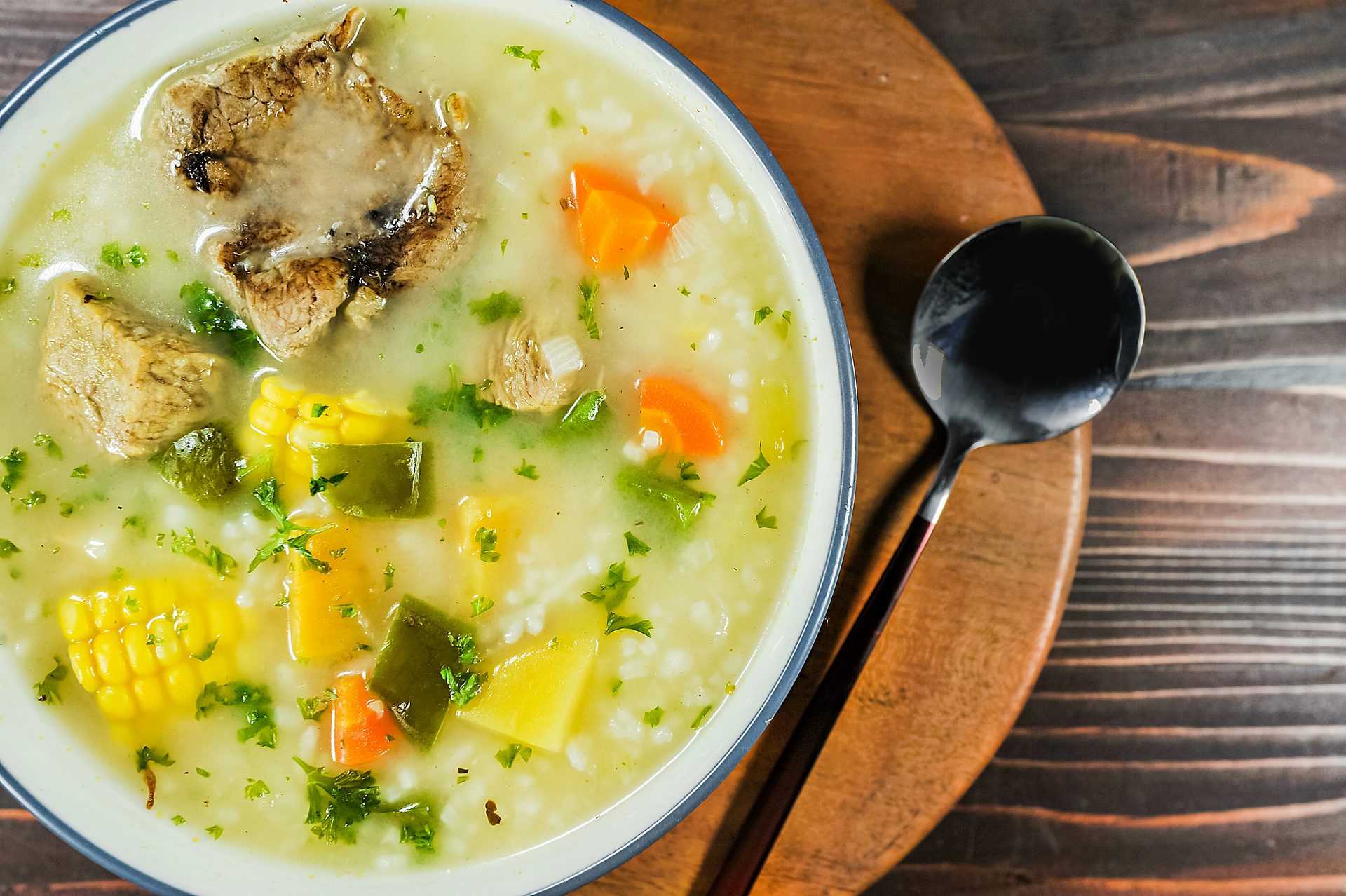
Vegetable soup is one of the best meals to make in big batches — it’s filling, budget-friendly, and gets better as the flavors meld. But once you add potatoes to the pot, a common question comes up: can you actually freeze it without ending up with a grainy, watery mess when you reheat it?
The short answer is yes, you can freeze vegetable soup with potatoes in it — but how well it holds up depends on a few key factors, including the form of the potatoes, the base of the soup, and how carefully you freeze and thaw it. This guide walks you through everything you need to know to do it right.
Can You Freeze Vegetable Soup with Potatoes in It?
Yes, vegetable soup freezes very well and is one of the most freezer-friendly soups. The challenge specifically with potatoes comes down to their starch content. Potatoes contain starch that absorbs liquid during freezing and releases it unevenly upon thawing, creating a grainy or spongy texture.
That said, not all potato situations are equal. Soups that contain large chunks of potato are the most problematic — the pieces change texture in the freezer and become mealy and unpleasant to eat. Interestingly, soups that contain puréed potato freeze quite well. So if your vegetable soup has diced or chunked potatoes, you can still freeze it — you just need to manage expectations and use a few smart techniques.
Vegetables like carrots, leeks, squash, beans, lentils, and tomatoes hold their texture and flavor after freezing, making vegetable soup ideal for meal prep and batch cooking. The potato is really the one variable that needs special attention.
Pro Tip: If you’re making a big batch specifically to freeze, pull out the portion you plan to freeze before the potatoes are fully cooked. Potatoes that were already soft before freezing turn to mush. Slightly undercooking potatoes — about 75% done — before freezing helps them hold up better after thawing.
Does Freezing Change the Texture or Taste of Vegetable Soup with Potatoes?
Yes — freezing does affect texture, and it’s worth knowing what to expect before you open that container. When food is frozen, ice crystals form within its cells. As those crystals grow, they burst the cell walls that give foods their structure and texture.
The freezing and thawing process can affect the texture of ingredients kept whole in a soup, like chunks of vegetables. Potatoes are very starchy and can turn mushy when defrosted. In a chunky vegetable soup, this means your potato pieces may soften considerably and lose their shape after thawing.
Flavor also takes a minor hit. The freezing process can dull flavor; toppings like bacon bits, shredded cheese, or chopped herbs can add freshness and depth of flavor to your soup and bring it back to life. A quick taste and seasoning adjustment while reheating goes a long way.
The good news: the broth and most other vegetables in a standard vegetable soup come through freezing in good shape. Broth-based soups are the easiest soups to freeze — they retain their flavor and texture exceptionally well. So as long as your vegetable soup isn’t cream-based, the overall result after thawing is still quite good.
How to Freeze Vegetable Soup with Potatoes the Right Way
Getting this right comes down to a few non-negotiable steps. Skip any one of them and you’re more likely to end up with a watery, unappetizing result.
- Cool it completely first. Always wait until the soup is entirely cooled down before freezing. You can speed this process by dividing it into smaller portions. Letting it cool completely helps prevent bacterial growth both in the soup itself and in any food around the soup in the freezer.
- Use an ice bath for faster cooling. Pour hot soup into a wide, shallow baking dish, stir occasionally, and submerge the dish in an ice-water bath with water reaching halfway up the sides. Stir until the soup reaches 70°F — typically 20–30 minutes.
- Choose the right containers. Airtight containers are non-negotiable. Glass or BPA-free plastic containers with secure lids prevent freezer burn and odor absorption. Alternatively, heavy-duty freezer bags work well, especially when laid flat to save space.
- Leave headspace. Leave some headspace at the top to allow for expansion during freezing — about an inch of space helps prevent containers from cracking.
- Label everything. Label the containers with the date for easy tracking and lay them flat in the freezer to save space and ensure even freezing.
- Store toward the back of the freezer. Place containers toward the back of the freezer where temperature is most consistent, and avoid freezer door storage where temperature fluctuates.
Pro Tip: Air is the enemy of frozen food, allowing its moisture room to escape (freezer burn) and watering down your soup when it’s thawed. A zipper-lock freezer bag is a great option — you can press most of the air out of the bag and it saves space in the freezer.
If your vegetable soup contains any dairy — like cream or milk stirred in at the end — hold that back before freezing. Dairy does not freeze well. Freezing damages the fat molecules, which can make your soup split and become grainy when defrosted. The fix is simple: just omit the dairy when initially preparing the soup for the freezer. You can stir it in when you reheat.
Need ideas for what to serve alongside your soup once it’s thawed? Check out this guide on what to serve with vegetable soup for some great pairing ideas.
How Long Can You Freeze Vegetable Soup with Potatoes?
For best quality, aim to use your frozen vegetable soup within three months. The National Center for Home Food Preservation confirms that properly frozen soups maintain best quality for 2–3 months, though they remain safe indefinitely when kept at 0°F.
Here’s a practical breakdown of what to expect at different storage durations:
| Freezer Duration | Quality Expectation | Notes |
|---|---|---|
| 0–3 months | Near-fresh quality | Best window for soups with potatoes |
| 3–6 months | Slight texture changes | Still good for broth-based, dairy-free versions |
| 6–9 months | Noticeable degradation | Possible freezer burn; use only if well-packaged |
| 9+ months | Significant quality loss | Best to discard |
Store potato soup for about 2 to 3 months for best quality. While it may remain safe to consume beyond this time, the texture and flavor may change over longer periods. If you plan to freeze a large batch, consider portioning it into single-serving containers so you only thaw what you need each time.
If you ever need to send frozen soup to someone, the guide on how to ship frozen food covers safe packing methods worth knowing.
How to Thaw Frozen Vegetable Soup with Potatoes
How you thaw your soup matters just as much as how you freeze it. The wrong method can make the potatoes break down even further or create food safety issues.
Refrigerator thawing (best method): Place the container of frozen soup in the fridge and allow it to thaw slowly and evenly over 24 to 48 hours. Place the container on a plate or in a bowl to catch any potential condensation. This is the safest method and gives the potatoes the best chance of holding their texture.
Cold water thawing (faster method): Fill a large bowl or sink with cold water. Place the frozen soup in a leak-proof, freezer-safe bag or container and submerge it in the cold water. Change the water every 30 minutes to maintain a consistent temperature. Thawing time may vary but can take around 1 to 3 hours.
Microwave thawing: If frozen in a plastic or glass container, you can thaw it in the microwave, as long as the container is microwave-safe. Use the defrost setting and stir frequently to avoid uneven heating. Avoid microwaving directly from frozen, as this unevenly heats the soup, causing potatoes to break down.
Important Note: Never thaw at room temperature — this creates dangerous temperature zones where bacteria multiply rapidly. The USDA’s food safety guidelines identify 40°F–140°F as the “danger zone” for bacterial growth.
Once thawed, reheat the soup gently on the stovetop over medium-low heat, stirring occasionally. Aim for an internal temperature of 165°F (74°C) to ensure safety without overcooking.
Can You Refreeze Vegetable Soup with Potatoes After Thawing?
It’s best to avoid refreezing vegetable soup with potatoes after it has been thawed. Freezing soup more than once tends to affect the taste and texture too much. Each freeze-thaw cycle causes more ice crystals to form, further breaking down the potato cells and degrading the broth’s quality.
If the soup was defrosted in the fridge, you could technically refreeze it — but the biggest issue is the effect this has on the texture. If the soup was defrosted on the countertop, do not refreeze it.
The best way to avoid this situation is to freeze in individual portions from the start. Only defrost the amount of soup you need. You can do this by freezing your soup in smaller portion sizes. That way, you never have to deal with leftover thawed soup you can’t finish.
How to Use Frozen Vegetable Soup with Potatoes (Best Uses After Freezing)
Thawed vegetable soup with potatoes is still a versatile, satisfying meal — you just may want to adjust how you use it based on how the texture held up.
- Serve as-is with fresh toppings. A sprinkle of fresh herbs, a drizzle of good olive oil, or a handful of shredded cheese added right before serving can refresh the flavor considerably. Don’t forget to taste the soup when reheating and adjust seasonings as necessary.
- Blend it into a smooth soup. If you end up with a softer version after thawing, potatoes and other softer vegetables can turn quite mushy — but you can always make it into a cream soup when you defrost it. An immersion blender works perfectly for this.
- Use it as a base for a stew. Add cooked beans, shredded rotisserie chicken, or extra vegetables to bulk it up into a heartier meal.
- Serve over rice or grains. If the broth has thinned out a bit, ladling the soup over cooked rice or barley soaks up the extra liquid and makes for a filling bowl.
- Pair it with a great side. Warm crusty bread, a grilled cheese sandwich, or a simple green salad rounds out the meal. See more ideas in this guide on sides for potato dishes for inspiration.
If you end up with a grainy texture after thawing, blend the soup with an immersion blender after reheating — the friction creates heat that helps re-emulsify it. This simple fix saves many batches that would otherwise be disappointing.
Signs That Frozen Vegetable Soup with Potatoes Has Gone Bad
Even properly frozen soup can go bad, especially if it was stored too long or had a temperature fluctuation in the freezer. Here’s what to look for before you reheat a container.
| Warning Sign | What It Looks Like | What to Do |
|---|---|---|
| Color change | Dark spots on potato pieces or discolored broth | Discard — color changes indicate spoilage |
| Off smell | Sour, musty, or fermented odor after thawing | Discard immediately |
| Slimy texture | Film on top of soup or slimy vegetables | Discard — do not taste test |
| Visible mold | Fuzzy spots on soup surface or container rim | Discard the entire container |
| Severe freezer burn | Icy, grayish patches; dry, shriveled vegetables | Safe to eat but flavor will be poor |
Spoiled potato soup will have a few clear tell-tale signs. It will start to look different — if your soup has changed color, that’s a sign it has gone off. You’ll also notice a slimy film on top of the soup, and there might be signs of mold.
Another giveaway is smell. If the soup has a change of aroma with a sour, musty smell, it has probably gone bad. When in doubt, throw it out — no frozen meal is worth a foodborne illness.
It’s also worth distinguishing normal texture changes from actual spoilage. The best way to check texture is to thaw a small portion of the frozen soup, then check the chunks of potatoes and overall consistency. If the soup appears slimy, has a mushy or grainy texture, or separates into clumps, it is likely spoiled. Note that some graininess in the potatoes is a normal result of freezing — but sliminess is not.
Key Insight: Freezer burn, which can affect the quality of frozen foods, happens if the soup is stored for too long. Pressing excess air out of freezer bags before sealing is one of the easiest ways to prevent it.
Frequently Asked Questions
Can you freeze vegetable soup that already has cooked potatoes in it?
Yes. Potatoes that are frozen and thawed can become watery or grainy due to their starch content. However, by following specific methods, you can minimize these issues and enjoy a soup that tastes nearly as fresh as when it was first made. The key is to not overcook the potatoes before freezing and to use airtight containers.
What type of potatoes freeze best in soup?
Russet or Yukon Gold potatoes hold shape better than waxy types when frozen. Avoid pre-mashed or instant potatoes. Waxy varieties like red potatoes tend to become more waterlogged after thawing.
Can you freeze vegetable soup with potatoes and cream in it?
Cream-based soups can be frozen, but separation may occur once thawed. The best method is to freeze the soup before adding cream, milk, or cheese, then stir those ingredients in after reheating.
How do you fix mushy potatoes in thawed soup?
If potatoes turn mushy after thawing, you can always blend the soup into a cream soup. Use an immersion blender directly in the pot for the easiest result. You can also add a small amount of freshly cooked potato to restore some texture.
Is it safe to freeze soup that has been in the fridge for a few days?
If the soup has been in the fridge for a while and it still looks and smells fine, freezing it is a smart move to prolong its life. That said, soup that has been refrigerated for more than 3 days before freezing has reduced quality — so freeze it sooner rather than later for the best results.
Can you freeze vegetable soup in glass jars?
You can, but use caution. Glass jars risk cracking — opt for BPA-free plastic or vacuum-sealed bags whenever possible. If you do use glass, choose wide-mouth jars and leave at least an inch of headspace for expansion.