Can You Freeze Pasta Salad? What Actually Works (and What Doesn’t)

November 5, 2026
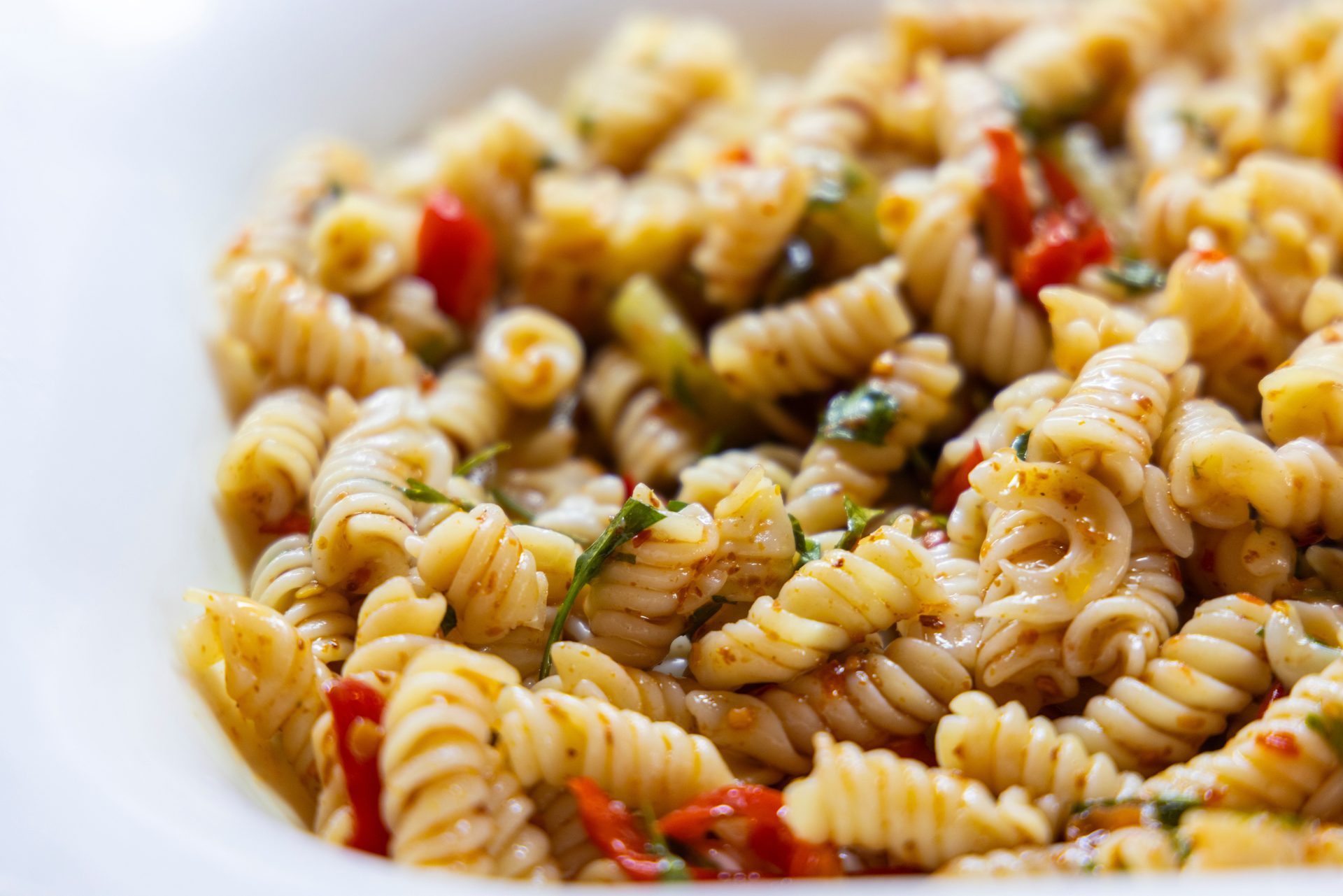
Pasta salad is one of those dishes that almost always gets made in bulk. Whether you’re prepping for a backyard cookout, a potluck, or a week of easy lunches, it’s nearly impossible to make just a little. That leaves you staring at a giant bowl of leftovers and wondering: can you freeze pasta salad?
The short answer is yes — but with important caveats. The type of dressing you used, which vegetables went in, and how you pack everything up will determine whether your frozen pasta salad comes out tasting great or turns into a soggy, separated mess. This guide walks you through everything you need to know, from prep to thaw.
Can You Freeze Pasta Salad?
Yes, you can freeze pasta salad. However, there are a few things to keep in mind that will determine how much taste and texture is lost during the freezing process. The biggest factor is your ingredient list — specifically the dressing and any high-moisture vegetables you’ve added.
Pasta salads made with thin, oil-based dressings, such as most Mediterranean pasta salads, will hold up reasonably well in the freezer. Pasta salad made with a creamy or mayonnaise-based dressing, however, won’t freeze nearly as well. If your recipe leans on Italian vinaigrette, a balsamic dressing, or a simple olive oil blend, you’re in good shape. If it’s built around mayo or sour cream, you’ll need a different approach — more on that below.
Regardless of the type of pasta, it will freeze just fine. Whether you’ve made a penne salad, macaroni salad, fusilli salad, or farfalle salad, you should be able to freeze it without issue. The pasta shape itself is not the problem — it’s everything mixed into it.
Pro Tip: If you know ahead of time that you’ll be freezing a batch, hold off on adding the dressing and any high-water vegetables until after you thaw. You’ll get much better results than freezing a fully assembled salad.
Does Freezing Change the Texture or Taste of Pasta Salad?
Freezing does change pasta salad — there’s no way around it. Pasta can become overly soft when frozen and then thawed, because the ice crystals formed during the freezing process cause the pasta to break down and lose its original texture. This is why cooking your pasta al dente before freezing is so important.
High-water-content ingredients like tomatoes, cucumbers, spinach, lettuce, mushrooms, and leafy greens freeze poorly. The water inside these ingredients initially freezes, then starts leaking out and changing the ingredient itself. Most become mealy and soft — some, like cucumbers and lettuce, can disintegrate entirely.
Dressings present their own set of problems. Mayonnaise and other creamy dressings are best left unfrozen because their makeup doesn’t lend itself well to dramatic temperature changes. What was a previously emulsified mix of ingredients will inevitably separate, and it’s near impossible to restore its texture. Oil-based dressings fare better but may also separate slightly — a quick stir after thawing usually fixes that.
The bottom line: freezing extends the salad’s shelf life, but it’s a trade-off — expect some changes in texture and taste, but with careful preparation, the dish remains enjoyable. Pair it with the right dishes after thawing, and it still makes a satisfying meal. Check out what to serve with pasta salad for ideas on building a complete plate around your thawed batch.
How to Freeze Pasta Salad the Right Way
The single most important rule: freeze the components separately whenever possible. There is one key method to follow when freezing pasta salad efficiently — freeze your ingredients separately. This prevents the pasta from absorbing moisture from the dressing and vegetables, which is what leads to mushy results.
Follow these steps for the best outcome:
- Cook the pasta al dente. Undercooking your pasta if you know you want to freeze it is a crucial tip. Cook your pasta for the shortest amount of time recommended on the package — it should be al dente, not soft. You may even want to reduce that time by a minute or so.
- Cool everything completely. Before you freeze your leftovers or prepped pasta salad ingredients, make sure everything has cooled down. Any heat will create condensation, which will lead to soggy ingredients.
- Flash freeze the pasta. Once it’s cool, flash freeze the pasta on a baking sheet in the freezer and store it in a freezer-safe container to prevent the pasta from sticking together.
- Separate high-moisture vegetables. While you can add everything together into one container, it’s best to keep the pasta separate from the vegetables — especially water-based vegetables like tomatoes, cucumber, or celery.
- Freeze the dressing separately. Do not add dressing to the pasta before freezing; instead, freeze your dressing in a separate bag or container. This will prevent your pasta salad from becoming soggy once you thaw it.
- Use the right containers. Airtight, freezer-safe containers are essential to prevent freezer burn and maintain freshness. Glass or BPA-free plastic containers with secure lids are ideal, as they minimize air exposure and resist temperature changes.
- Leave headspace and label. Make sure to leave some space at the top of the container, as the contents will expand when frozen. For optimal freshness, label the containers with the date of freezing.
| Ingredient | Freezes Well? | Notes |
|---|---|---|
| Al dente pasta | Yes | Cook 1–2 minutes under package time |
| Peas, corn, carrots, broccoli | Yes | Hardy vegetables hold up well |
| Cooked chicken | Yes | Freeze separately; thaws slower than pasta |
| Oil-based / vinaigrette dressings | Yes | May separate slightly; stir after thawing |
| Tomatoes, cucumbers, lettuce | No | Add fresh after thawing |
| Mayonnaise / creamy dressings | No | Will separate and turn grainy |
| Cream cheese, sour cream, Greek yogurt | No | Fat separation ruins texture |
| Fresh mozzarella / soft cheeses | No | Becomes watery and crumbly |
If you’re working with an Italian-style pasta salad loaded with fresh vegetables and vinaigrette, see what to serve with Italian pasta salad — some of those side dishes freeze just as well and make great meal prep companions.
How Long Can You Freeze Pasta Salad?
There are some ground rules to follow, but ultimately, you can absolutely freeze leftover pasta salad for up to three months. That said, the quality window is much shorter than the safety window.
Label containers with the freezing date, as pasta salad should be consumed within one to two months for optimal quality. If frozen in the correct way, you can freeze pasta salad for up to three months. However, the sooner you use it, the less the taste and texture will be affected. Using your pasta salad within a month of freezing is the best approach.
For the fridge — if you’re not planning to freeze — when stored correctly in an airtight container, pasta salad can last up to five days in the refrigerator, which may be a better alternative for creamier dishes. Keeping your salad bar or refrigerator at the right temperature matters here too; read more about how cold a refrigerator needs to be to keep food safe to make sure your storage conditions are up to par.
Key Insight: Fully assembled pasta salad (with dressing and all vegetables mixed in) stored in the freezer will only hold its quality for about one week before texture and flavor noticeably decline. Freezing the pasta separately dramatically extends that window to two to three months.
How to Thaw Frozen Pasta Salad
Thawing pasta salad safely comes down to temperature control. Pasta salad should be thawed in the refrigerator at 40°F (4°C) or below, a process that typically takes 8–12 hours for a standard batch. This slow method ensures even warming while minimizing the risk of bacterial growth in the “danger zone” (40°F–140°F). Avoid leaving it on the counter, as room temperature thawing accelerates spoilage.
When you defrost your pasta salad, allow everything to thaw in the fridge and then reassemble or mix together. This takes a bit longer than thawing on the counter, but it’s safer and prevents the growth of harmful bacteria. There’s no need to reheat anything unless you prefer your pasta salad slightly warm — once everything is back to an edible temperature, add the dressing and serve.
If you’re short on time, the cold-water method is a viable alternative. Submerge the sealed container of frozen pasta salad in a bowl of cold water, changing the water every 30 minutes to maintain a consistent temperature. This reduces thaw time to 2–3 hours for smaller portions. Avoid the microwave — thawing in the microwave can exacerbate texture issues.
Once thawed, add any fresh ingredients you held back — vegetables with a high water content, including most lettuces, greens, and cucumbers, lose their crispness when frozen, so add these the day of assembling your dish. For seafood-based pasta salads, the thaw process requires a bit more patience; check out what to serve with seafood pasta for inspiration on building a full meal once everything is ready.
Can You Refreeze Pasta Salad After Thawing?
No — refreezing thawed pasta salad is not a good idea, both from a food safety and a quality standpoint. Once thawed, do not refreeze the pasta salad. Consume it within 3 days to ensure it remains safe to eat.
The science behind this is straightforward. Freezing to 0°F inactivates microbes — bacteria, yeasts, and molds — present in food. Once thawed, however, these microbes can again become active, multiplying under the right conditions to levels that can lead to foodborne illness. Since they then grow at about the same rate as microorganisms on fresh food, you must handle thawed items as you would any perishable food.
On the quality side, each freeze-thaw cycle accelerates texture breakdown. The pasta gets softer, the vegetables release more water, and any dressing you’ve added will separate further. Freezing pasta salad in individual servings not only simplifies meal prep but also reduces the risk of repeated thawing and refreezing, which can accelerate spoilage. Portion it out before freezing so you only thaw exactly what you need.
How to Use Frozen Pasta Salad (Best Uses After Freezing)
Thawed pasta salad may not look exactly like it did fresh, but it’s still versatile and useful. The key is matching how you use it to how it came out of the freezer.
If the texture held up well — meaning you froze the components separately and used an oil-based dressing — simply reassemble, toss in your fresh vegetables, add dressing, and serve as you normally would. Peas, corn, broccoli, and carrots are wonderful choices for pasta salad and you can even buy them already frozen to save time. These hold their texture and can be stirred in straight from frozen or after a quick thaw.
If the pasta is a bit softer than ideal, lean into warm applications. If you have a pasta salad that is best eaten warm, allow the pasta salad to properly defrost before reheating it. There are a few ways to go about reheating it. Toss it in a skillet with olive oil and garlic, fold it into a baked casserole, or use it as a base for a quick pasta soup by adding broth and vegetables.
- Toss thawed pasta with fresh dressing and serve as a quick weekday side dish
- Use it as a base for a cold grain bowl topped with protein and fresh greens
- Fold into a frittata or baked egg dish for a hearty breakfast
- Stir into vegetable soup or broth for a fast, filling lunch
- Mix with a new dressing and add-ins to give it a completely different flavor profile
Pasta salad is already a flexible dish, and that flexibility extends to its second life after freezing. If you started with a seafood-based pasta or an Italian-style version, the thawed pasta component works especially well in warm preparations where slight softness won’t stand out.
Signs That Frozen Pasta Salad Has Gone Bad
Even when frozen, pasta salad can go downhill. Here’s what to look for before eating it.
Freezer burn: Freezer burn does not make food unsafe — it merely causes dry spots. It appears as grayish-brown leathery spots and is caused by air coming in contact with the surface of the food. Cut freezer-burned portions away either before or after use. For pasta salad, freezer burn shows up as dry, shrunken pasta and desiccated vegetables. Heavily freezer-burned foods may have to be discarded for quality reasons.
Ice crystals inside the bag: Ice crystals accumulating inside your zip-top bag are a sign of freezer burn, which happens as water molecules inside your food work their way out toward colder areas of the freezer. While that food may still technically be safe to eat, it means the taste and texture won’t be as good when thawed.
Off smell after thawing: If you’ve defrosted something and it smells off, it’s probably not worth eating. A sour or rancid odor — especially from any meat, seafood, or dairy components — means the salad should be discarded.
Slimy or mushy texture: Some softening is expected, but if the pasta or vegetables have turned slimy or the entire salad has a watery, broken-down consistency, that’s a sign the ingredients were either past their prime before freezing or stored too long.
Separated, curdled dressing that won’t re-incorporate: The texture and taste of mayo or dairy-based dressings will change after they thaw. They will split and become grainy — and while you can re-emulsify them on their own in a blender, when they’re part of a pasta salad, you’re stuck with an unappetizing texture. If the dressing looks completely broken and smells off, discard the whole batch.
Important Note: According to the USDA Food Safety and Inspection Service , freezing keeps food safe by slowing microbial activity, but once thawed, bacteria become active again at the same rate as on fresh food. Always treat thawed pasta salad like a fresh perishable and refrigerate it promptly.
Frequently Asked Questions
Can you freeze pasta salad with mayonnaise?
It is not recommended to freeze pasta salad with mayonnaise. You can do it, but the mayonnaise will change in texture and taste. It is best to freeze the pasta first, then add any dressings once it has been defrosted.
Can you freeze macaroni salad?
A salad that contains dairy products such as mayonnaise or sour cream does not hold up well during the freezing process. A salad prepared with a light dressing is not only lower in carbohydrates — it’s also the better candidate for storing in the freezer to lengthen its shelf life. If your macaroni salad uses a vinaigrette or oil-based dressing instead of mayo, it will freeze much better.
How long does pasta salad last in the fridge without freezing?
Pasta salad will keep roughly 3–5 days in the refrigerator, depending on the ingredients inside. Store it in an airtight container and keep it toward the back of the fridge where temperatures are most consistent.
Can you freeze pasta salad with Italian dressing?
Oil-based dressings and vinaigrettes, such as Italian dressing, balsamic vinegar, and even soy sauce, can be frozen and thawed for pasta salad. The dressing may separate slightly but will come back together with a good stir. For best results, still freeze it separately from the pasta and vegetables.
What vegetables can you safely freeze in pasta salad?
Fresh vegetables like broccoli, peas, and carrots tend to freeze quite well. Hardy vegetables like onions or carrots usually fare well in the freezer and don’t have to be separated. Avoid cucumbers, tomatoes, lettuce, spinach, and celery — add those fresh after thawing.
Is it better to freeze pasta salad or just refrigerate it?
For most pasta salads — especially those with creamy dressings — refrigeration for up to five days is the better option. Freezing pasta salad may not seem necessary since it can stay fresh for up to five days if stored properly in an airtight container. Freezing makes the most sense when you have a large batch with an oil-based dressing and you know you won’t eat it within that window. For more ideas on making the most of your pasta salad, browse what to serve with pasta salad to plan your meals around it before it goes into the freezer.