Can You Freeze Strawberries Whole? Everything You Need to Know

November 4, 2026
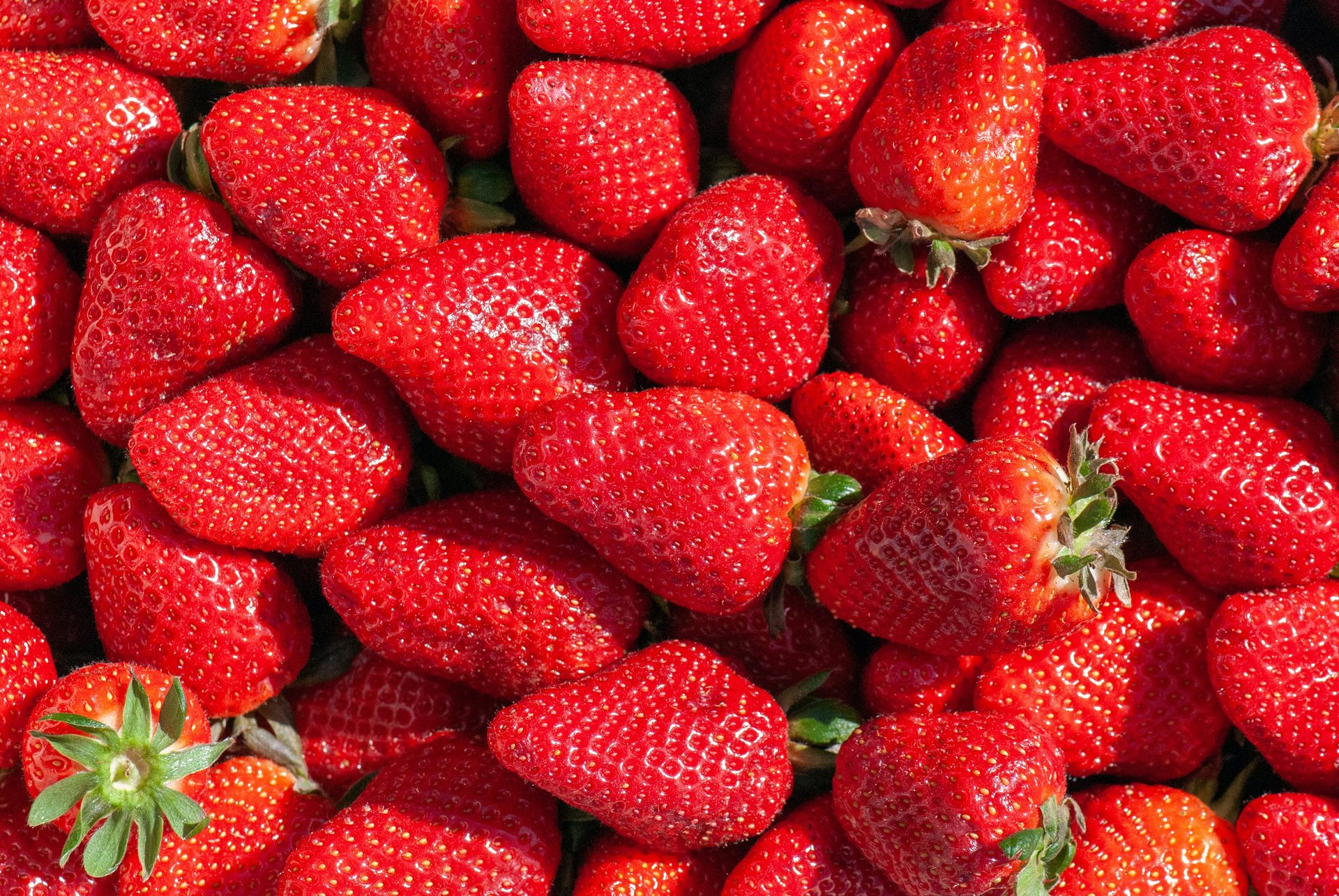
Yes, you can absolutely freeze strawberries whole — and it’s one of the best ways to preserve a big haul from the farmers market, a U-Pick farm, or your own backyard patch. Freezing locks in that peak-summer flavor so you can enjoy it in January smoothies, sauces, and baked goods without paying off-season prices.
The process takes less than 30 minutes of active work, and the payoff is a freezer stocked with ready-to-use berries for months. Whether you picked up a flat at a Texas food festival or just spotted a sale at the grocery store, this guide walks you through every step — from prep to thawing to knowing when to toss them.
Can You Freeze Strawberries?
Freezing is by far the most popular method of preserving strawberries. Strawberries can be frozen whole, sliced, chopped, or pureed — so you have plenty of flexibility depending on how you plan to use them later.
Whether you freeze the berries whole or slice them first is entirely up to you — they’ll freeze well either way. Freezing the berries whole gives you more options for how to use them once they’re thawed. You can choose to slice them, dice them, or mash them depending on the recipe. That flexibility makes whole freezing a smart default for most home cooks.
Strawberries (Fragaria × ananassa) are a high-moisture fruit, which means proper prep matters more than it does with lower-water produce. A few simple steps before they go in the freezer make a significant difference in quality when you pull them out months later. Check out our guide to different types of strawberries if you want to know which varieties hold up best to freezing.
Pro Tip: Always start with firm, ripe berries. Overripe or already-soft strawberries will only get mushier after freezing and thawing, so save those for immediate use instead.
Does Freezing Change the Texture or Taste of Strawberries?
Flavor holds up remarkably well. When harvested at peak ripeness, frozen strawberries deliver stable flavor, preserved nutrition, and consistent quality over extended storage periods. In fact, a strawberry frozen at peak ripeness often tastes better than a fresh one that traveled across the country in a refrigerated truck.
Texture, however, does change. The expansion of frozen water in the berry ruptures the cell walls, causing the berry to soften when thawed. This is a natural consequence of the freezing process and not a sign that something went wrong. While the texture won’t change drastically to the point where they are very mushy when defrosted, freshly frozen strawberries will lose some of their bite. Fresh strawberries have a firm and juicy consistency, but after freezing, they become softer when thawed.
This change in texture isn’t all bad — it makes them ideal for use in smoothies, baking, and sauces. The key is simply adjusting your expectations: thawed whole strawberries won’t work well as a fresh garnish, but they’re excellent in cooked and blended applications.
No matter what you do, frozen strawberries are never going to have the same texture after defrosting as they would if they were fresh. But you can help the strawberries keep their shape and avoid mushiness if you follow a few simple rules: avoid using overripe strawberries — if they are dark red and already super-soft before going into the freezer, they will be mushy when you defrost them.
How to Freeze Strawberries the Right Way
The method below produces individually frozen berries that you can scoop out by the handful rather than chipping away at a solid block. It takes a little more planning than just tossing berries into a bag, but the results are worth it.
Step 1: Choose and Wash Your Berries
Choose berries that are dark red, firm, and fully ripe. Discard any moldy berries. Clean the strawberries gently under cold water and drain them in a colander.
When rinsing, you can add a splash of white vinegar to a bowl of water, rinse quickly, and then rinse again with plain water. Don’t let the berries sit in water — strawberries absorb moisture quickly and can become soggy. A brief rinse is all they need.
Step 2: Hull and Dry
Use a sharp knife or hulling tool to remove the stems and caps. A simple straw also works — push it through the bottom of the berry upward toward the stem and it pops right out.
Drying the berries before freezing will prevent ice crystals and freezer burn later. Lay the strawberries out in a single layer on clean kitchen towels or paper towels and allow them to air dry. Give them at least 15–20 minutes before moving on.
Step 3: Flash-Freeze on a Baking Sheet
Spread berries in a single layer on a baking sheet or jellyroll pan and freeze until solid — an hour or two. This is tray freezing and prevents berries from sticking together.
Line a rimmed baking sheet with parchment paper or waxed paper. Place dry, hulled strawberries in a single layer on the pan. Freeze for 1–2 hours, or until completely frozen. Make sure none of the berries are touching, or they’ll fuse together during freezing.
Step 4: Transfer to Freezer-Safe Containers
Transfer them to plastic freezer bags, pressing out as much air as possible. Double bag for extra protection and to prevent leaks when thawing. You can also use glass freezer containers or mason jars with straight sides — just leave 1/2 inch of head space to allow for expansion.
Label each bag with the date. Labeling your containers with the date of freezing is a good practice. It helps you use the older batches first and keeps your inventory organized.
Pro Tip: If you have a vacuum sealer, flash-freeze the berries on the baking sheet first before sealing. You must flash-freeze strawberries before putting them in a vacuum sealer. If you don’t, the pressure of the vacuum will smoosh the berries and suck the juice into your sealer.
How Long Can You Freeze Strawberries?
When properly frozen, you can keep your strawberries in the freezer for up to a year. However, it’s best to use them within six months of freezing. After that point, flavor and texture start to decline even if the berries are technically still safe.
Storage method makes a real difference. Without vacuum sealing, you’ll want to use your strawberries within about 8–12 months. If you have vacuum-sealed your berries, you can get as much as 2–3 years out of frozen strawberries.
The desirable temperature for storing frozen foods is 0°F or lower. Keep your freezer set consistently at this temperature and avoid placing strawberries near the door, where temperature fluctuations are most common. Berries are especially sensitive to air exposure, moisture loss, and temperature fluctuations.
| Storage Method | Best Quality Window | Maximum Safe Storage |
|---|---|---|
| Standard freezer bag (air pressed out) | 6–8 months | Up to 12 months |
| Airtight glass container | 8–10 months | Up to 12 months |
| Vacuum-sealed bag | 12–18 months | Up to 2–3 years |
How to Thaw Frozen Strawberries
The right thawing method depends on how much time you have and what you’re making. For most recipes, you don’t even need to thaw them at all — just drop them in frozen.
- Refrigerator (best for quality): Transfer berries to a covered container and let them thaw overnight. This slow method results in the least texture damage and keeps the berries cold throughout.
- Cold water (15 minutes): Put them in a sealed plastic bag and place it in a bowl of cold water. Change the water halfway through if needed.
- Room temperature (30–60 minutes): Leave them in a container at room temperature for about an hour. Use them promptly once thawed.
- Microwave (quickest): Use the defrost function on your microwave and check every minute. If your microwave doesn’t have a defrost feature, change the power to 30%. This way you won’t cook the outside.
For best taste, consume berries in a slightly thawed state with a few ice crystals remaining. This is especially true if you plan to eat them on their own or over yogurt, where texture matters more.
Once thawed, the shelf life of thawed frozen strawberries in the refrigerator typically lasts about 3 to 5 days. It’s essential to ensure that the berries are kept in an airtight container to maintain their freshness and prevent any contamination.
Can You Refreeze Strawberries After Thawing?
This is one of the most common questions about frozen fruit, and the answer is: technically yes, but with important caveats.
If the strawberries were thawed in the refrigerator and kept cold the entire time, they can be refrozen. However, expect a significant drop in quality. The first thaw already begins to break down the fruit’s cell structure. A second freeze–thaw cycle will compound that damage, leaving you with very soft, often soggy berries. For that reason, refrozen strawberries are usually only suitable for cooked recipes like sauces, compotes, or jams — anything where texture isn’t crucial.
On the other hand, if the strawberries were left out at room temperature for more than two hours, or thawed in warm water or a microwave, it’s safer not to refreeze them. The USDA advises discarding foods with unusual odor, color, or texture rather than tasting to determine safety.
The best way to avoid this dilemma altogether is to freeze in small portions from the start. One smart way to avoid this issue is to freeze strawberries in small, one-use portions. That way, you only thaw what you need, and the rest remains untouched. This practice is especially helpful for smoothies, baking, or making individual desserts.
Key Insight: It’s not dangerous to your health to thaw and then refreeze berries when they’ve been kept refrigerated — but the quality loss is real enough that it’s rarely worth doing. Cook or blend them instead.
How to Use Frozen Strawberries (Best Uses After Freezing)
Frozen strawberries are more versatile than most people realize. Because the texture softens after thawing, they actually work better than fresh berries in many cooked and blended applications. Here are the best ways to put them to use:
- Smoothies: Whole berries work well for smoothies — toss them in frozen and skip the thawing step entirely. They act as their own ice and keep your drink cold without watering it down.
- Sauces and compotes: Frozen strawberries are perfect for recipes like strawberry sauce, strawberry compote, and homemade strawberry lemonade. Simmer them down with a little sugar and lemon juice for a topping that works on pancakes, waffles, cheesecake, and ice cream.
- Baking: Use thawed, drained berries in muffins, quick breads, cobblers, crisps, and pies. The extra juice they release can actually enhance moisture in baked goods.
- Jam: For best results, plan ahead when using frozen strawberries to make jam. Unsweetened berries work well; all you need to do is thaw the fruit completely before crushing and then measure as usual.
- Oatmeal and yogurt bowls: Sliced berries are easier to measure and thaw more quickly for oatmeal, desserts, or yogurt. Stir them in while the oatmeal is still warm and they’ll soften right into the bowl.
- Salads: Add partially thawed berries to green salads for a pop of color and natural sweetness — pair them with spinach, candied pecans, and a balsamic dressing.
Frozen strawberries pair well with other nutrient-rich ingredients. If you’re building health-focused meals, consider combining them with heart-healthy superfoods or ingredients that support healthy eyesight for an extra nutritional boost. They’re also a great addition to whole plant-based food routines.
Signs That Frozen Strawberries Have Gone Bad
Frozen strawberries don’t spoil the same way fresh ones do, but they can still go bad — especially when stored improperly or kept too long. Frozen strawberries can go bad if they are not kept at a constant freezing temperature. Fluctuations in temperature or exposure to air and moisture can cause freezer burn and spoilage, reducing their quality and safety.
Watch for these warning signs before you use them:
- Freezer burn: One of the first indicators is freezer burn. This appears as whitish or grayish patches on the fruit where moisture has escaped and ice crystals have formed. While not dangerous, freezer-burned strawberries tend to be dry, woody, and flavorless. They’re still usable in cooked sauces or baking, but less appealing in fresh applications like smoothies or yogurt bowls.
- Large ice crystals inside the bag: Another common issue is excessive ice buildup. If you notice large ice crystals forming inside the packaging, it’s a sign that moisture has been drawn out of the fruit, usually due to frequent thawing and refreezing or poor packaging. This can make the berries taste watery or bland and destroy their original texture.
- Discoloration: Color is also a clue. Good frozen strawberries should still have a vibrant red hue. If they’ve turned dull, brownish, or uneven in tone, it often means oxidation or long-term freezer exposure.
- Off smell: A sour or fermented odor means spoilage has occurred. Trust your nose — fresh frozen strawberries should still smell like strawberries even from the freezer.
- Slimy texture after thawing: While some softness is normal, overly mushy or slimy fruit signals degradation.
- Visible mold: Mold is a clear indicator that strawberries have spoiled. Even a small amount of mold is enough reason to discard the entire batch, as it can signify spoilage throughout the fruit.
According to the USDA and FDA, freezer burn is mainly a quality issue, not a food-safety issue. The fruit may be dry, tough, or bland, but freezer burn alone does not automatically make it unsafe. When in doubt about any other sign, discard the batch rather than risk it.
Strawberries are a nutritious fruit worth preserving carefully. Strawberries are rich in vitamin C, antioxidants, fiber, and other nutrients that contribute to health benefits like immune support and reduced inflammation. Freezing preserves most nutrients but some degradation happens over time. For more on how food choices affect your health, see our articles on nutrients and foods that fight cancer and foods that enhance liver function.
Frequently Asked Questions
Do You Need to Wash Strawberries Before Freezing?
Yes. Washing the berries is an important step to remove dirt and bugs as well as traces of pesticides. After all, strawberries are on the dirty dozen list of foods. Just rinse gently under cold water and dry thoroughly before freezing.
Can You Freeze Strawberries with the Stems On?
You can, but it’s not ideal. Hulling before freezing saves time later and removes the tougher white core, which can affect texture. If you’re in a rush, freeze them whole with stems and hull after thawing — though they’ll be softer and harder to work with at that point.
Should You Add Sugar Before Freezing Strawberries?
Adding sugar will do nothing for preservation — it will only sweeten the berries. Freezing fruit with no sugar is recommended so you have it in its purest form and all the flexibility to use it in whichever way you need. Consider sprinkling a small amount of sugar over the strawberries before freezing to help retain their natural sweetness and minimize texture changes only if you already know the final use will call for sweetened berries.
Can You Freeze Store-Bought Strawberries?
Absolutely. The same process applies whether you’re working with farmers market berries, U-Pick hauls, or a grocery store clamshell. Just make sure they’re firm and ripe before freezing — already-soft store-bought berries won’t improve in the freezer.
How Long Do Thawed Strawberries Last in the Fridge?
Once you’ve thawed your frozen strawberries, it’s best to use them as soon as possible for optimal quality and flavor. However, thawed strawberries can generally be stored in the refrigerator for up to 3–5 days. Be sure to keep them in an airtight container to prevent them from drying out or absorbing odors from other foods in the fridge.
Can You Use Frozen Strawberries Straight from the Freezer?
For most recipes, you don’t need to thaw the berries first. Smoothies, sauces, and baked goods all work great with berries added directly from frozen. Thawing is mainly necessary when you need the berries to be soft and pliable, such as for topping yogurt or folding into a no-bake dessert.