Can You Freeze Hamburger Buns? Everything You Need to Know

November 2, 2026
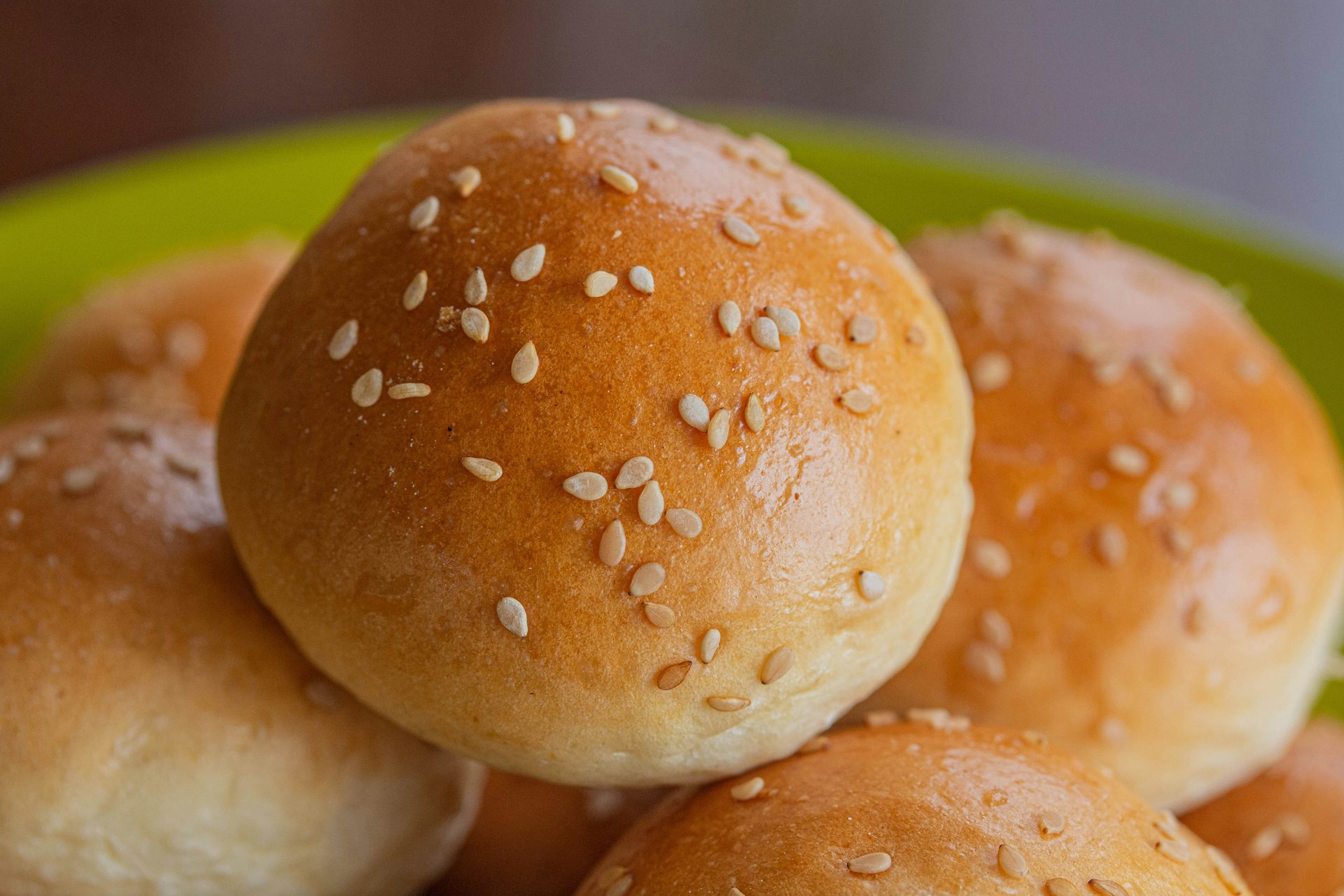
If you’ve ever bought a pack of eight hamburger buns for a cookout and ended up with four left over, you already know the problem. Hamburger buns typically last only 5 to 7 days when kept in their original packaging at room temperature. That’s a narrow window, and it’s easy to miss it.
The good news is that freezing hamburger buns is one of the simplest, most effective ways to cut food waste and always have buns ready for your next backyard cookout or weeknight burger night. This guide walks you through everything — from how freezing affects texture and taste, to the right way to freeze, thaw, and reuse them.
Can You Freeze Hamburger Buns?
You can freeze hamburger buns, and it’s a great way to keep leftover buns from going stale. If you do everything right, there isn’t much of a difference between fresh and defrosted buns. The key phrase there is “if you do everything right” — proper wrapping and timing make all the difference.
One important thing to remember is that freezing can’t “fix” or freshen a stale bun. A stale hamburger bun will still be stale after freezing and defrosting. So the goal is to get them into the freezer while they’re still soft and fresh, not as a last resort after they’ve already started to dry out.
Freezing is a convenient way to extend the shelf life of hamburger buns and prevent them from becoming stale or moldy. Whether you have leftovers from a cookout, bought too many buns at the store, or simply want to stock up for future use, freezing is a cost-effective solution that lets you enjoy fresh bread whenever you need it. It also works just as well for homemade buns as it does for store-bought ones.
Pro Tip: Freeze buns as soon as you know you won’t finish the pack within a few days — don’t wait until they’re already going stale. Fresh buns freeze far better than ones that have been sitting out.
Does Freezing Change the Texture or Taste of Hamburger Buns?
Freezing does cause some changes, but they’re minor when you handle the process correctly. When hamburger buns are frozen, the water within the dough forms ice crystals. These ice crystals can damage the gluten network within the bread, resulting in a change in texture. The practical result is that buns can come out slightly denser or chewier than they were fresh.
Prolonged exposure to cold temperatures leads to a loss of moisture, resulting in a drier texture. The formation of ice crystals during freezing can also disrupt the gluten network, making the buns slightly denser and chewier. These changes are most noticeable when buns are stored for longer than three months or when they aren’t wrapped tightly enough.
On the flavor side, the news is better. The flavor of hamburger buns is relatively well-preserved during freezing. Although freezing can cause some moisture migration, resulting in a slightly drier texture, the overall taste remains relatively intact. The flavor profile of the buns should closely resemble that of freshly baked ones, ensuring an enjoyable dining experience.
Freezing preserves the bun’s flavor, so they will taste nearly identical to their freshly baked counterparts once thawed. However, if buns are exposed to air in the freezer, they may develop off-flavors due to oxidation or freezer burn, so it’s essential to package them tightly to lock in their original taste. Toasting the buns after thawing also helps restore their original texture and hides any minor changes from freezing.
How to Freeze Hamburger Buns the Right Way
The process is straightforward, but a few small steps separate buns that come out soft and fresh from ones that end up dry and freezer-burned. Follow these steps for the best results.
- Start with fresh buns. Make sure the hamburger buns are fresh and in good condition before freezing. Freezing buns that are already stale will only preserve their stale state, so it’s best to freeze them while they’re still soft and fresh.
- Let homemade buns cool completely. If you’re baking your own hamburger buns, make sure they’re at room temperature before you proceed. This way, they won’t get soggy in the freezer.
- Wrap each bun individually. Wrap each bun separately in plastic wrap. This helps protect them from air getting access to their delicate crusts, making sure they don’t dry out and/or stick together. For extra protection, you can also wrap in aluminum foil over the plastic wrap.
- Place in a freezer-safe bag. Once you have wrapped the buns, place them in heavy-duty freezer bags. Before you seal the bag, squeeze out the excess air from it. Freezer-safe bags are specifically designed to resist freezer burn and maintain the quality of food. Choose bags made of thick plastic and ensure they are properly sealed to prevent air exposure. Vacuum-sealed bags offer the best protection.
- Label with the date. Write down the date on the heavy-duty freezer bags before you place them inside the freezer, so that you can keep a note about how long they have been kept inside.
- Keep them away from strong-smelling foods. Never freeze your hamburger buns next to bananas. The bananas will saturate your buns with their scent and flavor, and not in a good, banana bread kind of way. The same principle applies to onions, garlic, and other pungent items in your freezer.
Pro Tip: If you only use one or two buns at a time, wrap them in pairs before bagging them. That way you can pull out exactly what you need without exposing the rest to air and temperature changes.
If you plan to use the entire pack at once — say, for a family cookout — you can skip the individual wrapping and simply place all the buns in a single large freezer bag with as much air removed as possible. If you will be using them individually, wrap them individually and place into a larger bag.
How Long Can You Freeze Hamburger Buns?
Hamburger buns can be stored in the freezer for up to three months without significant loss in quality. Beyond this timeframe, the texture and taste may begin to deteriorate. Most sources agree on this three-month window as the sweet spot for both safety and quality.
After three months, you may notice the buns becoming drier, tougher, or developing a slightly stale taste. While still edible, they won’t be as soft and fluffy as freshly thawed buns. The buns are technically safe to eat past that point, but the eating experience declines noticeably.
| Storage Method | Estimated Shelf Life | Quality Notes |
|---|---|---|
| Room temperature (original packaging) | 5–7 days | Best texture; use first |
| Refrigerator (airtight bag) | 5–7 days | Can dry out faster than room temp |
| Freezer (properly wrapped) | Up to 3 months | Best for long-term storage |
| Freezer (poorly wrapped) | 2–4 weeks | Risk of freezer burn and off-flavors |
Factors influencing this timeframe include the freshness of the buns when frozen and the effectiveness of the packaging used. Buns frozen on the day of purchase will always outlast buns that sat on the counter for several days before going into the freezer. For the best results, aim to use frozen buns within the first month or two and label your bags so you don’t lose track of when they went in.
How to Thaw Frozen Hamburger Buns
How you thaw your buns matters almost as much as how you freeze them. Proper thawing is just as crucial as proper freezing to ensure your hamburger buns retain their desirable texture and flavor. You have three practical options depending on how much time you have.
Room temperature (best method): If you’re looking for the best way to defrost your buns, slowly and at room temperature is the answer. Take them out of the bags, put them on the kitchen counter, and let the temperature do its job. Standard-sized buns take about three to four hours to thaw. If yours are thicker, you need even more time. If you are planning hamburgers for dinner, start defrosting the buns in the morning.
First, unwrap the bun as soon as you take it out of the freezer. Place it on a paper towel, which will draw any moisture without drying out the bun. When you see or feel that it’s about halfway thawed, flip it over. This will help keep the right amount of moisture in the bun without letting it get soggy on the bottom.
Oven method (quick and toasty): Preheat the oven to 350°F (180°C). Bake the buns on a baking sheet for 4 to 5 minutes to defrost. Leave them for an extra 1 to 2 minutes if you want to toast them. If the buns are too dry, dab a little water over them and bake for a minute.
Microwave method (fastest option): Sprinkle a few drops of water in a zip-lock type bag or in the plastic bag that the buns come in, place the bun in the bag, and microwave for 5 seconds. Check the bun and repeat as necessary. Keep the time very short — it’s easy to over-microwave bread and end up with a rubbery or gummy texture.
Pro Tip: No matter which thawing method you use, finish by toasting the buns cut-side down in a dry skillet or on the grill for 60 seconds. This step restores structure and adds a slight crispness that makes them taste freshly baked.
Can You Refreeze Hamburger Buns After Thawing?
It is not recommended to refreeze burger buns once they have been thawed. Refreezing can affect the texture and taste of the buns, making them less enjoyable to eat. It’s best to only thaw the amount of buns you plan to use at one time.
The science behind this is straightforward. Refreezing is generally not recommended as it can significantly degrade the texture and quality of the buns. Refreezing introduces more ice crystal formation, leading to a drier, less appealing product.
The first freezing may lead to a slight decrease in quality, but the second freezing tends to exacerbate the problem. The texture of hamburger buns after refreezing typically suffers the most. The bread may become drier and more crumbly, losing its light, soft texture. The once-pillowy structure may collapse into a tougher, less appealing consistency. The moisture lost through this process cannot easily be restored, and as a result, the buns might feel stale or dry when thawed.
The practical solution is simple: wrap and freeze your buns in the portion sizes you’ll actually use. If you typically make two burgers at a time, bag them in pairs. That way you never have to thaw more than you need, and refreezing never becomes a temptation. You can also explore smart food prep strategies to make the most of what you have on hand.
How to Use Frozen Hamburger Buns (Best Uses After Freezing)
The most obvious use for your thawed buns is, of course, a classic burger. But buns that have been frozen and thawed — or ones that came out slightly drier than ideal — work beautifully in several other applications too. Repurposing them is a great way to avoid food waste and get more mileage out of every pack you buy.
- Classic burgers and sandwiches: Thaw, toast cut-side down, and build your burger as usual. Toasting adds a warm, crispy texture to your thawed buns. Lightly toast them in a toaster, under a broiler, or in a dry skillet.
- Sloppy Joes and pulled pork sandwiches: The slightly denser texture of a thawed bun actually holds up better to saucy fillings than an ultra-soft fresh bun. These are ideal uses for buns that came out a touch drier than expected.
- Sliders: Cut thawed buns into halves and use them for mini sandwiches or party sliders — great for game days and backyard gatherings.
- Paninis and grilled sandwiches: Instead of using whole grain bread or sourdough for making paninis, use your leftover hamburger buns. The end result is just as delicious. Fill each bun with your favorite fillings (cheese, salami, pepperoni, etc.), grill the buns, and you have a delicious snack within minutes.
- Bread pudding: Use stale buns as the base for a delightful bread pudding, mixed with ingredients like milk, eggs, and sugar. This is one of the best ways to use buns that have dried out slightly during storage.
- Croutons and breadcrumbs: Transform stale buns into croutons by cubing them, drizzling with olive oil, and baking until crisp. Grind buns into breadcrumbs using a food processor for a versatile pantry staple, perfect for breading or topping casseroles.
If you’re looking for more ways to build nutritious, satisfying meals around everyday ingredients, check out these whole plant-based foods that pair well with a well-built burger plate, or explore foods that support healthy skin for ideas on rounding out your meals with nutrient-dense sides.
Signs That Frozen Hamburger Buns Have Gone Bad
Even in the freezer, hamburger buns can eventually go bad — or at least decline to the point where they’re not worth eating. Knowing what to look for saves you from an unpleasant surprise at the grill. Frozen hamburger buns can go bad if they develop freezer burn or if they have been stored for an extended period. Discard any buns that have an off-color, freezer burn, or a sour smell.
Here are the main warning signs to check before using frozen buns:
- Visible mold: Mold is the most obvious and alarming sign that your buns have spoiled. It can appear as fuzzy spots or patches of green, blue, or white growth, typically found on the surface or edges of the buns. If you spot mold, throw the buns away immediately. Mold can spread throughout the bread, even if it’s not immediately visible on every spot.
- Off smell: A sour or off smell is a clear indication that your buns have spoiled. Bread that’s gone bad can emit a strange, musty, or rancid odor. If the buns smell bad, don’t eat them. Throw them away and avoid any risk of foodborne illness.
- Discoloration: In addition to mold, discoloration such as brown or black spots may also be a sign of spoilage. This could indicate that the buns have been exposed to moisture or have started to ferment. Discard the buns if you notice any discoloration, especially if it’s not just a small spot but widespread.
- Freezer burn patches: Freezer burn occurs when moisture escapes from the frozen food and is characterized by dry, discolored patches. To prevent freezer burn, ensure the buns are tightly wrapped in airtight packaging. Buns with minor freezer burn are safe to eat, but the affected areas will be dry and leathery.
- Unusual texture: If you notice the buns are soft or wet when they should be firm, it could be due to excess moisture or a sign of mold growth starting to develop under the surface. Don’t consume buns with a weird texture or excessive moisture; they’ve likely started breaking down.
Important Note: When in doubt, throw it out. Stale or slightly dry buns can be repurposed into croutons or bread pudding, but buns showing mold, off-smells, or unusual discoloration should always be discarded.
Frequently Asked Questions
Can you freeze store-bought hamburger buns in their original packaging?
It’s best not to freeze buns in their store-bought packaging. Instead, wrap each bun in plastic wrap and store it in a freezer-safe bag. The original bags aren’t designed to resist freezer burn over weeks or months.
Can you freeze homemade hamburger buns?
Yes, you can freeze homemade hamburger buns. Follow the same freezing and thawing techniques as for store-bought buns. Just make sure they’ve cooled completely to room temperature before wrapping them.
Can you freeze gluten-free hamburger buns?
Yes, you can freeze gluten-free hamburger buns. However, their texture may slightly change after freezing. Gluten-free buns tend to be more delicate, so individual wrapping is especially important to protect their structure.
Can you toast hamburger buns straight from frozen?
Yes, you can toast frozen hamburger buns. Place them directly in the toaster or on a baking sheet in the oven. This is a convenient shortcut when you’re in a hurry and skips the thawing step entirely.
Do hamburger buns need to be sliced before freezing?
When freezing buns, slicing them first means they thaw quicker and prevents any accidents when tempted to slice them before they are quite soft. It’s not required, but pre-slicing is a smart move if you plan to toast them straight from frozen.
How do I prevent buns from getting squashed in the freezer?
The biggest concern is not letting buns get squashed prior to freezing, or they won’t recover their shape once thawed. Store them in a rigid container or in a part of the freezer where they won’t be buried under heavier items.
For more food storage ideas and tips on building a well-stocked kitchen, explore our guides on superfoods for a healthy heart and powerful nutrients found in everyday foods. If you enjoy discovering new flavors beyond the backyard grill, our roundups of food festivals in Texas and food festivals around the world are worth a look.