Can You Freeze Baked Beans and Sausages? Storage Tips That Actually Work

October 26, 2026
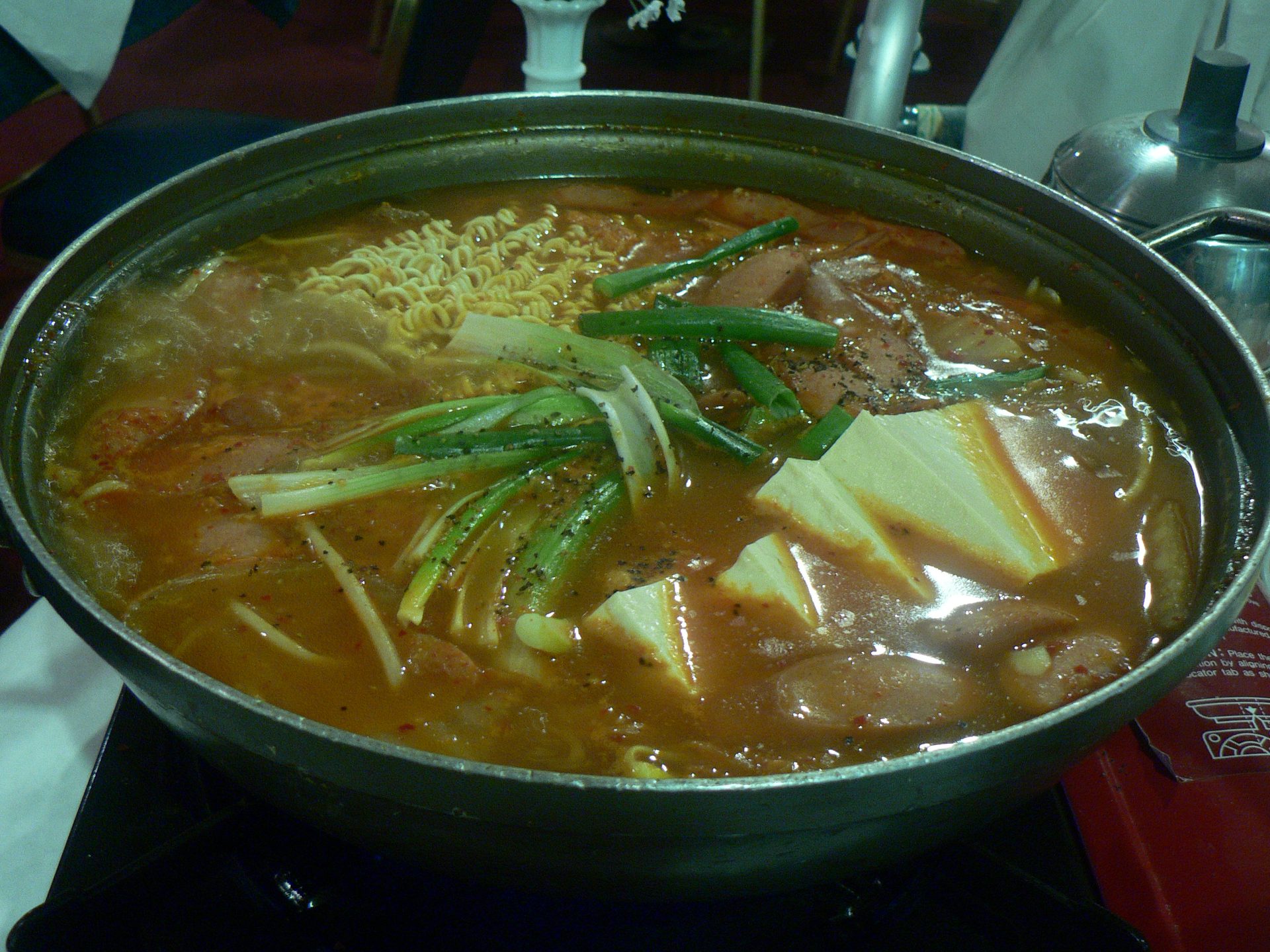
Baked beans and sausages are a classic American comfort food — easy to make in big batches, perfect for backyard cookouts, and just as satisfying reheated the next day. The problem is that a large pot often leaves you with far more than you can eat in one sitting. If you’ve been wondering whether the freezer is a safe option, the answer is a straightforward yes.
Freezing baked beans and sausages is one of the smartest ways to cut down on food waste and keep a ready-made meal on hand for busy weeknights. It is totally possible to preserve your favorite baked beans recipe in the freezer while keeping the best quality flavor and texture. That said, a few key steps separate a great result from a mushy, flavorless disappointment. This guide walks you through everything you need to know.
Can You Freeze Baked Beans and Sausages?
Baked beans can be frozen to maintain flavor and freshness. The same holds true when sausage is mixed in — the dish freezes as a combined unit, and the sauce actually works in your favor. Freezing baked beans is a great way to maintain that fresh and saucy flavor, and baked beans freeze beautifully. “The saucy beans are protected from freezer burn and other issues because they freeze into a solid block in their own juices. They will get a little bit softer, however, so don’t overcook your beans or they may get mushy,” says Brian Murphy.
One thing to keep in mind: you should only freeze baked beans that are already cooked. Freezing uncooked beans is a no-no because you won’t be able to cook them properly after thawing them. You can only freeze cooked beans. Whether your batch is homemade or came from a can, the freezing process is essentially the same. You can freeze homemade baked beans the same way you freeze canned baked beans.
If you plan to freeze a recipe that includes an acidic ingredient like red wine vinegar, there is one simple adjustment to make. With a simple adjustment, this baked beans recipe freezes beautifully, too. If planning to freeze, omit the red wine vinegar to preserve the texture of the beans. The acid breaks down bean texture over time, so leaving it out before freezing — and adding it fresh when you reheat — gives you a much better result.
Does Freezing Change the Texture or Taste of Baked Beans and Sausages?
There will be some changes, but they are minor and manageable. Freezing might alter the texture a tad, rendering the beans a bit softer upon reheating, but their delightful, comfort-food flavor remains undisturbed. As a bonus, freezing does not deplete the nutritional value of the beans.
The science behind the softening is straightforward. When freezing foods, tiny ice crystals form. “These act almost like little knives, breaking cell walls in the beans,” says Murphy. This process can soften the beans a bit, which will change the texture down the line when you are ready to thaw. But the faster food is frozen, the less time ice crystals have to grow.
Flavor can also shift slightly with time. “Flavors tend to mellow a bit over time in the freezer, especially spices. This effect is subtle, but maybe be a little bolder with your pinch of spice,” says Murphy. For the sausage component specifically, cover any pieces of meat in the baked beans with sauce before you close the container. The sauce should keep the meat from drying out when you put the baked beans in the freezer.
Pro Tip: Slightly undercook your beans before freezing. Since they will soften during the freeze-thaw cycle, starting them a touch firmer means they will land at the right texture after reheating.
How to Freeze Baked Beans and Sausages the Right Way
Getting the process right from the start makes a real difference in quality. Follow these steps for the best outcome:
- Cool the beans completely. When freezing baked beans, the best course of action is to cool the dish beforehand. “We want our food to go from hot to cold without spending much time in the ‘danger zone’ between 40 to 140 degrees Fahrenheit, ideal conditions for bacteria to multiply,” says Murphy. Transfer the hot beans from the pot to a wide, shallow bowl to speed up cooling.
- Portion into meal-sized servings. If you have a big pot of beans that’s enough for a couple of meals, divide it into several portion-sized freezer containers or bags. This way, you can thaw and reheat enough for a single meal. The better job you do of portioning the beans now, the easier it will be to cook them later on.
- Leave headspace. When adding the beans to the container, make sure you leave about an inch of space between the lid and the amount you put in the container. Beans expand and could possibly burst in the container.
- Remove excess air. Place the baked beans in a freezer-safe container or freezer plastic bag. Make sure to get out as much air as possible to prevent freezer burn. If you use freezer bags, flatten them into a single layer before freezing — this saves space and speeds up thawing.
- Label with the date. Write the date so you can keep track of how long they’re good for.
- Freeze quickly. Place your beans in the freezer with enough room around them so the cold air can circulate and freeze your beans quickly. When the beans are totally frozen, then you can put the lids on the containers. Uncovered containers freeze faster and won’t get frosty.
Important Note: Never freeze baked beans inside the original can. Do not freeze them inside the can. Frozen canned goods are not safe to eat and not worth the risk. Always transfer to a proper freezer-safe container first.
How Long Can You Freeze Baked Beans and Sausages?
Freezer life depends on whether your beans are homemade or came from a can. The table below gives you a quick reference:
| Type | Freezer Life (Best Quality) | Safe Beyond That? |
|---|---|---|
| Homemade baked beans with sausage | Up to 6 months | Yes, but quality declines |
| Canned baked beans (transferred) | 2–3 months | Yes, but flavor loss likely |
| Baked beans with bacon/sausage (recipe-based) | Up to 3 months | Yes, within 6 months |
“Frozen baked beans can be stored for up to six months. However, after three months, you may begin experiencing a loss in flavor,” says Brian Jupiter. For the best texture and flavor, eat within the first three months of freezing.
As long as you store baked beans properly, homemade frozen baked beans in the freezer will last up to 6 months. Canned beans will last 3 months in the freezer. The sausage in the dish follows a similar timeline when frozen as part of the bean mixture, since it stays submerged in sauce and is protected from air exposure. You can learn more about how different types of beans store and their nutritional profiles if you want to explore beyond the classic navy bean base.
How to Thaw Frozen Baked Beans and Sausages
How you thaw your beans matters just as much as how you freeze them. A slow, gentle thaw preserves texture and keeps the dish safe to eat.
Overnight in the refrigerator (best method): Move them from the freezer to the fridge about 24 hours before you plan to eat them. This slow thawing method helps preserve the texture and flavor. Baked beans that have been defrosted in the fridge can be kept for an additional 3 to 4 days in the refrigerator before using.
Cold water submersion (faster method): Another option is to submerge the sealed beans in a bowl of cold water. “The higher water temperature will slowly bring the baked beans from frozen to defrosted,” says Jupiter. This works especially well if you froze the beans flat in a zip-top bag.
Microwave (quickest method): In a pinch, use the defrost setting on the microwave and make sure to check the beans every few minutes to ensure you do not overheat them. Baked beans that were thawed in the microwave or in cold water should be used immediately.
Direct from frozen on the stovetop: You can defrost the dish in a saucepan on the stove, but that still takes anywhere between 5 and 20 minutes (depending on the amount) and requires you to watch it closely so it doesn’t burn. Add a splash of water or broth to prevent sticking.
Pro Tip: When reheating on the stovetop, add a small splash of chicken or vegetable stock to the pan. This thins the sauce slightly and adds a fresh layer of flavor that compensates for any mellowing that happened in the freezer.
No matter which method you choose, ensure your beans reach a minimum internal temperature of 165°F (74°C) to kill any potential bacteria. A quick-read thermometer takes the guesswork out of this step. Eating well-stored, properly reheated food is also part of a broader approach to supporting a healthy diet.
Can You Refreeze Baked Beans and Sausages After Thawing?
This is one of the most common questions around frozen food, and the answer depends on how you thawed them. If you thawed them in the fridge, and they never left the fridge, you can return them to the freezer. If you defrosted them on the counter, microwave, or the stove, cook them through, then freeze them the usual way. Cooking them through is crucial to make sure they’re safe.
That said, refreezing is not ideal as a habit. “Ideally you should freeze once, thaw once. Repeated thawing and freezing can negatively affect the texture of your beans and create potential food safety issues,” says Murphy. Each freeze-thaw cycle breaks down the bean cell walls further, and the sausage can become rubbery and dry.
The best way to avoid the refreezing dilemma altogether is to freeze in smaller portions to avoid having to refreeze. When you only pull out what you need for one meal, nothing goes to waste and quality stays high.
How to Use Frozen Baked Beans and Sausages (Best Uses After Freezing)
Thawed baked beans and sausages are versatile. While they work perfectly well as a side dish served alongside grilled chicken, burgers, or ribs at a summer cookout, their slightly softer texture after freezing also makes them ideal for a handful of other uses.
- Stuffed baked potatoes: Spoon reheated baked beans and sausage over a split baked potato with shredded cheddar and sour cream for a quick, filling weeknight dinner.
- Bean and sausage soup: Add the thawed mixture to a pot with chicken broth, diced tomatoes, and spinach for a hearty soup. It is perfectly fine to add your frozen beans right into a recipe where they will be heated, such as a soup or stew.
- Breakfast scrambles: Warm the beans and sausage in a skillet and serve alongside scrambled eggs for a protein-packed morning meal.
- Chili base: Use thawed baked beans as a shortcut base for chili — the molasses and sauce already in the beans add depth and sweetness without extra seasoning.
- Nachos topping: Spread reheated beans over tortilla chips, top with cheese, jalapeños, and sliced sausage, and broil for a crowd-pleasing snack.
After you reheat baked beans and you notice the beans are dry, you can add in BBQ sauce to help bring moisture back into the baked beans. A small spoonful of mustard or a dash of Worcestershire sauce also refreshes the flavor quickly. If you enjoy exploring hearty, protein-rich dishes, you might also be interested in the traditional South African foods that feature bean-based stews as a staple.
Signs That Frozen Baked Beans and Sausages Have Gone Bad
Even properly frozen food can go bad if it has been stored too long, thawed and refrozen repeatedly, or kept in packaging that allowed air in. Here is what to look for before you reheat a container:
- Off or sour smell: The key indicators of spoilage in opened baked beans include a change in color, flavor, or texture. Any unpleasant or sour smell is a clear sign that the baked beans should not be consumed.
- Mold growth: Visible mold, especially on the surface of the sauce, or a can that is leaking, bulging, or damaged in any way, are all indicators that bacteria may have compromised the product and it should be disposed of immediately.
- Slimy or unusual texture: Spoiled beans can become slimy or soft to the touch. This is different from the normal softening that happens with freezing — a slimy coating on the beans or sausage is a red flag.
- Discoloration on the sausage: Gray or brown discoloration, a rancid smell, or a slimy surface are all red flags that the sausage should be discarded.
- Freezer burn patches: Freezer burn, characterized by white or grayish patches, doesn’t necessarily mean the sausage is unsafe, but it can affect quality and taste. If only a small section is affected, you can trim it away. If the entire container shows heavy freezer burn, the dish will taste flat and dry.
- Ice crystals and separated liquid: A moderate amount of ice is normal, but excessive pooling of separated, watery liquid after thawing — combined with a mushy texture — signals the beans have been frozen too long or thawed improperly.
Important Note: Don’t taste beans with signs of spoilage — simply discard. Yes, consuming rancid cooked beans can cause foodborne illness. When in doubt, throw it out. No leftovers are worth a trip to urgent care.
Keeping your freezer organized with labeled, dated containers is the single best way to avoid this situation. Staying on top of what’s in your freezer is part of good whole-food meal planning that helps you reduce waste and eat well consistently.
Frequently Asked Questions
Can you freeze baked beans straight from the can?
Yes, but transfer them to a freezer-safe container first. Do not freeze them inside the can. Frozen canned goods are not safe to eat and not worth the risk. Canned beans will last 3 months in the freezer.
How long do baked beans and sausages last in the fridge before freezing?
Canned baked beans that have been continuously refrigerated will keep for about 3 to 4 days. Homemade baked beans with sausage follow the same general window. Freeze your baked beans the same day you make them. This will help enhance shelf life.
Does the sausage freeze as well as the beans?
Yes, when the sausage is submerged in sauce it freezes well. The sauce acts as a protective barrier. Cover any pieces of meat in the baked beans with sauce before you close the container. The sauce should keep the meat from drying out when you put the baked beans in the freezer.
Can you freeze Bush’s baked beans or other store-bought brands?
Yes. Since canned baked beans have a long shelf life, you don’t need to freeze them just to freeze them. However, you can totally pour them straight from the can into a freezable bag. Just transfer out of the can first and follow the standard freezing steps above.
What containers work best for freezing baked beans?
You can freeze beans in a variety of ways: a glass container, glass jars or mason jars, plastic bags like Ziploc bags and reusable silicone bags, or a plastic container with a firm seal on the lid. Flat freezer bags are a great space-saver and thaw quickly.
Can you freeze baked beans with bacon and sausage together?
Absolutely. Bacon and sausage both freeze well when cooked and stored in sauce. Leftover baked beans with bacon will keep, stored in an airtight container in the refrigerator, for 4-5 days. For longer storage, freeze the whole batch using the steps in this guide. These kinds of hearty dishes are common at Texas food festivals and backyard BBQs across the country — and now you can enjoy them long after the party ends.