Can You Freeze Spaghetti Sauce with Meatballs? (Yes — Here’s How)

October 23, 2026
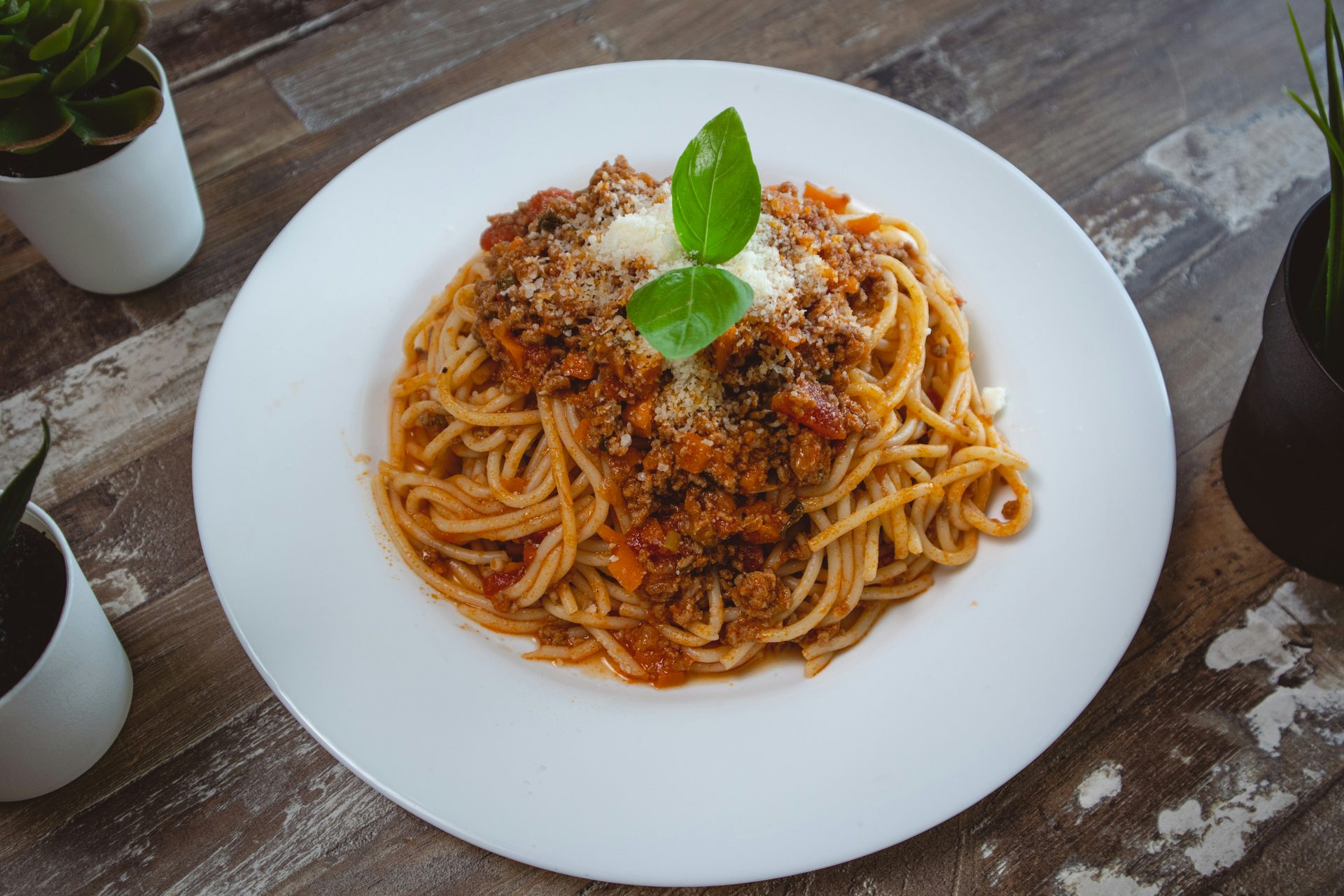
Spaghetti sauce with meatballs is one of the best dishes to make in a big batch — and the good news is that it freezes exceptionally well. Whether you made a large Sunday pot and have leftovers, or you deliberately doubled the recipe for future weeknight dinners, freezing spaghetti sauce with meatballs is a practical, reliable way to save both time and food.
This guide covers everything you need to know: how to freeze it properly, how long it lasts, how to thaw and reheat it safely, and what signs to watch for when something has gone wrong. If you’ve ever wondered whether your leftover sauce and meatballs are worth saving, the answer is almost always yes.
Can You Freeze Spaghetti Sauce with Meatballs?
Yes, you can absolutely freeze spaghetti sauce with meatballs. Freezing this classic comfort food combination is a great way to preserve it for future meals, helping minimize food waste while ensuring a delicious, home-cooked meal is always just a thaw away.
Meatballs can be frozen in sauce with no problems. Tomato-based sauce is the best sauce to freeze, which makes spaghetti sauce an ideal candidate. The sauce acts as a protective coating around the meatballs, helping them retain moisture during the freezing and reheating process.
You have two main options: freeze the sauce and meatballs together as a combined dish, or freeze each component separately. There is definitely an option to freeze the spaghetti, meat, and pasta sauce separately. Since all parts of this dish freeze, you can be creative about how you use each item when you thaw it. If you plan to serve the dish exactly as-is, freezing everything together is the most convenient approach.
Pro Tip: If you freeze the components separately, consider freezing the sauce in small mason jars or ice cube trays so you can thaw individual servings as needed — perfect for smaller households or single-serving meals.
Does Freezing Change the Texture or Taste of Spaghetti Sauce with Meatballs?
Freezing does have some effect on texture, but for spaghetti sauce with meatballs, the impact is minimal when the dish is stored correctly. Most sauces can be kept in the freezer for a long time, especially tomato-based sauces. Meat sauce, just like a classic marinara sauce, freezes exceptionally well and will easily retain its freshness and flavor.
The texture can be slightly altered depending on how long it is kept in the freezer. Even then, it can easily be restored when you reheat it by adding a few extra spices. A splash of water, broth, or a drizzle of olive oil while reheating also helps bring the sauce back to its original consistency.
The meatballs themselves hold up well, especially when they’re fully submerged in sauce. Thaw the sauce overnight in the fridge, then transfer to a saucepan and reheat gently until the meatballs are piping hot all the way through and the sauce is just simmering. Try not to stir the sauce too much on reheating as this could break up the meatballs.
One area to watch: pasta noodles frozen together with the sauce can turn mushy upon reheating. You can freeze sauce and cooked pasta together, but the important thing is to make sure you cook the noodles al dente, meaning they are slightly undercooked. This gives the pasta room to absorb liquid without becoming soft and overdone.
Key Insight: Cream-based pasta sauces do not freeze as well as tomato-based ones. According to Eating on a Dime , cream-based pasta sauce is best placed in the refrigerator to eat later in the week rather than frozen for long-term storage.
How to Freeze Spaghetti Sauce with Meatballs the Right Way
Proper technique makes a significant difference in quality when you pull the sauce out of the freezer weeks later. Follow these steps to get the best results.
- Cool the dish completely first. Ensure that your spaghetti sauce and meatballs are cooled to room temperature before freezing. This reduces the risk of condensation forming inside the container, which can result in freezer burn. Never put hot food directly into the freezer.
- Portion into serving sizes. If you have plenty of leftovers, consider dividing them into serving-sized portions of sauce and meatballs and placing them in several freezer bags or containers. This will enable you to just grab and thaw the amount you want later on.
- Choose the right container. The most important thing when freezing spaghetti and meatballs is to use a quality storage container. This will protect your food from the harsh conditions of the freezer. Heavy-duty freezer bags or airtight freezer-safe containers both work well.
- Remove excess air. If using freezer bags, make sure to remove as much air as possible from the bag to guard against freezer burn. For containers, fill a shallow airtight container almost to the brim so when it freezes it pushes out the air, or place a piece of parchment paper or plastic wrap over the top of the spaghetti and meatballs to help prevent freezer burn.
- Leave expansion room for sauce. As your sauce freezes it will expand, so leave about an inch of room between the sauce and the container lid so it doesn’t explode out of your container.
- Label and date everything. Label and date the packaging. You’d be surprised how easy it is to forget about frozen meals, even ones as delicious and heartwarming as this.
- Freeze flat when using bags. Lay your freezer bag on its side and freeze flat to help you save freezer space.
For meatballs you want to freeze separately from the sauce, you can freeze the meatballs individually on a baking sheet lined with parchment paper. Once frozen, place them in a freezer bag and toss them into any meal to make it a little meatier.
How Long Can You Freeze Spaghetti Sauce with Meatballs?
Storage time depends on what you’re freezing and how well it’s packaged. Here’s a quick reference:
| What You’re Freezing | Recommended Freezer Time | Notes |
|---|---|---|
| Sauce + meatballs (combined) | 3–4 months for best quality | Up to 6 months is possible but quality declines |
| Sauce only (tomato-based) | 3–4 months | Freezes exceptionally well |
| Meatballs only (cooked) | 2–3 months | Best frozen with a little sauce or broth |
| Cooked pasta (separate) | Up to 3 months | Cook al dente before freezing |
Leftovers can be kept in the refrigerator for 3 to 4 days or frozen for 3 to 4 months. Although safe indefinitely, frozen leftovers can lose moisture and flavor when stored for longer times in the freezer. The USDA’s guidance applies directly to spaghetti sauce with meatballs as a cooked leftover.
After 3–4 months, even with ideal storage conditions, the taste and texture may suffer, and there could be a noticeable difference in the quality of the meal. For best results, aim to use your frozen sauce and meatballs within that window. You can also check out this guide on how to ship frozen food if you ever need to send a batch to family or friends.
How to Thaw Frozen Spaghetti Sauce with Meatballs
Thawing correctly is just as important as freezing correctly. Safe ways to thaw leftovers include the refrigerator, cold water, and the microwave oven. Refrigerator thawing takes the longest but the leftovers stay safe the entire time.
Here are your three main options:
- Refrigerator (recommended): Remove leftovers inside the resealable freezer bags from the freezer and allow them to thaw overnight in the refrigerator. This is the safest method and requires the least active attention. Remove the thawed leftovers from the fridge at least 30 minutes prior to reheating so they will be as close to room temperature as possible.
- Cold water bath: Place the closed zip-lock bag in a bowl with cold water, changing the water every 30 minutes until thawed. This speeds up the process significantly compared to the refrigerator method.
- Microwave: Microwave thawing is the fastest method. When thawing leftovers in a microwave, continue to heat it until it reaches 165°F as measured with a food thermometer.
Once thawed, the food should be used within 3 to 4 days or can be refrozen. Never thaw spaghetti sauce with meatballs on the kitchen counter at room temperature. Do not thaw cooked meatballs on the kitchen counter. Room temperature allows bacteria to grow fast. Meatballs left out for more than 2 hours can become unsafe.
Pro Tip: When reheating on the stovetop, low and slow is the best way to bring your meatballs and sauce to life from the freezer. Cover the pot with a lid to trap heat and warm the meatballs from all sides without drying them out.
Can You Refreeze Spaghetti Sauce with Meatballs After Thawing?
Refreezing is possible, but there are important rules to follow. According to the USDA Food Safety and Inspection Service , it is safe to refreeze any food remaining after reheating previously frozen leftovers to the safe temperature of 165°F as measured with a food thermometer.
If a large container of leftovers was frozen and only a portion of it is needed, it is safe to thaw the leftovers in the refrigerator, remove the needed portion, and refreeze the remainder of the thawed leftovers without reheating it. This is actually the smartest approach — portion before freezing so you only thaw what you need.
That said, quality does suffer with each freeze-thaw cycle. Properly stored spaghetti sauce and meatballs can last for up to 2–3 months in the freezer without significant loss of quality. However, as the food is refrozen multiple times, its flavor and texture may degrade faster. For optimal quality, it’s best to limit refreezing to once or twice.
Also keep food safety in mind: refreezing food that has been thawed improperly or left at unsafe temperatures for extended periods can lead to bacterial growth. If meatballs or sauce are refrozen after they’ve been sitting at room temperature for more than a few hours, the risk of foodborne illness increases.
How to Use Frozen Spaghetti Sauce with Meatballs (Best Uses After Freezing)
One of the best things about freezing spaghetti sauce with meatballs is how versatile the thawed dish becomes. You’re not locked into serving it the same way you made it. Here are some of the best ways to use it after thawing:
- Classic spaghetti dinner: The obvious choice — reheat the sauce and meatballs, boil fresh pasta, and serve. This works especially well if you froze the sauce and meatballs separately from the noodles.
- Baked pasta: You could use the sauce on uncooked plain pasta in a baked pasta dish. Layer with ricotta and mozzarella for an easy baked ziti or pasta al forno.
- Meatball subs: Spoon the thawed meatballs and sauce onto hoagie rolls, top with provolone or mozzarella, and broil until melted. A weeknight staple across the US.
- Stuffed peppers: Use the thawed meat sauce as a filling for bell peppers, then bake until tender.
- Pizza topping: Spread thawed sauce over pizza dough, slice the meatballs, and use them as a topping with shredded mozzarella.
- Soup base: Keeping a stash of frozen meatballs in your freezer can be incredibly handy. You can easily thaw them for a quick meal, adding them to soups, stews, or even sandwiches.
For more meal inspiration, check out what to serve with vodka sauce or browse ideas for what to serve with Swedish meatballs if you want to change up your meatball routine.
When reheating, make sure the internal temperature of the dish is at least 165°F, especially if you have meatballs. The USDA recommends that ground meats should reach a temperature of 160°F to ensure that they are safe for consumption. Use a food thermometer to confirm — don’t rely on visual cues alone.
Signs That Frozen Spaghetti Sauce with Meatballs Has Gone Bad
Even in the freezer, quality can deteriorate over time, and in some cases food can become unsafe. Here’s what to look for before reheating a container you’ve had stored for a while.
| Warning Sign | What It Means | What to Do |
|---|---|---|
| Grayish-brown leathery spots on meatballs | Freezer burn from air exposure | Cut away affected areas; food is still safe |
| Heavy ice crystals inside the bag | Moisture loss; possible temperature fluctuation | Use soon; quality may be reduced |
| Sour or rancid odor after thawing | Spoilage or bacterial growth | Discard immediately |
| Slimy or mushy meatball texture | Spoilage | Discard immediately |
| Dull, washed-out color throughout | Extended storage or improper packaging | Taste-test after reheating; discard if off |
| Container lid popped or bag opened in freezer | Air exposure; possible contamination | Overwrap and use soon, or discard if in doubt |
According to the USDA Food Safety and Inspection Service , freezer burn does not make food unsafe, merely dry in spots. It appears as grayish-brown leathery spots and is caused by air coming in contact with the surface of the food. Cut freezer-burned portions away either before or after cooking the food.
To determine if frozen meatballs have gone bad, look for any signs of freezer burn, such as ice crystals or discoloration. Check for any off smells, such as a sour or rancid odor. If the texture appears slimy or mushy, it is best to discard the meatballs.
According to the USDA, food kept consistently at 0°F will always be safe — it’s just the quality of the food that will suffer. The real risk comes when your freezer temperature fluctuates. Keep an appliance thermometer in your freezer and aim for a consistent 0°F or below.
Frequently Asked Questions
Can you freeze store-bought jarred spaghetti sauce with meatballs added?
Yes. You can freeze spaghetti meat sauce. It doesn’t matter if it is ground beef, turkey, or lamb — it all freezes great. Even if you made meatballs with your sauce, just freeze with the sauce and it will turn out perfectly. The same freezing rules apply whether your sauce is homemade or from a jar.
How long does spaghetti sauce with meatballs last in the fridge before freezing?
Leftovers can be kept in the refrigerator for 3 to 4 days. If you know you won’t use them within that window, transfer to the freezer as soon as possible. After cooking, cool and chill the meatballs and sauce as quickly as possible (and within 2 hours of making), then transfer to airtight containers.
Is it better to freeze meatballs with sauce or without?
Cooked meatballs hold their best quality 2–3 months in the freezer, especially if frozen with a little sauce or broth. The sauce helps protect the meatballs from drying out and developing freezer burn, so freezing them together is generally the better option.
Can you freeze large meatballs the same way as small ones?
If you’re using extremely large meatballs, you’ll need to cut them into smaller chunks to make freezing and subsequent thawing and reheating easier. Smaller portions freeze and reheat more evenly, reducing the risk of cold spots in the center.
Can you reheat frozen spaghetti sauce with meatballs directly from frozen?
It is safe to reheat frozen leftovers without thawing, either in a saucepan or microwave (in the case of a soup or stew). Reheating will take longer than if the food is thawed first, but it is safe to do when time is short. Just make sure the internal temperature reaches 165°F throughout before serving.
Freezing spaghetti sauce with meatballs is one of the smartest things you can do with a big batch. With the right containers, proper cooling, and a few simple habits — like labeling and portioning — you’ll always have a satisfying meal ready to go with minimal effort. For more food storage ideas, explore our guides on foods that start with R or browse foods that start with T for new ingredients to add to your freezer rotation.