Can You Freeze Gluten Free Pizza Dough? (Storage Tips That Work)

November 2, 2026
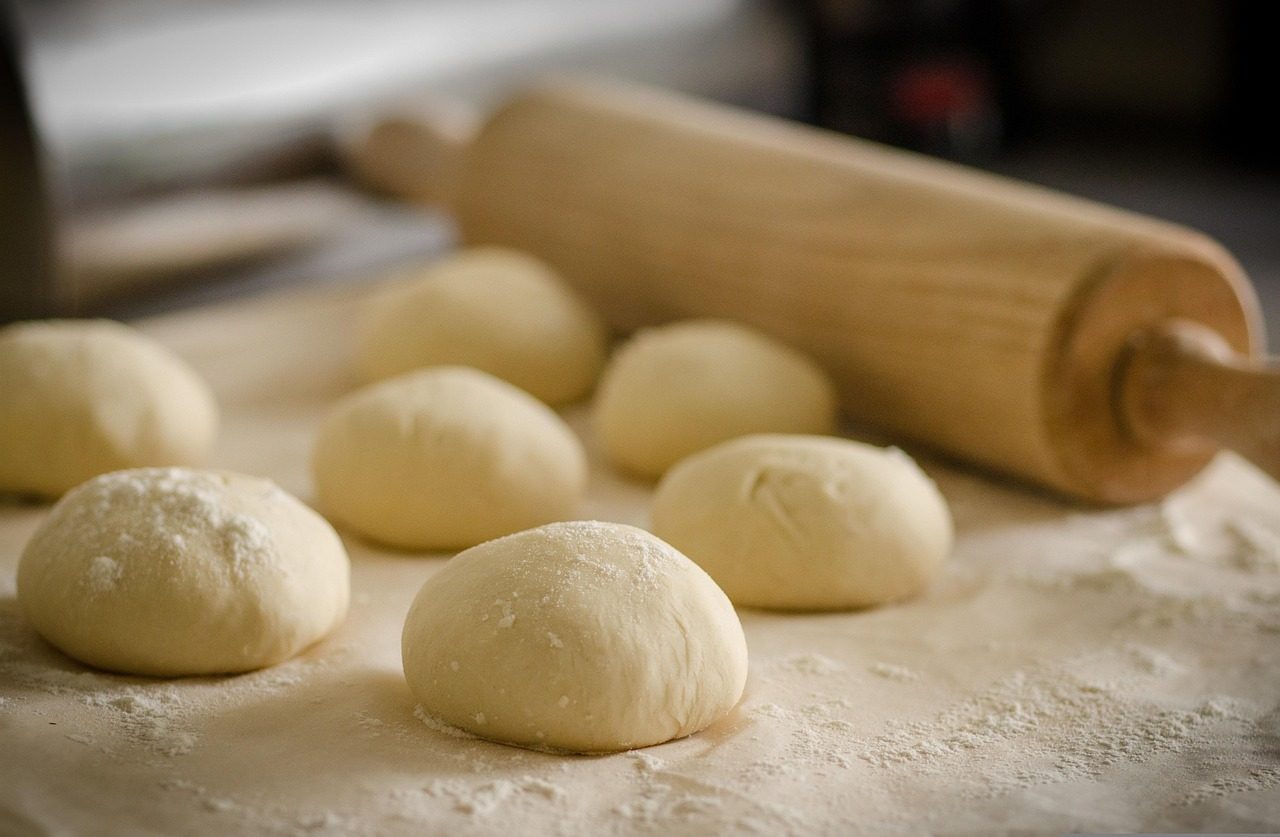
Gluten free pizza dough is a labor of love. Between sourcing the right flour blend, activating yeast, and waiting through the rise, the last thing you want is to throw out a batch you worked hard on. The good news: you can absolutely freeze gluten free pizza dough, and when you do it right, it holds up well for months.
Whether you batch-cook on Sundays to simplify weeknight dinners or want a backup crust ready for gluten free holiday meals, freezing is one of the smartest moves you can make. This guide walks you through every step — from wrapping to thawing to spotting signs of spoilage.
Can You Freeze Gluten Free Pizza Dough?
You can freeze your gluten free dough so that gluten free pizza night can happen just about anytime. Both raw risen dough and par-baked crusts freeze successfully, giving you two solid options depending on how far along you want your prep to go.
Gluten-free pizza dough tends to be more delicate and may need extra care during thawing compared to traditional wheat-based dough. That said, with the right wrapping and a slow thaw, the results are very close to fresh.
You have two main approaches to choose from:
- Freeze raw risen dough: Let the dough fully rise before you freeze it. Wrap the dough in plastic wrap and place it in a plastic freezer bag. The dough can be frozen for up to three months.
- Freeze a par-baked crust: It is also easy to freeze and have a half-baked crust on hand, just like the packaged frozen pizza crust from the grocery store. The par-baked crust can be frozen for up to a month.
Pro Tip: If you want the most flexibility, freeze raw dough balls. If you want the fastest weeknight pizza, par-bake first, then freeze.
Does Freezing Change the Texture or Taste of Gluten Free Pizza Dough?
Freezing fresh pizza dough doesn’t alter its taste, but there might be a change in texture. The freezing process affects the gluten, which can make the dough harder to shape when thawing. For gluten free dough specifically, this effect is amplified slightly because the dough already lacks the elastic protein network that traditional wheat dough relies on.
Gluten-free dough is stickier than wheat-based dough because it lacks gluten’s binding structure. Do not add more flour to compensate. Instead, oil your hands and any utensils generously before handling the dough, and use parchment paper when shaping the crust. The stickiness becomes much easier to manage once you embrace oiled hands over floured ones.
The flavor holds up well after freezing. The yeast remains dormant in the freezer, preserving the dough’s integrity. When you thaw it properly and let it rest before shaping, most people won’t notice a meaningful difference from fresh dough.
One factor that helps: almost any pizza dough recipe is suitable for freezing, but if your recipe doesn’t already include fat, replace 2 to 3 tablespoons of the recipe’s water with olive or vegetable oil. Doing this will help reduce the formation of ice crystals, which can damage both yeast and gluten.
How to Freeze Gluten Free Pizza Dough the Right Way
The method you use matters more with gluten free dough than with regular dough. Follow these steps for the best results whether you’re freezing raw dough or a par-baked crust.
Freezing Raw Risen Dough
- Let the dough rise fully. The ideal time to freeze pizza dough is after the first rise (bulk fermentation). This gives the yeast time to activate and build flavor, but stops the fermentation process before it goes too far.
- Portion into individual balls. Freeze dough in individual portions — don’t try to freeze one big batch. Divide into individual pizza-sized balls — usually 250 to 300 grams each for a 12-inch pizza.
- Wrap tightly. Wrap tightly in plastic, with a second layer of protection like a freezer bag or a dough container. Air is the enemy.
- Label the bag. Place the crust in a freezer-safe bag or wrap it tightly in plastic wrap, ensuring it is well-sealed. Label the bag with the date and freeze for up to 3 months.
Freezing a Par-Baked Crust
- Shape the dough on parchment paper using oiled hands.
- Par-bake the crust first. Bake the crust for 15 minutes in a 425°F oven. Allow it to cool completely. Wrap the par-baked crust tightly with plastic wrap or foil made for freezing.
- Place the wrapped crust in a freezer bag, label with the date, and freeze.
Pro Tip: You may also choose to increase the recipe’s yeast by 50%, especially if you want to keep the dough frozen for longer than a couple of weeks. While dry yeast is basically unaffected by cold, yeast activated with liquid is prone to damage during the freezing/thawing process. Adding more yeast than normal to the dough helps ensure enough remains when you’re ready to bake.
How Long Can You Freeze Gluten Free Pizza Dough?
Storage time depends on which form you freeze the dough in. Here’s a quick comparison:
| Form | Freezer Life | Fridge Life (After Thawing) |
|---|---|---|
| Raw risen dough balls | Up to 3 months | Use within 24–48 hours |
| Par-baked crust | Up to 1 month | 2–3 days (before topping and baking) |
| Unbaked, unrisen dough | Not recommended | — |
While dough can technically last longer, the texture and flavor may start to degrade over time, especially if exposed to freezer burn. That is why it helps to date your pizza dough balls so you can use the oldest ones first.
At room temperature, leftover pizza dough is best kept covered for up to 4 hours and used fresh. In the refrigerator, store dough in an airtight container or wrapped tightly in plastic wrap for up to 3 days. If you know you won’t use it within that window, the freezer is your best option.
Looking for other foods you can batch-prep and freeze? Check out our guides on freezing jam without pectin and freezing coffee creamer for more storage tips.
How to Thaw Frozen Gluten Free Pizza Dough
Thawing is where gluten free dough requires the most patience. A slow, gentle thaw produces far better results than trying to rush it.
Overnight Fridge Thaw (Best Method)
Thaw the dough in the refrigerator overnight before you use it. Transfer the frozen dough ball (still wrapped) from the freezer to the fridge. Let it thaw slowly for about 24 hours. This gentle thaw wakes the yeast up gradually without stressing the gluten.
After the fridge thaw, allow it to thaw in the fridge overnight or at room temperature for a couple of hours. Just remember, after refrigerating or freezing, gluten-free dough can become firmer, so let it sit out for a few minutes before working with it.
Room Temperature Thaw (Faster Option)
Leave the dough out on your counter or on a sheet tray, wrapped, for 5 to 6 hours. As it thaws you will see it start to rise again in the plastic wrap. This method works well if you forgot to pull the dough the night before.
Thawing a Par-Baked Crust
When you’re ready to use the frozen pizza crust, transfer it to the refrigerator and let it thaw overnight. Add toppings and bake the crust as directed. You can also go straight from frozen to oven — just add a few extra minutes to your bake time and watch for the crust edges to turn golden.
Pro Tip: Never microwave gluten free pizza dough to thaw it. The uneven heat can partially cook the dough and ruin the texture before it ever hits the oven.
Can You Refreeze Gluten Free Pizza Dough After Thawing?
Refreezing is not a good idea. Refreezing can damage the yeast and gluten structure, leading to a dense, flat crust. It’s best to bake it or toss it.
Gluten free dough is especially vulnerable here. Because it already relies on binders like xanthan gum or psyllium husk rather than gluten for structure, a second freeze-thaw cycle can break down those binders and leave you with a crumbly, unworkable dough. Expired yeast is the number one reason gluten-free pizza dough fails — and repeated freezing accelerates yeast degradation just as much as old yeast does.
The simplest fix is to portion your dough into single-use balls before freezing. That way, you only pull out what you need, and nothing goes to waste. You can find more guidance on smart portioning in our article on gluten free flour substitutes, which covers how different flour blends behave during storage.
How to Use Frozen Gluten Free Pizza Dough (Best Uses After Freezing)
Once your dough is thawed and rested, it’s ready to go. The most obvious use is pizza, but gluten free dough is more versatile than most people realize.
Classic Pizza Night
When you’re ready to make gluten free pizza, just pull the dough out of the freezer and let it come to room temperature. Shape it on parchment paper using oiled hands, par-bake the crust at 425°F for about 12 minutes, add your sauce and toppings, then finish baking for another 8 to 12 minutes. This double-bake method ensures a crisp bottom and fully cooked toppings.
Frozen dough works especially well for gluten free Thanksgiving meals or gluten free Christmas appetizers where you want to prep components ahead of time without sacrificing quality.
Other Creative Uses
- Flatbreads: Roll the dough thin, par-bake it plain, and top with hummus, roasted vegetables, or olive oil and herbs for a quick appetizer.
- Mini calzones: Portion the thawed dough into smaller balls, fill with cheese and sauce, fold, seal the edges, and bake at 425°F until golden.
- Gluten free breadsticks: Brush strips of par-baked dough with garlic butter and return to the oven for 5 to 8 minutes. These pair well with other gluten free bread recipes.
- Stromboli or pizza rolls: Spread the dough flat, add fillings, roll tightly, seal, and bake. Slice after cooling slightly.
Having par-baked crusts on hand makes weeknight pizza fast and stress-free. The same applies to any of these variations — having frozen dough ready means dinner comes together in under 30 minutes.
Signs That Frozen Gluten Free Pizza Dough Has Gone Bad
Frozen dough doesn’t last forever, and gluten free versions can show signs of deterioration faster than wheat-based doughs if not stored properly. Here’s what to look for before you commit to a bake.
| Warning Sign | What It Means | What to Do |
|---|---|---|
| Freezer burn (dry, white patches) | Moisture loss from poor wrapping | Trim small spots or discard if widespread |
| Sour or off smell after thawing | Over-fermented or spoiled yeast | Discard immediately |
| Visible mold (gray or green spots) | Bacterial growth before or during freezing | Discard — do not bake |
| Dough tears easily and won’t hold shape | Structural breakdown from repeated freezing | Discard if it won’t shape at all |
| No rise after thawing | Yeast is dead | Discard — baked crust will be dense and flat |
Red flags that something went wrong include: freezer burn or dry, cracked edges from the plastic wrap not being tight enough; sour or off smells that weren’t there before freezing; and dough that is overly sticky, tears easily, or refuses to stretch. If you see any of those signs, it’s better to toss it and start fresh.
One issue specific to gluten free dough: if the binders (xanthan gum, psyllium husk) break down during a prolonged freeze, the dough may look fine but bake up grainy or fall apart. Gluten-free pizza dough can be tricky because even when ingredients and temps are followed closely, results can still vary quite a bit based on the specific flour blend, yeast activity, and even how the dough is handled after rising. Chewiness often happens when the dough is a bit overworked or if the flour blend absorbs liquid differently than expected. If the texture seems off after thawing, trust your instincts.
For more on what makes gluten free baked goods go wrong in storage, see our guide on freezing nacho chips and freezing applesauce for related food storage principles.
Frequently Asked Questions
Can You Freeze Store-Bought Gluten Free Pizza Dough?
Yes. The same rules apply to store-bought dough. If it comes in a bag, still wrap it tightly in plastic wrap for extra protection before freezing. Check the packaging for any manufacturer-specific instructions, since some store-bought gluten free doughs contain preservatives that may affect how they behave after freezing.
Should You Freeze Gluten Free Pizza Dough Before or After It Rises?
The ideal time to freeze pizza dough is after the first rise (bulk fermentation). This gives the yeast time to activate and build flavor, but stops the fermentation process before it goes too far. Freezing dough too early (like before any rise) can lead to poor texture, and freezing after shaping can make it difficult to work with later.
What Flour Works Best for Gluten Free Pizza Dough That Will Be Frozen?
Bob’s Red Mill Gluten-Free 1-to-1 Baking Flour is recommended for consistent results. King Arthur Gluten-Free Flour and Cup4Cup are also great options, but make sure they include xanthan gum or add it yourself. Flour blends that contain xanthan gum hold up better through freezing and thawing because the binder helps maintain structure. See our full breakdown of gluten free flour substitutes for more detail on how each blend performs.
Can You Freeze Gluten Free Pizza Dough That Has Already Been Topped?
It’s possible, but not ideal. Sauce and fresh toppings release moisture during freezing, which can make the crust soggy when reheated. A better approach is to freeze the par-baked crust plain, then add toppings just before the final bake. Gluten-free pizzas can be a bit more finicky when it comes to freezing and reheating. To ensure optimal results, it’s important to use a gluten-free pizza dough that’s specifically designed for freezing.
How Do You Reheat a Frozen Par-Baked Gluten Free Crust?
When you’re ready to eat, just add your toppings and bake at 425°F for about 10 to 15 minutes. For a crispier finish, place the crust directly on a preheated pizza stone or baking steel rather than a cold pan. Reheat pizza slices in a hot oven at 375°F on a baking sheet for 5 to 7 minutes to restore crispiness.
Is Gluten Free Pizza Dough Safe for People with Celiac Disease After Freezing?
Yes — freezing does not introduce gluten or affect the gluten free status of the dough. For celiacs or anyone avoiding gluten, cross-contamination is a huge concern, so using trusted brands and keeping your prep space spotless is key. Make sure all surfaces, bags, and containers used for freezing are clean and have not come into contact with wheat flour. For holiday meal planning with celiac-safe options, see our roundup of gluten free Christmas desserts and gluten free Christmas foods.