16 Traditional Arabic Breakfast Dishes from across the Middle East

November 24, 2026
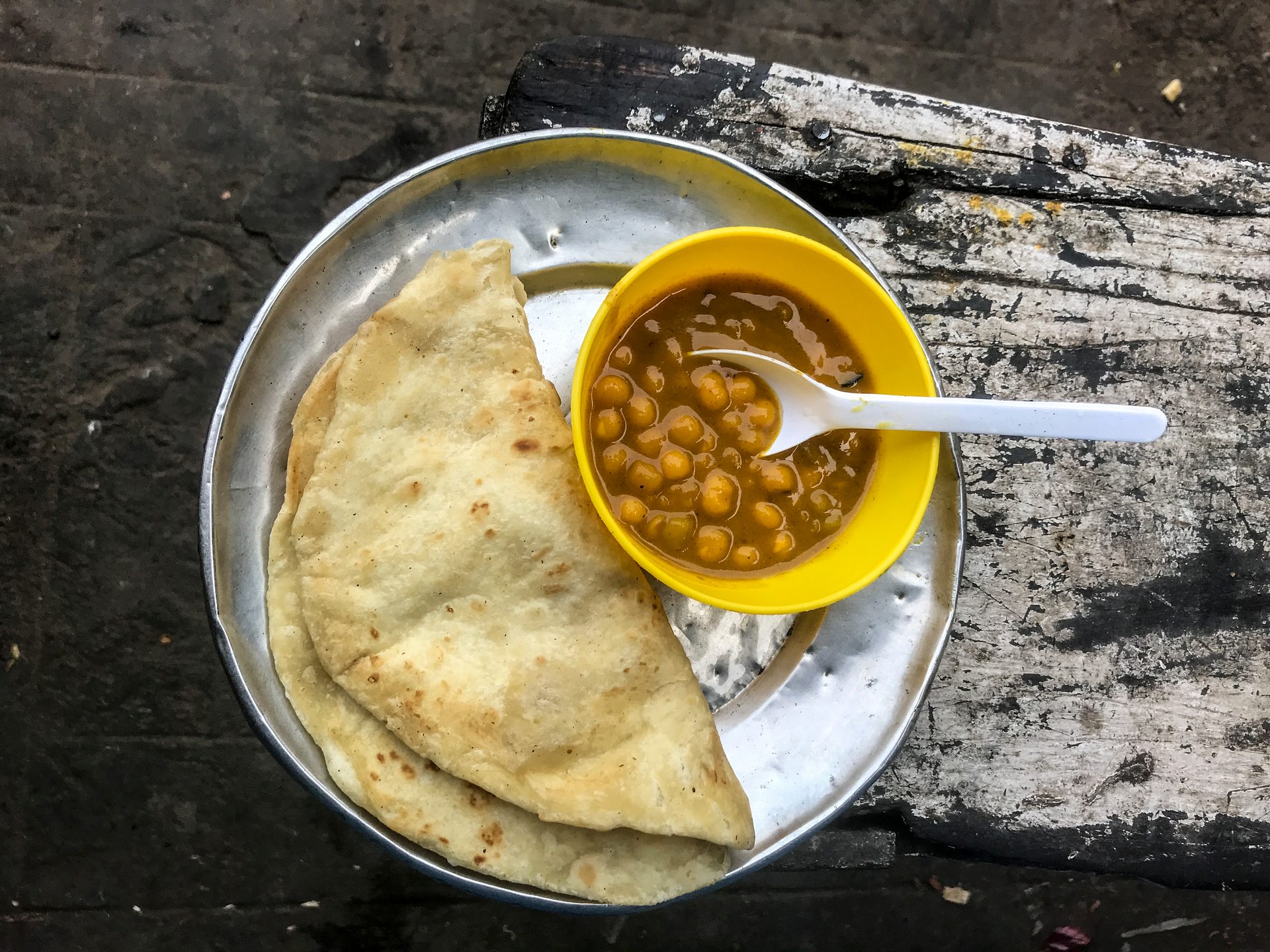
When Jordan’s King Abdullah II was asked in a widely reported 2019 interview to name his favorite dish, he skipped the lamb and rice entirely and named a simple pan of stewed tomatoes , saying it proved he was an ordinary person at heart. That dish, galayet bandora, is just one plate on a traditional Arabic breakfast table that stretches from Algeria’s semolina griddles to Iraq’s broad-bean stalls and the saffron-scented kitchens of the Gulf.
There is no single “Arabic breakfast” — the term covers at least four distinct culinary regions, each with its own staples, spice logic, and table manners. The sixteen dishes below move through the Levant, the Arabian Gulf, Iraq, Egypt, and North Africa, showing how bread, beans, eggs, and a little sugar get reinvented from Amman to Muscat. For a broader look at how other cultures build their morning tables, this site’s breakfast traditions collection covers everything from rice porridges to pastries around the world.
| Dish | Region | Core Ingredient |
|---|---|---|
| Galayet Bandora | Levant (Jordan, Palestine, Syria) | Tomatoes |
| Balaleet | Gulf (UAE, Oman, Bahrain, Qatar) | Vermicelli |
| Masoub | Yemen, Saudi Arabia | Bananas and flatbread |
| Bagila bil-Dihin | Iraq | Broad beans |
| Ful Medames | Egypt and the Levant | Fava beans |
| Khabeesa | Bahrain, Oman | Toasted flour or semolina |
1. Galayet Bandora
Galayet bandora is a Levantine staple built from almost nothing but ripe tomatoes, olive oil, garlic, and hot green peppers simmered down into a thick, glossy sauce. According to its Wikipedia entry , it is a simple Levantine dish of tomatoes, onions, hot peppers, olive oil, and salt that is popular across the Levant, but especially in Jordan and Palestine on account of its easy preparation and healthy ingredients.
Despite its humble ingredient list, the dish carries real cultural weight. In 2019, King Abdullah II of Jordan stated in a widely-reported interview that qalayet bandora was his favorite dish, citing the preference as an indication that he was an ordinary person. Jordanian cooks often scoop it up with warm pita or taboon flatbread, and some households enrich it further with cubed beef or a cracked egg stirred in at the end.
2. Balaleet
Balaleet is the Gulf’s signature sweet-and-savory breakfast, built on toasted vermicelli rather than bread or beans. It traditionally consists of vermicelli sweetened with sugar, cardamom, rose water and saffron, and served with an overlying egg omelette, giving each bite a contrast between the fragrant noodles and the plain fried egg layered on top.
Balaleet is a traditional sweet and savoury dish popular in Eastern Arabian cuisine, with roots tied to the Persian Gulf states of Oman, the UAE, Bahrain, and Qatar. It is sometimes served with sautéed onions or potatoes for households that prefer a more savory version, and it tends to appear at Ramadan dinners as well as breakfast tables.
Key Insight: A single dish name can describe very different plates depending on the country. Balaleet in Oman often leans sweeter with rosewater and honey, while Emirati versions lean toward a stronger savory egg layer — regional taste, not a single fixed recipe, shapes each bowl.
3. Masoub
Masoub turns overripe bananas into a dense, trifle-like breakfast that is meant to be shared straight from one large communal plate rather than individual bowls. Masoub is a Yemeni dish popular throughout the Arabian peninsula, and in its basic form consists of mashed bananas and bread that are usually enriched with butter, cream, spices, honey, and dates.
It is traditionally served on large plates meant to be enjoyed as a communal meal, often garnished with cream, condensed milk, nuts, or honey. The bread used is typically a thin, slightly stale flatbread that soaks up the banana mixture, and leftovers from the night before are frequently repurposed rather than wasted.
4. Regag Bread
Regag is a paper-thin Emirati flatbread cooked on a flat griddle, closer in texture to a crepe than to a loaf. The batter is poured in a thin layer, cooked briefly on one side, and then folded or rolled while it’s still warm and pliable.
Street vendors and home cooks across the UAE typically serve regag with a sweet filling of cheese and honey, or a savory version with egg and a dusting of cumin. Because it cooks in under a minute per piece, regag is often made fresh to order at breakfast stalls rather than prepared in advance, which is part of its appeal alongside flatbreads from other grain-based cuisines, including the wheat flatbreads common in traditional Pakistani cooking.
5. Shakshuka
Shakshuka shares a direct lineage with galayet bandora — in fact, Jordanian cooks consider it a close relative rather than a separate dish. As one Jordan food guide puts it, when tomatoes sautéed in olive oil with salt and pepper are joined by eggs, the basic galayet bandora recipe becomes shakshuka.
Eggs are cracked directly into the simmering tomato-pepper sauce and left to poach gently until the whites set but the yolks stay soft. The dish is eaten across the Levant and North Africa, almost always scooped up with bread straight from the skillet rather than plated separately, making it one of the more communal, hands-on items on an Arabic breakfast table.
6. Ful Medames
Ful medames is Egypt’s most enduring breakfast dish, built from slow-cooked fava beans that are mashed to a creamy, spoonable texture rather than left whole. The beans are dressed with olive oil, lemon juice, cumin, and garlic, and the dish is typically eaten warm with bread rather than on its own.
Variations differ by household and region: some cooks fold in chopped tomatoes and parsley, others add a boiled egg on top, and street-side carts across Egyptian cuisine often sell ful medames from a tall, narrow pot called a “qidra” that keeps the beans warm for hours. Its staying power comes from its combination of protein and fiber, which keeps eaters full well past midday.
Pro Tip: If a recipe calls for dried fava beans, soak them overnight before simmering — this cuts the cooking time significantly and produces a smoother, creamier ful medames.
7. Taameya
Taameya is Egypt’s answer to falafel, but it is made almost exclusively from fava beans rather than the chickpeas used in Levantine versions, giving it a notably greener color and softer crumb once fried. The beans are soaked, ground raw with herbs like parsley, cilantro, and dill, then shaped and deep-fried until the outside turns deeply golden.
Taameya is typically stuffed into a split piece of flatbread with pickled vegetables and tahini sauce, making it a portable breakfast option for workers heading out early. It’s often eaten alongside glasses of sweet tea or hibiscus-based drinks popular in Egyptian drink culture, rounding out a meal that’s both filling and quick to grab.
8. Kesra
Kesra is a round, flat semolina bread found across Algeria and the wider Maghreb, with a slightly dense, chewy crumb that holds up well to dipping. It’s traditionally cooked on a stovetop griddle or in a clay oven, and the dough is often studded lightly with semolina on the crust for texture.
At breakfast, kesra is torn by hand and used to scoop olive oil, honey, or soft cheese, much like grain-based breads anchor morning meals in other cultures, including the wheat loaves central to French baking traditions. Some families flavor the dough with anise seeds or a touch of orange blossom water for a slightly sweeter breakfast loaf.
9. Kuboos
Kuboos is the everyday flatbread of the Arabian Gulf, simpler and often thicker than Levantine pita, with a soft, pillowy texture suited to tearing rather than slicing. It’s baked quickly at high heat, which gives it a few characteristic charred bubbles across the surface.
At breakfast, kuboos is less a dish on its own than a vehicle for everything else on the table — eggs, labneh, honey, or date syrup. Flatbreads play a similarly central role in other grain-heavy breakfast cultures, including the naan and roti traditions covered in this site’s guide to traditional Indian foods.
10. Labneh
Labneh is strained yogurt, thickened until it holds its shape almost like a soft cheese, with a tang that sits between plain yogurt and cream cheese. It’s typically served drizzled with olive oil and a sprinkle of za’atar, sometimes alongside sliced cucumber, mint, or olives.
The strained-yogurt approach isn’t unique to Arabic cuisine — it echoes similar dairy traditions in nearby Mediterranean cultures, including the strained yogurts central to traditional Greek cooking. At breakfast, labneh is almost always paired with warm bread, making it one of the simplest and most widely eaten items across the entire region.
11. Kunafa
Kunafa is better known as a dessert, but in parts of the Levant — especially Nablus in Palestine — a cheese-filled version is eaten warm for breakfast, not just after dinner. Shredded pastry (or, in some versions, a semolina batter) is layered around a soft, mild cheese, baked until crisp, then soaked in a light sugar syrup scented with rosewater.
The contrast between the crunchy, syrup-soaked top and the warm, stretchy cheese underneath is what makes kunafa distinctive at breakfast rather than just as a sweet. Readers looking for more sweet breakfast inspiration might also enjoy this site’s roundup of celebratory breakfast ideas, which leans into similarly indulgent morning dishes.
Important Note: Cheese-filled kunafa for breakfast is a regional habit tied mainly to Nablus and nearby towns — elsewhere in the Levant, kunafa is more commonly reserved for dessert or Ramadan evenings rather than the morning table.
12. Man’ooche
Man’ooche is a flat, round Lebanese bread baked with toppings pressed directly into the dough before it goes into the oven, rather than added afterward. The most common version is topped with za’atar mixed with olive oil, though cheese, ground meat (lahm bi ajeen), or kishik — a fermented wheat and yogurt mix — are popular alternatives.
Bakeries across Lebanon turn out man’ooche fresh through the early morning, and it’s typically folded in half and eaten by hand on the way to work or school. Its closest relative on this list is likely kesra, since both rely on a simple flatbread base dressed up with regional toppings rather than a long ingredient list.
13. Bagila Bil-Dihin
Bagila bil-dihin is one of Iraq’s heartiest breakfast dishes, and its name is refreshingly literal. Bagila is the Iraqi word for beans, broad beans, or fava beans, while “dihin” refers to fat or oil — together, “beans with fat.”
The dish is basically fried eggs over broad beans and soaked pita bread, topped with hot oil, and for ages it has been made mainly for breakfast, though many Iraqis now serve it as a main course given how filling it is. Soaked flatbread sits at the base of the bowl, warm stewed beans go on top, and the whole thing is finished with a fried egg and a drizzle of the hot oil used to cook the onions.
14. Makhlama
Makhlama is Iraq’s version of a loaded scrambled egg dish, built around eggs cooked directly with tomatoes, onions, and often small pieces of meat or spiced pastrami. One food writer describes it as a mind-blowing Iraqi breakfast that’s less heavy than bagila bil-dihin, basically fried eggs, tomatoes, onions, meat, and spices blended together in one pan.
Because everything cooks together rather than in separate steps, makhlama comes together faster than bagila bil-dihin, making it a common weekday breakfast rather than a weekend specialty. It’s typically eaten straight from the pan with flatbread, with diners tearing off pieces of bread to scoop up the egg and tomato mixture.
15. Khabeesa
Khabeesa (also spelled khabees) is a sweet, porridge-like dish built from toasted flour or semolina cooked into a thick, smooth paste, then finished with ghee, nuts, and sometimes coconut. It is a traditional breakfast sweet dish made with toasted flour and served with a drizzle of ghee, chopped nuts and grated coconut, and it’s a particularly popular choice on Eid mornings.
The dish has deep historical roots: a recipe for khabees was recorded in the 10th-century Arabic cookbook Kitab al-Tabikh by Ibn Sayyar al-Warraq, making it one of the oldest named dishes on this list. In Bahraini cuisine specifically, khabeesa is described as a sweet dish made of flour and oil, while versions in Oman swap in semolina and add saffron and rosewater — proof that even a single named dish shifts shape from one Gulf kitchen to the next.
16. M’shewsha
M’shewsha is a North African breakfast dish built from eggs, flour, and semolina cooked together into a loose, custardy mixture, then finished with a generous pour of warm honey over the top. It’s a very popular breakfast dish in Algeria that consists mainly of eggs, flour, and semolina, finally topped with warm honey all over it.
The combination of savory eggs with sweet honey places m’shewsha in the same sweet-savory family as balaleet, even though the two dishes come from opposite ends of the Arab world. It’s typically eaten with a spoon straight from the pan it was cooked in, rather than plated separately, which keeps it warm until the last bite.
Taken together, these sixteen dishes show that “Arabic breakfast” isn’t one meal but a whole family of regional habits — tomatoes and bread in the Levant, beans and rice in Iraq, semolina and honey in North Africa, saffron and vermicelli in the Gulf. The common thread is a preference for communal plates over individual portions, and for bold, savory flavor early in the day rather than sugar-heavy cereals. Readers curious how these habits compare elsewhere might enjoy looking at the slow-simmered, one-pot approach to breakfast found in German stew traditions, or the rice-and-fish structure of a traditional Japanese breakfast — both built, like the dishes above, around the idea that breakfast should be hearty enough to carry a household through a full morning’s work.