Can You Freeze Fat Free Greek Yogurt? What to Expect and How to Do It Right

November 9, 2026
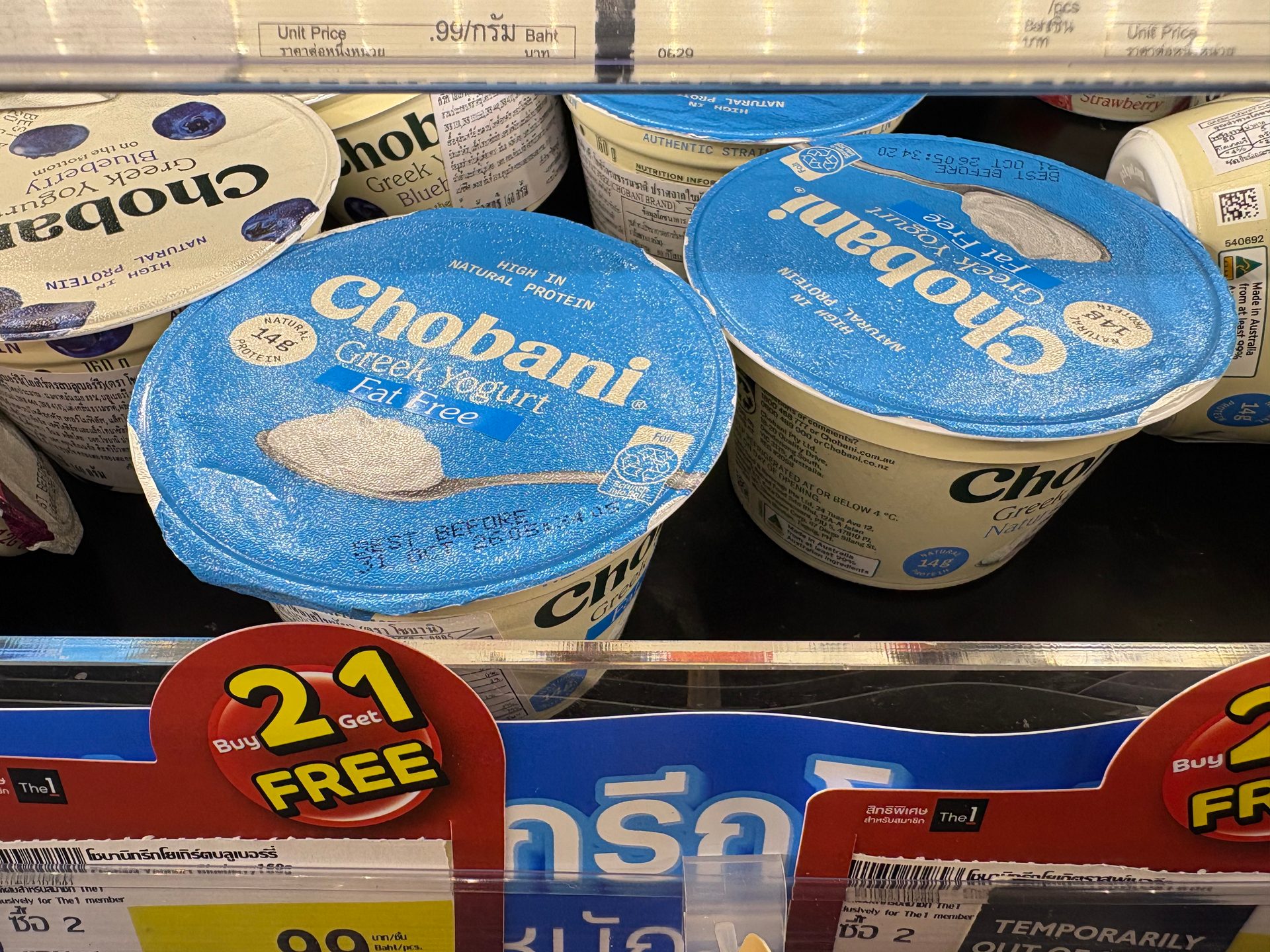
Fat free Greek yogurt is one of those refrigerator staples that always seems to be on sale in bulk — right when you know you won’t finish the whole tub in time. If you’ve ever stood in front of your freezer wondering whether tossing it in there is actually a good idea, the short answer is yes, you absolutely can freeze it.
The longer answer involves a texture change you should know about before you commit. Fat free Greek yogurt behaves a little differently in the freezer than its full-fat counterpart, and knowing what to expect will save you from a disappointing thaw. This guide walks you through everything: what happens to the yogurt, how to freeze it properly, how long it lasts, and the best ways to use it once it’s been frozen.
Can You Freeze Fat Free Greek Yogurt?
You can freeze Greek yogurt, plain yogurt, fat-free yogurt, organic yogurt, yogurt cups, squeeze tubes of yogurt — even plain or flavored or swirled with fruit. You can absolutely freeze all types of yogurt. So yes, your fat free tub is fair game for the freezer.
That said, fat content does play a role in how well yogurt holds up after thawing. Full-fat yogurt tends to freeze and thaw a little better than non-fat, because the extra fat buffers some of that separation. Greek yogurt, which has already had much of its whey strained out, also holds up relatively well. Fat free Greek yogurt will experience more noticeable texture changes than a full-fat version, but it is still perfectly safe to eat and genuinely useful in the kitchen.
The best reason to freeze it? Reducing food waste and saving money. It’s a fantastic way to extend its shelf life and cut down on food waste. If you spot a great deal at your local grocery store on a large container of Chobani, Fage, or Stonyfield fat free Greek yogurt, freezing the extra is a smart move — as long as you plan to use it in cooked or blended applications afterward.
Pro Tip: Always freeze fat free Greek yogurt before its use-by date, not after. Freezing slows spoilage but does not reverse it.
Does Freezing Change the Texture or Taste of Fat Free Greek Yogurt?
Yes — and with fat free Greek yogurt, the texture shift is more pronounced than with full-fat versions. Greek yogurt is packed with water, mostly in the form of whey. When you freeze it, this water forms sharp little ice crystals that mess with the delicate protein structure that gives the yogurt its thick, smooth consistency. Once you thaw it out, the yogurt’s original texture is pretty much gone.
The whey separates from the solids, leaving you with a consistency that’s often grainy or gritty, since those broken protein structures don’t feel as smooth. It can also turn thinner or watery, with the yogurt losing a lot of its original thickness. Because fat free Greek yogurt has no fat to buffer any of this separation, the effect is more noticeable than in full-fat varieties.
The taste also shifts slightly. Yogurt may taste a bit more tart after it’s been frozen. Freezing can impact the taste of Greek yogurt. The freezing process can alter the flavor profile, making the yogurt taste less appealing. The tanginess may become more pronounced or the yogurt may develop an off-flavor.
Here’s the reassuring part: none of this affects safety or nutrition. This transformation is purely textural. Freezing doesn’t touch the safety or nutritional profile of the yogurt one bit. You’ll still get all that great protein and those probiotic benefits. The live cultures also survive. The live and active cultures in yogurt — strains like Lactobacillus and Bifidobacterium — are not killed by freezing. They go dormant in the cold and become active again once the yogurt warms back up. Freezing is actually a standard method used to preserve bacterial cultures.
| Quality Factor | Fresh Fat Free Greek Yogurt | After Freezing and Thawing |
|---|---|---|
| Texture | Thick, smooth, creamy | Grainy, slightly watery, separated |
| Taste | Tangy, mild | Slightly more tart, possible off-note |
| Protein | Fully intact | Fully intact |
| Probiotics | Active | Dormant during freeze, reactivate on thaw |
| Safety | Safe | Safe (if frozen before expiry) |
How to Freeze Fat Free Greek Yogurt the Right Way
The method you choose depends on how you plan to use the yogurt later. Portioning it correctly before freezing is the single most important step — it lets you thaw only what you need and avoids the cycle of thawing and refreezing.
Before you freeze anything, whisk the yogurt thoroughly. Stirring the yogurt well before freezing helps distribute the proteins and fats evenly, which can help maintain a more consistent texture. Then choose your method:
- Ice cube tray method (best for smoothies): Spoon Greek yogurt into an ice cube tray. Place the tray in the freezer. Freeze for 2–3 hours or until yogurt cubes are completely frozen. Transfer to an airtight container or freezer bag. This frees up your tray and protects the cubes from freezer burn.
- Portioned container method (best for baking and cooking): If you’re going to use Greek yogurt for cooking or baking, the most common method is to freeze appropriate portions in airtight containers. Measure out recipe-sized amounts — half-cup or one-cup portions work well — before freezing.
- Yogurt bark method (best for a frozen snack): Spread a thin layer of Greek yogurt on a baking sheet lined with parchment paper, sprinkle on toppings like berries, nuts, or granola, and freeze until solid. Once it’s hard, just break it into pieces.
- Original container method (for large tubs): If you’ve got a whole tub you need to save, you can freeze it right in its original container, as long as it’s not filled to the brim — you need to leave some room for expansion. Give it a thorough whisk first and press plastic wrap against the surface.
Pro Tip: Before you freeze, press a layer of plastic wrap directly onto the surface of the yogurt in the tray. This simple barrier helps prevent freezer burn and stops large, crunchy ice crystals from forming on top.
Whatever container you use, make sure it’s airtight. Select airtight containers or heavy-duty freezer bags to store Greek yogurt. Leaving as little air as possible in the container can help prevent freezer burn and maintain quality. Always label each container with the date so you can track how long it’s been in the freezer. You can also check out how other dairy products like coffee creamer hold up in the freezer for comparison.
How Long Can You Freeze Fat Free Greek Yogurt?
Generally, Greek yogurt can be safely frozen for up to two months. Freezing can cause some changes in texture due to the water content in yogurt creating ice crystals, but it remains safe to consume. While frozen Greek yogurt can last beyond two months, the quality may start to deteriorate, affecting taste and texture.
Because fat free Greek yogurt already separates more aggressively than full-fat, staying within that two-month window matters even more. Technically, it’s safe to eat for quite a while after that, but freezer burn can set in, with taste and textural changes after the two-month mark. If you plan on eating the yogurt with a spoon, aim to consume your yogurt freezer stash within 30 days.
According to Reencle , freezer life figures are based on USDA FoodKeeper guidance for yogurt. Remember to label your containers with the date of freezing to keep track of how long it’s been stored.
| Storage Method | Expected Shelf Life |
|---|---|
| Refrigerator (unopened) | 2–3 weeks |
| Refrigerator (opened) | 5–7 days |
| Freezer (properly stored) | Up to 2 months |
How to Thaw Frozen Fat Free Greek Yogurt
Regardless of what method you use to freeze Greek yogurt, there’s only one proper way to defrost it — in the fridge. Even better if you can leave it overnight. Slow, cold thawing keeps the yogurt at a safe temperature and minimizes further texture degradation.
To thaw frozen Greek yogurt, transfer it to the refrigerator and allow it to thaw slowly. This can take several hours or overnight. For a quicker method, submerge the sealed container in cold water. Never thaw yogurt at room temperature or in the microwave — heat will kill the probiotic cultures and accelerate spoilage.
Once thawed, don’t be alarmed by what you see. After thawing you’ll often see a pool of thin liquid on top and a curdled, grainy texture underneath. This is completely normal and not a sign of spoilage. A quick whisk or a few seconds in the blender brings most of it back together — not to fresh-from-the-tub smoothness, but close enough for any recipe.
If you have time and a food processor, you can process it to bring back some of the original texture. Once thawed, use the yogurt within a few days and keep it refrigerated. If you’re curious about thawing other frozen foods, see how applesauce or fresh watermelon chunks behave after freezing for more context on dairy-free alternatives.
Can You Refreeze Fat Free Greek Yogurt After Thawing?
Technically yes, but it’s not a good idea. While you can refreeze thawed Greek yogurt, it will further deteriorate the texture and taste. So, it’s not your ideal solution. Each freeze-thaw cycle drives more ice crystal formation, which breaks down the protein structure further and leaves you with an even grainier, waterier result.
The better approach is to portion the yogurt before the first freeze so you only thaw what you need. If you’re going to use Greek yogurt for cooking or baking, the most common method is to freeze appropriate portions in airtight containers. This requires planning ahead. But it will avoid food waste and repeated freezing.
Important Note: If you thawed fat free Greek yogurt and it has been sitting in the refrigerator for more than two days, discard it rather than refreezing. The risk of bacterial growth outweighs the benefit of saving it.
How to Use Frozen Fat Free Greek Yogurt (Best Uses After Freezing)
The texture change that comes with freezing fat free Greek yogurt is a dealbreaker for eating it plain by the spoon — but it’s a non-issue in plenty of everyday recipes. If you want to eat it plain by the spoonful, freezing isn’t ideal. If you’re tossing it into a blender, stirring it into pancake batter, or eating it as a frozen snack, it’s perfect — you’ll never notice the texture change.
Here are the best ways to put your thawed fat free Greek yogurt to work:
- Smoothies: Blend thawed Greek yogurt with your choice of fruits, honey, or nut butter for a nutritious smoothie. The graininess disappears completely once blended.
- Baking: Use it as a substitute for buttermilk, sour cream, or oil in baking recipes to add moisture and a tangy flavor. Muffins, pancakes, quick breads, and yogurt cakes all work well.
- Marinades: Stir thawed low-fat Greek yogurt with lemon juice and spices to make an acidic marinade that can tenderize chicken pieces before cooking. This is a classic technique in American home cooking.
- Dips and dressings: Mix thawed Greek yogurt with herbs and spices to create a tasty dip for vegetables or chips. Whisk it into salad dressings for a creamy and protein-rich addition.
- Sauces: Thawed fat free Greek yogurt works well stirred into pasta sauces, soups, or stroganoff-style dishes. Just add it off the heat to avoid curdling.
- Frozen treats: If the texture has changed, consider using the thawed Greek yogurt to make frozen yogurt bars or popsicles.
Fat free Greek yogurt is also a popular ingredient in traditional preparations. If you enjoy cooking with it, take a look at some traditional Greek foods that use yogurt as a base ingredient, or explore substitutes for Greek yogurt when you need a swap in a recipe. For holiday meal planning, it also makes a great addition to gluten-free Thanksgiving dishes and gluten-free Christmas recipes.
Signs That Frozen Fat Free Greek Yogurt Has Gone Bad
Normal post-freeze separation — thin liquid on top, a slightly grainy texture — is not spoilage. It’s just physics. But there are real warning signs that your yogurt has gone bad and should be thrown out, whether it was frozen or not.
Check these before using any thawed yogurt:
- Mold: Be on the lookout for mold growth on the surface. Any presence of mold means the entire container should be discarded, as mold can penetrate below the surface.
- Unusual color: Greek yogurt should have a consistent color. If you notice any discoloration, such as pink, green, or yellow tints, it’s a sign of microbial growth, and the yogurt should not be eaten.
- Off smell: The smell is a strong indicator of the yogurt’s condition. Greek yogurt has a distinct tangy scent, but if you’re met with an off-putting or sour smell that deviates from the norm, it’s best to throw it away.
- Slimy or ropy texture: The proteins in dairy products can start breaking down over time, causing a slimy texture. If your yogurt develops a ropy, mucus-like consistency or seems abnormally viscous, it has likely gone bad.
- Sour or bitter taste: Sour, bitter, rancid, or fermented flavors point to yogurt that should be discarded. If it simply tastes bland rather than tangy and fresh, that’s another sign it’s time to let it go.
- Excessive curdling: Yogurt should have a smooth texture, so a clumpy or curdled consistency is a sign of spoilage and a tip-off to throw the yogurt away. Note that some graininess after freezing is normal — this is about extreme curdling beyond what a whisk can fix.
According to Food Network , when storing yogurt in the freezer, the optimal temperature should be at 0°F and the yogurt should be consumed within two months of freezing. While there’s no guarantee that eating spoiled yogurt will make you sick, it’s best to avoid the risk. Eating spoiled yogurt and dairy products can cause stomach upset and possibly nausea, vomiting, and diarrhea, depending on how much you eat.
For more food storage guidance, see whether jam without pectin or cashew nuts freeze well, or check out the guide on freezing fresh uncooked zucchini for more freezer tips.
Frequently Asked Questions
Does Fat Free Greek Yogurt Freeze Differently Than Regular Greek Yogurt?
Yes. Full-fat Greek yogurt freezes best of all. The fat content helps limit ice crystal formation further, and the result after thawing is noticeably better than low-fat varieties. Fat free Greek yogurt will be more watery and grainy after thawing, which makes it better suited to blended and cooked uses rather than eating plain.
Can You Freeze Greek Yogurt in Its Original Container?
You can, with one caveat. Yogurt expands in the freezer, so the seal on the container can potentially break. The plastic containers do not protect against freezer burn like airtight containers or freezer bags. For best results, transfer to an airtight freezer-safe container and leave a little headspace for expansion.
Can You Eat Frozen Fat Free Greek Yogurt Straight from the Freezer?
You may be wondering: can you freeze Greek yogurt and eat it like frozen yogurt? Sure. But freezing it will make it rock solid. So, you won’t be able to enjoy it in the same way as a creamy scoop of ice cream. If you want a frozen treat with a scoopable texture, follow a proper frozen yogurt recipe that incorporates sweetener and churning.
Does Freezing Destroy the Probiotics in Greek Yogurt?
You may lose a small fraction of the probiotic count, but the vast majority survive and remain viable after thawing, according to Cornell University, Department of Food Science. So your frozen-then-thawed yogurt still delivers its probiotic benefit. Just avoid adding thawed yogurt directly to hot dishes if preserving the live cultures matters to you.
How Long Does Thawed Greek Yogurt Last in the Fridge?
Once it’s thawed out in the refrigerator, it’s important to use it within a few days. Two to three days is a safe window. After that, check for the spoilage signs listed above before using it.
Why Does My Greek Yogurt Container Say “Do Not Freeze”?
Some yogurt containers say that you can’t freeze their yogurt. This isn’t true. All yogurt — whether full-fat, nonfat, Icelandic, or Greek — can be frozen for up to two months. The “do not freeze” label is a quality warning from the manufacturer about texture changes, not a food safety directive.