What to Serve with Roast Duck: 15 Side Dishes That Balance the Richness

November 28, 2026
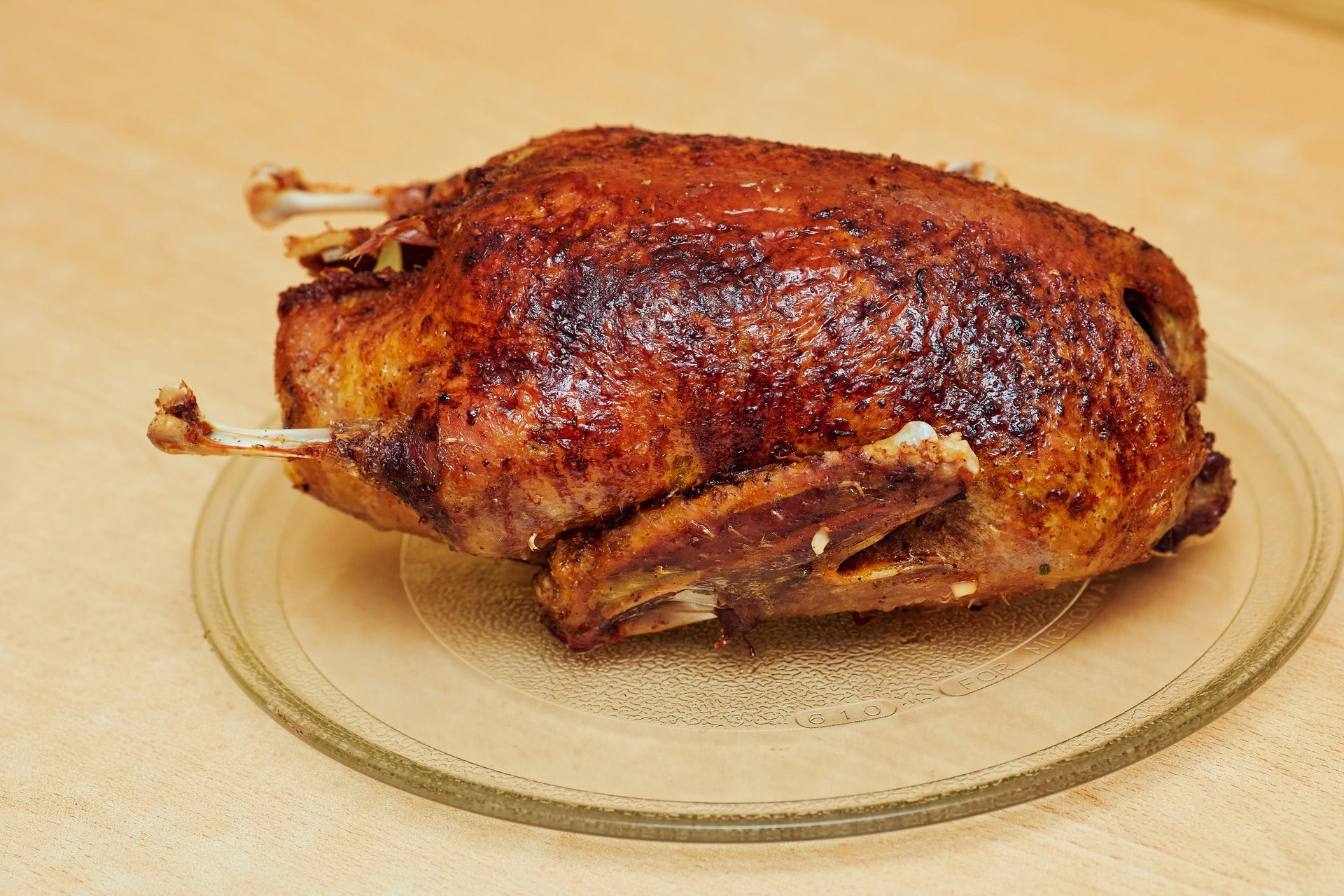
What to serve with roast duck comes down to one simple idea: contrast. Most of the duck sold in American grocery stores and restaurants is Pekin duck (Anas platyrhynchos domesticus), a breed prized for its mild flavor and the thick layer of fat under its skin. That fat is what makes duck taste so good, and it’s also why the right side dish leans on acid, crunch, sweetness, or char instead of piling on more richness.
Unlike convenience food, a roast duck dinner rewards a little planning, and the fifteen sides below give you room to build a full menu for a weeknight table or a holiday spread. You’ll find creamy classics like mashed potatoes next to brighter options like blistered tomatoes and grilled asparagus, plus a few starchy showstoppers such as mushroom risotto and potatoes au gratin. Whichever direction you go, the goal stays the same: let the duck remain the star while the sides handle the balancing act.
1. Mashed Potatoes
Mashed potatoes are the safest, most crowd-pleasing side you can put next to roast duck, and for good reason. Corrie Cooks points out that the creamy, comforting texture of mashed potatoes contrasts nicely with the rich, juicy meat, creating a well-rounded combination of flavors.
Keep the recipe simple: russet potatoes, butter, warm milk, and plenty of salt. Roasted garlic or a spoonful of prepared horseradish both work if you want more flavor without competing with the bird itself.
Pro Tip: Save the rendered duck fat from the roasting pan and whisk a spoonful into your mashed potatoes in place of butter for a richer, more cohesive plate.
2. Brussels Sprouts with Bacon
Brussels sprouts with bacon brings a smoky, savory edge that plays off duck’s fattiness instead of adding to it. According to Corrie Cooks , the earthy flavor of the sprouts combined with smoky bacon enhances the overall flavor of the roast duck for a satisfying, well-balanced meal.
Halve the sprouts so more surface area caramelizes in the pan, and render the bacon first so the sprouts cook in that fat rather than plain oil. A splash of apple cider vinegar at the end cuts through both the bacon and the duck.
3. French Fries
French fries might seem like an odd match for a formal-feeling bird, but the crunch is exactly what a plate of rich duck needs. Corrie Cooks describes them as a fun, satisfying contrast to the tender duck meat, giving the meal a playful crunch.
If you’re already working with a whole duck, don’t waste the fat. The Chow Train notes that reusing leftover duck fat for frying is smart cooking rather than waste, since it boosts the fries’ flavor and gets the most out of every ingredient.
For the crispiest results:
- Soak cut potatoes in cold water for at least 30 minutes to pull out excess starch.
- Fry twice — once at a lower temperature to cook the interior, then again at high heat for color and crunch.
- Finish with flaky salt immediately after the second fry, while any duck fat is still clinging to the surface.
If crispy, shareable food is the direction you want to take an entire menu, our guide to what to serve with chicken nachos has more crowd-pleasing ideas built around the same casual approach.
4. Brown Rice and Vegetables
If the rest of your menu leans rich, brown rice and vegetables gives the table a lighter, fiber-forward option that still feels substantial next to duck. The nutty chew of brown rice holds up against duck fat, and a quick sauté of snap peas, carrots, and bell peppers adds color and crunch without extra butter.
Key Insight: Duck carries more fat than chicken or turkey, so pairing it with at least one fiber-rich, lower-fat side helps balance the plate. If you’re cooking for someone managing cholesterol or heart health, our guide on foods to eat and avoid with coronary heart disease covers which sides fit best.
Season the vegetables with soy sauce, rice vinegar, and a little sesame oil if you want the plate to lean into a Cantonese roast duck tradition, or keep it simple with olive oil, garlic, and lemon for a more neutral match.
5. Ratatouille
Ratatouille brings the slow-cooked, vegetable-forward side of French cooking to the table, which makes sense given how often duck shows up in that same culinary tradition. Stewed eggplant, zucchini, peppers, and tomatoes develop a deep, savory sweetness that holds its own next to the bird without needing cream or butter.
If you want to understand why a slow-cooked, savory vegetable dish works so well against duck’s richness, our breakdown of what is a savory food walks through the flavor science behind that kind of contrast.
Make ratatouille a day ahead if you can. The flavors deepen overnight, and reheating it gently while the duck rests frees up a burner on a crowded stovetop.
6. Grilled Asparagus
Grilled asparagus adds char, snap, and a touch of bitterness, three things a rich roast duck benefits from. Shaken Together Life notes that the crispy texture and earthy flavor of roasted asparagus complements the gamey taste of duck especially well when it’s simply coated in olive oil, salt, and pepper before roasting.
A squeeze of lemon and shaved parmesan at the end brightens the dish further. Asparagus is also a natural match for other delicate proteins — if you’re planning a different night around pan-seared cutlets, our guide to what to serve with chicken piccata uses the same bright, acidic approach.
7. Mashed Sweet Potatoes
Mashed sweet potatoes swap the neutral starchiness of russets for natural sweetness, which plays especially well with duck served alongside an orange or cherry sauce. A touch of cinnamon, nutmeg, or maple syrup leans into a holiday-table version of this side, while a simpler mash with just butter and salt keeps things weeknight-friendly.
Because sweet potatoes are already sweeter than regular potatoes, go easy on any added sugar in the recipe. You want the dish to complement a sweet duck sauce rather than compete with it for attention on the plate.
8. Caramelized Carrots
Caramelized carrots are an easy stovetop side that turns humble produce into something that feels special enough for a duck dinner. Simply Side Dishes describes glazed carrots as sweet with earthy tones, a great companion to roasted duck that pairs well with its rich, meaty flavor.
Slice carrots on a bias for more surface area, then glaze them in butter, a spoonful of brown sugar, and a splash of stock until the liquid reduces to a sticky coating. Fresh thyme stirred in at the end keeps the dish from tasting too sweet.
9. Butternut Squash
Roasted butternut squash brings sweetness and a creamy interior that contrasts nicely with crispy duck skin. Cube it and roast at high heat until the edges caramelize, or arrange it hasselback-style for a more polished presentation at a holiday meal.
A little sage and brown butter drizzled over the finished squash echoes classic duck seasoning without overwhelming it. If you’re planning a lighter protein option for a different occasion, this same sweet-and-savory squash pairs just as well with our guide to what to serve with ahi tuna.
10. Blistered Tomatoes
Blistered tomatoes bring acid and a little char to a plate that otherwise leans heavy, which is exactly the kind of contrast a rich bird needs. Toss cherry or grape tomatoes in olive oil and cook them in a hot skillet or under the broiler until the skins split and release their juices.
Finish with torn basil and a drizzle of good olive oil. This same bright, warm-weather approach works well for other summery mains, too — see our guide on what to serve with a shrimp boil if you’re planning a different kind of outdoor dinner.
11. Polenta
Creamy polenta is one of the most natural matches for roast duck because of how differently it behaves on the plate. Simply Side Dishes explains that serving crispy roasted duck alongside creamy polenta creates a great contrast in both texture and flavor.
Stir in parmesan and a generous knob of butter while the cornmeal is still warm. Polenta also holds heat well on a buffet-style table, which makes it a practical choice if you’re serving a crowd rather than plating individually.
12. Potatoes Au Gratin
Potatoes au gratin layers thinly sliced potatoes with cream and cheese, baking them into something closer to a casserole than a traditional mash. Mashed points out that scalloped potatoes work well with duck, whether made simply with parmesan or finished with caramelized onions.
Common Mistake: Pairing potatoes au gratin with another heavy, cream-based side turns the whole plate one-note. Balance it with something acidic, like blistered tomatoes or a simple green salad, instead of doubling down on butter and cheese.
If you love cream-forward dishes like this one, our guide to what to serve with alfredo has more pairing ideas built around the same rich, comforting approach.
13. Yellow Rice
Yellow rice, tinted with turmeric or saffron and often studded with peas or raisins, gives a duck dinner a different texture than potatoes without sacrificing heartiness. You might wonder whether rice or potatoes make the better match — it usually comes down to whether your duck is sauced or dry-roasted, since rice absorbs pan juices more readily than a mash does.
Season the rice with cumin, garlic, and a bay leaf while it cooks. The same warm, savory rice also turns up on plates next to other braised and roasted dishes — it’s a classic partner for meat empanadas if you’re planning a different kind of spread for a future gathering.
14. Mushroom Risotto
Mushroom risotto brings deep umami flavor that mirrors the savoriness of duck rather than competing with its fat. Use a mix of cremini and dried porcini mushrooms for depth, and finish the risotto with a generous handful of parmesan and a splash of the mushroom soaking liquid.
Risotto takes more attention at the stove than most of the other sides on this list, so plan to start it only once the duck is resting. This same luxurious, slow-cooked approach also makes risotto a favorite alongside other special-occasion proteins, including A5 Wagyu.
15. Smashed Potatoes
Smashed potatoes split the difference between mashed potatoes and roasted potatoes, giving you a crispy, craggy exterior with a soft, buttery center. Boil small potatoes until tender, smash them flat with the back of a measuring cup, then roast at high heat until the edges turn deep golden brown.
With four potato-based options on this list, here’s how they compare if you’re trying to settle on just one:
| Side Dish | Texture | Prep Time | Best For |
|---|---|---|---|
| Mashed Potatoes | Smooth, creamy | 30 minutes | Weeknight dinners, sauced duck |
| Smashed Potatoes | Crispy outside, soft inside | 45 minutes | Casual dinners, dry-roasted duck |
| French Fries | Crunchy throughout | 40 minutes (plus soaking) | Casual, shareable meals |
| Potatoes au Gratin | Soft, layered, cheesy | 75–90 minutes | Holiday tables, special occasions |
Any of these also fits on a plate built around other comfort-food mains — if crispy, cheesy sides are your thing, check out what to serve with chicken parmesan for more direction.
If you’re building a full menu around the duck, deviled eggs make an easy starter course. They’re one of the more reliable deviled eggs appetizer ideas because they hold up at room temperature and don’t fill guests up before the main event. Among the best side dishes for deviled eggs are pickled vegetables, crusty bread, and a simple green salad — the same bright, acidic flavors that already work well on a roast duck plate. If you’re wondering what pairs well with deviled eggs beyond the usual party spread, most deviled eggs serving suggestions lean on vinegar, mustard, or something pickled, which echoes the acid-forward sides covered above. For a deviled eggs party menu that leads naturally into roast duck, keep the filling simple and skip heavy bacon toppings so guests arrive at the main course still hungry.
Beyond the sides, many cooks finish the meal with a sauce on the table. Classic options include:
- Orange sauce, made with juice, zest, and a touch of vinegar for acidity
- Cranberry sauce, tart enough to cut through the fat
- Red wine jus, reduced with shallots and thyme
- Plum or cherry chutney, for a sweeter finish
Wine deserves a mention too. Best Wine Pair recommends reaching for something medium-bodied: a medium-bodied Pinot Noir works especially well with roast duck, since its bright acidity cuts through the rich fat while its earthy notes echo the meat’s subtle game flavors.
Pro Tip: Serve red wine slightly cooler than room temperature, around 60°F, so it doesn’t amplify the richness of the duck fat on your palate.
Once the main course and sides are set, round out the meal with dessert. A lighter, less rich finish works best after a meal this fatty — our guide to what to serve with angel food cake has ideas that won’t feel heavy after roast duck and its sides.