
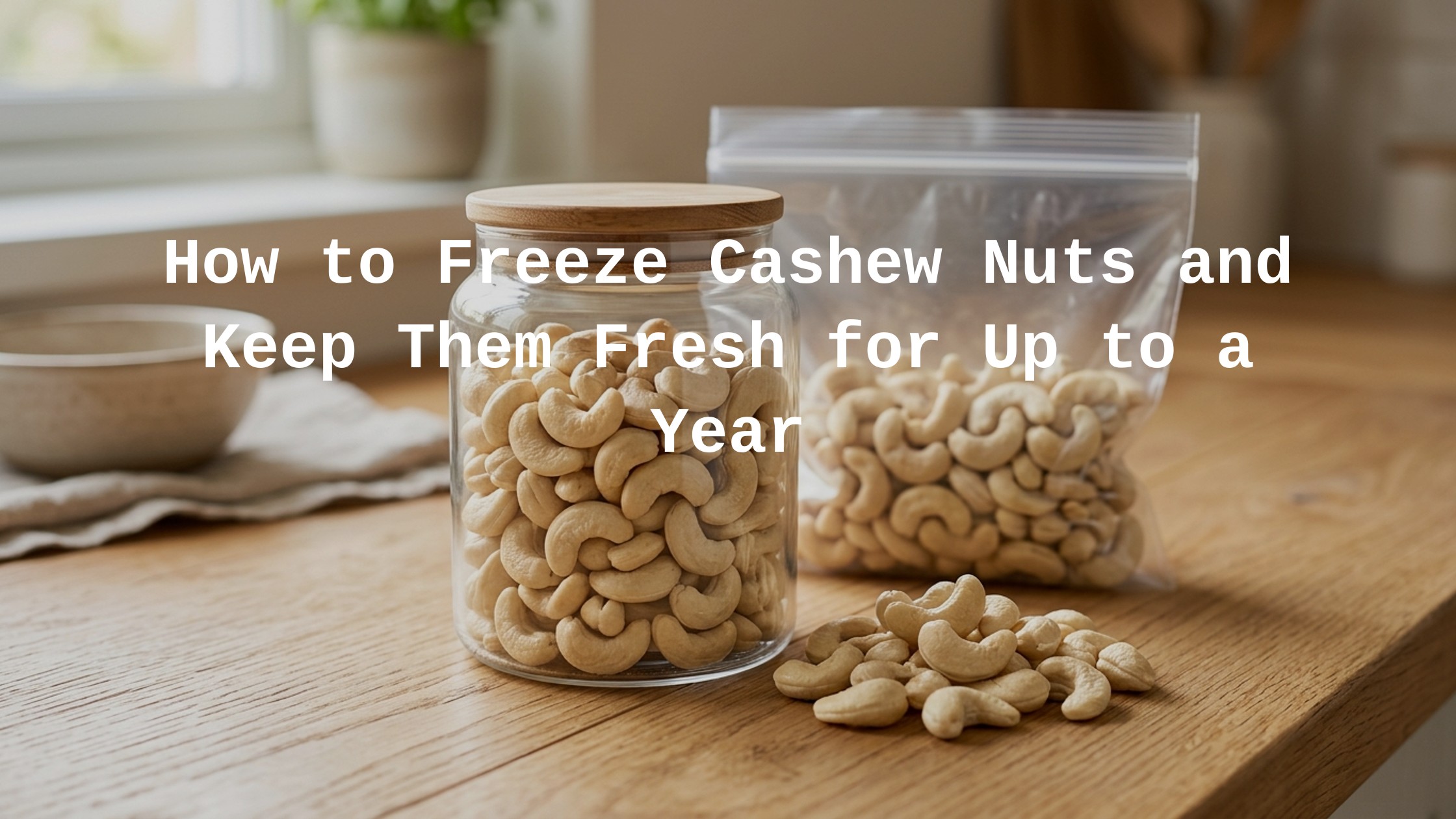
Cashew nuts are one of the most versatile foods in your kitchen — equally at home as a quick snack, blended into a creamy sauce, or tossed into a stir-fry. But cashew nuts come with a catch: their high natural oil content means they can go rancid faster than you might expect if they’re not stored properly.
The good news is that your freezer is one of the best tools you have for protecting that investment. Whether you bought a bulk bag and can’t get through it fast enough, or you simply want peace of mind that your cashews will still taste great months from now, freezing is a simple, effective solution.
Pro Tip: Always start with fresh, high-quality cashews before freezing. Once cashews have gone rancid, refrigerating or freezing them will not make them good again.
Yes, You Can Freeze Cashew Nuts — Here’s What to Know First
Cashews, like many other nuts, are sensitive to air, temperature, and even light. They have natural oils that make them rich and flavorful, but those same oils can turn sour if not protected. Exposure to too much air, especially warm or humid air, speeds up this process.
Because cashew nuts contain a large quantity of unsaturated fat — a delicate type of oil — they are especially susceptible to rancidity. Spoilage is hastened considerably more in the presence of light, oxygen, and heat. Freezing addresses all three of these threats at once, making it the most powerful long-term storage option available.
Storing cashew nuts in the fridge or freezer limits their exposure to all three of these factors, and will result in your cashews tasting less bitter and more vibrantly flavorful for a longer period of time. Before you toss your bag in the freezer, though, there are a few things worth understanding about how cashews behave when frozen — and how to do it correctly.
Can You Freeze Cashew Nuts? The Short Answer
Yes, you can freeze cashews! Freezing cashews is a simple and effective way to prolong their freshness and ensure they remain tasty for an extended period of time. When stored properly, frozen cashews can last up to a year without compromising their flavor or texture.
You can freeze cashews, and they hold up really well in the freezer — that’s a smart move when you buy in bulk. Both raw and roasted varieties freeze well, though there are a few small differences to keep in mind. Roasted cashews can be frozen just like raw cashews. However, keep in mind that freezing may affect the texture of roasted cashews, making them slightly softer.
Key Insight: Whole, raw cashews stay fresh longer than those that are chopped, salted, candied, or roasted. If long-term storage is your goal, freeze them whole and raw whenever possible.
Does Freezing Change the Texture or Taste of Cashew Nuts?
This is the question most people have before committing to the freezer, and the reassuring answer is: not much — as long as you freeze them correctly. When properly stored, freezing should not significantly impact the taste and texture of cashews.
Use freezer-safe bags or containers with tight seals, and portion them out so you’re only defrosting what you need. Cashews thaw quickly, and they won’t get mushy. In fact, some people find frozen cashews have an extra satisfying crunch to them straight from the freezer.
Where texture changes do become a concern is with cashew-based preparations rather than whole nuts. If there’s one thing that cashew cream can’t do, it’s freeze well. The problem is that after cashew cream freezes and thaws, the oils from the cashews and the liquids naturally separate. This automatically creates a less-than-ideal texture — one that’s probably a touch more gritty than when you first made it.
The bottom line: freeze whole or roughly chopped cashew nuts with confidence. Avoid freezing already-blended cashew creams or sauces if you want to preserve their smooth consistency.
How to Freeze Cashew Nuts the Right Way
Freezing cashews takes only a few minutes of preparation, but doing it correctly makes a real difference in the quality you get back when you thaw them. Follow these steps for best results.
- Start with fresh cashews. Only freeze cashews that are still in good condition. Check for any off smells or signs of staleness before freezing, since the freezer preserves quality — it doesn’t restore it.
- Transfer to a freezer-safe container. Before freezing cashews, make sure they are stored in an airtight container or freezer bag to prevent moisture absorption and freezer burn. It is best to transfer cashews from their original packaging to an airtight container or freezer bag before freezing them.
- Remove as much air as possible. Raw cashews can be stored in the freezer for up to a year. Just remember to use freezer-friendly packaging and to squeeze all the air out first so the nuts won’t develop ice crystals.
- Portion into smaller amounts. You can freeze cashews in bulk or divide them into smaller portions, depending on your needs. Dividing cashews into smaller portions can make it more convenient to thaw only the amount you need.
- Label and date your bags. Write the date on each bag or container so you know exactly how long they’ve been stored. This makes rotation simple and prevents waste.
- Place in the coldest part of your freezer. Avoid storing them in the freezer door, where temperatures fluctuate with each opening. A consistent, cold environment is key.
Important Note: Cashews are susceptible to absorbing moisture, which can lead to a loss of crispness and the development of mold. Keep cashews away from humid areas. A low-humidity environment helps maintain the cashews’ original texture and taste. Make sure your container is completely dry before adding the nuts.
How Long Can You Freeze Cashew Nuts?
Cashews are one of the better nuts for long-term freezer storage. Here’s a quick comparison of how long they last across different storage methods:
| Storage Method | Estimated Shelf Life | Best For |
|---|---|---|
| Room temperature (pantry) | Up to 6 months (unopened); 1–2 weeks once opened (roasted) | Short-term use |
| Refrigerator | 4–6 months | Medium-term storage |
| Freezer | Up to 1 year or more | Bulk buying, long-term storage |
You can store cashews for up to a year or more if you keep them in a sealed bag in a cool, dark, dry environment such as the freezer. Frozen cashews can last for up to a year without a significant loss of quality.
When stored properly, cashew kernels can maintain their quality for about a month at room temperature. However, if you place them in the refrigerator, their freshness can extend up to six months. So if you’re thinking about long-term food storage, the freezer is clearly the winner. You can learn more about types of food preservatives and how different preservation methods compare for various foods.
Pro Tip: Take out a week’s supply of cashews from the freezer at a time. That way you don’t have to wait for them to defrost every time you’re feeling snacky.
How to Thaw Frozen Cashew Nuts
One of the best things about frozen cashews is how forgiving they are when it comes to thawing. You have several options depending on how you plan to use them.
- Use them straight from the freezer. Thawing frozen cashews is not necessary in most cases. You can use frozen cashews directly in recipes, cooking, or snacking without thawing. This works especially well for cooked dishes like stir-fries, curries, and baked goods.
- Thaw at room temperature. If your cashews are in an unopened bag, take it out of the freezer. When you’re ready to use the nuts, you can warm them for 30 minutes or so on the counter so that they aren’t ice-cold anymore.
- Thaw in the refrigerator overnight. If you prefer to thaw cashews before using them, simply transfer the desired amount to the refrigerator and allow them to thaw overnight. Thawed cashews should be consumed within a few days.
When you’re ready to use nuts from your freezer, let them come to room temperature while their container is still sealed, so they won’t absorb any excess moisture. This small step helps preserve that satisfying crunch.
Important Note: If you need cashews for a baking project, feel free to skip defrosting. Frozen cashews can go directly into most batters and doughs without any issue.
Can You Refreeze Cashew Nuts After Thawing?
This is a question worth taking seriously. While cashews are more forgiving than, say, meat or fish, refreezing does carry some trade-offs for quality.
It is generally not recommended to refreeze cashews after they have been thawed. Frequent thawing and refreezing can degrade the quality of the cashews. Each freeze-thaw cycle introduces a small amount of moisture and can cause gradual changes in texture and flavor over time.
The best way to avoid this problem entirely is to portion your cashews before freezing. When you separate them into weekly or recipe-sized portions upfront, you only ever thaw exactly what you need. This approach protects the rest of your supply and keeps every batch tasting its best.
If you’ve thawed cashews in the refrigerator and haven’t used them all, consume them within a few days rather than returning them to the freezer. Understanding smart frozen food handling principles helps you get the most out of any frozen ingredient.
How to Use Frozen Cashew Nuts (Best Uses After Freezing)
Frozen cashews are remarkably versatile. Whether you thaw them first or use them straight from the freezer, they perform well across a wide range of cooking applications. Here are the best ways to put them to work:
- Stir-fries and curries. Enhance stir-fries and curries by incorporating whole cashews for a satisfying bite and a dose of protein and healthy fats. No thawing required — they cook beautifully from frozen.
- Salad toppings. Roasted cashews are great for salad toppers and snacking in moderation. Thaw briefly at room temperature before using so they aren’t ice-cold when they hit your greens.
- Baked goods. Include whole cashews in baked goods, such as cookies, muffins, and energy bars, for a delightful taste and texture. Add them directly to batter without thawing.
- Cashew cream and milk. Thaw your cashews fully before soaking and blending. Soaking cashews softens them and helps make them more blendable and digestible. For best results, use a 1:3 ratio of nuts to water when soaking, and always drain and discard the soaking water.
- Snacking. Let them thaw at room temperature for 20–30 minutes for a snack that tastes just as good as fresh. Their buttery, slightly sweet flavor holds up beautifully after freezing.
- Roasting. You can roast cashews straight from the freezer. Roasting cashews brings out their natural flavors and adds a delicious, crunchy texture. To roast cashews, place them in a single layer on a baking sheet and roast at 350°F for 8–10 minutes, or until golden brown.
Key Insight: Cashews are a nutritional powerhouse worth preserving well. Most of cashews’ fat content is unsaturated. Cashews also have the highest iron content of all nuts and are a good source of zinc. Proper freezing ensures you don’t lose a single nutritional benefit. They’re also a great addition to heart-healthy food choices and whole plant-based diets.
Signs That Frozen Cashew Nuts Have Gone Bad
Even in the freezer, cashews can eventually degrade — especially if the packaging wasn’t airtight or they’ve been stored for well over a year. Here’s what to look for before eating frozen or thawed cashews:
- Rancid smell. Another common sign of spoilage is an off smell. If your cashews give off an odor that reminds you of old paint or nail polish remover, that’s a sure sign they’re done for.
- Bitter or harsh taste. Rancid cashews taste harsh and bitter. That flavor change is the most common sign of rancidity.
- Shriveled or discolored appearance. They may appear visually shriveled, darker, or completely dry, reflecting a brittle consistency.
- Mold growth. Mold development is one of the first indicators that your cashews have gone bad. If you find any on your nuts, throw them away.
- Freezer burn. This appears as whitish, dry patches on the surface of the nuts. While freezer-burned cashews aren’t unsafe to eat, the texture and flavor will be noticeably compromised. Prevent it by ensuring your container is properly sealed with all air removed.
- Soft or spongy texture. Feel the cashew nuts. They should be firm and snap crisply when broken. Any softness or sponginess can indicate moisture issues that could lead to spoilage.
Fresh and high-quality cashews have a crunchy and creamy texture with a mildly sweet taste. Look out for a stale or fish-like taste, as this may indicate that the nuts are not fresh. When in doubt, trust your senses — and toss anything that doesn’t pass the smell or taste test. Knowing which nutrient-dense foods are worth keeping fresh reinforces why proper storage matters for your overall diet.
Frequently Asked Questions
Can you freeze both raw and roasted cashews?
Yes, both raw and roasted cashews can be frozen. Raw cashews tend to maintain their texture slightly better over time, while roasted cashews may become a touch softer after thawing. Either way, both types freeze well and remain usable for up to a year.
Do frozen cashews need to be thawed before eating?
Not necessarily. Thawing frozen cashews is not necessary in most cases. You can use frozen cashews directly in recipes, cooking, or snacking without thawing. For snacking, a short rest at room temperature improves the experience.
Can you freeze cashew butter?
Cashew butter can be frozen for longer storage. Just ensure that it is stored in an airtight container and thawed in the refrigerator when needed.
Can you freeze cashew milk?
Cashew milk can be frozen, but it may undergo some separation and texture changes. Shake or stir the thawed cashew milk vigorously to bring it back to a smooth consistency.
How do you prevent freezer burn on cashews?
The key is airtight packaging with as little air as possible. Use a vacuum-sealed bag or press all the air out of a freezer-safe zip bag before sealing. Cashews going in the freezer will also need to be in an airtight container or freezer bag. Double-bagging is an extra layer of protection for long-term storage.
How do you know when cashews have gone bad?
If you notice an off smell, discoloration, or a rancid taste, it’s an indication that the cashews may have gone bad. Always inspect thawed cashews before using them, regardless of how long they’ve been in the freezer. For more information on foods that support your health, explore powerful nutrients in everyday foods and how to keep them at their best.
Is it better to refrigerate or freeze cashews?
Both are better than leaving them at room temperature, but the freezer wins for long-term storage. While cashews are okay at room temperature for short periods, storing them in the fridge or freezer will keep them fresh much longer. In the fridge, they’ll stay good for up to six months; in the freezer, they’ll last up to a year. Choose the freezer if you’re buying in bulk or won’t use them within a few months. For more ideas on keeping your pantry stocked with healthy options, check out foods that support healthy skin and foods that support liver function — many of which store just as well as cashews.