Why Is My Aloe Vera Mushy? Causes, Fixes, and Prevention Tips

September 14, 2026
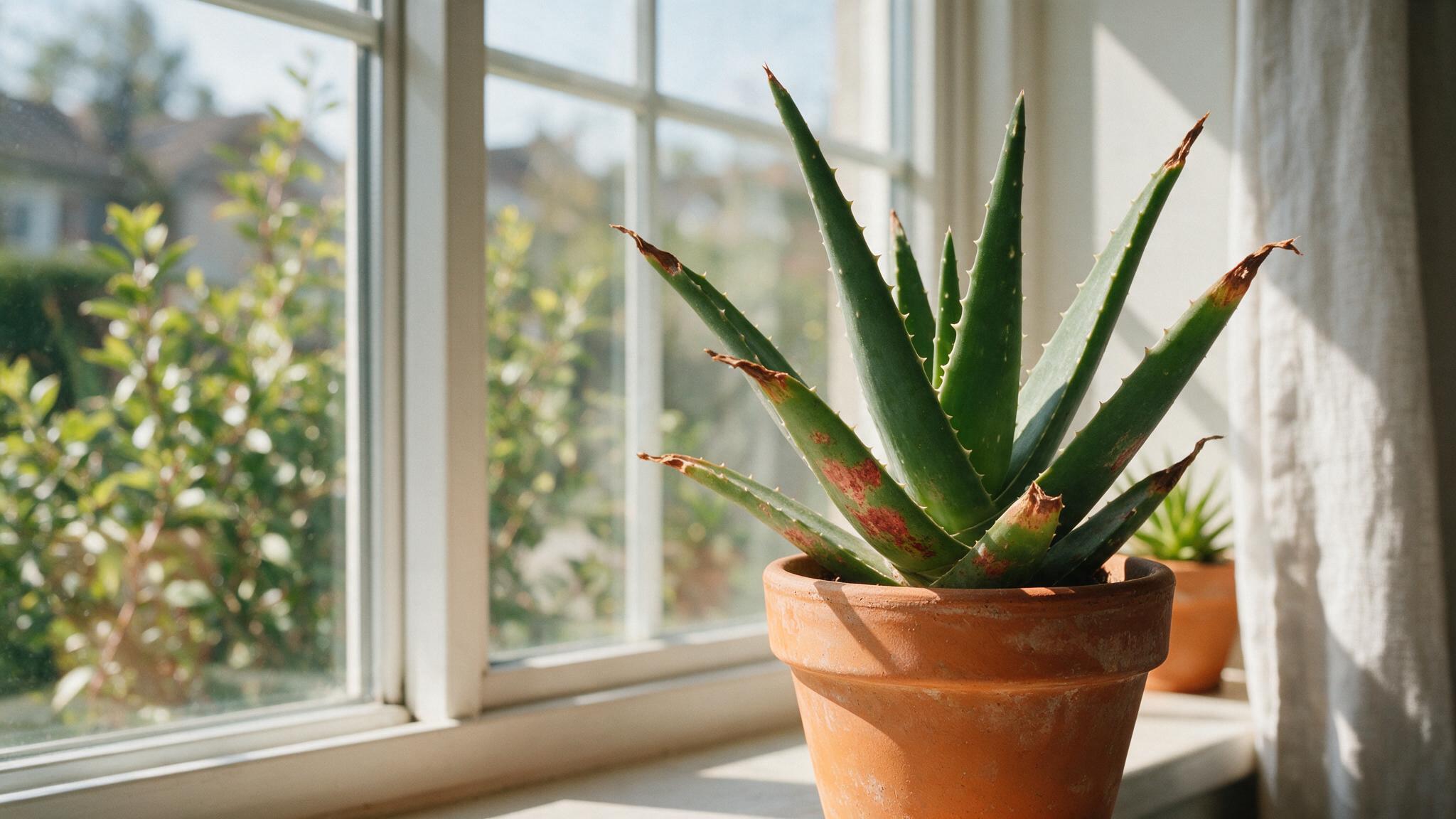
Aloe vera has a well-earned reputation as one of the toughest houseplants around, but even this drought-loving succulent can develop soft, squishy leaves that signal something has gone wrong. If you’ve pressed a leaf and felt it give way like an overripe fruit, you’re not alone — mushy aloe is one of the most common complaints among US houseplant owners, and the good news is that it’s usually diagnosable and fixable.
The key is understanding what your plant is actually telling you. Mushiness is a symptom, not a single disease, and the right fix depends entirely on the right diagnosis. This guide walks you through every major cause, a step-by-step diagnostic process, and clear action steps to rescue your plant and keep it firm and healthy going forward.
What Does It Mean When Your Aloe Vera Is Mushy?
Aloe vera (Aloe barbadensis Miller) is a succulent that stores water inside its thick, gel-filled leaves. Aloe vera evolved in dry, rocky regions of the Arabian Peninsula, and its thick leaves serve as its water reservoir — meaning the roots are built for brief soakings followed by long dry spells. When something disrupts that balance, the leaves lose their firm, plump texture and turn soft.
The soggy feel you notice is because the stem tissues are holding excess moisture, and leaves also develop water-soaked spots that make the plant look soft, weak, and mushy. In practical terms, mushiness means the plant’s cells are either flooded with water they cannot process, or they are decaying from a secondary infection that followed excess moisture.
A healthy aloe leaf may have a little give because it’s filled with gel, but if your aloe vera feels mushy like a banana mashed inside the peel, that’s too soft and is a sign of plant rot. Knowing the difference between normal gel-firmness and true mushiness is the first step toward helping your plant.
Is Mushiness in Aloe Vera Always a Sign of a Problem?
Not every soft spot means your plant is in crisis. Not every drooping or softening leaf is a distress signal — as an aloe vera matures, its oldest, outermost leaves naturally relax and sprawl away from the center while the plant pours its energy into fresh growth at the core. If only the lowest, oldest leaves feel slightly less rigid while the center of the rosette looks upright and healthy, that is normal aging.
True problem mushiness, however, is different. It typically starts at the base of the plant or affects multiple leaves at once, and it is often accompanied by discoloration — yellowing, browning, or a translucent, water-logged appearance. A firm, droopy leaf usually recovers once you fix the cause. A mushy one will not — and should be removed.
Pro Tip: Squeeze a leaf gently between two fingers. Firm with a slight give is healthy gel. Soft enough to compress easily, or that collapses when pressed, signals a real problem that needs attention now.
Watering Issues Causing Aloe Vera Mushiness
The most common cause of yellowing and browning stalks among aloe plants is watering too frequently. You should only water your aloe when 100% of the soil volume is dry. This is where most US houseplant owners go wrong — they apply the same watering schedule they use for tropical houseplants, which is far too frequent for a desert succulent.
Overwatering is the prime suspect when you’re faced with mushy leaves. Aloe vera plants are drought-tolerant succulents that store water in their leaves, so they don’t need frequent watering. When their roots soak in water for too long, the leaves can become saturated and start to decay from the inside out.
Underwatering, by contrast, produces a distinctly different texture. A severely under-watered aloe drains its leaf reservoirs trying to survive. The leaves go thin, develop wrinkles, curl inward at the edges, and lose the internal water pressure that keeps them rigid — but they stay leathery, not mushy. If your leaves are wrinkled and dry rather than soft and wet, the fix is more water, not less.
For a reliable watering schedule, allow the top third of potting mix to dry out between waterings. For example, if your plant is in 6 inches of growing medium, allow the top 2 inches to dry out before watering again — use your finger to test the dryness of the soil. Generally, plan to water your aloe about every 2–3 weeks in the spring and summer and even more sparingly during the fall and winter.
Pot material also plays a role. Pots made of porous material like terracotta help the soil drain out, while plastic pots cause the soil to retain more moisture. Glass is another material to avoid, as it will not allow water to drain out. Pair your watering habits with the right container to cut your risk significantly. You can find more guidance on general aloe vera care in this aloe vera care guide.
Light Conditions Behind Aloe Vera Mushiness
Light and water are closely connected when it comes to mushy aloe. Just as too much sunlight can damage your aloe vera plant, not enough sunlight also causes discoloration and poor plant structure. Aloes that are not getting enough sunlight will look spindly and pale yellow, and the leaves will often droop. Many times, aloe grown under low light stays too wet because it is not photosynthesizing as much as it should be — and because of this excess water, stems often get mushy and collapse.
Aloe vera needs at least 6 hours of sunlight a day, either all at once or as a combination of different times throughout the day. East or west-facing windows work well because the intensity is not as strong as it would be in a southern exposure. If you only have a south-facing window, use a sheer curtain to diffuse the light.
On the flip side, harsh direct afternoon sun can cause a different kind of damage — sunburn that looks dry and crispy, not mushy. The only instance a browned aloe vera may turn green again is if the brown or reddish color is due to sun stress. Other forms of damage from overwatering or burn damage kill off cells and tissue entirely, so there is no reversing a brown aloe vera leaf back to green if the damage was caused by anything other than natural sun stress.
If you’re growing aloe in a lower-light space, check out this list of best houseplants for low-light areas to see whether aloe is the right fit or whether a different plant might thrive better in your conditions.
Soil, Nutrients, and Root Health Causing Aloe Vera Mushiness
Even if your watering schedule is perfect, the wrong soil can still cause mushy leaves. Roots need airflow and oxygen to breathe, so if the soil isn’t allowing water to be effectively wicked up by the roots, the aloe’s roots aren’t getting the air they need and are suffocating. This is the same mechanism that happens with overwatering. To fix this, repot your plant in a well-draining soil mix and ensure your pot has a drainage hole. Cactus and succulent mixes with coarse sand are a good choice for aloes.
Root rot in aloe vera is primarily a fungal disease caused by pathogens such as Phytophthora, Pythium, or Fusarium species. These fungi thrive in overly moist, poorly aerated soil environments, attacking the plant’s roots and preventing nutrient absorption. Once infected, the roots become soft, brown, and mushy, compromising the plant’s overall health.
Over-fertilizing is another lesser-known culprit. Aloes are not very hungry plants, so if you fertilize regularly, this can cause browning. Damage done by excess fertilizer is in the form of salt formation around the roots, which can hinder your plant’s ability to uptake and transport water. A light application of diluted succulent fertilizer once or twice a year during the growing season is more than enough.
Pro Tip: A common soil recipe recommended by succulent growers is roughly two parts cactus potting mix to one part perlite or coarse pumice. This ratio drains fast enough to prevent root saturation while still holding some moisture for the roots to absorb.
If you are curious about the different varieties of aloe that exist and whether your specific plant has unique soil needs, browse the different types of aloe vera plants for reference.
Environmental Stress Triggering Aloe Vera Mushiness
Temperature is a major but often overlooked cause of mushy aloe. Aloe vera does not do well when temperatures dip below 50°F. Tissue damage can result from exposure to low temperatures, often seen as soft, mushy leaves that look somewhat clear or translucent — similar to what happens when produce like lettuce freezes accidentally in the refrigerator.
Aloes are usually only hardy to around 40°F. Unprotected plants will look dark brown or black and have softened, mushy leaves that will often flop over completely. If you bring your aloe outdoors during summer — a common practice in warmer US states — bring it back inside before nighttime temperatures drop in the fall.
Cold damage can also happen indoors. It is possible for your aloe to get frost damage indoors as well. In the winter, if your aloe plant sits too close to a window or is near an exterior door that is frequently used, the exposure to cold air can cause tissue damage. Move your plant at least a foot away from exterior glass during cold months.
Aloe vera also benefits from good air circulation. Ensure it’s not stuck in a stagnant corner, since good airflow helps prevent moisture buildup, which can lead to soggy leaf issues. This is especially relevant for plants kept in bathrooms or enclosed indoor spaces with high humidity.
Pests and Disease Leading to Aloe Vera Mushiness
While overwatering is the most common cause of mushy aloe, pests and fungal disease can produce the same soft, decaying leaves — and they are easy to miss. Pests and diseases can weaken your aloe vera, making it more susceptible to mushiness. Pests like spider mites or fungal infections can cause damage that manifests in soft, decaying leaves, so keep an eye out for any unusual spots, insects, or signs of disease to catch these problems early.
Mealybugs and scale tend to top the list of bugs that attack aloe. Mealybugs are white, cottony insects that commonly hang out on the underside of leaves and on plant stems near leaf nodes. Scale is a brown or black insect pest that likes to live on the leaves, specifically the mid-rib of the leaf — these insects often resemble tiny little helmets in shape.
Aloe vera aphids are among the most destructive pests. They have an oval body that is either green or orange-brown and covered with a thin layer of white wax, and they live around the base and rolled tips of the leaves, where they feed and hide from predators. In large numbers, they can cause severe damage.
Fungal disease is a separate but related threat. Fungal diseases are a major threat to aloes both in homes and in commercial fields. Basal stem rot, often caused by fungi like Geotrichum candidum, creates decay right at the soil line, which can look identical to advanced root rot.
- Mealybugs: Wipe off with a cotton swab dipped in a 50/50 mix of rubbing alcohol and water, then treat with insecticidal soap.
- Aphids: Aphids can be controlled similarly to mealybugs and scale. Insecticidal soaps and horticultural oils work well at smothering them.
- Fungal infections: Isolate the infected plant to prevent spread, trim off mushy parts with a sterile blade, and treat with a fungicide. Natural options like neem oil can work, but for a serious infestation, a product specifically labeled for succulents may be needed.
- Soft rot disease: If the plant displays symptoms of soft rot disease, destroy it to prevent the spread of the lethal disease. Making the environment as inhospitable as possible for the pathogen is the ideal way to avoid such infections.
Keeping cats away from your aloe is also worth noting — curious pets can damage leaves and introduce stress. See our tips on how to keep cats out of house plants for practical strategies.
How to Diagnose Why Your Aloe Vera Is Mushy
Diagnosing mushy aloe correctly before you act is what separates a plant you save from one you accidentally finish off. Work through these checks in order:
- Feel the leaves. Firm and droopy points to a light, thirst, or repotting issue. Soft and mushy points to rot — do not water.
- Check the soil. Push a finger two inches down into the soil. Wet soil 24 or more hours after watering means you are in overwatering territory.
- Smell the pot. Soft or mushy roots that break apart easily, combined with a foul smell emanating from the soil or the plant, can strongly indicate rot.
- Inspect the roots. Gently remove the aloe vera from its pot to inspect the roots directly. Healthy roots are firm, white or light tan, while roots affected by rot appear dark, soft, and slimy.
- Look for pests. If you notice small bugs, sticky residue, or webbing on your plant, pests may be the culprit.
- Check temperature history. Has the plant been near a cold window, an air conditioning vent, or outdoors during a cool night? Cold damage produces translucent, mushy tissue that starts from the tips inward.
| Symptom | Most Likely Cause | Key Confirmation |
|---|---|---|
| Mushy, translucent leaves + wet soil | Overwatering / root rot | Dark, slimy roots; sour smell from pot |
| Mushy leaves + dry, wrinkled texture nearby | Underwatering (rare) | Bone-dry soil; leaves leathery, not slimy |
| Mushy leaves + clear or glassy appearance | Cold/frost damage | Plant was near cold window or outdoors |
| Mushy spots + visible insects or webbing | Pest infestation | Cottony fluff, tiny bugs, sticky residue |
| Mushy base + soil line decay | Basal stem rot (fungal) | Decay at soil level even with correct watering |
If you want help identifying your specific aloe variety before diagnosing the problem, the best iPhone apps for identifying plants can be a quick and useful resource.
How to Fix an Aloe Vera That Is Mushy
Once you have identified the cause, act quickly. The longer mushy tissue remains on the plant, the more likely rot is to spread. Here is how to address each scenario:
Fixing Overwatering and Root Rot
Stop watering immediately. Slide the plant out of its pot and inspect the roots — white and firm are healthy; black, brown, or slimy are rotted. Trim rotted roots with sterile shears, repot into dry, gritty succulent mix, and wait 7–10 days before the first watering.
After removing all rotted material, consider dusting the remaining healthy roots with a bit of cinnamon powder — it acts as a natural antifungal and helps shield fresh cuts from new pathogens. Then lay the plant out on a paper towel in a dry spot with good air circulation, out of direct sun, to let the cut ends dry out and form a callus.
Rinse the remaining roots with a 3% hydrogen peroxide solution to eliminate fungal infection, and use the same solution to clean the container you’ll repot the aloe into — this is a precaution to prevent the fungal disease from spreading when you put it in a new potting mix.
When the Damage Is Too Severe
If your plant’s main stem is soft, this is a sign the rot has spread completely throughout the plant and is unfortunately not salvageable. You can start over again with a new aloe, ensuring you’ve got it in the right soil, and be a bit less frequent with the waterings.
Your best option to save a water-damaged aloe vera plant may be to propagate new plants from healthy leaf cuttings, though propagating from leaf cuttings is less likely to be successful compared to propagating from aloe offshoots. To propagate leaf cuttings, plant them upright in a potting soil mix and ensure regular misting until the cutting develops a root system and new growth.
Fixing Cold Damage
Move the plant somewhere warm and frost-free right away, away from drafty windows and vents. Cold-damaged leaves will not recover — trim them once it is clear which tissue is gone. If the central stem and roots stayed firm, the plant can push new growth over the following weeks.
Fixing Pest-Related Mushiness
Aloe vera plants are generally pest-free but may occasionally attract mealybugs or aphids. These pests can be controlled by wiping them off with a cotton swab dipped in rubbing alcohol, spraying them with insecticidal soap or neem oil, or using a systemic insecticide. Always remove visibly mushy or infected leaves with clean scissors before treating, so the product reaches healthy tissue.
Important Note: Always sterilize your cutting tool between each snip when removing rotted tissue. Wiping the blade with 70% isopropyl alcohol between cuts prevents you from spreading fungal or bacterial pathogens from one part of the plant to another.
Once your aloe is back on track, you may want to explore the many ways to use its gel — from aloe vera gel applications to learning how to make aloe vera juice. You can also read about the important reasons why you should own an aloe vera plant as a reminder of why it’s worth saving.
How to Prevent Aloe Vera Mushiness Going Forward
Prevention is far easier than rescue. Once you’ve corrected the immediate problem, these habits will keep your aloe firm and healthy long-term.
- Water by soil feel, not by schedule. Only water your aloe when 100% of the soil volume is dry. Stick your finger two inches into the soil before every watering session.
- Use the right pot. A pot made from terra-cotta or similar porous material is recommended, as it will allow the potting mix to dry thoroughly between waterings and will also be heavy enough to keep the plant from tipping over.
- Choose fast-draining soil. A common recommendation is roughly two parts cactus soil to one part perlite or coarse pumice. Never use standard potting soil alone — it holds too much moisture for aloe roots.
- Never let the pot sit in standing water. When you water your aloe, provide enough water so that liquid flows from the drainage hole at the bottom and into the saucer — then discard any excess water in the saucer. Your aloe doesn’t like “wet feet,” which will cause the roots to rot.
- Maintain temperature above 50°F. Keep potted aloe above 50°F (10°C) to stay safely clear of the danger zone. Move it away from exterior windows and drafty doors in winter.
- Ensure good airflow. Keep the leaves dry, especially when you water. Water the soil, not the plant. Stagnant, humid air encourages fungal growth.
- Inspect regularly for pests. Prevention of pests starts with keeping your plant healthy and maintaining good plant hygiene: prompt removal of dead or diseased leaves, keeping your plant well-hydrated as needed, and ensuring your plant has proper drainage.
- Fertilize sparingly. Apply a half-strength succulent fertilizer once or twice during the growing season only — spring and early summer. Skip fertilizing entirely in fall and winter.
If you enjoy growing other types of succulents and drought-tolerant plants alongside your aloe, check out the guide to different types of yucca plants and different types of rubber plants for other low-maintenance options that share similar care needs. For a broader overview of the plant world, the types of plants guide is a great starting point.
FAQ
Why Are My Aloe Vera Leaves Mushy but the Soil Is Dry?
If the soil is dry but the leaves are still mushy, the damage was likely already done during a previous overwatering episode. Root rot can persist and continue affecting the leaves even after the soil dries out. Unpot the plant and inspect the roots — if they are dark and slimy, treat for root rot even though the soil surface feels dry now.
Can a Mushy Aloe Vera Plant Be Saved?
It is possible to revive an aloe plant that’s been overwatered if you identify the symptoms and apply a fix soon enough. Even with root rot, you can still save the plant by pruning off the affected roots and replanting with the remaining healthy roots. The key variable is how far the rot has spread. If the main central stem is still firm, your odds are good.
How Often Should I Water Aloe Vera to Prevent Mushiness?
Water your aloe vera only when the soil is about three-quarters of the way dry. In the summer, this might be every 2–4 weeks, depending on your plant’s conditions, pot size, and soil mix. During the winter months, cut back on watering even more, since this is a rest period for houseplants.
Why Is My Aloe Mushy at the Base but Fine at the Tips?
Instead of dry, crispy tips, overwatered aloe shows mushy, almost translucent brown spots on the leaves. This decay typically starts at the base of the plant and slowly works its way up. Mushiness at the base that hasn’t reached the tips yet is actually a good sign — it means you caught the problem early and the plant is very likely salvageable.
What Soil Mix Is Best for Preventing Mushy Aloe?
Aloe vera is susceptible to fungal diseases such as root rot, basal stem rot, and aloe rust, which are generally caused by overwatering or poor drainage. To prevent them, water sparingly and only when the soil is dry. Use well-draining, gritty soil and plant in pots with drainage holes on the bottom. A commercial cactus mix blended with perlite is the easiest off-the-shelf solution for most US gardeners.
Is a Mushy Aloe Leaf Still Usable?
No. A mushy leaf has compromised cell structure and the gel inside has degraded. It should be removed from the plant entirely and discarded. Only firm, plump, green leaves contain viable gel. If you want to learn more about harvesting and using aloe gel properly, the how to eat aloe vera guide and benefits of aloe vera water article are helpful starting points.