Can You Freeze Fried Eggs? What to Expect and How to Do It Right

October 31, 2026
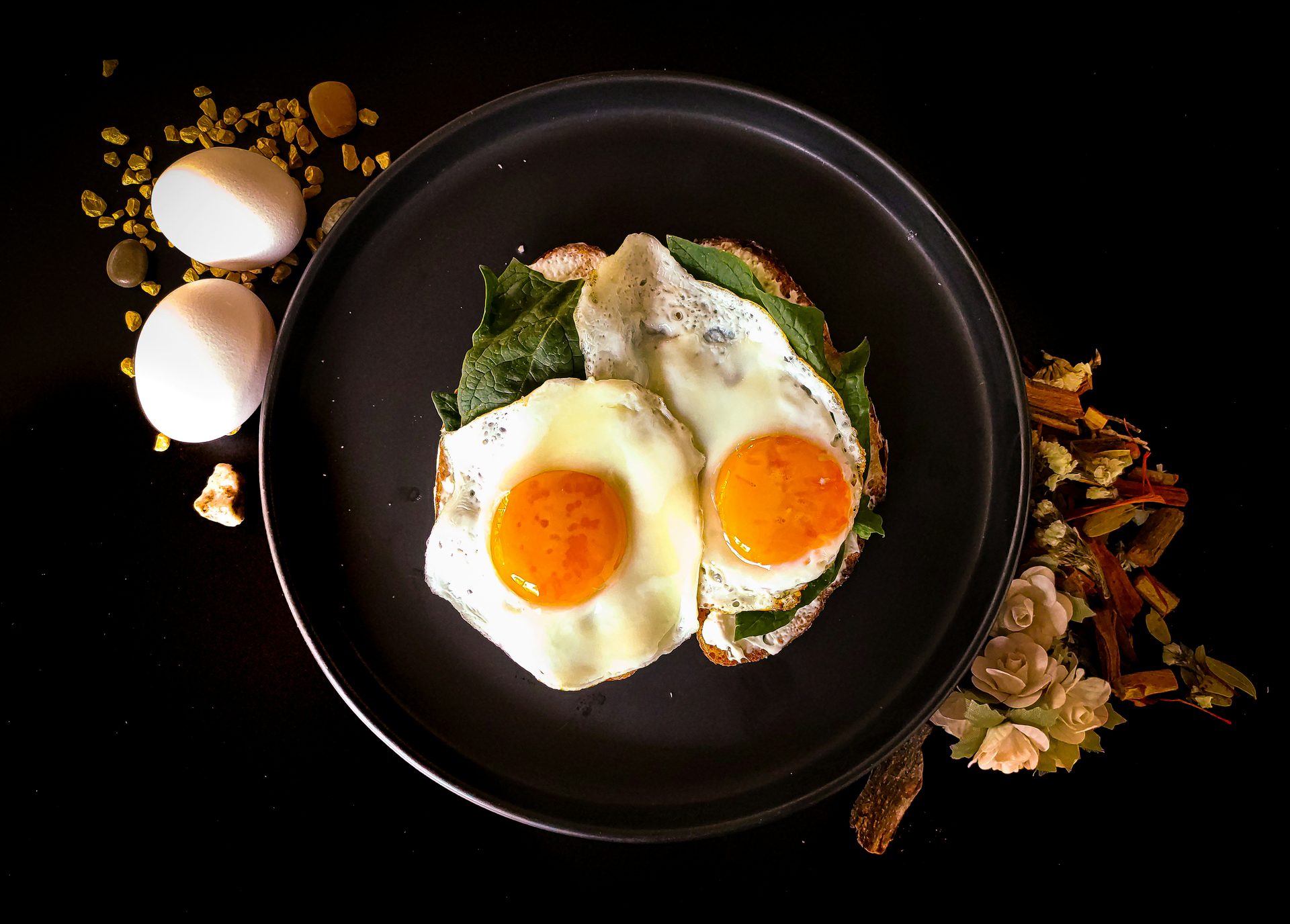
Freezing fried eggs is one of those meal-prep moves that sounds questionable until you actually try it. Whether you cooked too many eggs at Sunday brunch or you want a fast weekday breakfast ready to go, storing fried eggs in the freezer is a real, practical option — with a few important caveats.
The short answer is yes, you can freeze fried eggs. Freezing fried eggs is safe and practical for many cooks, though texture does change during freezing, especially in the yolk. Knowing what to expect — and how to work around it — is the difference between a disappointing rubbery egg and a breakfast that still gets the job done. This guide covers everything you need to know about freezing and storing eggs the right way.
Can You Freeze Fried Eggs?
Yes, you can freeze fried eggs, but they come with more caveats than other egg preparations. While it’s possible to freeze and reheat cooked eggs, the process can change their texture because ice crystals form in the eggs’ high moisture content, disrupting their structure and resulting in a rubbery or watery texture when thawed.
Freezing cooked eggs with separate whites and yolks — like poached, fried, or over-easy eggs — should be approached with caution; the whites can become tough, and the yolks firm up when reheated to the safe temperature of 165°F. That said, if your goal is a quick breakfast sandwich or a chopped egg topping rather than a picture-perfect sunny-side-up, frozen fried eggs absolutely work.
It comes down to time versus texture — fresh will always taste best, but frozen fried eggs save time and prevent food waste. They’re not restaurant-perfect, but they’re real-life good, especially on busy mornings when convenience wins.
Pro Tip: Freeze fried eggs that are cooked all the way through — over-hard or over-medium. Runny or soft yolks do not survive the freezer well. The water content in a runny yolk destroys its structure when thawed.
Does Freezing Change the Texture or Taste of Fried Eggs?
Yes — and it’s worth understanding exactly how so you can plan around it. Eggs are mostly water and protein, held in a delicate emulsion. When you freeze a cooked egg, the water forms ice crystals that puncture the protein structure. This is the root cause of most texture complaints after freezing.
As the ice crystals form, this causes a rubbery texture after freezing that’s most noticeable in the yolk. The white holds up a bit better because its protein network is more elastic. You’ll also notice that frozen fried eggs tend to lose their crispness due to moisture redistribution during thawing, resulting in a softer, more uniform consistency.
On the flavor side, the news is better. Freezing is unlikely to affect the flavor of raw or cooked frozen eggs in any significant way. The taste stays largely intact — it’s the mouthfeel and structure that take the hit. After a few days, there’s practically no change. After two weeks, whites are slightly firmer but still totally fine once reheated in a skillet. After a month, the edges get a little tougher, but the eggs are still flavorful and hold together well.
How to Freeze Fried Eggs the Right Way
Getting the process right matters more than most people realize. Skipping steps — especially cooling — leads to freezer burn and worse texture on reheating. Follow these steps for the best results.
- Cook your eggs all the way through. Fry them over-hard or over-medium. Avoid freezing eggs with runny yolks — runny yolks do not freeze well because the water content destroys their structure when thawed.
- Let them cool completely. Cool the eggs completely first — freezing hot eggs creates steam, which turns to ice and ruins texture. Set them on a wire rack or plate at room temperature until they reach room temp.
- Flash-freeze individually. Line a baking sheet with parchment, arrange cooled eggs in a single layer, and freeze for 1–2 hours. This step keeps the eggs from sticking together in storage.
- Wrap and bag them. Once solid, wrap each egg tightly in plastic wrap or foil. Then transfer to a zip-top freezer bag, pressing out as much air as possible before sealing.
- Label with the date. Label each bag with the preparation type and date so you always know exactly what’s in the freezer and how long it’s been there.
- Store at 0°F. Keep the freezer at a consistent temperature of 0°F (-18°C) or below to ensure that the eggs remain frozen and safe.
Pro Tip: Avoid thin sandwich bags that trap air against the egg surface. Use heavy-duty freezer bags or wrap tightly in plastic wrap before bagging to prevent freezer burn from developing on the edges.
How Long Can You Freeze Fried Eggs?
Frozen fried eggs taste best within six months, though they remain safe to eat for up to a year if stored properly at 0°F. This aligns with broader guidance from the U.S. Food and Drug Administration , which states that frozen eggs should be used within one year.
For the best eating experience, aim to use your frozen fried eggs within the three-month mark. For the best quality, use frozen eggs or cooked eggs within three months. Beyond that window, the texture continues to degrade even though the eggs remain safe to eat.
| Storage Period | Quality | Safety |
|---|---|---|
| Up to 1 week | Excellent — nearly like fresh | Safe |
| 1–3 months | Good — minor texture changes | Safe |
| 3–6 months | Fair — noticeable firmness in whites | Safe |
| 6–12 months | Declining — best used in mixed dishes | Safe if stored at 0°F |
| Over 12 months | Poor | Not recommended |
How to Thaw Frozen Fried Eggs
Thawing slowly and safely is just as important as the freezing process itself. Thaw overnight in the fridge by placing the frozen egg on a plate in the refrigerator. Slow thawing gives the protein structure more time to reabsorb moisture. This is the best method for preserving whatever texture remains after freezing.
According to the American Egg Board’s Incredible Egg resource , when you’re ready to use frozen eggs, thaw them overnight in the refrigerator or under running cold water. If you’re short on time, the cold-water method works — submerge the sealed bag in a bowl of cold water and change the water every 30 minutes.
Once thawed, reheat gently. Reheat in a skillet by adding a small pat of butter or oil to a nonstick pan over medium-low heat and cooking the egg for 1 to 2 minutes per side until warmed through. If you use a microwave, microwave on 50 percent power in 20-second bursts — full power toughens the egg quickly and creates hot spots.
Important Note: Never thaw fried eggs at room temperature. Leaving cooked eggs out at room temperature for more than two hours puts them in the bacterial danger zone. Always thaw in the refrigerator or under cold running water.
Cooked eggs and egg dishes that have been refrigerated for serving later should be thoroughly reheated to 165°F before serving. Use an instant-read thermometer if you want to be precise, especially when reheating for children or anyone with a compromised immune system.
Can You Refreeze Fried Eggs After Thawing?
No. Once a fried egg has been thawed, do not put it back in the freezer. Don’t refreeze raw or thawed eggs. Once thawed, bacteria can grow if time-temperature controls slip. The safe move is to cook them promptly.
Never refreeze thawed eggs — this increases the risk of bacterial overgrowth and degrades quality significantly. The texture, which was already compromised by the first freeze, would become unpleasant after a second freeze-thaw cycle.
If you thawed more eggs than you needed, use the extras in a cooked dish the same day. Scramble them into fried rice, chop them into a breakfast burrito, or stir them into a casserole. Do not put them back in the freezer. For more ideas on how eggs fit into a balanced diet, check out this guide on how many calories are in two fried eggs.
How to Use Frozen Fried Eggs (Best Uses After Freezing)
The key to enjoying frozen fried eggs is matching them to the right application. Because the texture softens and the yolk firms up, you’ll get the best results when the egg is part of a larger dish rather than the star of the plate.
- Breakfast sandwiches: A toasted English muffin or biscuit can mask some texture changes, so if you’re making breakfast sandwiches, frozen fried eggs are a practical option even with the slight quality tradeoff.
- Breakfast burritos: Wrap a thawed, reheated fried egg with cheese, salsa, and beans in a flour tortilla. The other ingredients absorb any textural inconsistencies.
- Rice bowls: Slice or chop the reheated egg over a bowl of fried rice or grain bowls. Thawed beaten eggs shine in scrambles, omelets, frittatas, quiche, strata, fried rice, and breakfast burritos.
- Egg-topped toast: Place a reheated fried egg on avocado toast or a savory grain bowl where the other toppings carry the dish.
- Chopped into salads: A sliced frozen-and-reheated fried egg adds protein to a green salad or grain bowl without anyone noticing the slightly firmer texture.
- Casseroles and bakes: Once properly thawed, eggs perform similarly to fresh eggs in recipes like casseroles. The chemical leavening and binding properties of eggs remain largely intact even after freezing.
What you want to avoid is serving a thawed fried egg as a standalone plate presentation — like sunny-side-up on its own. Skip runny-yolk presentations like poached or sunny-side — frozen yolks don’t bounce back perfectly. For more on how eggs support overall nutrition and wellness, see this overview of superfoods for a healthy heart.
Signs That Frozen Fried Eggs Have Gone Bad
Even in the freezer, fried eggs can go bad — or at least reach a point where they’re no longer worth eating. Here’s what to look for before you reheat a frozen egg.
- Freezer burn: Grayish-white, dry, leathery patches on the surface of the egg indicate freezer burn. The egg is technically safe but will taste dry and bland. Heavily burned eggs are best discarded.
- Off smell after thawing: Overcooking degrades flavor and gives eggs an unpleasant sulfurous profile. If a thawed egg smells strongly sulfurous or sour rather than mildly eggy, discard it.
- Slimy or watery texture: A common problem during freezing of fried eggs is that the food product exhibits syneresis, or the loss of water, either when frozen and reheated, or when stored for an extended period of time. Excessive weeping of liquid after thawing is a sign of significant quality loss.
- Discoloration: Any pink, green, or black discoloration on the egg white or yolk is a sign of bacterial or mold contamination. Discard immediately.
- Expired storage time: Use frozen eggs within one year, per FDA guidance. Eggs stored beyond this window should be discarded even if they look fine.
Important Note: When in doubt, throw it out. Cooked eggs that have been improperly stored or kept too long can harbor bacteria like Salmonella. According to the FDA , fresh eggs, even those with clean, uncracked shells, may contain bacteria called Salmonella that can cause foodborne illness. Proper storage and reheating to 165°F are your best defenses.
For more on how your food choices affect your health, explore these resources on foods to be cautious about and foods that support liver function.
Frequently Asked Questions
Can you freeze sunny-side-up eggs?
Technically yes, but the results are poor. Don’t expect sunny-side-up magic — the yolk breaks down and separates after thawing. Stick to fully cooked, over-hard eggs for freezing.
Can you freeze a fried egg sandwich?
Yes. On the weekend, you can meal prep breakfast burritos or egg sandwiches and toss them into the freezer. Wrap the assembled sandwich tightly in foil, then place in a freezer bag. Reheat in the oven at 350°F or in the microwave on medium power.
How do you reheat a frozen fried egg without making it rubbery?
Reheating method matters almost as much as freezing technique. Rushing the process with high heat makes the egg tough and dry. Use a nonstick skillet over medium-low heat with a small amount of butter, or microwave at 50% power in short bursts.
Can you freeze scrambled eggs instead of fried eggs?
Yes, and they actually freeze better. Scrambled eggs are easy to freeze and taste great when reheated. Cook them so they’re slightly runny, which helps retain a soft texture when they’re warmed through. This makes scrambled eggs a better candidate for meal prep freezing than fried eggs.
Does freezing affect the nutritional value of fried eggs?
Only minor texture and functional changes occur — not significant nutritional losses. The protein, fat, and micronutrients in a fried egg remain largely intact after freezing and reheating. For a full breakdown of egg nutrition, see this guide on whole eggs and their nutritional profile.
Can you freeze eggs with other ingredients like cheese or vegetables?
Yes. Egg dishes that include cheese, peppers, onions, or other vegetables generally freeze well as assembled meals. Egg muffins or frittatas packed with veggies and cheese freeze well and reheat easily in the microwave or oven. These are often a better freezer option than plain fried eggs because the added ingredients help mask any texture changes. For inspiration on nutrient-dense egg pairings, check out this list of powerful nutrients and foods worth including in your diet.