
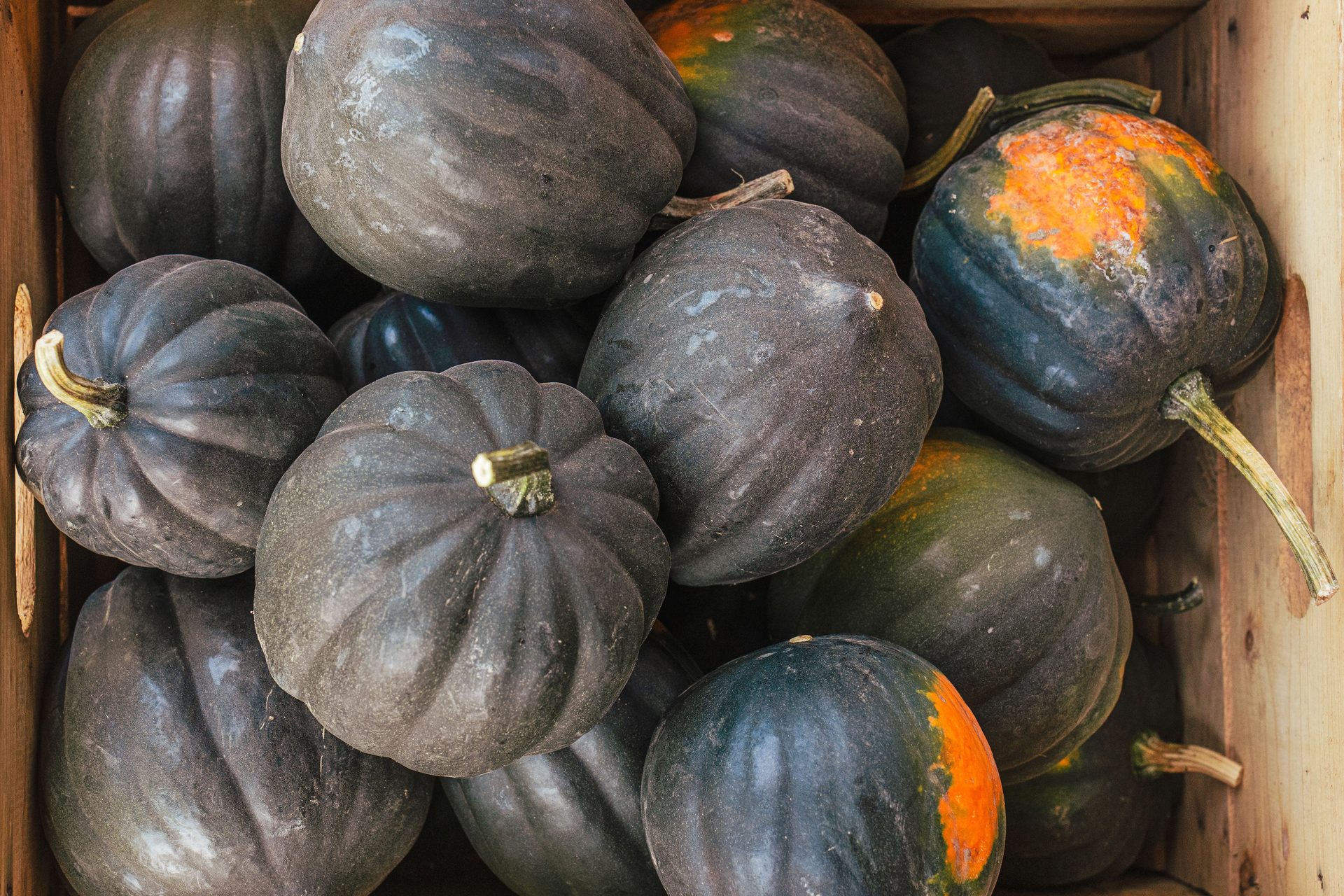
Yes, you can absolutely freeze acorn squash, and it’s one of the smartest ways to stretch a fall harvest or a good grocery store deal well into the colder months. Whether you picked up a few extra at a farmers market or grew more than you can eat before they soften, the freezer is your friend.
This guide walks you through everything: how freezing affects the squash, the best methods for raw and cooked prep, how long it keeps, how to thaw it safely, and what to do with it once it’s out of the freezer. If you want to enjoy that sweet, nutty flavor year-round, here’s exactly how to do it right.
Can You Freeze Acorn Squash?
Acorn squash can be frozen either raw or cooked. Both approaches work, but they serve different purposes in the kitchen. Cooking before freezing is recommended if a longer shelf life is desired.
The tough, inedible skin must be removed and the flesh cut into smaller pieces beforehand — regardless of whether you freeze it raw or cooked. Whole, unpeeled acorn squash should not go into the freezer. Freezing whole squash can lead to a loss of flavor and texture as the cell walls become damaged during the freezing process, and whole squash is more difficult to thaw and use in recipes.
Acorn squash is packed with nutrients, providing an excellent source of vitamins A and C, dietary fiber, and essential minerals such as potassium and magnesium. Freezing is a reliable way to hold onto those nutrients without letting the squash go to waste. If you want to explore more nutrient-dense foods worth keeping on hand, take a look at this guide to powerful nutrients and foods that fight cancer.
Pro Tip: Choose squash that is firm, heavy for its size, and free of soft spots or blemishes before freezing. Squash that is already starting to soften will not improve in the freezer — use it right away instead.
Does Freezing Change the Texture or Taste of Acorn Squash?
Expect some texture change — that is normal and not a sign of a problem. Acorn squash, like other winter squashes, has a high water content. Water expands when frozen, which can lead to cell damage and a slightly mushier texture upon thawing. The good news is that the flavor holds up well when the squash is properly prepped and stored.
Freezing cooked acorn squash can slightly alter its texture. You may notice that the thawed squash is a bit softer than it was before freezing. This is a natural result of ice crystals disrupting the cell structure during the freezing process.
To minimize texture changes, consider using frozen squash in cooked dishes like soups or stews where slight texture variations are less noticeable. Pureed or mashed applications are also ideal — the softened texture actually works in your favor there. Roasting is often considered the best cooking method for preserving flavor and texture before freezing, because the dry heat helps concentrate the squash’s natural sweetness and avoids adding excess moisture.
How to Freeze Acorn Squash the Right Way
You have two solid options: freeze it raw or cook it first. Here is how to handle each approach.
Option 1: Freeze Raw Acorn Squash (Cubed)
This method works well when you want flexibility — raw frozen cubes can go straight into roasting pans, soups, or steamer baskets later. Frozen raw squash can be roasted, steamed, or boiled, but do not thaw it beforehand.
- Wash the squash thoroughly under cold running water and dry it.
- Peel the squash by cutting the top and bottom ends off, then cut in half lengthwise. Remove the seeds with a spoon. Cut the squash halves along the “valleys” so that you have wedges, then use a paring knife or vegetable peeler to remove the skin.
- Cube the squash into smaller, like-sized pieces and arrange them in a single layer on a baking sheet.
- Place the baking sheet in the freezer for several hours until the pieces are completely solid. Freezing the cubes separately makes it easier to remove as much squash as you need and leave the rest in the bag. Freezing a bag of cubed squash without flash-freezing the cubes first will give you a lump of frozen-together pieces that are much harder to work with.
- Once the squash pieces are completely frozen, transfer them to a freezer-safe container or storage bag. Mark the freeze date on the container.
Option 2: Freeze Cooked Acorn Squash (Roasted or Pureed)
Cooking first gives you a longer shelf life and makes the squash easier to use in recipes straight from the freezer. To roast, halve the squash, scoop out the seeds, and place it cut-side up on a baking sheet. Brush with a little oil, season with salt and pepper, and bake at 400°F until tender, usually around 45–60 minutes.
Once the squash is fully cooked, it needs to cool to room temperature before you prepare it for freezing. It is also much easier to work with cool squash than hot squash, so allow it to cool completely. Do not season the squash when you cook it for freezing. You will want to season it in the way that best complements the recipe you use it for when you thaw it out.
After cooling, scoop the flesh away from the skin and either cube it, mash it, or puree it. For best results, puree the flesh in a food processor — it is the quickest and easiest way to evenly blend the flesh. Pack into airtight freezer-safe bags or containers, leaving about an inch of headspace for expansion. Press out excess air, seal tightly, and label with the date.
Pro Tip: If you are freezing puree, portion it into an ice cube tray first. Spoon the cooled puree into an ice cube tray, wrap the tray in plastic wrap, and freeze. When the cubes are solid, remove them from the tray and place them in a bag back in the freezer. This lets you thaw exactly what you need without defrosting a large batch.
Optional Step: Blanching Raw Cubes
Cooking winter squash before freezing is not required, but adding this step prevents natural bacteria and enzymes from breaking down the fruit, meaning it lasts longer. Place the cubes in a pot of boiling water for 3–5 minutes, then use a slotted spoon to transfer them to a bowl of ice water for another 3–5 minutes. Immediately cooling them down helps preserve their texture.
How Long Can You Freeze Acorn Squash?
Storage time depends on whether you froze the squash raw or cooked. Acorn squash should last 10–12 months in your freezer when properly packaged. Some sources cite a slightly shorter window for raw frozen squash.
| Freezing Method | Estimated Freezer Life | Best For |
|---|---|---|
| Raw, cubed (flash-frozen) | 8–10 months | Roasting, steaming, soups |
| Blanched, cubed | Up to 12 months | Roasting, casseroles, stews |
| Cooked and pureed | Up to 12 months | Soups, baked goods, side dishes |
Ensure your freezer maintains a consistent temperature of 0°F (–18°C) or below. Frozen acorn squash can generally be stored for up to 12 months. After this time, it can still be safe to eat, but quality may decline. Raw squash does not freeze as well as cooked does, so for the best results, use it as soon as possible.
For more ideas on foods that support your health year-round, check out this resource on whole plant-based foods worth adding to your routine.
How to Thaw Frozen Acorn Squash
How you thaw the squash depends on what you plan to make with it. For most dishes, you have three options.
- Refrigerator (best method): The most recommended method is to transfer the squash from the freezer to the refrigerator and allow it to thaw overnight. This slow-thawing process helps maintain its texture and flavor.
- Cold water: If you are short on time, place the sealed bag in a bowl of cold water for quicker results. Change the water every 30 minutes to keep it cold.
- Microwave: Thawing in the microwave is possible, but it can result in uneven thawing and may affect the texture of the squash. Use the defrost setting and check the squash frequently to prevent it from cooking.
For soups, stews, and casseroles, you often do not need to thaw at all. You do not necessarily need to defrost acorn squash before cooking — it can be cooked directly from the frozen state. Cooking frozen squash can sometimes result in better texture. When preparing soups, stews, or casseroles, you can simply add the frozen pieces directly to your pot or dish.
Important Note: Avoid leaving the squash at room temperature for long periods, as this can promote bacterial growth. Always thaw in the refrigerator, in cold water, or in the microwave — never on the counter.
Can You Refreeze Acorn Squash After Thawing?
Refreezing thawed acorn squash is not a good idea. The process of freezing and thawing can alter the squash’s texture, making it mushier, and it can also affect the flavor. Refreezing introduces another cycle of these changes, potentially degrading the quality even further.
Refreezing can also increase the risk of bacterial growth, even if the squash was initially handled properly. Thawing allows bacteria to multiply, and refreezing only slows down their growth rather than eliminating them. For food safety reasons, it is best to avoid refreezing and only thaw the amount of squash you plan to use.
Best practice is to only thaw as much as you will eat. That is exactly why portioning before freezing — whether in cubes or individual bags of puree — pays off every time you open the freezer.
How to Use Frozen Acorn Squash (Best Uses After Freezing)
Frozen acorn squash is most at home in cooked applications where a slightly softer texture is welcome or unnoticeable. Cooked frozen squash can be mashed, pureed, or added to pasta and risotto dishes or soups. Here are some of the best ways to put it to work.
- Soups and stews: Thawed squash is ideal for adding to soups and stews. It will break down slightly as it cooks, adding flavor and thickness.
- Purees and side dishes: Mash the thawed squash with butter, a pinch of cinnamon, and a drizzle of maple syrup for a quick fall side. It is fantastic mixed with honey, brown sugar, or maple syrup and a little cinnamon, or made savory with some butter, oregano, thyme, and parmesan cheese.
- Baked goods: Other great ways to use pureed acorn squash are in muffins, pancakes, and sweet breads.
- Stuffed pasta: Try a stuffed pasta recipe such as ravioli or stuffed shells.
- Roasted from frozen: To roast frozen acorn squash, toss the cubes in a bowl with enough olive oil to coat them lightly. Add herbs and seasonings — try parsley, rosemary, or sage, or a combination of nutmeg and cinnamon — and toss until well-distributed. Preheat the oven to 375°F and place the squash in a single layer in a large baking dish. Roast until the cubes are brown on the outside and hot in the middle, about 30 minutes depending on the size of the cubes.
- Casseroles: Frozen cubes can go directly into casserole dishes without thawing, making weeknight meals faster to pull together.
Because acorn squash is rich in vitamins and fiber, it pairs naturally with other health-supporting foods. If you are building out a more intentional diet, you might also enjoy this list of superfoods for a healthy heart or these foods that promote healthy eyesight.
Signs That Frozen Acorn Squash Has Gone Bad
Frozen food does not last forever, and acorn squash is no exception. Here is what to look for before you cook it.
- Freezer burn: Frozen acorn squash can develop freezer burn if stored for too long. Freezer burn affects the texture and flavor of the squash. Look for large dry, grayish-white patches on the surface. Mildly freezer-burned squash is still safe to eat but will taste bland or off.
- Off smell after thawing: After thawing, smell and taste a small amount — it should still taste fresh, albeit with a potentially softer texture. Off-flavors are a sign of quality loss.
- Slimy or watery texture: Check for mold, unusual darkening, or a cloudy appearance in any liquid. The texture should not be slimy or excessively watery.
- Visible mold or discoloration: If the frozen acorn squash has developed an off smell, strange color, or shows signs of freezer burn, it is likely spoiled and should be discarded.
Pro Tip: To prevent freezer burn, ensure that the squash is properly sealed and airtight. Removing any excess air from the packaging also helps. A vacuum sealer is the most effective tool for this, but pressing air out of a zip-top freezer bag works well too.
For more guidance on what to eat and what to avoid for better health, take a look at this article on cancer-causing foods you need to avoid or this overview of foods that can help enhance your liver function.
Frequently Asked Questions
Can You Freeze Acorn Squash Without Cooking It First?
Yes. If you have more acorn squash than you can eat before it spoils, you can safely store it in the freezer in freezer-safe containers or storage bags. The skin must be removed and the flesh cut into smaller pieces beforehand. Raw frozen squash works best when cooked directly from frozen — do not thaw it first or it will become mushy.
Can You Freeze Acorn Squash Soup?
Yes, you can freeze acorn squash soup. Allow it to cool, then transfer it to freezer-safe containers or bags. Remember to leave some space at the top to allow for expansion. Soup generally freezes very well and reheats easily on the stovetop or in the microwave.
How Long Does Acorn Squash Last in the Fridge Before Freezing?
Once peeled and cut up, raw acorn squash will last for 4 to 5 days in the fridge. It will last 3 to 5 days in the fridge once cooked. If you know you will not use it within that window, freeze it right away rather than waiting.
Can You Freeze Acorn Squash with the Skin On?
It is not advisable to freeze acorn squash with the skin on. The skin can become tough and unpalatable after freezing and thawing, which might affect the overall enjoyment of the dish. Always peel before freezing.
Does Frozen Acorn Squash Retain Its Nutritional Value?
Frozen acorn squash retains most of its nutritional value, providing you with a healthy and delicious ingredient. The freezing process itself does not significantly degrade vitamins or minerals, especially when the squash is blanched or cooked before freezing. To learn more about foods that support your overall health, explore this guide to fibroid healing foods or this article on foods for healthy skin.
Can You Freeze Acorn Squash Seeds?
Yes, you can freeze acorn squash seeds, though they may lose some of their flavor and texture when frozen. A better option is to roast them right away with a little oil and salt — they make a great snack similar to pumpkin seeds and require no freezer space at all.