Traditional Ukrainian Clothing for Women: 13 Garments of the National Costume

November 19, 2026
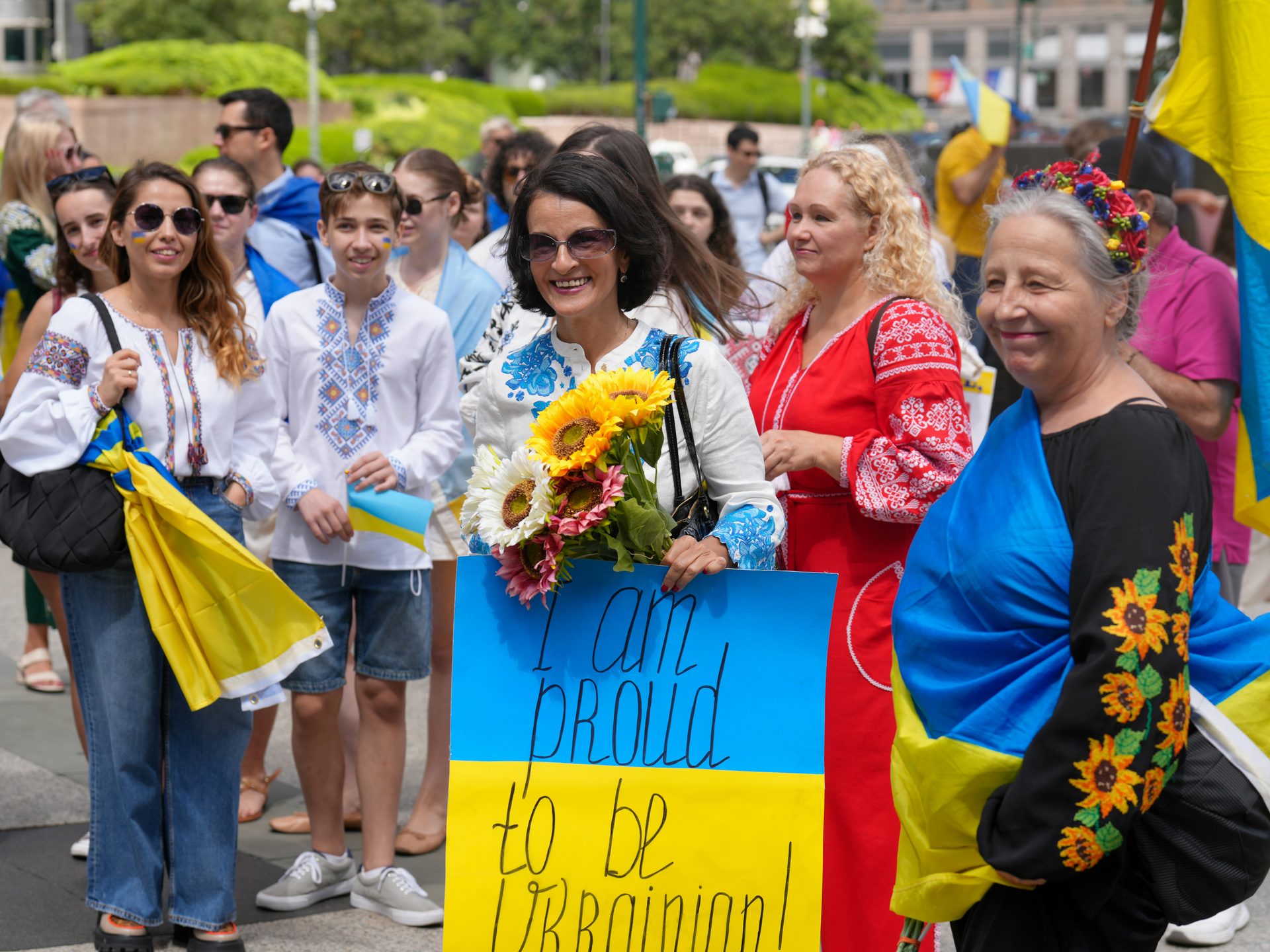
A Ukrainian bride’s headscarf could stretch nearly nine metres long, wound and knotted into place without a single pin. That single detail says a lot about traditional Ukrainian clothing for women: every layer, from the everyday linen shirt to the ceremonial headwear worn only once, carried information about who a woman was, where she came from, and whether she was married.
Long before clothing became a matter of personal taste, a Ukrainian woman’s outfit told her neighbors her village, her family’s wealth, and her place in the community at a glance. This piece walks through the thirteen garments that built that wardrobe, region by region, starting with the shirt everything else was layered over and ending with the boots that finished the look.
| Garment | Type | Typically Worn By | Associated Region |
|---|---|---|---|
| Sorochka | Linen shirt | All women, daily wear | Nationwide |
| Plakhta | Wrap skirt | Married women, festive | Central Ukraine, Poltava |
| Kraika | Woven sash | All ages | Nationwide, varies by region |
| Horbotka | Overskirt | Married women | Bukovyna, Carpathians |
| Obgortka | Wrap skirt | Married women | Western Ukraine, Pokuttia |
| Kersetka | Sleeveless bodice | Festive wear | Dnieper Ukraine, Volhynia |
| Zapaska | Apron panel | All women | Nationwide |
| Vinok | Flower wreath | Unmarried girls | Nationwide |
| Karabulya | Feathered wreath | Brides | Bukovyna |
| Ochipok | Fitted cap | Married women | Middle Dnieper, steppe |
| Namitka | Long headscarf | Married women, brides | Volyn, Bukovyna |
| Khustka | Kerchief | All women | Nationwide |
| Cherevyky | Leather boots | All women, festive | Nationwide |
1. Sorochka
Every historic Ukrainian woman’s outfit started with the sorochka, the loose linen or hemp shirt worn against the skin. According to the blog FolkCostume&Embroidery , the base, or foundation garment for all of these is the chemise, or sorochka, no matter which regional overskirt a woman wore on top of it.
The construction was simple out of necessity. As the sewing resource So Sew Easy explains, the garment is the simplest shape in Europe, four rectangles and two gussets, and every ounce of the work went into the needle. That simplicity is why the sorochka became a canvas for embroidery rather than tailoring, since home woven hemp or linen came off in a narrow width, so the shirt was built from straight rectangular panels joined selvedge to selvedge, with a square gusset let into each underarm.
The embroidered version of this shirt, known as the vyshyvanka, became the single most recognizable piece of the whole wardrobe. Wikipedia’s entry on Ukrainian national clothing notes that the most famous Ukrainian clothing items are the embroidered shirt (vyshyvanka), a cloth sash and a vinok flower crown. Readers curious how other cultures treat the humble shirt as a canvas for identity might compare this to the embroidered tunics covered in our guide to traditional Pakistani clothing.
Key Insight: Because the sorochka was worn under every other layer, its sleeves and collar were often the only parts visible once a woman put on her apron, vest, and skirt — which is why embroiderers concentrated their most detailed work there.
2. Plakhta
The plakhta is a wrap skirt woven from wool and sewn into two panels joined at the top, worn wrapped around the hips over the sorochka. FolkCostume&Embroidery is specific about the term: sometimes other types of overskirt are mistakenly called plakhta, but this is incorrect — this is the only garment which is properly referred to as plakhta.
The magazine Selvedge describes the fabric itself as hand-finished: the plahta (belted skirt) was woven from wool threads and hand dyed. A set documented by Nationalclothing.org from the Kyiv region shows how it was typically paired: a shirt, a coat called “yupka,” a wrap-around skirt called “plakhta,” an apron called “zapaska,” boots, and a coral necklace.
3. Kraika
The kraika is the woven sash or belt that held the rest of a woman’s outfit in place, and in many regions a woman wore more than one at a time. Nationalclothing.org’s survey of northern and western Ukrainian costume records outfits built from a skirt-like garment called “zapaska” and another one called “horbatka,” two woven belts called “kraika” (a narrow one and a wide one).
The sash carried political weight too. A study on 1920s Ukrainian dress published in the journal History lists the kraika alongside other items that provide Ukrainian style to the costume as the sign of patriotic feelings during a period of national assertion under Soviet occupation.
4. Horbotka
Horbotka refers to a wrapped woolen overskirt associated with the Carpathian region, particularly Bukovyna. According to the blog’s deeper dive into Bukovyna costume history , the obhortka, which some call horbotka, is the oldest form of overskirt used in Bukovyna, and in some places it continues to be part of the festive costume to this day.
The name itself is a linguistic quirk. The same source explains that horbotka is derived from obhortka as a sort of folk dyslexia, and horbotka is admittedly easier to say.
Important Note: Horbotka, obgortka, fota, opynka, and derka are regional names for essentially the same wrap-skirt garment, so sources from different parts of western Ukraine may use different terms for nearly identical clothing.
5. Obgortka
The obgortka is a rectangle of heavy woolen cloth wrapped around the hips from behind, overlapped in front, and secured with a sash. FolkCostume&Embroidery breaks down both the construction and the name: obhortka means “that which is wrapped around,” and consists of a rectangle of heavy cloth which is wrapped around the hips from behind, overlaps in front, and is held in place by a sash.
Decoration varied sharply by district. The same source notes that the obhortka also has woven-in ornament, generally fine lines vertically and around the edges, with a base color often black, though in eastern Pokuttia it is brick red, and in Bukovyna, as well as in neighboring Muntenia, there may be more overt ornamentation on the overlap.
6. Kersetka
The kersetka is a fitted, sleeveless bodice worn over the sorochka, giving the torso a shaped silhouette that the loose shirt alone did not provide. So Sew Easy sums up its role simply: on top came the kersetka, a fitted sleeveless bodice, and in cold weather the svyta, a long cloth coat.
This tailored piece marked a shift in Ukrainian dressmaking. The site Flame of Ukraine notes that from the second half of the nineteenth century, clothes created according to the shape of the human figure were widely used, including the kersetka, moving away from the strictly rectangular cut of the shirt and overskirts. Wikipedia’s entry on the Volhynian folk costume lists it among regional staples, noting fitted corset-like waistcoats and striped skirts, as well as Dnieper Ukraine: namitka headscarfs, kersetka vests and dark skirts. The tailored-vest concept echoes similar fitted layers found in traditional German clothing, where bodices also signal regional identity.
7. Zapaska
The zapaska is an apron, or more precisely a pair of apron panels worn at the front and back, layered over the plakhta or obgortka. Nationalclothing.org describes one regional version as a skirt-like garment called “zapaska” (consists of 2 woven aprons, one at the front and one at the back).
Not every zapaska was humble workwear. Selvedge describes a festive version reserved for special occasions: the brocade zapaska is woven from silk, factory-made cotton threads and gold thread and laid in wide folds — this item of clothing was the most expensive, and was worn only for holidays and weddings.
8. Vinok
The vinok is the flower wreath worn by unmarried girls and young women, often considered one of the three most iconic pieces of Ukrainian dress alongside the embroidered shirt and sash. Wikipedia’s dedicated entry on the Ukrainian wreath states that the wreath is worn by girls and young unmarried women and may be part of a tradition dating back to East Slavic customs that predate the Christianization of Kievan Rus’.
The wreath marked a clear life stage. So Sew Easy notes that an unmarried girl wore the vinok, a wreath of flowers with ribbons falling behind, and gave it up on her wedding day, at which point headwear shifted entirely to covering styles. One regional variation, the wax vinok of Vinnytsia Oblast, became significant enough that, per Wikipedia’s entry on the wax vinok , the technology of making “wax” vinok in Vinnytsia region was included in the National Inventory of Intangible Cultural Heritage of Ukraine in 2020.
9. Karabulya
The karabulya is a regional variant of the vinok distinguished by feathers rather than flowers alone, specific to the Carpathian district of Bukovina. Wikipedia’s overview of Ukrainian national clothing is direct on this point: regional vinok variants include the feathered karabulya from Carpathian Bukovina, silk ribbon wreaths of Kyiv and Poltava oblasts, and others.
That regional variation matters for anyone trying to date or place an old photograph or heirloom piece. A wreath built from silk ribbons points toward the central Kyiv or Poltava regions, while feathers signal Bukovynian origin — a distinction similar to how regional headdress differences help identify origin in traditional Indian clothing as well.
10. Ochipok
Once a woman married, her headwear changed completely, starting with the ochipok, a fitted cap that fully enclosed the hair. Wikipedia’s entry describes it precisely: the ochipok is a married woman’s headdress, often decorated with embroidery, and is a cap that covers the entire head with a slit in the back and laces that pull it tightly around the head.
Its use was concentrated in specific regions. The same entry notes it was mainly worn by women in the middle Dnieper River region, including the Left-Bank and steppe areas, and is thought to have originated during the Hetmanate period. Some versions carried symbolic shaping: Nationalclothing.org describes a style from Zhytomyr region where the bonnet is called “horned ochipok” because it has a bulge at the front that symbolizes a horn, and such stylized horns sometimes seen in vintage Ukrainian costumes symbolize fertility.
11. Namitka
Layered over or instead of the ochipok, the namitka is a long strip of fine linen wound around the head and tied at the back. Wikipedia explains namitka is a long, thin fabric wrapped around the head and tied in the back — it was the original Slavic head covering for men and women, and could be used to cover the face. The garment’s reach went beyond Ukraine: it eventually gave rise to the Russian kokoshnik.
Length varied enormously by region and occasion. Selvedge notes that namitky could be from thin or thick fabric, could be from three and a half to nine metres long, and tied on the head in different ways depending on where a woman lived. Nationalclothing.org’s survey of headwear confirms this regional range, describing a bridal headdress called “namitka” from the Bukovyna area with whitework embroidery draped over the head, alongside a version from Volyn region that is a long rectangular piece of cloth with embroidered edges.
Key Insight: Wedding headwear was the most elaborate and most regionally specific item in the entire wardrobe. A single village might have its own particular way of draping the namitka that distinguished it from the next valley over.
12. Khustka
The khustka is the everyday kerchief, worn by women of all ages and marital statuses, often layered over an ochipok for extra coverage and warmth. Nationalclothing.org’s record of a Sumy region ensemble describes exactly this combination: the set includes a bonnet and a large kerchief with a floral pattern, worn together as a matched headwear system rather than a single piece.
Festive outfits documented from the late nineteenth century regularly paired the two for married women. One such set from Volyn region, per Nationalclothing.org, consisted of a shirt, a skirt-like garment called “plakhta”, an apron called “zapaska”, a belt, a sleeveless jacket called “kersetka”, a headdress of married women called “ochipok”, and a kerchief. The kerchief functioned as the outermost, most visible layer of a woman’s headwear, similar to how a dupatta tops off an ensemble in regional clothing traditions elsewhere.
13. Cherevyky
Cherevyky are the leather boots or shoes that completed a traditional Ukrainian woman’s outfit, typically worn for festive occasions rather than daily farm work, when going barefoot or wearing simple wraps was more practical. Museum-documented sets consistently list footwear as part of the full ceremonial look: the Kyiv region ensemble from Nationalclothing.org pairs its plakhta and zapaska with boots, and a coral necklace to round out the holiday outfit.
Because boots were a visible marker of a family’s means, they were often reserved for church, weddings, and festivals, with many rural women owning only one pair for their entire adult life. This mirrors footwear customs found in other folk dress traditions worldwide, including the decorated sandals and boots seen in traditional Chinese clothing and the beaded footwear of traditional Australian clothing.
Taken together, these thirteen garments show how much information a single outfit could carry before a word was spoken. A woman’s shirt, sash, overskirt, vest, apron, and headwear worked as a coordinated system that announced her marital status, her home region, and the occasion she was dressed for. Readers interested in how other national wardrobes encode similar signals might also enjoy comparing notes with traditional Japanese clothing or traditional American clothing, where layering and headwear carry their own regional stories.