21 Pieces of Traditional Polish Clothing for Men, From Kontusz to Kierpce

November 19, 2026
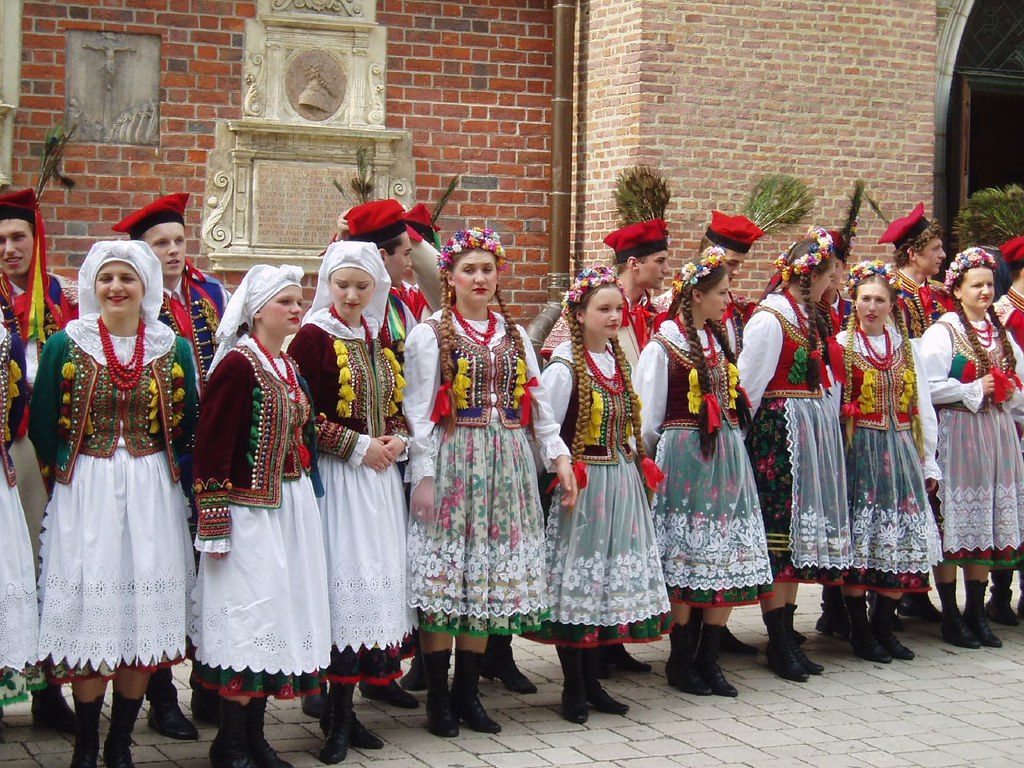
Long before factory-made suits and department stores, a man’s clothing in Poland told anyone who looked at him where he came from and what he was worth. Traditional Polish clothing for men ranges from the silk robes and gold-threaded sashes once reserved for the nobility to the sturdy wool coats, trousers, and caps worn by mountain shepherds in the Tatra foothills. The same impulse shows up elsewhere in Europe: much like Albanian national dress still signals region and status across Albania’s mountain communities, Polish dress layered status, geography, and even religion into every stitch.
This piece walks through 21 garments, caps, and accessories that shaped how Polish men dressed, from the Sarmatian-era robes of the szlachta to the embroidered coats and belts still worn at harvest festivals and weddings in the Podhale region today. Readers curious about how other cultures built similar wardrobes of status and identity can also look at broader traditional clothing styles from around the world for comparison.
1. Kontusz
The kontusz is an outer robe that became a symbol of szlachta identity and of the broader Sarmatian culture of the Polish-Lithuanian nobility. It is a type of outer garment worn by Polish, Lithuanian, and Hungarian nobility, and a symbol of Sarmatian identity, which became popular in the 16th century after being introduced into the Polish–Lithuanian Commonwealth from Turkey through Hungary. Worn over an inner garment known as the żupan, the kontusz became a notable element of the Polish national costume and Zaporozhian Cossack attire by the 17th century.
The garment itself was a long robe, usually reaching to below the knees, with a set of decorative buttons down the front, and sleeves that were long and loose, worn untied and thrown on the back on hot days. It was usually a vivid colour with a contrasting lining, and it was tied with a long, wide sash called a pas kontuszowy. Despite its dramatic appearance, the kontusz was more of a decorative garment than a practical one.
Pro Tip: A full Sarmatian-era outfit was worn in layers: żupan closest to the body, kontusz over it, and sometimes a delia on top, all cinched with a pas kontuszowy.
2. Żupan
The żupan is a long-lined garment of West or Central Asian origin that was widely worn by male nobles in the multi-ethnic Polish–Lithuanian Commonwealth and by Ukrainian Cossacks, serving as typical upper-class male attire from the late 16th to the first half of the 18th century. Color and fabric marked rank almost as clearly as a uniform does today.
Magnates generally wore żupany with golden or jewelled buttons tailored from the most expensive fabrics of their time, including the costly Persian crimson fabric that earned wearers the nickname karmazyni, or “crimson men,” while richer szlachta emulated them with cheaper silk-and-linen versions and poorer szlachta wore plain wool or linen, earning the nickname szaraczkowie, “grey men.” Poorer townsfolk often wore żupany made from hemp, nicknamed łyczki, Polish Jews wore black żupany, and peasants wore simple white or greyish wool żupany. The same fascination with imported fabric and pattern shows up in traditional Pakistani clothing, which shares roots in Persian and Central Asian textile trade.
3. Pas Kontuszowy
No kontusz was complete without its sash. The pas kontuszowy was a cloth sash used for girding a kontusz and was one of the most distinctive items of male dress among Polish and Lithuanian nobility, forming a key component of the Polish national costume. It comprised a 3- to 4.5-meter-long strip of fabric around 40 cm wide, with the most luxurious versions woven from silk and gold thread.
Such sashes were initially imported from Persia and Turkey, as continual trade contact between the Commonwealth and these regions raised popular interest in oriental art and decoration across Eastern Europe. Sashes produced in the town of Slutsk became so well known that any kontusz sash of this style was often called a pas słucki, regardless of where it was actually made. Depending on how it was folded, a single sash could reveal entirely different patterns for different occasions.
4. Delia
The delia was a garment worn by male szlachta of the Polish–Lithuanian Commonwealth, similar to a coat or cloak, worn over the żupan from the 16th until the early 18th century. It was usually fashioned from wool, cotton, or velvet, finished with fur, with short, loose, unsewn sleeves and metal buttons fastening it over the breast.
Its shape, with long, dangling decorative sleeves reaching to the floor and thrown back along the line of the wearer’s back, closely imitated the dress used at the sultan’s court, and the delia was often lined with fur and finished with a wide fur collar. The word itself arrived in Poland in the mid-16th century from Turkey, reflecting the garment’s Oriental origin. That same Silk Road exchange of fabric and silhouette echoes in traditional Chinese clothing, where draped silk robes carried similar status signaling.
5. Sukmana
Where the kontusz and delia marked nobility, the sukmana marked the opposite end of Polish society. It was a type of traditional coat once worn by peasants in Poland and some other Central European countries, as well as Hungary, particularly common from the 18th to early 20th centuries.
It was made from a simple, hand-woven wool fabric comparable to russet cloth and usually kept its natural white or grayish color, cut long with sleeves and widening toward the lower parts. Though most commonly associated with men, it was sometimes worn by women as well. Because it was a working garment, regional tailors developed dozens of local variations in trim, collar shape, and fastening.
6. Kierezja
The kierezja is one of the most recognizable regional takes on the sukmana coat. Examples from the eastern Krakowiak folk region describe a man’s sukmana coat known as kierezja, featuring embroidery and sequins on a triangular collar called the suka, with mock pocket cuts on the sides that had no real pockets.
A surviving example trimmed with red wool and finished with sleeves ending in triangular tabs was fastened with hooks and eyes and entirely hand-sewn, dating from around 1889 in the Zaborów and Brzesko area near Kraków. The heavy use of hand embroidery on an everyday coat made the kierezja a festival-day garment as much as a working one, closer in spirit to the decorated wool coats found across traditional German clothing from alpine regions.
7. Chrzanówka
The chrzanówka takes its name from Chrzanów, a town whose weavers once supplied the cloth for this white sukmana variant. A white sukmana coat known as the chrzanówka was commonly worn on Sundays and festivals, made of white cloth historically produced by drapers from Chrzanów, where a dozen or so families were still working the trade into the early 20th century.
Tailors finished these coats differently depending on the wearer, so it was possible to identify a person’s home village by the color of the fringe trim, which was red in some places and black in others. One surviving museum example was made of white cloth with red lapels, decorated with maroon fringes, a red hem running along every edge, and twelve hooks closing the front up to the waist.
8. Gunia
The gunia belongs to the mountain side of Polish dress rather than the noble or lowland peasant traditions. It is a heavy woolen cloak-style coat associated with the highlanders, or górale, of the Tatra foothills, generally left in the sheep’s natural wool color or dyed a deep brown. Worn draped over the shoulders rather than buttoned shut, the gunia provided warmth on cold mountain mornings without restricting movement during farm work or travel.
Regional versions differed in cut and trim, but all shared the same undyed or lightly dyed wool and loose, cape-like fit. Similar shepherd’s wool wraps appear across the mountain regions of Central Europe, underscoring how climate shaped clothing as much as class did.
9. Cucha
Closely related to the gunia, the cucha is a long, white, largely sleeveless wool cape worn by men of the Podhale highlander community. It was typically closed at the neck with decorative metal clasps or pins and finished along its edges with embroidery, giving an otherwise plain wool garment a festive quality.
Men wore the cucha over a shirt and vest, often reserving the most elaborately decorated examples for weddings, church holidays, and regional festivals. Because it stayed in local workshops rather than spreading nationally, the cucha remains one of the clearest markers of Podhale regional identity within Polish folk dress.
10. Kaftan
The kaftan in Polish folk and historical dress refers to a short, fitted jacket rather than the long Ottoman-style robe the word suggests elsewhere. Worn under heavier outer coats, it was typically closed with a row of buttons and sometimes trimmed with cord or simple embroidery depending on the region.
Oriental influence reached even the richest versions of Polish dress; one 18th-century account of a royal portrait describes garments of silks interwoven with gold and silver so vivid they seemed to catch the eye, with jewels shimmering on the caftans worn underneath. Short, fitted jackets built the same way appear in the layered silhouettes of traditional Japanese clothing, where an inner jacket similarly sits beneath a longer outer robe.
11. Kabat
The kabat is another short jacket style found in Polish regional dress, historically worn by both men and women depending on the area. In men’s folk costume, it usually took the form of a close-fitting dark wool or linen jacket worn directly over a shirt.
Unlike the more decorated kaftan, the kabat tended to serve as an everyday working garment, trimmed modestly with cord or a narrow fur edge rather than heavy embroidery. Its simplicity made it practical for farm labor, while more decorated versions still appeared at markets and church on Sundays.
12. Portki
In the Podhale highland tradition, portki refers to the heavy white or cream-colored woolen trousers worn by men, cut to fit close to the leg rather than loose like everyday work trousers. The fabric was typically the same undyed sheep’s wool used for the cucha and gunia, keeping the whole outfit visually unified.
What set portki apart from plain trousers elsewhere in Poland was the decoration running down the outer seam of each leg, a hand-sewn motif known as the parzenica. That detail turned a practical mountain garment into one of the most photographed pieces of Polish folk costume.
13. Parzenica
The parzenica is not a garment on its own but the decorative motif stitched or appliquéd onto highlander trousers and cuchas, usually in the shape of a stylized heart or curling floral scroll. Traditionally sewn by hand, the pattern was passed down within families and workshops, with small variations acting almost like a signature.
Key Insight: No two parzenica patterns are identical. Regional cobblers and tailors in the Podhale area still treat the motif as a mark of individual craftsmanship rather than a mass-produced design.
The craft tradition behind the parzenica parallels the embroidery heritage found in traditional Indian clothing, where hand-stitched regional motifs carry similar family and village significance.
14. Kierpce
Completing the highlander outfit from the ground up, kierpce are soft leather moccasin-style shoes traditionally made from a single piece of hide gathered and laced around the foot with leather thongs. Their simple construction made them easy to repair on the spot and well suited to steep, uneven mountain terrain.
Regional cobblers in the Podhale area still make kierpce by hand for folk ensembles and festivals. The same tradition of hand-stitched, single-piece leather footwear built for rugged ground shows up in moccasin-style shoes within traditional American clothing, where Indigenous leatherworking shaped a strikingly similar shoe.
15. Rogatywka
The rogatywka is a four-cornered Polish cap with strong military roots, historically associated with Polish cavalry regiments and later carried into the modern Polish army uniform. Its square-cornered crown made it instantly recognizable on parade grounds and in historical portraits alike.
Though its main association is military rather than folk, the rogatywka also appears in ceremonial and patriotic dress, where it signals national pride in much the same way the kontusz once did for the nobility.
16. Maciejówka
The maciejówka is a soft peaked cap with a small brim that became closely tied to the Polish Legions in the early 20th century and, by extension, to Józef Piłsudski, who was frequently pictured wearing one. Its plain, practical design made it just as common among working men as among soldiers.
Unlike the stiff, ceremonial rogatywka, the maciejówka’s soft crown and everyday fabric meant it moved easily between military and civilian wardrobes, surviving as a recognizable piece of 20th-century Polish menswear long after its original wartime context.
17. Magierka
The magierka is a soft, round felt cap of Hungarian origin that entered Polish dress as early as the 16th century and was adopted across social classes, from gentry to peasants. Its plain, undecorated form made it one of the most widely worn caps in historical Poland, regardless of region or rank.
Because it required little more than felted wool to produce, the magierka remained affordable and practical for centuries, standing in contrast to the elaborately decorated hats reserved for festivals and ceremonial dress.
18. Krakuska
The krakuska is a stiff, square-topped cap closely tied to the Kraków regional costume, usually decorated with peacock feathers and colorful ribbons for festive wear. It remains one of the most recognizable pieces of Polish folk dress outside Poland, often used as a visual shorthand for Polish culture generally.
Kraków’s regional pride in distinctive dress runs deep: the czamara coat, popular among 18th-century Polish burghers and especially associated with the Kraków region, had by the 19th century become a Polish national and patriotic garment in its own right. The krakuska’s feathered silhouette grew out of that same regional pride in visibly “Cracovian” style.
19. Celender
The celender is a tall, dark top-hat-style headpiece worn by men in the Łowicz region as part of formal or wedding folk dress. Its origin traces to 19th-century urban fashion, which local tailors adapted into their own festive wardrobe alongside brightly striped wool trousers and coats.
Seen together, the five caps covered in this guide show just how much regional identity could be read from a man’s head alone.
| Headwear | Primary Association | Notable Feature |
|---|---|---|
| Rogatywka | Military, cavalry tradition | Four-cornered, squared crown |
| Maciejówka | Polish Legions, working-class wear | Soft peaked cap with small brim |
| Magierka | Gentry and peasants alike | Round, undecorated felt cap |
| Krakuska | Kraków regional costume | Square top, peacock feathers |
| Celender | Łowicz wedding dress | Tall, dark top-hat shape |
20. Kalita
The kalita is a small leather or woven fabric pouch worn attached to the belt by highlander men, used to carry tobacco, coins, or small tools while working or traveling. Functionally, it served the same purpose as a modern belt bag, long before that idea had a name.
Though modest compared to the embroidered cuchas and feathered caps around it, the kalita was an everyday necessity in a costume built mostly for display, giving the whole outfit one genuinely practical accessory.
21. Opasek
The opasek, sometimes called the góralski pas, is a wide leather belt worn by Podhale highlander men, often studded with brass rings or decorative metal fittings. It served the practical job of holding up the portki trousers while also functioning as a visible marker of craftsmanship and status within the community.
Important Note: Belt styles, buckle work, and stud patterns vary significantly even between neighboring highland villages, so a single “standard” opasek design does not really exist.
Wide decorated belts worn as both function and display also appear in other national dress traditions, much as layered, status-marking garments define traditional Australian clothing drawn from Indigenous and colonial-era influences alike.
Taken together, these 21 garments, caps, and accessories trace a long line from silk-robed magnates to wool-clad mountain shepherds, each piece carrying its own regional story. Much like regional Albanian garments still mark a wearer’s home valley at festivals today, Polish folk and noble dress turned everyday clothing into a visible record of who a man was and where he came from. Many of these pieces, from the kierpce to the parzenica-trimmed portki, are still handmade by regional artisans and worn at festivals across Poland each year.