Why Are My Eggplant Leaves Turning Yellow? Causes, Fixes, and Prevention

September 25, 2026
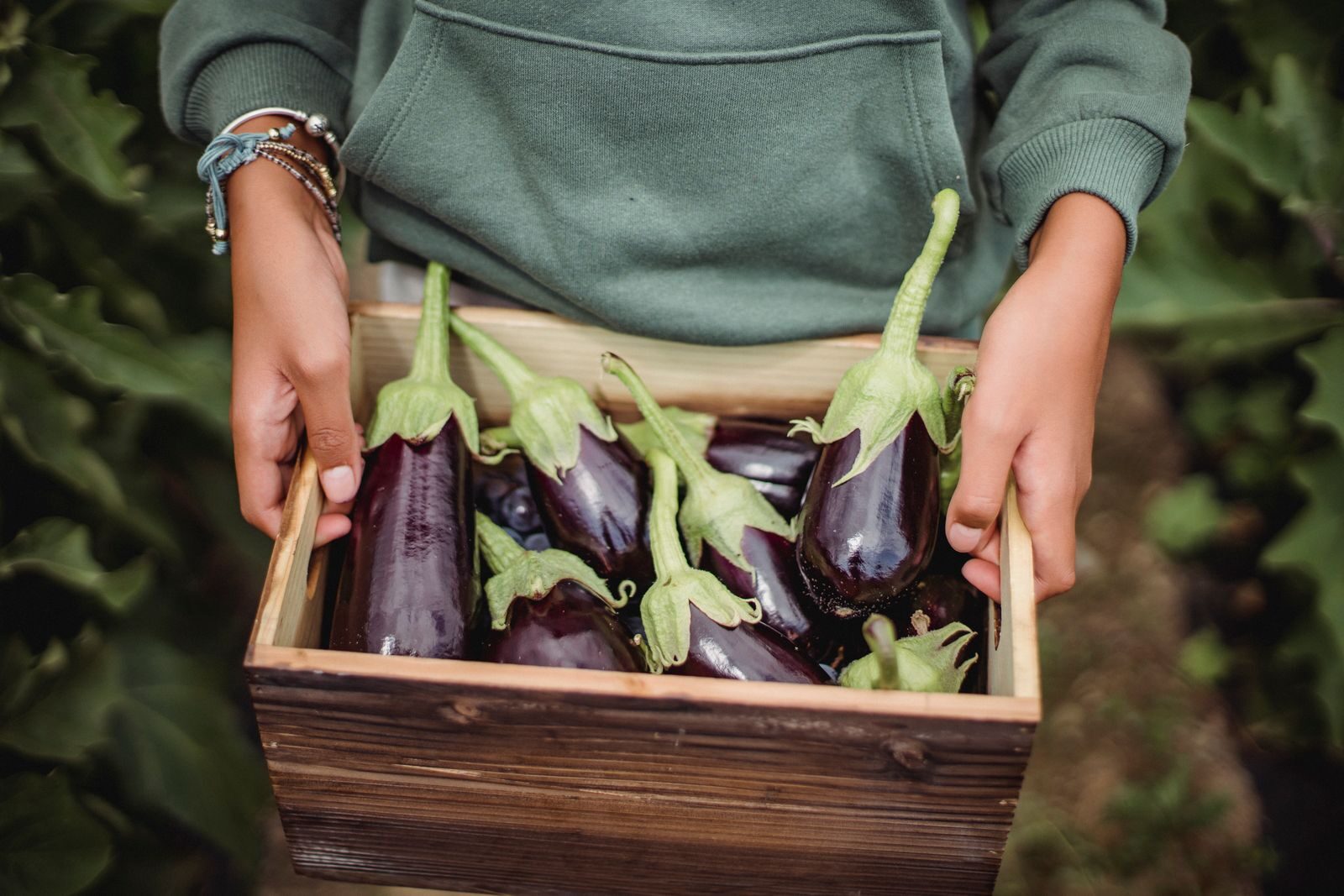
You step outside to check on your eggplant, and instead of deep green, healthy foliage, you find leaves fading to yellow. It’s one of the most common frustrations for home vegetable gardeners across the United States, and the good news is that it’s almost always fixable once you know what you’re dealing with.
Eggplants belong to the same plant family as tomatoes — Solanaceae, commonly known as the nightshade family — and vegetables in this group primarily use their leaves as a way to signal when something is wrong. That yellowing you’re seeing is your plant trying to communicate with you.
This guide walks you through every major cause of yellow eggplant leaves, how to accurately diagnose the problem, and exactly what to do to get your plant back on track. Whether you’re growing in a raised bed in the backyard or in containers on a patio, the answers are here.
What Does It Mean When Your Eggplant Leaves Are Turning Yellow?
The golden rule is that you can tell the health of your eggplant from the state of its leaves. If you find the leaves curling, deforming, yellowing, discoloring, fading, or spotting, there’s a good chance your eggplant needs attending to right away.
Yellow leaves on eggplants signal stress or a problem with the plant. Understanding the common causes helps fix the issue fast, because many factors can turn the leaves yellow. The tricky part is that multiple issues can produce similar-looking symptoms, so a bit of detective work is needed before you reach for a solution.
Yellowing — known botanically as chlorosis — happens when leaves lose chlorophyll, the green pigment responsible for photosynthesis. Eggplant leaves turning yellow are usually caused by improper watering, nutrient deficiencies — specifically nitrogen or magnesium — or soil-borne diseases like Verticillium wilt. Pests, light problems, and environmental stress can also be responsible. Knowing which pattern of yellowing you’re seeing is the first step toward the right fix.
Is Yellowing in Eggplant Always a Sign of a Problem?
Not every instance of yellowing means your plant is in serious trouble. There are a few completely normal situations where yellow color appears on an eggplant and requires no intervention at all.
Although many eggplants are purple, not every variety produces this iconic fruit color. Eggplant fruits can range in color from pale green to a deep purple that looks black, including many that appear in shades of yellow or even white. If you’ve never grown a specific variety before, yellow could simply be the color of the fruit on your plant.
Light-colored eggplants are also prone to yellowing when they’re approaching an over-ripe state. If this color is appearing on your larger eggplants but sparing the smaller ones, try harvesting the fruits earlier.
Older, lower leaves at the base of a mature plant sometimes yellow and drop naturally as the plant directs energy upward toward fruit production. A few yellow leaves near the bottom of an otherwise healthy plant are rarely a cause for concern. The situation becomes worth investigating when yellowing spreads upward, appears on newer growth, or is accompanied by spots, wilting, or distorted leaves.
Pro Tip: Before diagnosing a problem, check whether the yellowing is limited to lower, older leaves or spreading to mid-plant and new growth. Location on the plant is one of the most reliable first clues about the cause.
Watering Issues Causing Eggplant Yellowing
Watering is a key part of growing healthy eggplants. Too much or too little water causes yellow leaves, and watering problems often hide below the soil surface. Both extremes create stress, but they do so through different mechanisms — and they look slightly different on the plant.
Overwatering drowns eggplant roots. Roots cannot get oxygen and start to rot. Yellow leaves appear as the plant struggles, the soil stays wet for too long, and this condition invites harmful fungi and bacteria. Leaves may also look wilted despite wet soil. This last clue — wilting in wet soil — is one of the clearest signs that overwatering, not drought, is the culprit.
Eggplants demand consistent moisture but despise soggy roots. Sustained saturation replaces soil pore space with water, starving roots of oxygen. Without oxygen, root cells switch to anaerobic respiration, producing compounds that poison tissue. Damaged roots can’t absorb water or nutrients — even if soil is wet, the plant becomes physiologically drought-stressed, triggering chlorosis.
On the other side of the equation, underwatering leaves the eggplant thirsty. Roots dry out and cannot supply water, leaves turn yellow and become crispy at the edges, and the plant stops growing and looks weak.
Always check the top two inches of soil with your finger before grabbing the hose. Water early in the day to reduce evaporation, and use mulch to keep soil moist longer. For containers, the University of Minnesota Extension recommends ensuring your pots have adequate drainage holes and that you’re not letting trays collect standing water beneath them.
Light Conditions Behind Eggplant Yellowing
Light is another factor that gardeners sometimes overlook when troubleshooting yellow leaves. Eggplants are warm-season crops that need full sun — generally at least six hours of direct sunlight per day — to produce well. Too little light, however, can cause the plant to struggle just as much as the wrong watering routine.
When eggplants don’t get enough light, they can’t photosynthesize efficiently. The plant gradually loses the ability to produce chlorophyll at a sufficient rate, and leaves begin to pale and yellow, especially on the lower and inner portions of the plant where shade is most pronounced.
Another common cause of yellowing is sunburn, which happens when leaves are damaged or removed, exposing the skin of tender, young fruits to excessive ultraviolet radiation. This damage may appear as cream to tan spots, or might cover the entire exposed surface. This is most common in hot, dry regions like the American Southwest and Southeast during the peak of summer.
Grow eggplant plants in full sun sheltered from the wind for the best results. If you’re growing in containers, relocating to full sun — six or more hours of direct light — and adopting a strict finger-test watering protocol can resolve yellowing that appears to have no other obvious cause. You can also explore our guide on best houseplants for low-light areas to understand how light requirements vary dramatically between plant types.
Soil, Nutrients, and Root Health Causing Eggplant Yellowing
Eggplants are heavy feeders that require a steady supply of nutrients to produce fruit. If the soil lacks essential minerals, the plant will show symptoms quickly. The pattern of yellowing often reveals exactly which nutrient is missing, making this one of the more straightforward categories to diagnose.
A nitrogen deficiency typically causes the entire leaf to turn pale green or yellow, starting from the bottom of the plant and moving upward. Nitrogen is key for leaf growth and color, and a lack of it makes older leaves turn yellow first. A dose of balanced fertilizer, like a 10-10-10, will quickly remedy this situation.
Magnesium helps plants make chlorophyll. Without magnesium, leaves turn yellow between the veins but the veins stay green — a pattern called interveinal chlorosis. Older leaves show symptoms first. Epsom salt dissolved in water is a simple way to add magnesium to soil.
Iron deficiency causes young leaves to turn yellow while veins remain green — this is also called chlorosis. The plant may look weak and stop growing well. Using iron chelate or adding compost can improve iron levels in the soil.
The table below summarizes how to tell these deficiencies apart at a glance:
| Nutrient | Which Leaves Affected First | Yellowing Pattern | Quick Fix |
|---|---|---|---|
| Nitrogen | Older, lower leaves | Uniform pale yellow, spreads upward | Balanced fertilizer (10-10-10) or blood meal |
| Magnesium | Older, lower leaves | Yellow between veins, veins stay green | Epsom salt solution (1 tbsp per gallon of water) |
| Iron | Younger, new growth | Yellow between veins, veins stay dark green | Iron chelate or lower soil pH |
| Potassium | Older leaves | Yellow or brown leaf edges | Balanced fertilizer or wood ash |
Sometimes the nutrients are in the soil, but the plant cannot reach them because the pH is wrong. Eggplants prefer slightly acidic soil, typically between 6.0 and 6.8. If the pH drifts too far outside this range, certain nutrients become “locked out.” Use a simple soil testing kit from your local garden center to see if you need to add lime to raise the pH or sulfur to lower it.
Healthy, well-aerated soil is the foundation of every successful vegetable patch. Consider adding compost or aged manure at the start of the season to improve structure and provide a slow-release nutrient source. Learning more about companion planting with tomatoes can also give you ideas for improving soil health through smart plant pairings, since tomatoes and eggplants share similar soil needs as fellow nightshades.
Pro Tip: Always test your soil pH alongside nutrient levels. Even if you apply the right fertilizer, a pH that’s too high or too low will prevent your eggplant from absorbing it — and you’ll keep seeing yellow leaves no matter how much you feed the plant.
Environmental Stress Triggering Eggplant Yellowing
Environmental factors beyond watering and light can push eggplants into a stressed state that shows up as yellow foliage. These are especially relevant for US gardeners in regions with temperature extremes or unpredictable weather patterns.
Causes of yellowing leaves include overwatering, poor drainage, and cold soil temperatures. Eggplants are warm-season crops that originated in tropical climates. They genuinely struggle when soil temperatures drop below 60°F, which can happen during cool spring nights, late-season cold snaps, or in regions with short growing seasons. Cold soil slows root function and nutrient uptake, leading to yellowing even when everything else looks fine.
Transplant shock is another environmental stressor worth mentioning. Forgetting to harden off your eggplants before transplanting them outdoors can cause plants to experience transplant shock, where leaves droop and wilt. It’s key to gradually introduce your plants to the outdoors over at least one week to avoid shocking the plant.
Blossom end rot is caused by irregular watering or the irregular uptake of water by plants; this can happen when temperatures rise above 90°F. In hot US climates — think Texas, Arizona, Florida, and the Deep South during July and August — heat stress can compound other issues and accelerate leaf yellowing significantly. Mulching the soil surface helps moderate soil temperature and retain moisture during these periods.
Pests and Disease Leading to Eggplant Yellowing
Several pests will cause leaves to turn yellow, including aphids, spider mites, and whiteflies. Each of these works by piercing leaf tissue and extracting sap, which depletes the plant’s resources and disrupts chlorophyll production.
Aphids are small soft-bodied insects — green and gray — that cluster on the undersides of leaves. Aphids leave behind a sticky excrement called honeydew, and black sooty mold may grow on the honeydew. Check the undersides of leaves carefully if you suspect aphids — they’re easy to miss at first glance.
Spider mites produce hundreds of tiny yellow dots — stippling — that are very fine and evenly spread, not round fungal spots. The leaf looks slightly dry rather than mushy, and the yellowing is speckled, not patchy. This is the exact symptom of mites sucking sap from the underside of leaves. According to the University of Minnesota Extension , spider mites usually appear in late June through August and are more prevalent in hot, dry weather.
Flea beetles are usually responsible for creating scattered holes in leaves, with yellow edges around the holes. Flea beetles are tiny black beetles that feed on leaves and jump when disturbed.
On the disease side, fungal and viral pathogens are the main culprits:
- Verticillium wilt: A soil-borne fungus that blocks the plant’s water-conducting vessels. If you see leaves yellowing on just one side of the plant or branch, and the stems show discoloration when cut, it is likely a fungal issue.
- Fusarium wilt: Fusarium wilt or eggplant yellows is a fungal disease that attacks plant roots and spreads into the plant’s vascular system.
- Early blight: Early blight and Verticillium wilt are caused by fungal pathogens common in the soil. Both diseases come on suddenly, sometimes only affecting part of the plant at first. Eventually, the yellowing spreads across the entire plant as it dies from an inability to transport nutrients to its tissues.
- Viral diseases: Eggplant viruses may cause yellow circles, spots, or other irregular patterns on eggplant leaves. Many plant viruses are transmitted by pest insects as they feed or from plant-to-plant contact via dirty tools. Plant viruses are incurable, so be sure to remove infected plants immediately and destroy them to prevent further spread.
You can use a plant identification app or Android plant app to help photograph and cross-reference leaf symptoms if you’re having trouble narrowing down a pest or disease issue.
How to Diagnose Why Your Eggplant Leaves Are Turning Yellow
A systematic approach saves time and prevents the mistake of applying the wrong remedy. Work through these steps before taking any action:
- Note which leaves are affected first. A nitrogen deficiency typically causes the entire leaf to turn pale green or yellow, starting from the bottom of the plant and moving upward. New growth yellowing points toward iron deficiency or insufficient light.
- Look at the yellowing pattern. Uniform yellow across the whole leaf suggests nitrogen or water stress. Yellow between the veins with green veins intact points to magnesium or iron deficiency. Speckled, stippled yellowing suggests spider mites. Yellow spots with brown centers suggest fungal disease.
- Check the undersides of leaves. When you inspect your plants, look closely at the undersides of the leaves. Aphids, spider mites, and whiteflies all congregate there before symptoms become obvious on the upper surface.
- Feel the soil. Push a finger two inches into the soil near the root zone. Soggy, waterlogged soil points to overwatering or drainage problems. Bone-dry soil confirms underwatering.
- Check for stem discoloration. The sure way to tell if your eggplant is facing a fungal issue is if the yellowing traces began from the stem of the plant. Fungi usually appear in the soil first before they make their way through to the eggplant.
- Test your soil pH. If the soil pH is too high or low, your plant won’t be able to utilize the nitrogen in the soil, no matter how much you apply, so make sure to test soil pH along with nutrient levels.
Key Insight: Misreading the pattern leads to compounding problems. Adding nitrogen to an already waterlogged plant worsens root rot. Spraying broad-spectrum insecticides on a plant stressed by high pH only suppresses beneficial soil microbes. Diagnose first, then treat.
How to Fix an Eggplant That Is Turning Yellow
Once you’ve identified the cause, the fix is usually straightforward. Here’s how to address each major category:
Watering problems: For in-ground plants with overwatering issues, dig six-inch trenches alongside rows to redirect excess water. For containers, repot immediately into fresh, porous mix (70% compost, 20% perlite, 10% coconut coir), trim visibly rotten roots with sterilized pruners, withhold water for three days, then resume deep-but-infrequent irrigation.
Nutrient deficiencies: Side-dress with half a cup of well-aged compost or one tablespoon of blood meal per plant, worked gently two inches into the soil. Follow with thorough watering, and reassess in five to seven days. For magnesium deficiency, you will often see yellowing between the leaf veins while the veins themselves remain green. Adding a bit of Epsom salt — magnesium sulfate — can often correct this imbalance effectively.
Pest infestations: Spider mites and lace bugs can cause yellowing when they feed on plant leaves. As the insect populations increase, damaged leaves may drop or dry up. Both of these pests can be controlled with a premixed insecticidal soap, applied once a week until all signs of the pests are gone. For aphids, spray them away with a blast of water, use insecticidal soap, or try aluminum mulch to disorient aphids.
Fungal diseases: Copper fungicides and chlorothalonil are labeled for pretreatment for early blight. There is no cure for Verticillium wilt once it takes hold. The best strategy is prevention — practice crop rotation by not planting nightshades like tomatoes, peppers, or eggplants in the same spot for at least three years. Use disease-resistant cultivars whenever possible to minimize risk.
Organic options: Organic remedies work well for mild yellowing. Compost tea adds nutrients naturally and helps the plant absorb more minerals. Neem oil controls pests without synthetic chemicals and also prevents fungal diseases. Use diluted solutions to avoid leaf burn.
For context on how eggplants compare to other nightshade relatives in terms of care demands, check out this guide on plants to grow with tomatoes — many of the same soil health principles apply across the nightshade family.
How to Prevent Eggplant Yellowing Going Forward
Prevention is significantly easier than treatment, and a few consistent habits will keep your eggplant foliage green and productive throughout the growing season.
- Rotate your crops annually. It is very important to rotate the spots where you plant tomatoes, peppers, and eggplants. Each year, move these three vegetables to a completely different spot in your garden. This breaks the cycle of soil-borne diseases like Verticillium wilt and Fusarium.
- Mulch your soil. Mulching your garden beds with straw or untreated grass clippings helps retain soil moisture and suppresses weeds that compete for nutrients.
- Water at the base, not overhead. When watering, aim for the base of the plant rather than overhead. Wet foliage is a magnet for fungal spores and bacterial infections, which can quickly lead to leaf discoloration.
- Feed consistently. The most common reason for yellowing leaves is nutrient deficiency, particularly nitrogen deficiency. Eggplants are fierce growers and must be fertilized to grow, thrive, and produce fruits. Giving your plants a well-balanced fertilizer will often help address this condition.
- Inspect regularly. Check plants often for pests. Use natural remedies like insecticidal soap or neem oil. Remove affected leaves to stop spread. Encourage beneficial insects such as ladybugs. Keep the garden clean to reduce pest hiding places.
- Harden off transplants properly. Gradually introduce your plants to the outdoors over at least one week to avoid transplant shock.
If you’re building out a broader vegetable garden, exploring different types of plants suited to your climate can help you plan smarter rotations and companion planting schemes that naturally reduce pest pressure and improve soil health year over year.
Important Note: Eggplants grown in the same soil as tomatoes, peppers, or potatoes year after year are significantly more vulnerable to Verticillium and Fusarium wilt. These nightshade family members share the same soil pathogens. A three-year rotation cycle is the single most effective disease prevention strategy available to home gardeners.
FAQ
Can yellow eggplant leaves turn green again?
It depends on the cause. Leaves that yellowed due to a correctable issue — like nitrogen deficiency, overwatering, or a minor pest infestation — can sometimes recover their green color once the underlying problem is fixed. However, leaves that have fully yellowed and begun to dry out or drop will not recover. Your goal is to stop the spread to healthy leaves rather than reverse damage to affected ones.
Should I remove yellow leaves from my eggplant?
Remove heavily infested or damaged leaves to slow the spread rate. For leaves that are simply old and naturally yellowing at the base of the plant, removing them is a good practice — it improves airflow and reduces the risk of fungal spores finding a foothold in decaying material. Always use clean, sterilized pruning shears to avoid spreading pathogens between plants.
How often should I water eggplant to prevent yellow leaves?
Both too much and too little water harm eggplants. Overwatering causes roots to rot and leaves to yellow, while underwatering leads to dry, stressed plants with yellow leaves. Keep soil moist but not soggy, and check soil before watering to avoid problems. In most US climates during summer, this typically means watering deeply two to three times per week, adjusting for rainfall and temperature.
What is the best fertilizer for eggplant with yellow leaves?
A dose of balanced fertilizer, like a 10-10-10, will quickly remedy a nitrogen deficiency situation. If you prefer organic options, fish emulsion, blood meal, and well-aged compost are all effective sources of nitrogen. For suspected magnesium deficiency, dissolve one tablespoon of Epsom salt in a gallon of water and apply it directly to the soil around the plant.
Can I eat eggplants from a plant with yellow leaves?
Unless they are diseased, you can usually eat eggplants that have turned yellow. Be aware that as these are likely to be overripe or have lacked nutrients, they may have a bitter taste and tougher texture. Ideally, harvest and consume eggplants when they are glossy and firm, as this ensures optimal flavor. If the plant has a confirmed viral or fungal disease, consult your local extension office before consuming the fruit.
Are yellow leaves on eggplant contagious to other plants?
Many plant viruses are transmitted by pest insects as they feed, or from plant-to-plant contact via dirty tools. Plant viruses are incurable, so remove infected plants immediately and destroy them to prevent further spread. Fungal diseases like Verticillium wilt also persist in the soil and can affect other nightshade family plants — another reason crop rotation is so important in US home gardens.