Why Is My Pothos Not Growing? Causes, Fixes, and Prevention Tips

September 18, 2026
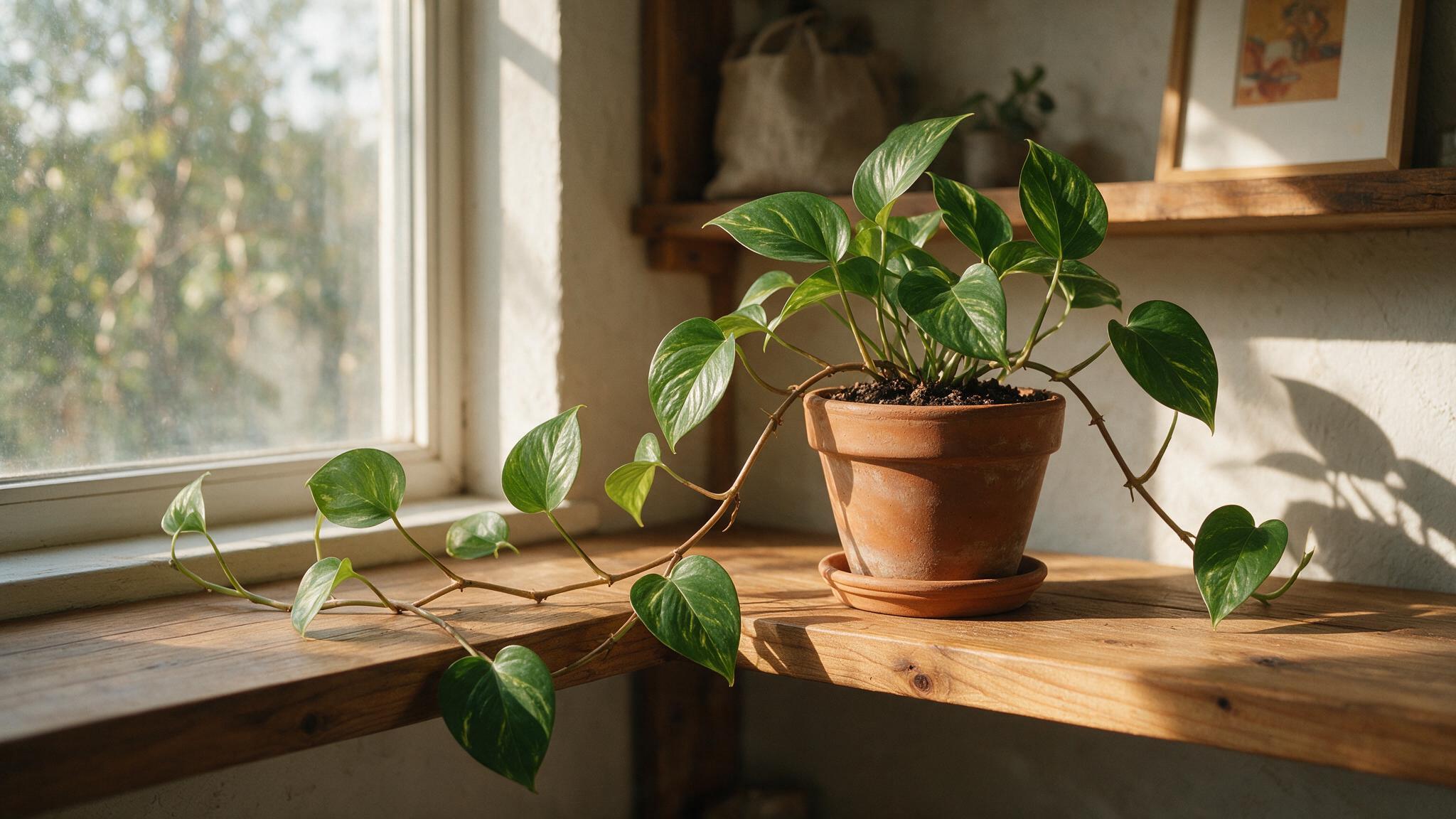
Pothos has a reputation for being nearly impossible to kill, so when yours sits frozen in place — no new leaves, no trailing vines, nothing — it can feel genuinely baffling. If your pothos isn’t growing, you’re not alone. These easygoing houseplants are known for being low maintenance, but they can still face challenges, and most problems are easy to fix once you know what to look for.
The good news is that stalled growth almost always has a clear, diagnosable cause. There are many possible reasons for this lackluster performance, but they are all almost always easy to rectify. The most common reason for pothos not growing is a lack of sufficient light or nutrients, and pothos need proper growing conditions and bright indirect light to grow at an average rate.
This guide walks you through every major cause of slow or stopped pothos growth, how to tell which one is affecting your plant, and exactly what to do about it — so you can get those vines trailing again.
What Does It Mean When Your Pothos Is Not Growing?
Pothos (Epipremnum aureum) is a fast-growing tropical vine native to the forest understory of Southeast Asia and the Western Pacific islands. Pothos plants naturally grow by as much as 12 inches a month, and if it’s not winter, your pothos should form a significant vine within the first two to three months. When growth stalls well below that, something in its environment is off.
Stopped growth doesn’t always mean your plant is sick. Pothos don’t truly go dormant indoors, so completely stalled growth usually means something is missing — the most common reason being not enough light, especially in apartments or during winter. That said, the cause could also be a watering imbalance, root problems, pests, or environmental stress.
You’ll want to look at the whole picture: the leaves, the soil, the pot, the light, and the season. Each of those clues points toward a specific fix, which the sections below cover in detail. If you’re new to keeping pothos or want a broader look at the plant’s needs, the pothos houseplant care overview is a helpful starting point.
Is Not Growing in Pothos Always a Sign of a Problem?
Not necessarily. It’s totally normal for pothos to slow down during fall and winter. Less natural light causes the plant to pause growth as it conserves energy. Be patient and keep caring for your plant — once spring rolls around and daylight increases, your pothos should naturally perk up and start growing again.
The pothos grows optimally from April to fall in the Northern Hemisphere. If yours has gone quiet between November and February, that alone may explain everything. Simply reduce watering slightly, hold off on fertilizer, and wait for the longer days of spring.
There are also variety-specific differences worth knowing. Growth rate ranges from slow to fast depending on variety, and more variegation in the leaves tends to slow growth. Marble Queen is the most popular cultivar, and it is very slow-growing, with foliage that tends to be more white than green. If you own a heavily variegated type, slower growth is simply part of its nature.
Pro Tip: A newly propagated pothos cutting that looks like it’s doing nothing is probably just establishing roots underground. Keep the soil lightly moist, give it bright indirect light, and resist fertilizing until you see a new leaf emerge.
If your plant hasn’t produced a single new leaf in more than four to six weeks during the active growing season (spring through early fall), that’s when it’s time to dig deeper.
Watering Issues Causing Pothos Not Growing
Watering issues are one of the most common reasons for stalled growth. Overwatering can cause root rot, while underwatering leaves the roots dry and stressed, both of which prevent the plant from thriving. The challenge is that both problems can look similar on the surface — drooping, dull leaves — which leads many plant owners to misdiagnose the cause.
Overwatering
When you overwater your pothos, you are essentially drowning its roots. Due to the excess water in the soil, there is little airflow to reach the roots, and the high water content causes them to suffocate. As the roots struggle, they can’t deliver any water or nutrients to your plant’s foliage, which is why you’ll see yellow leaves, stunted growth, leaf loss, and brown spots.
Let the top 2 inches of soil dry out completely before watering again. Use your finger to check — don’t rely on a fixed schedule. Make sure your pot has proper drainage, and empty the saucer after watering.
Underwatering
Underwatering is the most likely culprit if your pothos is stunted. When a plant doesn’t get the water it needs, it can’t move nutrients throughout its system, which means it can’t grow as large and strong as it would otherwise.
Other dehydration symptoms include dry, shriveled-up leaves, compacted and hydrophobic soil, leaf loss, curling leaves, and wilting. Water your pothos when the top inch of the soil feels dry — generally every one to two weeks, but frequency may vary based on the season and humidity levels.
| Watering Problem | Key Signs | Fix |
|---|---|---|
| Overwatering | Yellow leaves, mushy stems, soggy soil, fungus gnats | Let top 2 inches dry out; improve drainage; empty saucer |
| Underwatering | Curling leaves, dry compacted soil, wilting, brown edges | Water thoroughly; check soil moisture every few days |
Light Conditions Behind Pothos Not Growing
Houseplants like pothos require sunlight to photosynthesize. Through photosynthesis, plants create energy, which they need to produce new, healthy leaves. Without enough sunlight, your pothos may grow leggy with long stems and small leaves, and variegated versions like the Golden Pothos will put out fully green leaves without any variegation.
Pothos can technically survive in low light, but they won’t grow much (or at all) without enough brightness. If your plant is tucked away in a dim corner, it’s likely getting just enough light to stay alive but not enough to produce new leaves. Move your pothos closer to a bright window with plenty of filtered sunlight.
East-facing windows are ideal for morning light, while north-facing windows can work if the plant is right up against the glass. Avoid harsh direct sunlight, as pothos leaves are sensitive and scorch easily. Pothos plants require 2,000–3,000 lumens of light to grow effectively.
If your home doesn’t get adequate natural light — a common situation in many US apartments and north-facing rooms — a full-spectrum grow light placed 6 to 12 inches above the plant can make a significant difference. Many pothos that seem “slow” are actually just underlit, and consistent, full-spectrum light can help kick growth back into gear, even in winter months. For more options on plants that handle low-light spaces well, see this guide to best houseplants for low light areas.
Pro Tip: Rotate your pot a quarter turn every one to two weeks. Pothos grow toward the light, which can cause them to grow unevenly if always facing the same direction. Turning the pot every couple of weeks so every part gets enough light produces symmetrical growth that keeps your pothos looking balanced.
Soil, Nutrients, and Root Health Causing Pothos Not Growing
Even when light and water are right, the wrong soil or depleted nutrients can quietly stall your pothos for months.
Poor Soil Structure
If your soil is too dense or holds too much moisture, it limits root oxygen and makes it harder for the plant to absorb nutrients, slowing or stopping growth. Use a light, well-aerated potting mix that drains easily. Pothos performs best in rich, well-draining soil. A high-quality all-purpose potting soil or potting mix works well, and perlite, vermiculite, or coco coir can be added to improve drainage.
Nutrient Depletion
While pothos don’t need heavy feeding, they still need access to basic nutrients. If it’s been more than six months since you repotted or fertilized, your plant may be running on empty. On average, pothos will like to be fertilized monthly during the growing season, from March to October. A balanced, water-soluble fertilizer is sufficient, and diluting the solution to 50% of the recommended strength reduces the risk of overfeeding and root burn.
Overfertilizing is just as harmful as underfeeding. Excess salts in liquid fertilizer can draw moisture from the roots — a condition called root burn. Overfertilized plants will have yellow or brown leaf edges, yellow leaves, and leaf loss, and if left untreated, it can lead to root rot and kill your plant.
Rootbound Conditions
A plant will not perform at its best if it has become rootbound. If the roots are too tightly packed, it is almost inevitable that the potting medium will become devoid of nutrients. If your plant is rootbound, you’ll see roots packed tight and circling the exterior of the container or even growing out of the drainage holes.
Either plant it in a larger container — at least one size up from what it was in — or divide the plant in half and put one half back into the old container and one half into another. It is best to repot during spring or summer when the plant is in active growth.
Environmental Stress Triggering Pothos Not Growing
Temperature and humidity are two environmental factors that American households often get wrong for tropical plants — especially during winter heating season and summer air conditioning use.
Temperature
Pothos prefer temperatures between 60°F and 80°F (15°C to 27°C). They can tolerate occasional fluctuations but should be kept away from cold drafts or extreme heat, as this can stress the plant and hinder growth. In the US, common culprits include placement near exterior doors, AC vents, or single-pane windows in winter.
Before a window was replaced in one grower’s sunroom, it got pretty chilly in the winter and the pothos plants sulked and barely budged. If your plant sits near a drafty window or vent, move it to a more stable spot.
Humidity
Pothos tolerate average indoor humidity, but very dry air — especially in winter — can slow growth and cause the edges of leaves to brown or curl. Boost humidity by grouping your pothos with other plants, placing it on a pebble tray with water, or using a small humidifier. Aim for at least 40% humidity to keep the plant comfortable and growing well.
Pothos prefer a humidity range of 40–60%. When the air is too dry — especially in heated winter homes — the plant cannot pull enough water to its furthest leaf edges. Bathrooms and kitchens naturally run higher in humidity, making them great spots for pothos in dry climates. Placing a hanging pothos in a bathroom or kitchen lets it take advantage of the higher humidity levels.
Pro Tip: Avoid misting as a humidity solution — it’s a short-term fix and can encourage fungal leaf spot if water sits on the foliage. A pebble tray or small humidifier delivers consistent moisture to the air around your plant without the risk.
Pests and Disease Leading to Pothos Not Growing
Even hardy plants like pothos can fall victim to pests like spider mites, mealybugs, and fungus gnats. These bugs feed on plant sap, weakening the plant and halting new growth. A pest problem is often what’s happening when a plant looks “off” but you can’t immediately spot the cause.
Common Pests
- Spider mites: Tiny dots on leaf undersides, fine webbing between stems. Thrive in dry indoor air — common in US homes during winter heating season.
- Mealybugs: White cottony clusters at leaf nodes and stem joints. Use a cotton ball dipped in alcohol to kill the pests.
- Fungus gnats: Small flies hovering near the soil surface. Fungus gnats buzzing around your plant suggest overly wet conditions.
- Scale: Brown bumps on stems that look like part of the plant. Treat with horticultural oil or neem oil.
Pests like spider mites, mealybugs, and scale can affect the health of your pothos, leading to stunted growth. Keep an eye on your plant for any signs of pests and treat them promptly with insecticidal soap or neem oil. Checking the plant weekly can prevent high infestations.
Root Rot Disease
Root rot is a frequent cause of early death in many indoor pothos plants. This fungal disease is caused by specific fungi residing in the soil and attacking the roots — fungi that grow in moist conditions, appearing when your plant is overwatered or lacks drainage.
Root rot makes your pothos look thirsty. The leaves droop, the vines wilt, the plant looks like it needs water. The instinctive response is to water more — which feeds the pathogens destroying the roots, and the plant can decline beyond rescue within days.
Healthy roots appear firm and white, not soft and brown. According to UF/IFAS research , in pothos specifically, Phytophthora nicotianae is the most commonly identified pathogen in commercial production. Leaf spot is another fungal disease that can cause brown or black spots on pothos leaves, triggered by overwatering or poor air circulation. Remove infected leaves and improve air circulation around the plant.
How to Diagnose Why Your Pothos Is Not Growing
Before you start changing things, take five minutes to assess your plant systematically. Changing multiple variables at once makes it impossible to know what actually worked.
A change in the foliage is the first sign of a health problem. Withered, drooping, or limp foliage points toward watering issues. Yellowing, browning, or falling foliage can be signs of disease. Strange residues, marks, or holes can be signs of a pest infestation.
Work through this checklist in order:
- Check the season. Is it fall or winter? Slower growth is expected and normal.
- Assess light. Is the plant within 3 to 5 feet of a bright window? If not, that’s likely the primary issue.
- Test the soil moisture. Stick your finger 1 to 2 inches into the soil. Is it bone dry or still soggy several days after watering?
- Inspect the roots. Gently unpot the plant. Healthy roots appear firm and white, not soft and brown. Mushy, dark roots with a foul smell point to root rot.
- Look for pests. Check leaf undersides, stem joints, and the soil surface for insects, webbing, or sticky residue.
- Evaluate the pot. If the plant is rootbound, you’ll see roots packed tight and circling the exterior of the container or even growing out of the drainage holes.
- Consider nutrients. When did you last repot or fertilize? If it’s been over a year, nutrients may be depleted.
Plant identification apps can also help you cross-reference symptoms quickly. Check out the best iPhone apps for identifying plants or the top Android apps for identifying plants to get a second opinion on what you’re seeing.
How to Fix a Pothos That Is Not Growing
Once you’ve identified the cause, the fix is usually straightforward. Here’s what to do for each scenario.
Fix Light Issues
Move the plant to within 3 feet of a bright, east- or west-facing window. If natural light is limited, add a full-spectrum grow light on a 12-hour timer. Leggy pothos are almost always reaching for more light — moving your plant to brighter, indirect light and pruning long vines encourages bushier growth, and consistent overhead light helps leaves grow closer together along the vine.
Fix Watering Problems
Make sure your pot has proper drainage, and empty the saucer after watering. If you suspect rot, unpot the plant and trim away any soft, blackened roots. Then repot into fresh, well-draining soil and hold off on watering for several days to let the roots recover.
Fix Root Rot
Emergency measures start with immediate plant removal from its container. Gently shake off soil and inspect the root system for brown, mushy sections. Wash roots thoroughly under lukewarm water, removing all traces of contaminated soil. Remove the decaying roots to prevent the disease from spreading to the unaffected areas — cut off everything brown, black, or mushy. Whenever you cut the roots, clean and disinfect your scissors using a hydrogen peroxide solution.
Fix Nutrient Deficiency
During the growing season (March through October), apply a balanced, water-soluble fertilizer once a month at half the recommended strength. Don’t fertilize your pothos if it is currently winter, if you repotted the plant within the last six months, or if you’ve fertilized within the last two months.
Fix Rootbound Conditions
Choose a new pot that is 1 to 2 inches larger in diameter than the current one — no bigger. A pot that is too large holds excess moisture and can lead to overwatering problems. Fill it with fresh, well-draining potting mix and water thoroughly after repotting.
Encourage Growth Through Pruning
Prune your pothos just above a node — the spot where a leaf meets the vine. This signals the plant to grow new stems from that point. Use clean, sharp scissors, and don’t cut more than a third of the plant at once. Pruning is best done during the growing season, especially in spring when growth is most rapid.
Pro Tip: After treating root rot, don’t rush back to a regular watering schedule. Let the plant tell you when it needs water by checking the soil with your finger. A recovering pothos needs time to rebuild its root system before it can handle normal moisture levels again.
How to Prevent Pothos Not Growing Going Forward
Prevention is simpler than treatment. Building a few consistent habits into your routine keeps your pothos growing steadily all year.
- Water by feel, not by calendar. Stick your finger in the soil to determine the moisture level — if the soil is dry down to 1 to 2 inches deep, it’s time to water.
- Fertilize seasonally. Pothos plants are moderate to light feeders that benefit from regular fertilizing when actively growing. In spring and summer, apply a balanced houseplant fertilizer once a month according to package instructions. Stop completely in winter.
- Refresh soil every one to two years. If you refresh the soil every couple of years, your pothos is receiving all the nutrients it needs.
- Keep temperatures stable. Pothos prefer temperatures between 60°F and 80°F and should be kept away from cold drafts or extreme heat, as this can stress the plant and hinder growth.
- Inspect weekly for pests. Checking the plant weekly can prevent high infestations. Catching spider mites or mealybugs early makes treatment much easier.
- Rotate the pot regularly. A quarter turn every week or two ensures all sides get equal light and prevents lopsided growth.
- Reduce watering in winter. Reduce watering during winter months when plant growth slows down.
If you enjoy growing pothos and want to expand your collection, exploring the different types of pothos plants can help you choose varieties suited to your light conditions and space. Many of the same care principles apply to other popular trailing houseplants — you can find more ideas in this overview of types of plants for indoor growing.
FAQ
Why Is My Pothos Not Growing New Leaves?
The most likely reasons are insufficient light, depleted soil nutrients, or a rootbound pot. If the plant is in active growing season (spring through summer) and still not producing leaves, check light first — move it closer to a bright window and see if new growth appears within two to three weeks.
How Fast Should Pothos Grow Indoors?
Pothos plants naturally grow by as much as 12 inches a month under ideal conditions. In average home conditions with moderate indirect light, expect a few inches of new growth per month during the growing season. Growth will slow significantly in winter.
Can I Fix a Pothos That Has Stopped Growing Due to Root Rot?
Yes, if you catch it early enough. As long as you act promptly, you can still recover rotting pothos roots. The key is removing all mushy, dark roots, repotting in fresh well-draining soil, and adjusting your watering habits going forward. If more than two-thirds of the root system is rotten, propagating healthy stem cuttings is often the better path.
Should I Fertilize My Pothos to Make It Grow Faster?
Fertilizing during the growing season helps, but it won’t compensate for poor light or watering issues. Pothos aren’t fussy or needy, and fertilizing too often will do more harm than good. Depending on your climate and growing zone, feeding two or three times a year may be sufficient for your indoor plants.
Why Are My Pothos Leaves Getting Smaller Over Time?
Low light conditions are the most common reason for a stunted growth habit in pothos plants. Leaves may appear small and crooked due to the plant not having enough energy to develop them properly. Small leaves can also indicate a rootbound plant or nutrient-depleted soil. Improving light and repotting with fresh soil usually resolves both issues together.
Is It Normal for Pothos to Stop Growing in Winter?
Yes. It’s totally normal for pothos to grow less or not at all in winter. Go back to regularly caring for your pothos in the spring when it returns to growing. During dormancy, don’t water as much and hold off on fertilizing, as the plant’s metabolic processes have slowed.
What Other Houseplants Have Similar Care Needs to Pothos?
Several popular trailing and foliage houseplants thrive under similar conditions. Rubber plants and ivy plants share a preference for bright indirect light and well-draining soil. Spider plants are another low-maintenance option that tolerates similar indoor conditions across the US.