Can You Freeze Radishes? What You Need to Know Before You Try

November 9, 2026
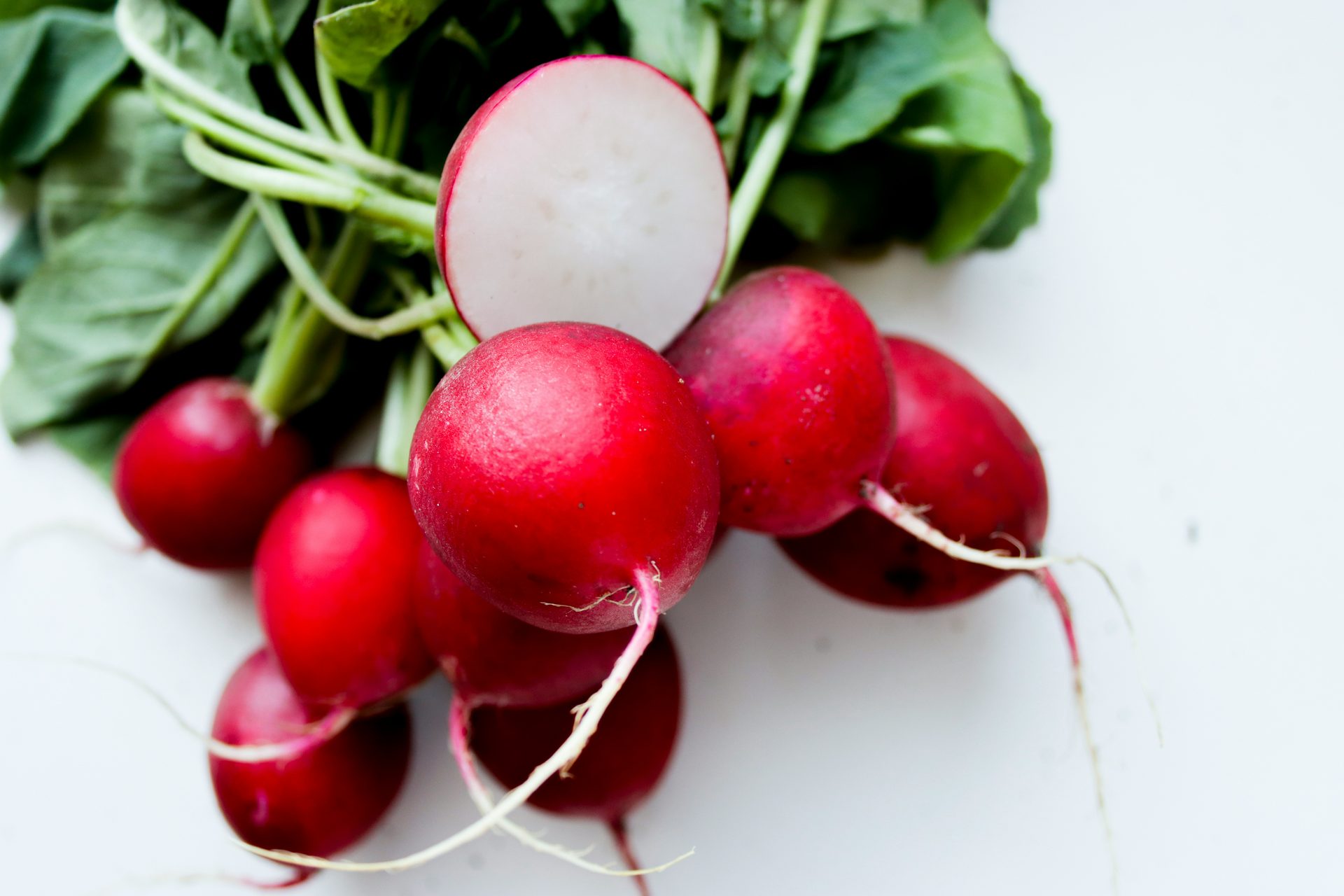
Most people toss a bunch of radishes in the crisper drawer, forget about them for two weeks, and end up throwing them out. If that sounds familiar, freezing is a much smarter option — but only when you do it the right way.
Yes, you can freeze radishes, and freezing them for long-term storage is one of the most effective food preservation techniques available. The catch? Freezing radishes is more complex than most other vegetables, since you can’t just pop them in the freezer and expect them to maintain their original taste and texture. This guide walks you through everything — from what happens to texture and flavor, to the exact steps for freezing, thawing, and using them later.
Can You Freeze Radishes?
Radishes are a great vegetable that can be frozen for later use; however, it’s important to first blanch them to reduce their natural enzymatic ripening reactions. Skipping that step is where most people go wrong.
It is not recommended to freeze radishes without blanching, because blanching removes the enzyme that causes the radish to age even after freezing. If frozen without blanching, your radishes will continue to age and rot, even in the freezer.
Different types of radishes vary in their suitability for freezing. Crunchy root vegetables like radishes are generally good candidates, with thicker varieties like daikon being particularly well-suited due to their robust structure. On the other hand, Korean radish cannot be frozen because it will become soft and spongy after defrosting, losing all of its taste and texture — and blanching won’t fix this problem, since the texture loss is caused by the high water content, not enzyme-changing activity.
The common red radish (Raphanus sativus) is the variety most Americans bring home from the grocery store or farmers market, and it freezes reasonably well when properly prepared. If you’re growing a large garden harvest or took advantage of a bulk sale, freezing is a great way to handle a bag of radishes you’d otherwise end up throwing out every few weeks.
Pro Tip: Always start with firm, fresh radishes. It is essential to begin with fresh, firm radishes, as they are more likely to retain their desirable qualities post-freezing.
Does Freezing Change the Texture or Taste of Radishes?
Yes — and being upfront about this will save you a lot of disappointment. Freezing radishes can alter their texture and taste. The freezing process causes the water inside the radishes to crystallize, leading to some softening upon thawing.
Because of the high water content, as the radishes freeze, the water within the vegetable cells freezes and expands. This causes a rupture of the cell walls, changing the vegetable’s structure. The result is a radish that is noticeably softer than fresh.
Flavor also shifts. Freezing can alter the flavor of radishes. The sharp, peppery taste may become milder after freezing and thawing. The taste won’t be quite as potent, but you’ll still know you’re eating a radish when you bite into a slice.
The freezing process slightly changes the radishes’ texture, making them less suitable for raw applications like salads. However, they work wonderfully in cooked dishes, soups, stews, roasted preparations, and stir-fries. Think of frozen radishes as a cooking ingredient rather than a snacking vegetable. You can read more about whole plant-based foods and how to make the most of vegetables in your diet.
How to Freeze Radishes the Right Way
The process breaks down into four core steps: clean, cut, blanch, and freeze. Follow each one carefully and your radishes will hold up well for months.
- Wash thoroughly. The first step in preserving radishes is making sure they are clean. Since radishes are root vegetables, they tend to be pretty dirty. Fortunately, cleaning them isn’t hard — simply run them under cold water and gently scrub the dirt off. A vegetable brush works well for garden-grown radishes with heavy soil.
- Trim and cut. Prepare the radishes by trimming the roots, taking off the leaves, and rinsing them with cold water. Avoid peeling the radishes if you want to enjoy the snappy texture. It’s best to slice or chop your radishes into cubes rather than leaving them whole if you’re aiming to preserve the crisp texture. Slice them into thin medallions — about ⅛” to ¼” thick works well.
- Blanch in boiling water. Blanching helps radishes maintain their crisp texture and prevents them from turning mushy. It also locks in the fresh flavor and helps maintain their color. To blanch, flash-cook them in boiling water for 2–3 minutes. While the radishes are boiling, prepare a large mixing bowl with cold water and ice. Once the timer goes off, carefully remove the radishes from the boiling water and put them into the ice water bath.
- Dry and flash-freeze. Pat them dry with a paper towel and strain using a colander before bagging. To lock in flavor, flash freeze the radishes by laying them out on parchment or baking paper and placing them in the freezer to stop them from sticking together. The process can last between one and three hours before placing them in airtight containers.
- Seal and label. Once they’re individually frozen, transfer them to freezer-safe bags or containers. Squeeze out as much air as possible before sealing to prevent freezer burn. Label your bags or containers with the date.
Important Note: Never peel the radish before freezing. It will not maintain its quality and texture during freezing without its skin.
You can also freeze radish greens. You can freeze radish greens — and it’s even easier than freezing radishes. All you need to do is blanch them for 10 seconds, dry them, bag them, and freeze them.
How Long Can You Freeze Radishes?
Radishes will stay fresh in the freezer for up to 6 months. After that, they may still be edible but will begin to go through some flavor and textural changes. They will also start to lose some of their nutrients.
Frozen radishes can be stored for up to 8–12 months in a well-maintained freezer; however, for optimal flavor and quality, it is recommended to consume them within 6 months of freezing. The 6-month mark is the practical sweet spot for most home cooks.
| Storage Method | Approximate Shelf Life | Best For |
|---|---|---|
| Refrigerator (in crisper) | 1–2 weeks | Fresh eating, salads, snacking |
| Freezer (blanched, airtight) | Up to 6 months (best quality) | Soups, stews, stir-fries, roasting |
| Freezer (without blanching) | A few weeks before quality decline | Not recommended |
| Pickled (refrigerator) | Up to 6 months | Tacos, sandwiches, grain bowls |
Keep frozen radishes at a temperature of 0°F or below for optimal storage conditions. If your freezer runs warm or goes through frequent temperature fluctuations, quality will decline faster.
How to Thaw Frozen Radishes
How you thaw radishes matters just as much as how you freeze them. Thawing frozen radishes should be done with care to preserve their firmness. Place them in the refrigerator for several hours or overnight, allowing them to thaw slowly and retain their structure. It’s important not to rush the thawing process by using heat, as radishes can become soggy.
For a quick thaw, you can place them under cold running water, but this method may slightly reduce their crunchiness. To thaw, just run them under cold water — it should not take very long to thaw completely. Once they are sort of squishy and you no longer see ice crystals in them, they are safe to cook.
If you’re adding frozen radishes directly to a hot dish like soup or a stir-fry, there’s no need to thaw them. Simply take out the desired amount and add them directly to your recipes. This is actually the easiest approach for cooked applications.
Pro Tip: Never thaw radishes in the microwave or in warm water. The heat speeds up cell breakdown and will make them mushy before they even hit the pan.
Can You Refreeze Radishes After Thawing?
This is one area where you should be cautious. It is not recommended to refreeze thawed radishes, as it can lead to a loss of quality and potential food safety issues. When you thaw radishes, they release moisture, which can cause ice crystals to form on the surface. These ice crystals can damage the cell structure of the radish and cause it to become mushy when refrozen.
While you technically can refreeze radishes, they are naturally zesty and crunchy, and on refreezing, you might lose this crunchiness and they may even turn mushy. Refreezing radishes is not recommended.
If you have leftover thawed radishes, it’s best to use them immediately rather than refreezing them. The simplest fix is to freeze radishes in small, single-use portions so you only pull out what you need for each meal. Zip-lock freezer bags work well for this — fill each one with just enough for a single soup or stir-fry serving.
How to Use Frozen Radishes (Best Uses After Freezing)
The best way to use frozen radishes is to add them to soups, stews, casseroles, or other cooked dishes. If they are thinly sliced, you can add them to salads. The key is matching the application to the texture you’ll get after thawing.
Here are the most practical ways to use frozen radishes in American home cooking:
- Soups and stews: Frozen radishes soften nicely in broth-based soups. They work as a low-carb substitute for potatoes in hearty winter stews. Cooked or roasted radishes are a great way to replace the need for potatoes if you’re trying to cut down on carbs.
- Stir-fries: Radishes can be sautéed lightly to be included in stir-fries or mixed with other roasted vegetables. Add them near the end of cooking to avoid over-softening.
- Roasted radishes: Radishes aren’t just for raw consumption. Try roasting them for a milder taste — halve the radishes, toss them with olive oil and your favorite herbs, and roast until tender.
- Tacos and grain bowls: Dice radishes for a crunchy element in fish or street-style tacos. Add a refreshing texture to grain bowls by scattering a handful of sliced radishes on top.
- Casseroles: Frozen radishes hold up well in baked casseroles where they cook through fully during the bake time.
Because frozen radishes have a milder peppery bite than fresh, they blend seamlessly into dishes without overpowering other flavors. They’re also worth keeping on hand if you follow a fibroid-friendly diet or are looking for versatile vegetables for meal prep , since radishes bring fiber and antioxidants to cooked meals year-round.
Key Insight: While the texture might change slightly due to the freezing process, frozen radishes still impart a peppery kick to any cooked dish. Lean into that quality rather than fighting it.
Signs That Frozen Radishes Have Gone Bad
Freezing slows spoilage but does not stop it permanently. While freezing a radish can make it last for a very long time, the spoiling process has merely been stalled, not stopped. You should inspect your frozen radishes before cooking with them.
Watch for these warning signs:
- Mushy or excessively soft texture: Fresh radishes are firm to the touch. If they feel mushy or soft, they are likely spoiled. Note that some softness after thawing is normal — but a completely slimy, disintegrating texture is not.
- Discoloration: Radishes should have a vibrant red or pink color. If you notice any yellowing or browning, it may be a sign of spoilage.
- Unpleasant odor: Fresh radishes have a mild, peppery scent. A sour or rotten smell indicates that the radishes are no longer good to eat.
- Slimy surface: A slimy or sticky surface is a clear indication of spoilage.
- Visible freezer burn: Discard any radishes that show signs of freezer burn or spoilage. Freezer burn appears as dry, grayish-white patches on the surface and results from air exposure inside the bag.
Radishes are perishable and you should inspect them before eating, whether they have been freshly harvested, refrigerated, or frozen and defrosted. When in doubt, throw them out — a spoiled radish is not worth the risk. For more guidance on foods that support your health, check out this article on superfoods for a healthy heart or explore powerful nutrients and foods that fight cancer.
Frequently Asked Questions
Can You Freeze Raw Radishes Without Blanching?
While it is possible to freeze radishes without blanching, doing so may result in a loss of texture and flavor. Blanching helps to preserve these qualities. For anything beyond very short-term storage, blanching is the right call.
Can You Freeze Whole Radishes?
You can blanch and freeze radishes whole; however, they may split when frozen and cause the texture to become mealy. It’s better to cut whole radishes into slices or quarters before blanching and freezing.
Can You Freeze Daikon Radishes?
Yes. Thicker varieties like daikon are particularly well-suited for freezing due to their robust structure. Cut daikon into rounds about 4 cm thick, blanch for 3 minutes, cool in an ice bath, dry thoroughly, and seal in freezer bags with the air removed.
Can You Freeze Pickled Radishes?
Yes, you can freeze pickled radishes — but it isn’t necessary, since pickled, unfrozen radishes already last up to 6 months in the refrigerator, and freezing them won’t extend that period. If you do freeze them, cut them into ¼ or ½ inch slices first to avoid splitting.
How Do You Know When Frozen Radishes Are Thawed Enough to Cook?
Once they are sort of squishy and you no longer see ice crystals in them, they are safe to cook. For most cooked dishes, you can also add them directly from frozen without thawing at all.
Do Frozen Radishes Retain Their Nutritional Value?
Contrary to popular belief, freezing radishes does not significantly impact their nutritional value. Freezing vegetables can actually help retain their nutrients by preserving them at their peak freshness. However, the length of time they are frozen can impact the overall nutrient content. Over an extended period, some vitamins may begin to degrade. It is recommended to consume frozen radishes within a reasonable timeframe to maximize their nutritional benefits. Radishes are also worth including in a diet focused on healthy skin and in meals built around liver-supporting foods.
Can You Freeze Radish Greens?
Yes, radish greens can be frozen. They should be washed, dried, and stored in airtight bags or containers. However, the texture may soften upon thawing, making them more suitable for cooked dishes rather than raw consumption.