Can You Freeze Wine into Popsicles? Everything You Need to Know

October 30, 2026
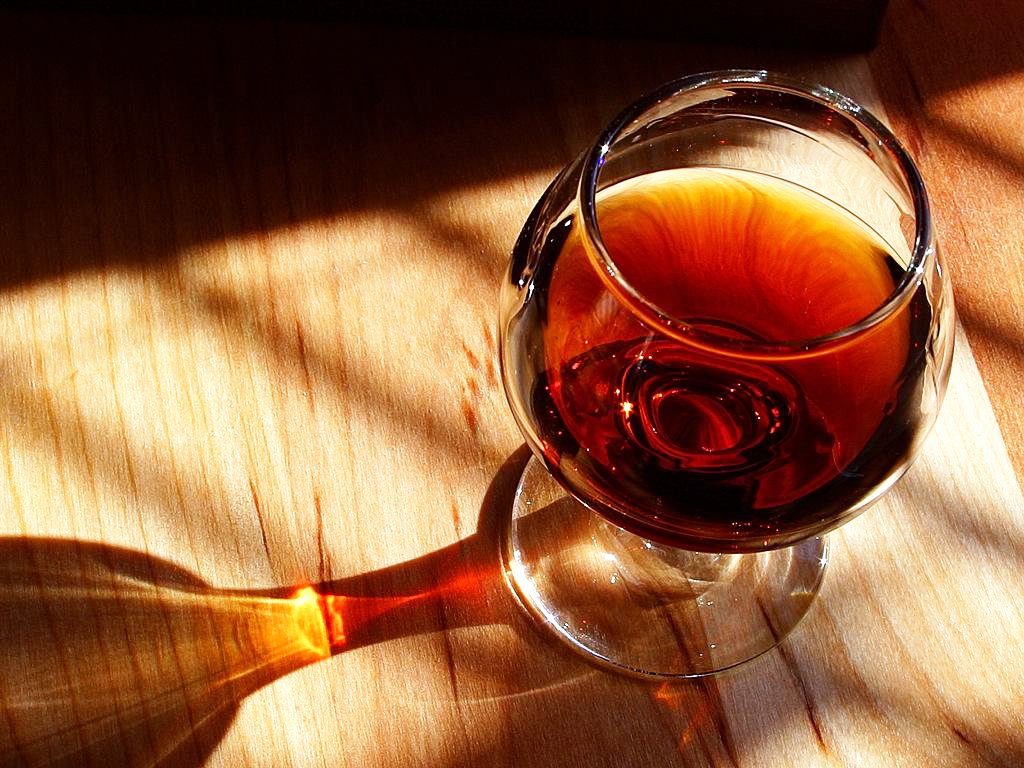
Wine popsicles are one of the most refreshing adult treats you can make at home, and the good news is that yes, you absolutely can freeze wine into popsicles. The catch is that wine does not behave like juice or water in the freezer, and if you pour straight wine into a mold and walk away, you are likely to end up with a slushy, half-frozen mess.
The reason comes down to chemistry. Ethanol, the type of alcohol in wine, has a much lower freezing temperature than water. Water freezes at 32°F, while pure ethanol freezes around -173°F. Because wine is a blend of both, it needs a little help to freeze solid in a standard home freezer. Once you understand that, making great wine popsicles becomes straightforward.
This guide walks you through everything — from the science of freezing wine to the best recipes, storage tips, and how to tell when your pops have gone bad. Whether you are planning a backyard barbecue, a pool party, or just want a grown-up treat on a hot summer evening, wine popsicles are worth making right.
Can You Freeze Wine into Popsicles?
Yes — wine can be frozen into popsicles, but it requires a specific approach. The average bottle of wine begins to freeze at around 22°F, though the exact temperature varies depending on ABV. Most home freezers are set for 0°F, which means that if you want your alcoholic beverage to freeze, you need to bring its alcohol-by-volume (ABV) down to a level where the water in the mixture freezes and solidifies the alcohol along with it, rather than the two separating and turning into a slushie.
The practical fix is simple: dilute the wine with juice, simple syrup, fruit puree, or another non-alcoholic liquid before pouring it into molds. As a rule of thumb, you will have the best luck making boozy popsicles by aiming for a 5–10% final ABV in your cocktail mix. Since most wines already sit at 11–13% ABV, mixing them at a ratio of two parts juice to one part wine gets you right into that sweet spot.
Lower-proof beverages like beer, hard seltzer, wine, and liqueurs make better popsicles. “The lower the alcohol content,” according to beverage consultant Cody Goldstein, “the better chance you will have of the popsicle freezing fully.” Wines are actually ideal candidates compared to spirits — you just need to mix them with something non-alcoholic.
Pro Tip: Sparkling wines like Prosecco require extra caution. Carbon dioxide expands when it reaches its freezing point, which can cause the cork to burst or even the bottle to explode if stored at a cold temperature for long enough. Always transfer sparkling wine to a freezer-safe container before freezing, and consider letting it go flat first.
Does Freezing Change the Texture or Taste of Wine?
Freezing does change wine, and the effect depends on whether you are freezing it straight or blending it into a popsicle mixture. Wine connoisseurs might recommend that you discard a bottle of wine that has been accidentally frozen, since the freezing process alters the flavor profile and texture of the wine. That said, intentionally freezing wine for popsicles is a different situation — you are not trying to preserve the wine’s original character, you are transforming it into a new treat.
When you freeze pure wine without any additives, the water molecules crystallize first, pushing the alcohol and flavor compounds into concentrated pockets. When you pour straight wine into a mold and freeze it, the water crystallizes first, pushing alcohol and flavor into concentrated pockets while leaving behind icy, dilute, or even weeping layers. The result is an uneven texture that melts fast and tastes off.
Adding juice, syrup, or fruit puree solves both problems at once. Honey adds sweetness and improves the texture of the popsicles. You can also use sugar, agave nectar, or maple syrup. The sugar helps suppress ice crystal growth, giving you a smoother, more consistent pop. Frozen popsicles made with just wine and soda can taste a little bland, but adding a simple syrup to the mix does the trick — you still get the deep richness of the wine, but the tartness and sweetness of the syrup make the popsicles much tastier.
The bottom line: do not expect a frozen wine popsicle to taste like a glass of wine. Expect something closer to a fruit-forward, boozy ice pop — which, for most people on a hot July afternoon, is exactly what the occasion calls for.
How to Freeze Wine the Right Way
Getting wine popsicles right comes down to ratio, ingredients, and technique. Follow these steps and you will get pops that freeze solid, hold their shape, and actually taste good.
Step 1: Choose the Right Wine
The wine you choose can make a big difference in the final outcome. Pinot Grigio (fresh and neutral) or Moscato (sweeter) work well, but feel free to experiment with your favorite wines. As a rule of thumb, lighter-bodied wines, which have lower alcohol percentages, will freeze the easiest. For red wine pops, a fruit-forward variety like a Grenache or Zinfandel works better than a heavy, tannic Cabernet.
Step 2: Use the Right Ratio
You will need to mix in another liquid, like juice, in order for the wine to freeze properly. For wine popsicles, use a ratio of 2 parts juice to 1 part wine. This brings the overall ABV down enough for your home freezer to do its job. Mixing the wine with fruit juices, purees, or simple syrup can help lower the alcohol content and allow for easier freezing.
Step 3: Sweeten and Flavor
Combine your wine with juice (lemonade, cranberry, peach, or orange juice all work well), add a sweetener like honey or simple syrup, and stir until fully dissolved. Make sure that any sugar or sweetener is completely dissolved before pouring. You can also fold in fresh or muddled fruit for added texture and color.
Step 4: Fill the Molds Correctly
Use silicone molds for easy release of the wine popsicles, and make sure the molds come with a lid or cover to prevent spills or freezer burn. Do not fill the molds completely, as the liquid will slightly expand as it freezes. Leave about a quarter inch of headspace at the top of each mold.
Step 5: Freeze Long Enough
It will take a minimum of 4 to 6 hours for alcohol popsicles to freeze. Many recipes recommend freezing overnight to be safe. Preparing them the day before or early in the morning of the day you plan to serve them is a good strategy.
Pro Tip: Pre-chill your silicone popsicle molds by placing them in the freezer for 30 minutes before filling. This helps the mixture start freezing more evenly and reduces the chance of alcohol separating to the bottom.
If you enjoy pairing wine with food, check out this guide on drinking two different types of wine at the same time — the same flavor-pairing logic applies when choosing which wine to use in your popsicles. You might also want to read up on types of wine glasses if you plan to serve the popsicles dropped into a glass of wine as a cocktail garnish.
How Long Can You Freeze Wine Popsicles?
Wine popsicles keep well in the freezer, but they are not indefinite. Properly formulated and stored wine popsicles, kept in airtight bags at or below -18°C (0°F), retain optimal texture and flavor for about 8 weeks. Beyond that, slow oxidation dulls aroma and slightly increases melt rate — though they remain safe to eat.
For standard homemade popsicles without the more advanced stabilizers, the window is a bit shorter. Homemade popsicles will last for up to six months in the freezer when stored properly with a double wrap. For wine popsicles specifically, aim to eat them within 4 to 6 weeks for the best flavor, since the wine’s aromatic compounds fade faster than plain fruit juice.
Storage method matters a great deal. After they are completely frozen, remove the popsicles from the molds and wrap each one individually using plastic wrap or wax paper. Then stash all the wrapped ice pops in a freezer-safe plastic bag and remove as much air from inside before sealing — this extra layer of protection helps prevent exposure to air.
| Storage Method | Estimated Quality Window | Notes |
|---|---|---|
| Left in molds (uncovered) | 1–2 days | Freezer burn risk is high |
| Individually wrapped in wax paper | Up to 4–6 weeks | Good for wine popsicles |
| Double-wrapped + airtight freezer bag | Up to 6 months | Best for long-term storage |
How to Thaw Frozen Wine Popsicles
Wine popsicles thaw quickly because of their alcohol content, so the “thawing” process is really just about getting them out of the mold safely and serving them before they melt. When they are removed from the freezer, they will defrost quickly, so serving them immediately is recommended.
To release popsicles from their molds without breaking them, run warm water over the outside of the mold for a few seconds. Once the pops are completely frozen, run warm water over the molds for about 30 seconds and they will pop right out. Do not use hot water, as this can cause uneven melting and structural damage to the pop.
If you stored them wrapped in wax paper and a freezer bag, pull one out and let it sit on the counter for 30 to 60 seconds before unwrapping. This softens the surface slightly and makes them easier to handle. Serve them on a napkin or plate — wine popsicles drip faster than standard ones, so have napkins ready, especially outdoors in summer heat.
Pro Tip: Chill the wine before making popsicle cocktails so that the popsicles do not melt too fast when you drop them into a glass. This tip applies equally to serving them as standalone pops — cold hands, cold glasses, and shade all help.
Can You Refreeze Wine Popsicles After Thawing?
Refreezing wine popsicles after they have fully melted is not a good idea. Never refreeze a partially melted pop — ice crystal damage is irreversible. When a popsicle melts and then refreezes, the texture becomes grainy and icy rather than smooth, and the alcohol can separate out into uneven pockets.
If a popsicle has softened but is still cold and only partly thawed for less than a couple of hours, refreezing is mainly a quality issue. However, if it has melted completely and sat at room temperature for more than two hours (or one hour above 90°F), discard it. In the US summer heat, that second threshold can arrive faster than you expect.
The takeaway: only pull out as many wine popsicles as you plan to serve right away. Do not hold them too long before refreezing — cycles of melt-and-refreeze destroy the structure of the popsicle. If you are hosting a party, keep them in a cooler with ice packs and serve them from there rather than letting guests grab from the mold tray.
How to Use Frozen Wine Popsicles (Best Uses After Freezing)
Wine popsicles are versatile beyond just eating them on a stick. Here are the most popular ways Americans use them, especially during summer entertaining.
Eat Them Straight
The simplest option — pull them from the freezer, unwrap, and enjoy. Wine popsicles are perfect for all kinds of spring and summer occasions, whether you are hosting a pool party, adding a touch of elegance to a summer barbecue, or simply in the mood for a grown-up twist on a childhood favorite. Keep napkins nearby.
Drop Them into a Glass of Wine
The popsicle functions as ice in the glass and adds flavor and color to the wine as you stir it. You can also eat it as you go, or when you finish the drink — it is a drink and a snack in one. You can use any type of wine for these drinks, but a white wine with a bit of sweetness, like a Riesling, Moscato, or rosé, works especially well.
Build a Popsicle Cocktail Bar
Set out a selection of wine popsicle flavors alongside chilled glasses of white, red, and rosé. Let guests mix and match. The popsicles add color, flavor, and sweetness to the wine, functioning like a brightly colored simple syrup. Adding a sprig of mint, rosemary, or basil to the drink helps — rubbing the leaves between your fingers before adding them releases their natural oils and infuses the wine with more flavor.
Use Them in Sangria
Drop a few frozen wine pops into a pitcher of sangria instead of ice cubes. They chill the drink without watering it down, and as they melt, they add an extra layer of fruity flavor. Red wine pops work especially well in traditional sangria recipes.
- White wine + lemonade pops pair well with Sauvignon Blanc or Pinot Grigio
- Rosé + strawberry pops complement a light, fruity rosé
- Red wine + cherry juice pops work in red sangria or Malbec
- Sparkling wine + citrus pops are great for mimosa-style cocktails
For more ideas on pairing beverages with health-conscious eating habits, take a look at these superfoods for a healthy heart — red wine in moderation has long been associated with heart-healthy diets, and a wine popsicle made with antioxidant-rich red wine and berry juice fits right in.
Signs That Frozen Wine Popsicles Have Gone Bad
Wine popsicles do not spoil the way perishable food does, but they can degrade significantly in quality. Here is what to look for before eating a popsicle that has been sitting in the freezer for a while.
- Excessive ice crystals on the surface: Freezer burn occurs when popsicles are exposed to air in the freezer, causing dehydration and the formation of ice crystals on the surface. While freezer-burned popsicles are still safe to eat, they may have a dry, hard texture and a less appealing taste.
- Faded or dull color: If your once vibrant popsicle looks faded or has spots of discoloration, it is a sign that it has been in the freezer too long.
- Shriveled or shrunken appearance: Freezer burn can make popsicles lose moisture, leading to a shriveled, unappetizing look. If it resembles a frosty raisin on a stick, it is time to discard it.
- Off or stale smell: Any unusual or off-putting smell is a red flag. Wine popsicles that have oxidized will smell flat or vinegary rather than fruity.
- Strange or sour taste: If the popsicle has an odd, stale, or sour flavor, it has likely gone bad. The sugar and other ingredients can degrade over time, especially in homemade varieties, leading to unpleasant flavors — and a change in taste is one of the clearest indicators that the popsicle has lost its quality.
- Visible mold: Popsicles can develop mold if they have been left out of the freezer for too long or stored improperly. If there is any visible mold or unusual fuzziness, discard the popsicle immediately.
When in doubt, throw it out. A wine popsicle costs almost nothing to remake, and the ingredients are too good to risk on a pop that has been sitting in the back of the freezer since last summer.
If you are interested in how food choices affect your overall wellbeing, these resources on foods for healthy skin and nutrients and foods that fight cancer offer helpful context on making smarter food decisions across the board.
Frequently Asked Questions
Can You Freeze Any Type of Wine into Popsicles?
You can use red, white, or rosé wine. You can freeze white wine — the color of the wine does not affect the freezing point. Red wines usually have more compounds than white wine, which means they may take a bit longer to freeze. Sparkling wines work too, but require extra care due to CO₂ expansion in the freezer.
Why Won’t My Wine Popsicles Freeze Solid?
Even a little booze will interfere with the way popsicles freeze, and too much keeps them in a permanent state of slush. According to People’s Pops, a Brooklyn-based popsicle shop, pops should be engineered with 20% or less total alcohol. If your pops will not freeze, the wine-to-juice ratio is likely off — add more juice or fruit puree and try again.
How Long Do Wine Popsicles Take to Freeze?
It will take a minimum of 4 to 6 hours for alcohol popsicles to freeze. Many recipes suggest 8 to 10 hours or overnight for a fully solid result. The higher the alcohol content in your mix, the longer the freeze time.
Are Wine Popsicles Safe for Everyone?
Wine popsicles contain alcohol and are not suitable for children or others avoiding alcohol. For a non-alcoholic version, use non-alcoholic wine. Keep them clearly labeled if you are serving them at a party where children are present, and store them separately from kid-friendly treats.
Can You Make Wine Popsicles Without a Mold?
Yes. You can use small paper cups with wooden craft sticks, or small zip-top bags. If you do not have molds, you can use paper cups, but it will be difficult to keep the stick straight — insert the stick after about two hours in the freezer once the mixture has partially solidified.
What Is the Best Wine for Popsicles?
Lighter-bodied wines, which have lower alcohol percentages, freeze the easiest. For white wine pops, Moscato, Pinot Grigio, and Riesling are popular choices. For red wine pops, a fruit-forward, lower-tannin wine like Grenache or a light Zinfandel works better than a bold Cabernet Sauvignon. Rosé is arguably the most versatile option — it pairs with almost any fruit flavor.
Do Wine Popsicles Still Contain Alcohol?
Yes. Freezing does not remove alcohol — it only changes the physical state of the mixture. The alcohol content in your finished popsicle will be lower than in the original wine because you diluted it with juice or syrup, but the pops are still alcoholic. Always serve them responsibly to adults only. If you have questions about how certain substances interact with dietary sensitivities, the guide on food intolerance and the comparison of food intolerance vs. food allergy are worth reading.